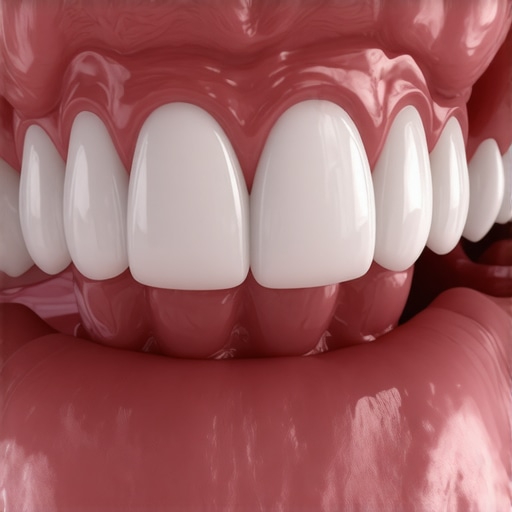
I remember the moment clearly. I was sitting in my dental chair, feeling a mix of embarrassment and frustration as my dentist pointed out the redness and bleeding I had dismissed as just “normal” gum irritation. Little did I realize at the time that smoking was silently wrecking my gum health far more than I ever imagined. That lightbulb moment changed everything.
**Why Smoking Seriously Impacts Your Gums**
Understanding the Real Damage Smoking Causes to Your Gums
Many folks don’t realize that smoking isn’t just about lung health or smoking-related cancer—it’s a major player in oral health crises too. The chemicals in cigarettes impede blood flow to your gums, making them less able to fight off infections. Over time, this leads to gum disease, which, if left untreated, can cause tooth loss. And the scary part? You might not even notice the early signs because smoking masks certain symptoms, leading to delayed diagnosis and treatment.
Early on, I made the mistake of thinking that occasional gum bleeding was just part of brushing too hard. I ignored the fact that my smoking habit was turning my mouth into a battleground. If you’re a smoker, you might be experiencing gum sensitivity, bad breath, or even pockets forming around your teeth, but dismissing these signs can be costly.
The importance of regular professional dental care cannot be overstated. A skilled family dentist can help you catch the early signs of gum issues before they threaten your smile. Curious about how to build that foundation for lifelong oral health? Check out [family dentistry](https://periodontistcare.com/family-dentistry-focus-building-a-lifetime-of-healthy-smiles) for tips on establishing a routine that supports your overall wellness.
Are you facing similar challenges, or have you already noticed some warning signs? Knowing the truth about smoking and your gums could be the difference between a healthy smile and a costly dental nightmare. Stay tuned as we dive into practical steps you can take today to protect your gums and boost your confidence.
Start with Consistent Oral Hygiene Practices
Imagine cleaning your house; regular sweeping and mopping keep dirt and grime at bay. Similarly, brushing twice daily with fluoride toothpaste and flossing prevent plaque buildup that exacerbates gum issues. I once overlooked my flossing routine, thinking brushing alone was enough, but after a professional cleaning, I realized the hidden plaque beneath my gums was causing early signs of disease. To deepen your routine, consider using a water flosser, which can reach areas a toothbrush might miss, reinforcing gum health effectively. For expert tips, visit teeth cleaning secrets.
Cut Back on Harmful Habits and Seek Help
Giving up smoking is like removing a toxic weed from your garden—over time, your oral environment begins to recover. Quitting reduces the chemicals that impair blood flow, allowing your gums to heal naturally. I remember attending a support group, where shared strategies made the process less daunting. Additionally, consult your dentist for personalized advice; they can recommend cessation programs or patches that suit your lifestyle. For comprehensive guidance, explore oral health tips.
Schedule Regular Dental Check-Ups
Think of dental visits as routine patrols ensuring no problem is left unchecked. Early detection of gum inflammation allows for less invasive treatment, saving you discomfort and expense. During my last visit, my dentist used a periodontal probe to detect pockets around my teeth, which indicated the early stages of gum disease. Regular cleanings remove tartar that even diligent brushing can’t eliminate, especially around crowns or bridges. To know more about maintaining your crowns and preventing issues, check crowns maintenance.
Adopt a Healthy Diet for Gum Support
A balanced diet rich in vitamins C and D acts like fertilizer for your gums, promoting tissue repair and immune defense. I added citrus fruits and fatty fish to my meals, noticing a decrease in bleeding and sensitivity. Avoid sugary snacks and acidic drinks that can erode enamel and aggravate gum recession. Incorporate crunchy vegetables like carrots and celery—they naturally clean teeth and stimulate gums as you chew, much like a mild scrub brush. For diet-inspired oral health strategies, consult healthy foods for a smile.
Manage Stress and Maintain Good Habits
Stress can weaken your immune system, making it harder for your body to combat gum infections. I found mindfulness exercises and regular sleep helped reduce my stress levels, resulting in healthier gums. Avoid habits like nail-biting or using teeth as tools, which can cause trauma and recession. Chewing sugar-free gum after meals can stimulate saliva flow, washing away bacteria. Remember, proactive behavior is your strongest ally against smoking-induced gum damage, and consistent practice ensures lasting results.When it comes to dental crowns and family dentistry, many people hold misconceptions that could compromise their oral health. A prevalent myth is that crowns are a quick fix that lasts forever, but in reality, their longevity depends on proper care and understanding the complexities involved.
Are Dental Crowns Truly Permanent or Do They Require Monitoring?
Contrary to popular belief, crowns are not indestructible. Factors like material quality, placement technique, and patient habits influence their lifespan. According to a study published in the Journal of Prosthetic Dentistry, well-maintained crowns can last over a decade, but neglect can lead to premature failure. An advanced mistake many make is assuming that once a crown is placed, the dental work is complete—when in fact, regular check-ups are essential for detecting issues like crown decementation or underlying decay that might compromise the restoration.
Another misconception is that all family dentists are equally equipped to handle complex restorative procedures. While general practitioners can manage routine cases, cases involving extensive reconstruction deserve a specialist’s touch. Building a partnership with a family dentist focused on preventive care, like those committed to continual education, can significantly reduce the need for more invasive procedures down the line. Explore tips for establishing a healthy patient-dentist relationship here.
Many assume daily brushing suffices to maintain crown health, but neglecting flossing and professional cleanings can lead to plaque buildup at the margins. This silent threat can cause gum recession and decay around the crown’s edges. Investing in routine teeth cleaning routines and following dentist recommendations optimizes durability.
A nuanced aspect often overlooked is the role of proper crown preparation in the success of the restoration. A poorly fitted crown can cause uneven bite forces, leading to wear or fracture. Consequently, seeking a dentist with expertise in crown placement, or consulting detailed guides for post-procedure care, can make a real difference. For an in-depth look at how crowns fit into smile makeovers, visit this resource.
Maintaining oral health is a continuous journey that extends beyond the initial dental visit. Recognizing that crowns need attentive care, just like natural teeth, helps prevent avoidable complications. Have you ever fallen into this trap? Let me know in the comments. Staying informed and vigilant ensures your smile remains healthy and beautiful for years to come.Maintaining your dental work and overall oral health requires more than just regular brushing. I personally swear by using a high-quality water flosser like the Philips Sonicare HydroSonic, which provides powerful yet gentle water pulses ideal for cleaning around crowns and bridges, especially in hard-to-reach areas. Regularly incorporating such devices has significantly improved my gum health and prevented plaque buildup, particularly in regions where traditional floss struggles to reach. For long-term success, I also rely on disinfecting mouthrinses containing chlorhexidine, used sparingly, to reduce bacterial load without disrupting the oral microbiome. As dental technology advances, tools like laser dentistry are gaining popularity for minimally invasive procedures, leading to faster healing and less discomfort. Predictions suggest that in the near future, AI-powered diagnostic tools will personalize maintenance routines, identifying early signs of deterioration before symptoms arise, thereby extending the lifespan of crowns and other restorations.
How do I maintain my dental restorations and overall oral health over time?
One effective approach is scheduling semi-annual professional cleanings combined with personalized home care routines. I follow advice from experienced periodontists, who recommend combining mechanical cleaning with chemical adjuncts like xylitol-containing products that inhibit bacterial growth. Additionally, using an electric toothbrush with pressure sensors prevents excessive force during brushing, which can damage delicate restorations or cause gum recession. For those with crowns, paying attention to the margins and ensuring proper flossing technique—such as sliding the floss vertically along the sides—can prevent plaque accumulation and decay beneath restorations. For comprehensive tips on caring for crowns specifically, check out caring for crowns. As dental materials continue to evolve, selecting crowns made from zirconia or E-max ceramics offers durability and natural esthetics, making maintenance easier. Remember, consistent vigilance in your routine is key to preserving your investment and oral health. So, I encourage you to incorporate advanced tools like the water flosser into your daily practice—your future self will thank you for it!Embarking on a journey toward optimal oral health has truly been transformative for me, revealing insights I wish I had known sooner. One of the most profound lessons I learned was the importance of personalization—what works for one smile might not suit another. For instance, understanding that dental crowns require tailored maintenance routines changed how I approached my care, emphasizing that commitment and regular check-ups are essential for longevity.
Another eye-opener was realizing that myths about family dentistry often lead to complacency. Trusting experienced professionals and staying informed helped me avoid costly mistakes. The stories I’ve gathered about the nuances of teeth cleaning and crowns have underscored that consistent, expert-guided routines are the backbone of a healthy, confident smile.
Lastly, I discovered that empowering myself with knowledge—like the proper way to care for crowns or understanding the role of preventive procedures—makes all the difference. This journey has not only improved my oral health but has also boosted my self-esteem, proving that proactive habits and trusted guidance are key. If you’re ready to take control of your smile, starting with informed decisions can open doors to lasting dental wellness.