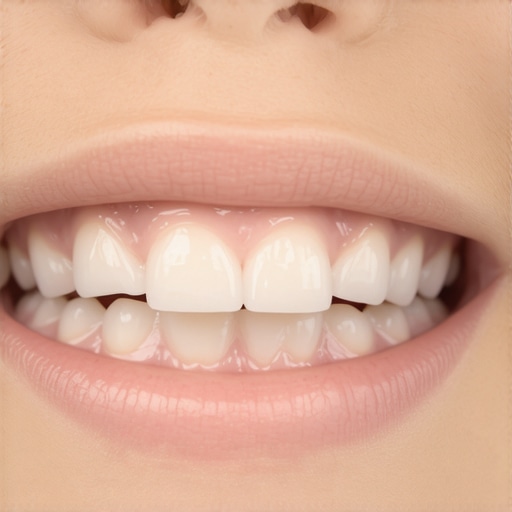
I remember that sinking feeling when my child’s first cavity was discovered. It felt counterintuitive—wasn’t that just a little tooth teething away? Why bother filling something that’s supposedly going to fall out anyway? That was my lightbulb moment, and honestly, a common misconception among many parents I speak to.
What You Didn’t Know About Baby Teeth and Fillings
Babies’ teeth may be temporary, but they play a vital role in your child’s future smile and health.Baby teeth act like placeholders, guiding the eruption of permanent teeth and helping children speak and chew properly. When they develop cavities, leaving them untreated can cause pain, infection, and even impact their permanent teeth’s development. The myth that baby teeth don’t require fillings because they’ll just fall out is just that—a myth. In fact, untreated decay can lead to more serious dental issues later on.Did you know that in early childhood, untreated cavities are linked with increased risk of future decay and misalignment? According to research, children with early dental issues are more likely to develop lifelong oral health problems (source: The Impact of Regular Teeth Cleaning on Overall Oral Wellness). That’s why preventive care, including fillings when needed, set the foundation for healthier smiles down the line.Now, I know what some of you might be thinking—”Isn’t that overkill for a temporary tooth?” or, “Won’t the filling fall out on its own?” These are valid concerns. But skipping fillings isn’t just about immediate discomfort; it can set off a chain reaction leading to more invasive procedures later, which are way more stressful for kids—and parents alike.In this post, I want to shed some light on why addressing cavities in baby teeth is more than just a quick fix. We’ll explore common concerns, what to expect during treatment, and how early dental intervention can save your child’s future smile. Let’s ensure you’re fully equipped with the right knowledge to protect those tiny, yet incredibly important, teeth.
Start with Daily Toothbrushing
Begin by establishing a routine where your child brushes twice daily using a pea-sized amount of fluoride toothpaste. To ensure thorough cleaning, assist or supervise their brushing to reach all surfaces, especially the back molars where cavities often hide. Remember, consistency is key; making it a fun, regular habit helps your child accept brushing as part of their daily routine.
Introduce Age-Appropriate Flossing
As soon as your child’s teeth touch, introduce flossing to remove plaque between teeth. Use gentle, colorful floss picks to make the process engaging. I once demonstrated flossing to a young patient by threading a piece of yarn between two blocks, showing how plaque can build up unseen—making it easier for parents to visualize why flossing matters. Over time, this practice prevents decay in tight spaces.
Limit Sugary Snacks and Drinks
Reduce your child’s intake of sugary foods and beverages, like flavored drinks or fruit snacks, which feed cavity-causing bacteria. Instead, offer water or unsweetened milk. Incorporate healthier alternatives such as crunchy fruits or vegetables, which also help clean teeth naturally. I replaced a bottle of juice with a fun water infuser bottle, and the difference in my child’s oral health became noticeable within weeks.
Schedule Regular Dental Visits
Book biannual check-ups with a family dentist who specializes in pediatric care. Regular cleanings remove plaque that brushing alone may miss and help identify early signs of cavities. During my last visit, the dentist emphasized that professional cleanings are like tuning up a car—they keep everything running smoothly. Don’t wait until there’s pain; early intervention saves discomfort and money.
Consider Protective Sealants
Ask your dentist about applying dental sealants to your child’s molars. These thin plastic coatings act like raincoats for teeth, sealing out food and bacteria. In my experience, sealants are a quick procedure that provides long-lasting protection, especially effective for kids struggling with oral hygiene habits.
Encourage Hydration with Water
Promote drinking plenty of water throughout the day. Water helps wash away food particles and neutralizes acids produced by bacteria. When my niece’s school started a hydration challenge, her dentist noticed a decrease in early signs of decay, illustrating that simple water intake can make a big difference.
Lead by Example
Children learn habits by imitation. Make sure you’re practicing good oral hygiene yourself, showing them the importance of caring for teeth. During family mornings, I made a game of brushing together, turning routine into a bonding moment which naturally motivated my kids to brush thoroughly.
Many people believe that regular teeth cleaning is just about keeping breath fresh, but in reality, it plays a crucial role in preventing systemic health issues, such as heart disease and diabetes, as highlighted in recent studies (source). Conversely, a common misconception is that family dentistry focuses solely on children; however, comprehensive family dental care addresses all ages, emphasizing preventive measures to ensure lifelong oral health (more info). When it comes to restorative procedures like crowns, some assume they are purely cosmetic, but they actually restore function, protect damaged teeth, and can improve overall oral health (learn more). An often-overlooked nuance is that teeth cleaning shouldn’t be limited to the dentist’s office; effective home practices—like proper brushing and flossing—are vital for maintaining benefits and preventing wasteful expenses on unnecessary treatments. However, many still fall into the trap of overbrushing or using abrasive toothpaste, which can wear down enamel — a common advanced mistake that can be avoided with professional guidance (see tips here).**Why Do Many Beliefs About Dental Care Fail to Hold Up?** It’s intriguing how myths persist despite mounting scientific evidence. For example, the myth that baby teeth do not require treatment because they will eventually fall out can lead to delayed care, resulting in more complex problems like misalignment or infections later. The reality is that untreated cavities in primary teeth may cause pain, infections, and interfere with speech development (source). Furthermore, some assume that crowns are only for cosmetic enhancement, but their durability and ability to restore biting function are often underestimated. Incorporating crowns properly can significantly improve a child’s comfort and functionality, especially when dealing with extensive decay (read more).**The Oops Factor: When Dental Fluorosis Happens** An important warning is that excessive fluoride exposure, especially in young children, can lead to dental fluorosis, which causes white spots or streaks on teeth. While fluoride is beneficial in preventing decay, its overuse can compromise enamel quality. The key is proper application—with professional guidance—highlighting the importance of seeking expert advice rather than relying solely on over-the-counter products (more details).Maintaining optimal oral health over time requires more than just regular brushing and check-ups; it involves using the right tools and implementing proven methods that ensure long-term results. One essential tool I personally rely on is the high-frequency electric toothbrush, specifically models like the Phillips Sonicare ExpertClean. Its sonic vibrations effectively disrupt plaque beyond what manual brushing can achieve, especially on hard-to-reach molars. I recommend pairing it with an intelligent timer and pressure sensor to prevent overbrushing, which can wear down enamel over time. Additionally, investing in water flossers such as the Waterpik Ultra helps clean interdental spaces more thoroughly, reducing the risk of cavities and periodontal issues. Consistent use of flossers combined with fluoride mouth rinses can significantly boost your defenses against decay.
How do I maintain my dental tools over time?
Proper maintenance is crucial. Regularly replace your toothbrush head every three months, or sooner if bristles fray, to maintain cleaning efficiency (see here). Clean your water flosser tank weekly with mild soap and warm water to prevent bacteria buildup. Keep your electric toothbrush charging base clean and free from dust. I also suggest periodically disassembling and rinsing these devices thoroughly, according to manufacturer instructions. Using UV sterilizers for your toothbrush and tools can further reduce microbial contamination—something I adopted after reading a study from the Journal of Dental Research emphasizing the importance of sterilization in daily routines (source). As technology advances, expect smarter oral health devices to personalize and optimize cleaning routines, such as toothbrushes that track plaque levels and suggest adjustments in real time. Embracing these innovations now can set you ahead in maintaining a healthy smile for years to come.
To maximize results, I recommend incorporating a professional ultrasonic cleaning session once a year at your dental office. These cleanings remove stubborn tartar that manual methods might miss, further protecting restorative work like crowns (learn more). Staying disciplined with daily tool maintenance and professional evaluations ensures your investment in oral health pays off long-term.
Lessons Few Parents Discover About Baby Teeth and Oral Health
One of the most eye-opening lessons I learned is that early dental care isn’t just about preventing cavities now but building a foundation for lifelong oral health. I once thought that since baby teeth fall out anyway, addressing minor issues was a waste of time—until I saw how untreated cavities led to misaligned permanent teeth and speech problems in older children. The biggest revelation was realizing that preventive measures, like sealants and timely fillings, could save my child from invasive treatments later and preserve their natural smile.
Another lesson was the importance of customizing the approach to each child’s needs. Some kids respond wonderfully to visual aids or gamified brushing routines, while others need more gentle, reassuring guidance. Over time, I found that fostering a positive attitude toward dental visits, coupled with parental modeling, dramatically improved their cooperation and long-term habits.
Lastly, I uncovered that integrating technology—like electric toothbrushes with timers or water flossers—can enhance home care significantly. These tools aren’t just gadgets but investments in your child’s confidence and health, making daily routines more effective and less burdensome.
Tools That Changed My Approach to Family Dental Care
My trusted arsenal includes the Sonicare ExpertClean toothbrush, which I chose for its superior plaque disruption and gentle brush action. Pairing it with a high-quality water flosser like Waterpik Ultra has made interdental cleaning easier, especially for younger children learning to handle floss. I also follow expert-recommended fluoride rinses for extra protection, always ensuring they are used appropriately to avoid fluorosis.
In addition, I recommend reading about crowns and restorations to understand their role in extending the lifespan of our children’s dental health. Regular professional cleanings with ultrasonic equipment help keep tartar at bay and catch potential issues early, which is crucial for maintaining crowns and preventing systemic health problems.
I also turn to reputable sources like effective home practices to stay updated on the latest habits that protect our family’s smiles, making sure our routines evolve with new research and innovations.
Keeping Oral Health a Priority, One Step at a Time
Your journey toward optimal family oral health is ongoing, but the rewards are priceless. Making informed choices about dental tools, preventive care, and education not only preserves your child’s smile but also fosters lifelong confidence and well-being.
What are your biggest challenges when it comes to maintaining your family’s oral health? Share your experiences below, and let’s support each other in creating healthier, happier smiles for all.