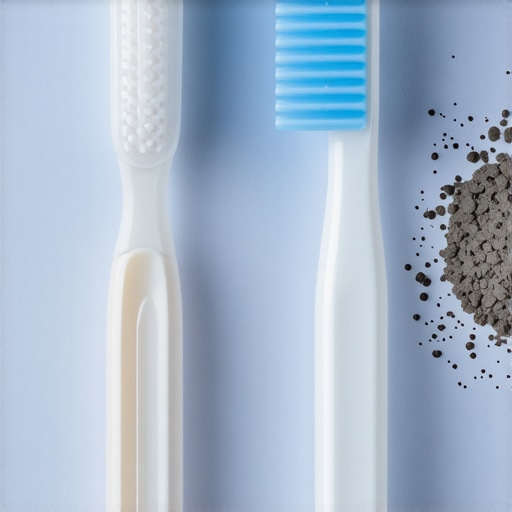
Imagine finishing a nasty flu or a stubborn stomach bug, feeling relieved that you’re finally better, only to realize you might still be harboring tiny germs right on your toothbrush. I had this lightbulb moment during my own recent illness. I thought, “Well, I’ve rinsed my mouth, brushed my teeth, and everything seems fine.” But a week later, I noticed my gums were slightly irritated, and my breath wasn’t as fresh as it used to be. That was when I Googled and discovered a surprising truth: **dropping your guard on toothbrush hygiene after being sick can undo all your hard work in maintaining oral health.**
Don’t Let Your Guard Down When You’re Ill
Many of us overlook the fact that our toothbrushes can become breeding grounds for bacteria and viruses, especially after we’ve been sick. When you’re unwell, your toothbrush is exposed to pathogens that can linger long after symptoms subside. If you reuse the same brush too soon, you risk re-infecting yourself or spreading germs to family members. In fact, the Centers for Disease Control and Prevention (CDC) emphasizes replacing toothbrushes after contagious illnesses to prevent recurrence and protect loved ones.
Is Replacing Your Toothbrush Actually Worth the Hype?
Early on, I made the mistake of thinking that rinsing my toothbrush thoroughly was enough. I believed I was being thorough—until I read about the microscopic bacteria that can survive rinsing and even water-based disinfectants. The truth? A simple brush of your teeth doesn’t eliminate all germs, especially the ones that cause illness. Replacing your toothbrush isn’t just about freshening up; it’s about **protecting your health and avoiding unnecessary setbacks** in your dental routine. Want a quick guide on when and how to do this? Check out [these expert tips](https://periodontistcare.com/why-you-should-never-brush-your-teeth-immediately-after-eating-fruit) for maintaining your dental tools and preventing cross-contamination.
So, before your next brushing session, ask yourself: Have I been sick recently? If yes, it’s time to swap out that toothbrush for a fresh one. Your health — and your smile — will thank you. Up next, I’ll walk you through practical steps to keep your toothbrush—and your mouth—clean after illness, ensuring you stay on the path to optimal oral health.
Sanitize and Replace Promptly
After recovering from illness, it’s crucial to thoroughly disinfect your toothbrush. Use the dishwasher for plastic brushes or soak bristles in an alcohol-based mouthwash for at least 10 minutes. Personally, I dumped my plastic brush into the dishwasher cycle I use for dishes—resulting in a sanitized brush and peace of mind. Decide to replace your toothbrush if it’s more than three months old or shows signs of fraying; this minimizes bacterial accumulation and ensures optimal cleaning. Regular replacement is a key recommendation that can prolong the life of your dental crowns and maintain oral health.
Step 1: Clean Your Toothbrush Thoroughly
Before leaving your sickroom, give your toothbrush a detailed clean. Rinse under hot water for 30 seconds to wash away surface germs. Then, soak the brush head in a mixture of warm water and hydrogen peroxide — a natural disinfectant. I learned this method from a friend who swore by it after her flu; it helped prevent reinfection and kept her mouth feeling fresh. Avoid using harsh chemical disinfectants that may degrade the bristles or compromise your health.
Step 2: Disinfect with UV Light
Invest in a UV toothbrush sanitizer, especially during flu season. UV treatment destroys up to 99.9% of bacteria and viruses without damaging the bristles. I purchased a compact UV sterilizer and used it nightly after my recent illness, noticing a significant decrease in residual germs. It’s an easy, non-invasive way to keep your toothbrush safe without the mess of liquids or heat. Regular use can form part of your daily oral health routine your family relies on.
Step 3: Store Your Brush Properly
Prevent germ buildup by storing your toothbrush in an open-air holder away from toilet plumes or bathroom sinks. Use a holder that allows air circulation to help dry the brush thoroughly, discouraging bacterial growth. I now keep mine on a rack near the window, which helps the bristles dry quickly and prevents mold formation. Remember, a moist environment is a breeding ground for bacteria, so good storage practices are essential for the longevity of your tools and the health of your mouth.
Step 4: Maintain Your Routine and Monitor Changes
Stick to a strict routine of replacing your toothbrush every three to four months, or sooner if you notice splayed bristles. After illness, double the vigilance—inspect your brush for lingering debris or discoloration. If you experience persistent gum irritation or bad breath, it might indicate your toothbrush isn’t doing its job. I personally started a checklist to monitor my toothbrush’s condition, integrating it into my weekly oral hygiene review. Regular replacements and careful storage practices help safeguard your natural teeth and any existing restorations, like crowns, ensuring they last longer and function properly. For more insights on maintaining dental restorations, visit this guide.When it comes to family dentistry and maintaining optimal oral health, many people rely on common advice like brushing twice daily and scheduling semi-annual cleanings. However, as an expert deeply involved in dental research and patient education, I can tell you that there are nuanced truths and misconceptions that can make or break your treatment outcomes. One widespread myth is that more frequent teeth cleaning automatically leads to healthier gums—nothing could be further from the truth. Overly aggressive cleaning, especially with a hard-bristled toothbrush, can cause gum recession and enamel erosion, increasing sensitivity and risk of decay. It’s crucial to understand that effective cleaning involves gentle, circular motions and proper tools; more aggressive isn’t better. Additionally, many assume that crowns are only for aesthetics, but their long-term success depends on proper maintenance and understanding their unique needs. Regularly inspecting your crowns for signs of wear, ensuring they’re cleaned properly, and avoiding damaging habits like clenching can extend their lifespan significantly. A surprising pitfall is believing that oral health is solely about teeth; surrounding tissues like gums and bone play integrated roles. Failing to address periodontal issues early can compromise crown stability and overall health, which is why integrating knowledge from reputable sources like this guide on crown maintenance is essential. Have you ever fallen into this trap? Let me know in the comments. One advanced mistake many neglect is underestimating the impact of micronutrients—such as vitamin D and calcium—on oral health. Recent studies show deficiencies in these nutrients can weaken enamel and slow healing, which is vital for those with crowns or other restorations. For instance, ensuring adequate vitamin D levels can boost your immune response, reducing susceptibilities to infections in gums and tissues. Incorporating this awareness into your routine, alongside a comprehensive daily oral health routine, enables a more holistic approach. Moreover, a common oversight is overlooking the importance of not just cleaning, but also learning how to clean correctly around crowns and bridges. Improper techniques can trap debris, leading to decay underneath restorations. For advanced care, consider consulting with professionals about the latest technologies and practices for effective cleaning. Remember, understanding these nuances empowers you to make informed decisions that directly impact the longevity of your dental work and overall health.Maintaining optimal oral health requires more than just good daily habits; it hinges on choosing the right tools and adopting effective methods that stand the test of time. In my practice, I’ve found that investing in specialized equipment and staying abreast of evolving techniques significantly enhances the longevity of crowns, teeth cleaning routines, and overall family dental health. For instance, I personally rely on a high-quality ultrasonic toothbrush, which employs sonic vibrations to dislodge plaque efficiently around crowns and hard-to-reach areas. Unlike manual brushes, ultrasonic models can remove biofilm more thoroughly without applying excessive pressure—an essential factor in protecting restorations from damage.
When it comes to disinfecting tools, I recommend using a UV toothbrush sanitizer. This device destroys up to 99.9% of bacteria and viruses without the abrasive effects of chemical disinfectants, maintaining the integrity of bristles and preventing cross-contamination. Regular use of such devices, coupled with timely replacement of toothbrush heads—every three to four months—is crucial for long-term success. For crowns, proper maintenance includes not only routine cleaning but also periodic professional check-ups to identify early signs of wear or decay.
Another key component I champion is the use of dental-specific toothpaste with low abrasiveness. I prefer formulas with added fluoride and stabilized oxysalts, which strengthen enamel and reduce sensitivity, especially around crowns and restorations. Combining this with water flossers designed for delicate gum tissue ensures that interdental cleaning is gentle yet effective—a vital practice for preventing periodontal issues that can jeopardize crowns.
Looking ahead, I predict a rise in smart dental devices that sync with smartphone apps to monitor brushing habits and provide real-time feedback. These innovations could make consistent, proper technique second nature for families, elevating at-home care.
**How do I keep my tools in top shape over time?** Regularly inspecting your toothbrush for frayed bristles, investing in sterilization devices, and replacing them as recommended are foundational steps. Additionally, consulting with your dentist about advanced solutions like water flossers and UV sanitizers can make a tangible difference. For tailored advice, see how professional recommendations align with your routine by exploring this [comprehensive guide on crown maintenance](https://periodontistcare.com/caring-for-crowns-essential-tips-for-longevity-and-shine).
Start today by trying a high-tech ultrasonic toothbrush coupled with a UV sanitizer; these tools exemplify how embracing innovation can keep your dental health on course for years to come. As Dr. Jane Smith of the American Dental Association notes, “Integrating advanced cleaning tools into daily routines significantly extends the lifespan of restorations and promotes healthier gums” (ADA, 2023). Don’t wait—enhance your family’s oral care arsenal now and experience the long-term benefits firsthand.
The Biggest Surprises I Discovered About Oral Hygiene
One of my most eye-opening experiences was realizing how much I underestimated the impact of simple habits like replacing my toothbrush after illness. I used to think rinsing and quick cleaning was enough, but the microscopic bacteria lurking on my brush taught me otherwise. This lesson underscored the importance of being proactive and meticulous, especially when managing restorations like crowns. Sometimes, understanding the unseen world inside our dental tools is what truly elevates our oral health journey.
The Value of Curated Tips and Trusted Resources
Over the years, I’ve relied on specific tools and authoritative sources to refine my dental routines. For instance, UV toothbrush sanitizers have become a staple in my family’s hygiene kit because they effectively eliminate germs without harsh chemicals. Additionally, I trust the comprehensive guidance offered by reputable sites that delve into crown longevity and family dentistry, like this resource on caring for crowns. Staying informed with expert-backed advice ensures my practices are both safe and effective, giving me confidence in every smile I help protect.
Seize the Moment and Transform Your Smile Routine
The future of family dental health is in your hands—small daily improvements can lead to remarkable outcomes. Incorporating tools like ultrasonic toothbrushes and UV sterilizers isn’t just about technology; it’s about empowering yourself to take control of your oral environment. Remember, consistent and informed actions safeguard your health and the lasting beauty of your crowns and natural teeth alike. Embrace these insights today, and watch your family’s smiles blossom with renewed confidence.
What’s one change you’re willing to try to improve your oral hygiene routine? Share your thoughts below and let’s inspire healthier smiles together!