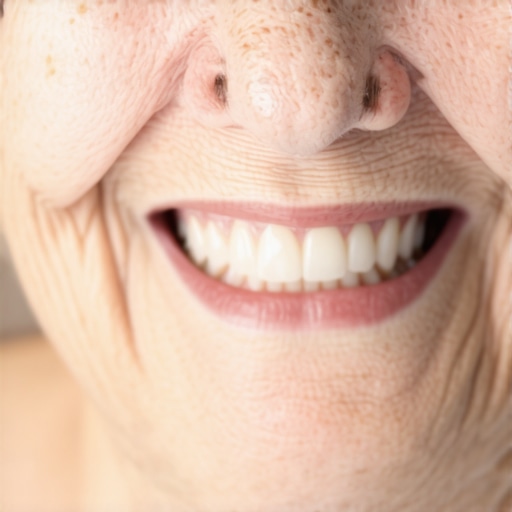
It hit me during a morning mirror moment, toothbrush in hand, when I caught that unsettling reflection – my teeth, once bright and lively, had taken on a dull, darker shade. I remember feeling a twinge of worry, wondering if aging was silently staining my smile beyond repair. Teeth discoloration as we grow older isn’t just about losing that youthful sparkle; it can affect our confidence, how we feel about ourselves, and even our social interactions.
Understanding Why Your Teeth Darken Over Time
As I delved into this topic, I discovered that aging triggers a natural process affecting the enamel, the outermost layer of our teeth. Over the years, our enamel becomes thinner and more translucent, revealing the darker dentin beneath. Additionally, accumulated stains from foods, beverages, and habits like smoking embed themselves into the tiny pores of the enamel. I made the mistake early on of neglecting regular cleanings, thinking brushing alone was enough. That oversight cost me in the long run, and I learned the hard way how crucial professional care is.
Did you know that according to recent studies, the enamel’s mineral content decreases with age, making teeth more porous and prone to staining? This loss not only dulls appearance but also increases sensitivity.
The worry is real, and I understand if you’re skeptical, thinking, “Is whitening really effective at this stage?” Well, I found that with the right approach, some of that darker, dull appearance can be reversed or at least significantly improved. We’re going to explore practical ways to restore your smile’s brightness that worked for me and countless others.
Ready to uncover simple but effective steps to brighten that aging smile? Let’s dive into what you might be missing and how you can regain that youthful glow.
Is It Really Worth Trying to Whiten My Darkened Teeth?
I used to believe that once teeth darken with age, they’re doomed forever. My mistake was assuming that professional whitening or home remedies wouldn’t make much difference. Early on, I also ignored the importance of regular professional cleanings, which can prevent much of the staining and discoloration. Instead, I would just brush more vigorously, which often damaged my gums and didn’t improve the darkness.
Looking back, I realize that trusting in quick fixes without proper guidance was misguided. Effective teeth whitening requires a tailored approach, often combining professional treatments and good daily habits. If you’ve faced similar doubts or laziness, remember that a brighter smile isn’t just aesthetic; it boosts your self-esteem and can even be a sign of better overall oral health.
In this post, I’ll share practical tips and habits—backed by experts—that’ll help you brighten your aging teeth and feel confident about your reflection again. Stay tuned, because the journey to a luminous smile is simpler than you think.
Master Your Daily Oral Hygiene Routine
Start by brushing twice daily with a soft-bristled toothbrush—hard brushes can erode enamel, making stains more noticeable. Use a fluoride toothpaste that targets enamel strengthening and stain removal. I once experimented with brushing in circular motions for two minutes; the mess was real, with foam everywhere, but the result was noticeably cleaner teeth and less staining over time. Consistent brushing reduces plaque buildup, which attracts stains, keeping your teeth naturally brighter.
Incorporate Proper Flossing and Tongue Cleaning
Flossing daily removes food particles and plaque from between teeth where brushes can’t reach. Clean your tongue with a scraper or brush to reduce bacteria that cause discoloration. I neglected this for weeks, leading to a coated tongue and dull teeth. After I integrated tongue scraping into my routine, my breath improved and teeth looked visibly whiter. Think of flossing and tongue cleaning as the foundation of your dental fortress—if neglected, stains and bacteria can accumulate and dull your smile.
Schedule Regular Professional Cleanings
Visiting your dentist or hygienist every six months ensures plaque, tartar, and surface stains are professionally removed—something home routines can’t fully achieve. During my first professional cleaning, the hygienist used ultrasonic scalers that broke down stubborn tartar, revealing a brighter surface beneath. Regular cleanings not only improve appearance but also prevent deeper issues like gum disease, which can cause discoloration beyond surface stains. Maintaining this habit is like giving your teeth a fresh start regularly.
Use Whitening Products Wisely
Over-the-counter whitening toothpaste and strips can help, but they work best when your teeth are clean and free of plaque. Apply whitening gel or strips carefully, following manufacturer instructions. I once tried a whitening strip that caused temporary sensitivity; it was a wake-up call to consult my dentist for personalized options like professional-grade whitening or laser treatments. Remember, whitening solutions target surface stains but won’t change the natural color of dentin or address underlying issues, so always use them cautiously.
Adjust Your Diet and Habits
Limit coffee, tea, red wine, and dark-colored foods that stain teeth. Straw usage can minimize direct contact with staining liquids. I started using a straw for my coffee, which surprisingly reduced staining around my front teeth. Also, avoid smoking, as nicotine stains teeth and contributes to dullness. Drinking plenty of water after meals helps wash away residual stain-causing substances. Think of your diet as the paintbrush that can either color or brighten your smile—choose wisely.
Opt for Restorative Measures When Necessary
If discoloration persists or you have dental restorations like crowns or veneers, consult your dentist about cosmetic procedures. Crowns can stain or darken over time, but treatments like replacement or whitening of adjacent teeth can enhance overall brightness. I learned that maintaining crowns with special cleaning protocols and understanding their material properties can make a visible difference. Proper care for restorations ensures they remain a seamless part of your rejuvenated smile.
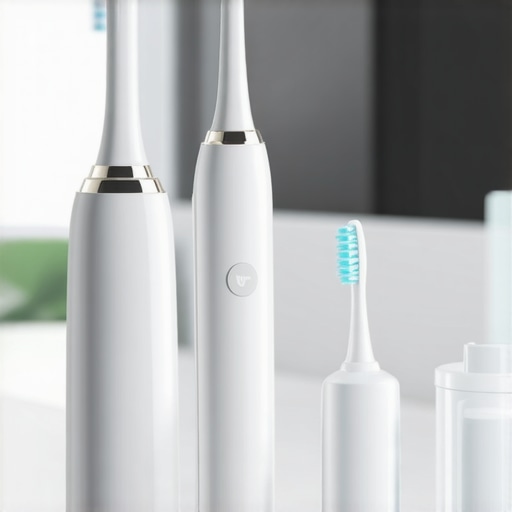
Many people assume that brushing diligently and using whitening products automatically mean they’re maintaining optimal oral health, but the truth is more nuanced. A widespread myth is that regular whitening or superficial cleanings alone can stave off periodontal disease or keep crowns looking perfect forever. In reality, plaque buildup beneath the gumline and improper brushing techniques often go unnoticed, leading to hidden decay and gum issues that professional deep cleanings detect early. Moreover, over-the-counter whitening kits are frequently overused or misused by those unaware of underlying sensitivities, causing enamel erosion or increased tooth sensitivity. Advanced mistakes also include neglecting the importance of proper flossing techniques—simply slipping floss between teeth doesn’t suffice; proper flossing involves careful, gentle movement to remove bacteria effectively without damaging gums. If you’re curious about how to truly upgrade your dental routine, consider consulting a specialist or reviewing resources like these oral health tips.Maintaining your dental health long-term requires the right tools and a strategic approach. I rely on a few specific pieces of equipment that have transformed my routine from basic to professional-grade, helping me preserve not only my teeth but also the longevity of dental restorations like crowns. One essential investment is an electric toothbrush with a oscillating-rotating motion, such as the Philips Sonicare series. These brushes deliver consistent power that cleans deeper than manual brushing, effectively removing plaque and surface stains, which is crucial for aging teeth and restorations. I personally prefer models with timer features and multiple intensity settings, allowing me to customize the experience for sensitive areas or heavily stained regions.
Another key tool I recommend is a water flosser, like the Waterpik Aquarius. Unlike traditional floss, water flossers can reach areas between teeth and around crowns or bridges with ease. I find they especially helpful if you have dental work that complicates traditional flossing or limited manual dexterity. Regular use dramatically reduces plaque buildup and prevents staining, supporting overall oral health.
Beyond these physical tools, software plays a role in tracking and improving oral hygiene habits. Apps like Dental Monitoring or even simple reminder apps can schedule your routine cleanings, remind you of replacing your toothbrush every three months, or alert you when it’s time for a professional check-up. Consistency is key, and these digital tools help me stay accountable.
Predicting future trends, I see a rising integration of smart technology—such as AI-powered toothbrushes that analyze your brushing patterns and provide real-time feedback. These innovations promise to personalize and improve home care, especially for those with complex needs like crowns or gum disease risk.
**How do I maintain my tools over time?** Regular replacement and cleaning are vital. Electric toothbrush heads should be replaced every three months or sooner if the bristles fray. Water flossers require descaling with vinegar or specialized cleaners monthly to prevent mold and bacteria buildup. Keeping these tools clean ensures they work effectively and last longer.
Investing in quality tools is just part of the equation. Paired with regular professional cleanings—something I highly recommend doing at least twice a year—you’ll maintain your oral health effectively. Professional cleanings remove plaque and tartar beyond home reach and examine your restorations, providing early detection of potential issues that could compromise crowns or natural teeth. For comprehensive insights, check out this article on professional cleanings.
As dental technology advances, so too will our ability to maintain healthier, brighter smiles with less effort. In the meantime, I urge you to try integrating a high-quality water flosser into your daily routine—it’s a game changer for those with crowns or sensitive gums. Regularly cleaning and maintaining your tools will ensure they deliver optimal performance over time, securing your investment in oral health for years to come.
What Lightbulb Moments Transformed My Dental Journey
One of the most profound lessons I learned is that even after years of neglect or mishandling, your smile can still shine brightly with the right care. I realized that consistent, personalized routines beat quick fixes every time, and understanding the unique needs of aging teeth prevented me from unnecessary procedures. Additionally, I discovered that investing in quality tools and staying informed about new technology can drastically prolong the health and appearance of my teeth.
My Favorite Resources for Sustained Smile Confidence
Over the years, I’ve come to rely on trusted dental professionals who focus on family dentistry and crowns, such as these effective home practices. Books like “Smile Beyond Age” opened my eyes to advanced cosmetic techniques, while technology reviews on lasting results with crowns helped me choose the best options. Regularly visiting reputable sources keeps me motivated and proactive about my dental health.
Getting Inspired to Keep Your Smile Radiant
Remember, your journey toward a healthier, brighter smile is uniquely yours—embrace it with confidence. Small daily habits, like mindful brushing and diet adjustments, make a big difference over time. There’s no reason to shy away from seeking professional advice; your future self will thank you. Take the first step today, and let your smile become your favorite feature again. If you’ve ever hesitated on trying new products or routines, share your experiences below—your story might just inspire someone else to take action.