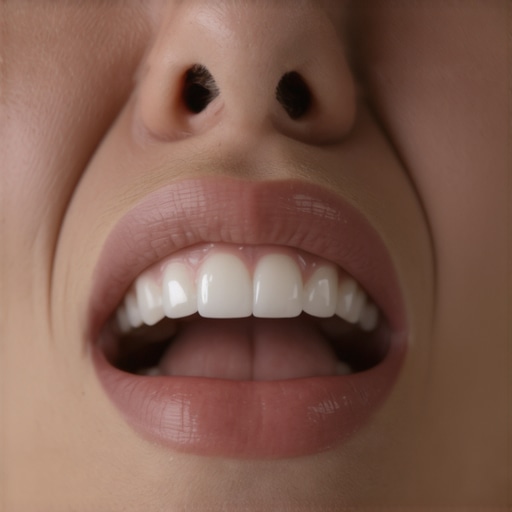
Have you ever stepped outside on a chilly morning, only to wince as a sudden burst of cold air makes your teeth feel sharp and almost painfully sensitive? That uncomfortable jolt when you breathe in cold air isn’t just annoying—it’s a sign that something might be off with your dental health. For me, that lightbulb moment came unexpectedly. I was enjoying a brisk walk, and each gust left me clutching my jaw, wondering why my teeth reacted so strongly. It was a wake-up call that I needed to pay closer attention to my oral health.
Understanding Why Cold Air Triggers Tooth Sensitivity
This phenomenon is more common than many realize. When your teeth feel sensitive during cold air exposure, it’s often because the enamel—the hard protective outer layer of your teeth—is compromised. This protective barrier keeps harmful stimuli like cold, heat, or sweet foods from reaching the nerve inside your tooth. Once it’s weakened or damaged, the nerves become exposed, making even a breath of cold air feel like a jolt of electricity.
Several factors contribute to this sensitivity. Gum recession, enamel erosion from acidic foods, aggressive brushing, or even old dental work like crowns can expose those nerve endings. If you’re experiencing this sensation regularly, it might be time to investigate further. Trust me, ignoring it only leads to more discomfort and potential dental issues down the road.
Is This Sensitivity Actually Worth the Hype?
Early in my own journey, I made the mistake of brushing my teeth with a hard-bristled brush and using overly abrasive toothpaste, thinking I was cleaning more thoroughly. That seemed to worsen my sensitivity, just as experts warn. It’s crucial to understand that not all teeth sensitivities are routine; some indicate underlying problems that need professional attention. So, if you’ve brushed off cold air sensitivity as just a minor nuisance, think again—your teeth might be telling you something serious.
According to research, nearly 45 million Americans suffer from tooth sensitivity, and many are unaware that it can lead to more severe dental problems if left untreated. Addressing this early can save you discomfort and costly dental repairs in the future. That’s why today, I’ll help you understand the root causes and share simple, effective ways to soothe your nerves and protect your smile. Ready to stop the pain and regain your confidence? Let’s dive into practical solutions that really work.
Master Your Daily Oral Hygiene Practices
Stick to Gentle Brushing Techniques
I remember the first time I switched to using a soft-bristled brush; the difference was immediate. Hard brushes can wear down enamel and cause gum recession, exposing nerve endings that trigger sensitivity. Use gentle circular motions, avoiding excessive pressure, much like massaging your gums rather than scraping them forcefully. Regularly replacing your toothbrush every three months ensures the bristles remain effective. For a comprehensive routine, incorporate these tips from [teeth cleaning secrets](https://periodontistcare.com/teeth-cleaning-secrets-effective-home-practices-for-family-dental-health) to maintain optimal oral health and prevent enamel erosion.
Use the Right Toothpaste for Sensitive Teeth
Select Desensitizing Formulas
Opt for toothpaste formulated specifically for sensitivity, containing compounds like potassium nitrate or stannous fluoride. These ingredients work by blocking nerve pathways or strengthening enamel. When I started using a desensitizing toothpaste, I noticed a significant decrease in my reaction to cold air. Be consistent—using it twice daily during your routine can build up a protective effect. Check out [oral health tips](https://periodontistcare.com/oral-health-routine-strengthening-your-smile-every-day) for more ways to fortify your teeth against sensitivity.
Protect Your Enamel During Acidic Flare-Ups
Limit Acidic Food and Beverages
Acidic foods like citrus fruits, soda, and wine can erode enamel over time. I learned this the hard way when I increased my intake of orange juice; my teeth became more sensitive. To combat this, rinse your mouth with plain water after consuming acidic items, and wait at least 30 minutes before brushing to avoid abrading softened enamel. Implementing these small steps can make a big difference, as outlined in [enamel protection tips](https://periodontistcare.com/how-to-protect-your-enamel-if-you-suffer-from-acid-reflux).
Schedule Regular Professional Cleanings and Check-Ups
Keep Enamel Strong and Nerve Endings Protected
One of the most effective measures is maintaining routine professional cleanings. They remove plaque and tartar that can contribute to enamel erosion and gum recession, revealing sensitive areas. During my own appointments, I asked my hygienist about gentle cleaning methods, which proved beneficial. Regular visits not only help identify early signs of sensitivity but also allow your dentist to recommend personalized treatments. For more insights, review [family dentistry services](https://periodontistcare.com/family-dentistry-focus-building-a-lifetime-of-healthy-smiles). This proactive approach can prevent cold air from becoming an unbearable trigger.
Consider Advanced Dental Solutions
Address Exposed Nerve Endings and Damaged Enamel
If sensitivity persists despite at-home efforts, professional treatments may be necessary. Dental bonding, for instance, can seal exposed areas, much like patching a leak in a pipe. Alternatively, applying fluoride varnishes during visits strengthens enamel and reduces sensitivity. For those with damaged crowns or fillings, regular check-ups ensure they are intact and functioning properly. I once had a crown that cracked, leading to increased sensitivity; timely intervention restored comfort. To explore options tailored to your needs, see [caring for crowns](https://periodontistcare.com/caring-for-crowns-essential-tips-for-longevity-and-shine) for longevity and protection.Many people believe that a routine cleaning once a year is enough to keep their teeth healthy, but in reality, **regular professional cleanings** are crucial for maintaining optimal oral wellness. According to a study published in the Journal of Dental Research, consistent cleanings significantly reduce the risk of gum disease and cavities, surpassing the benefits of DIY efforts alone. Additionally, it’s a common misconception that all dental crowns are the same, when in fact, choosing the right material and ensuring proper placement are essential for longevity. Poorly fitted crowns can lead to decay, discomfort, and even further oral complications, so always adhere to your dentist’s guidance and check out [maintaining your dental crowns](https://periodontistcare.com/maintaining-your-dental-crowns-dos-and-donts-for-best-results) for expert tips.
A typical mistake many make involves the belief that if their gums bleed during brushing, it’s harmless or normal. In fact, bleeding gums are often a sign of underlying inflammation or gum disease, which, if left untreated, can threaten your overall health. Regular flossing, proper brushing techniques, and professional assessments are vital to address this issue early. For a comprehensive understanding, see [oral health tips for families](https://periodontistcare.com/oral-health-tips-every-family-should-follow-in-2025).
When it comes to teeth whitening, many think that over-the-counter products are just as effective as professional treatments. But in my experience, and supported by dental research, DIY whitening can sometimes cause enamel erosion or sensitivity if not properly managed. A safer, more effective approach involves consulting your dentist to explore options that suit your enamel condition and goals. Learn more about safe whitening methods at [what dental experts recommend](https://periodontistcare.com/expert-advice-on-crowns-and-teeth-cleaning-for-lasting-results).
The Maintaining your oral health over time requires more than just good habits—it involves the right tools that stand up to daily wear and tear. I personally rely on an electric toothbrush, specifically the Philips Sonicare DiamondClean, because its sonic vibration technology effectively cleans deep between teeth and along the gumline without damaging enamel. Unlike manual brushes, it provides consistent pressure, reducing the risk of gum recession or enamel wear—crucial factors in preventing sensitivity and extending the lifespan of dental restorations like crowns. For my own routine, I supplement this with a water flosser, such as the Waterpik Aquarius, which makes flossing between resistant tight contacts effortless and promotes healthier gums. These tools have proven to significantly reduce plaque buildup, which research links directly to improved long-term dental stability.
Investing in quality tools isn’t just about efficacy—it’s about peace of mind that your daily routine supports aesthetics and functionality. As dental technology advances, devices equipped with AI features—like personalized brushing modes—are becoming more accessible, promising even better maintenance over the next decade.
How do I maintain my crowns and prevent long-term issues? Regular check-ups are essential, but the tools you use daily matter just as much. I schedule professional cleanings at least twice a year to remove tartar buildup, which you can learn about in detail through [the impact of regular teeth cleaning](https://periodontistcare.com/the-impact-of-regular-teeth-cleaning-on-overall-oral-wellness). During these visits, my dentist also inspects my crowns for early signs of wear or degradation, issuing timely repairs before problems escalate.
Beyond tools, understanding proper technique is vital. For example, I avoid using abrasive whitening pastes that can damage crowns or enamel. Instead, I opt for gentle, low-abrasion formulas recommended by experts, ensuring longevity and aesthetic appeal. You can dive deeper into how proper routine enhances crown lifespan by visiting [caring for crowns](https://periodontistcare.com/caring-for-crowns-essential-tips-for-longevity-and-shine).
Looking ahead, I predict that innovations like smart toothbrushes connected via apps will personalize oral hygiene even further, helping detect early signs of sensitivity or wear on crowns and real teeth. This trend toward data-driven dental care could revolutionize long-term management, making maintenance more proactive and less reactive.
To start improving your daily routine today, consider investing in a high-quality electric toothbrush, such as the Philips Sonicare DiamondClean. Not only will it elevate your cleaning efficacy, but it also supports protecting your investment in crowns and natural teeth alike. Remember, consistent, proper maintenance extends the life of your dental work and enhances your smile’s health and appearance. For tailored advice, don’t hesitate to reach out through [contact us](https://periodontistcare.com/contact-us).
The Hardest Lesson I Learned About Oral Health, Teeth Cleaning, Crowns, Family Dentistry
One of my biggest realizations was that overlooking subtle signs like cold air sensitivity can lead to more serious problems down the line. I used to dismiss minor discomforts, thinking regular brushing was enough, but I soon learned that personalized care and early intervention are crucial. Paying close attention to changes in my teeth’s responses helped me catch issues before they escalated, saving me time, money, and pain.
3 Myths About Oral Health That Held Me Back
I believed that if my gums weren’t bleeding constantly, my mouth was healthy, but I discovered that bleeding gums are often a red flag for underlying inflammation. Another myth was that expensive treatments are always necessary when sensitivity arises—sometimes, simple adjustments and proper tools suffice. Busting these myths early empowered me to take proactive steps, such as scheduling regular check-ups and using desensitizing toothpaste, which made a real difference.
What Experts Won’t Tell You About Crowns and Family Dentistry
Many overlook how essential regular professional cleanings are in maintaining crown longevity and overall oral health. While at-home routines are vital, getting your teeth professionally cleaned can prevent hidden tartar buildup and identify early signs of crown wear or gum recession. I’ve found that investing in consistent dental visits, combined with advanced tools like water flossers, truly extends the lifespan of dental restorations and keeps my smile vibrant.
My Essential Toolkit for Maintaining Sensitive Teeth and Crowns
My go-to tools include a soft-bristled electric toothbrush, which gently cleans without damaging enamel, and a desensitizing toothpaste with potassium nitrate. I also rely on a water flosser to reach tight spaces and reduce plaque—the invisible enemy of crowns and natural teeth alike. These tools, backed by dental research, have become invaluable in my routine, ensuring I protect my smile day after day.
Where to Go from Here
If you’re serious about overcoming tooth sensitivity and extending your crowns’ life, start with small changes today. Incorporate gentle brushing, switch to desensitizing toothpaste, and schedule your next professional cleaning. For tailored advice, check out the impact of regular teeth cleaning. Remember, consistent care and smart tools are your best allies in preserving a healthy, confident smile for years to come.
Your Turn to Try
Have you ever neglected early signs of sensitivity or dismissed oral discomfort? Share your experiences below—your story might inspire someone else to take that crucial next step in their dental journey.