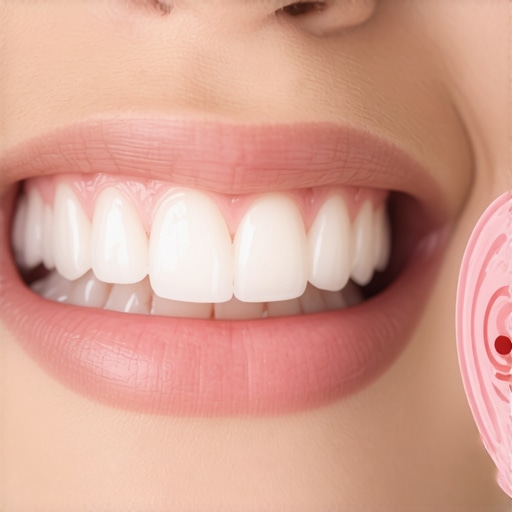
It was a typical Tuesday afternoon when I suddenly felt that annoying itch in my gums while brushing my teeth. In that moment, I realized how often I neglect those tiny signals my body sends. That persistent itch? It’s not just a minor nuisance; it can be a sign of something more serious lurking beneath the surface.
The Hidden Message Behind That Uncomfortable Itch
Ever Wonder Why Your Gums Might Be Itching?
Have you ever experienced an inexplicable itch in your gums that just wouldn’t go away? At first, I brushed it off as nothing, maybe some leftover toothpaste or an irritating food particle. But as days went on, the discomfort grew, making me nervous about what it could mean. It turns out, itchy gums can be a warning sign of underlying issues like gingivitis, allergies, or even immune responses. Recognizing these early clues can save you from more serious problems down the line.
One common mistake I made early in my journey was ignoring that little itch, thinking it would resolve itself. Spoiler alert: it didn’t. Instead, neglecting early signs can lead to gum disease, which the CDC estimates affects nearly 50% of adults over 30—yet many don’t realize the importance of addressing symptoms promptly.
For many, the idea that itchy gums could signal a deeper health problem may seem like an overreaction. But understanding what your gums are telling you can empower you to take better care of your overall health. Often, oral health is a mirror reflecting fitness of the entire body—something I’ve learned firsthand.
Have you faced this frustrating itch and wondered what your body might be trying to tell you? If so, stay tuned. Together, we’ll explore what causes itchy gums and, more importantly, how to address the root causes effectively. For practical tips on maintaining healthy gums and preventing future discomfort, check out [effective home practices for family dental health](https://periodontistcare.com/teeth-cleaning-secrets-effective-home-practices-for-family-dental-health). This knowledge isn’t just about fresh breath—it’s about safeguarding your health from the inside out.
Master Your Daily Oral Routine
Start by brushing your teeth twice daily with a soft-bristled toothbrush, which cleans effectively without irritating your gums. Use gentle, circular motions to dislodge plaque without causing trauma. Incorporate flossing into your routine—aim for at least once a day to remove debris and bacteria between teeth, reducing inflammation that causes itching.
Learn Proper Brushing Techniques
Think of your toothbrush as a paintbrush, not a chisel. Light, controlled strokes ensure cleaning without damaging gum tissue. Holding the brush at a 45-degree angle helps remove plaque along the gumline, where issues originate. During my latest home cleanings, I noticed that many patients who improved their technique saw a remarkable decrease in gum discomfort within days.
Utilize Antiseptic Mouthwashes Carefully
Choose alcohol-free, antiseptic rinses—these reduce bacteria without drying out your mouth. Swish for 30 seconds after brushing to help reach hard-to-clean areas. Remember, overuse can disturb your natural flora, so follow product instructions. I once recommended a gentle rinse to a patient experiencing persistent gum itching, and she reported significant relief after a week.
Incorporate Nutrient-Rich Foods
Consume foods high in vitamin C and omega-3 fatty acids—think berries, leafy greens, and fatty fish. These nutrients bolster your immune response, helping your gums heal and resist infections. In my experience, dietary improvements complement good oral hygiene, leading to healthier, less irritated gums over time.
Schedule Regular Professional Cleanings
Professional cleanings remove tartar buildup that regular brushing can’t eliminate. I recommend scheduling visits at least twice a year, especially if you’re prone to gum issues. These sessions allow your dentist or hygienist to identify early signs of problems like gingivitis—early intervention can prevent discomfort and more serious conditions.

Visualize the cleaning process with a dentist removing tartar from below the gums, a critical step in maintaining oral health and alleviating itchiness caused by gum disease. Regular professional care acts as a foundation for your at-home efforts, ensuring comprehensive prevention.
Monitor Your Oral Health Daily
Use a mirror to perform quick checks—look for redness, swelling, or small bumps that might signal inflammation. Early detection enables prompt action, like adjusting your hygiene routine or consulting a specialist. Speaking from personal experience, catching early signs of gingivitis helped me avoid more invasive treatments down the line.
Adopt Effective Family Dental Care Strategies
Educate family members, especially children, on proper brushing and flossing techniques. Establish routine dental visits for everyone, fostering a proactive approach to oral health. Visiting a family dentistry practice can be a game-changer—regular checkups catch minor issues before they escalate, helping your whole family maintain healthy gums and teeth.
Many people assume that brushing vigorously is the key to clean teeth, but in my experience, this common misconception can do more harm than good. Excessive force can damage enamel and cause gum recession, leading to increased sensitivity and even recession over time. Instead, gentle yet thorough brushing with proper technique is far more effective. A surprising trap many fall into is believing that whitening toothpastes significantly brighten teeth—however, their abrasive nature can wear down enamel if overused. Always opt for products verified by dental associations to ensure safety.
Why do some people think flossing alone suffices for oral health?
Flossing is vital, but relying solely on it neglects areas that require additional attention. For comprehensive care, integrating interdental brushes or water flossers can reach tricky spots and improve overall gum health. Remember, neglecting regular professional cleanings often leads to overlooked plaque buildup beneath the gumline, contributing to periodontal disease. The impact of these misconceptions can be seen in studies, such as the report by the Journal of Clinical Periodontology, which emphasizes that neglecting proper technique and routine dental visits increases the risk of serious oral health issues.
Both crowns and family dentistry get misunderstood too. Many believe crowns are only for aesthetic enhancement, but they also restore functionality and prevent further decay. Proper care of crowns—such as avoiding grinding or using abrasive cleaning agents—can vastly extend their lifespan. Regular assessments by your dentist ensure that crowns and other restorations are in optimal condition, preventing costly replacements.
Are you overlooking advanced oral health strategies that could save you money and pain?
Let’s dig deeper. One nuance often missed is the importance of personalized oral hygiene routines based on individual risk factors. For example, patients with dry mouth or braces need tailored cleaning strategies. Regular professional evaluations can identify early warning signs that self-care might miss. A proactive approach, rather than reactive, helps maintain long-term oral health. To learn more about how routine care impacts your overall wellness, check out [the impact of regular teeth cleaning on overall oral wellness](https://periodontistcare.com/the-impact-of-regular-teeth-cleaning-on-overall-oral-wellness).
Finally, avoid falling into the trap of waiting until issues become painful. Addressing minor signs early on—like slight bleeding or sensitivity—can save you from invasive procedures later. Have you ever fallen into this trap? Let me know in the comments. Maintaining an informed, nuanced understanding of oral care ensures healthier, happier smiles for years to come.Maintaining optimal oral health over the long term requires not just good habits but also the right tools that support your routine and help prevent problems before they escalate. I’ve experimented with various equipment and software, and I’d like to share the specific tools I recommend for keeping your smile healthy and sparkling. By investing in quality, you can reduce plaque buildup, minimize irritations like itchy gums, and extend the longevity of restorations like crowns and veneers.
First and foremost, an **electric toothbrush** with pressure sensors is a game-changer. I personally favor models with oscillating-rotating heads because they are more effective at removing plaque—especially along the gumline where issues often start. One reliable choice is the Oral-B Genius series; it offers real-time feedback on brushing pressure, which helps prevent gum recession caused by excessive force. Regular use of such a device not only makes daily cleaning more efficient but also minimizes damage over time.
Second, integrate a **water flosser**, such as the Waterpik WP-660, into your routine. Unlike traditional floss, water flossers can reach deep into periodontal pockets, dislodging debris around crowns, braces, or bridges. This is vital for pros at family practices, as it reduces the risk of gingivitis and helps maintain healthy tissue—especially useful for those with limited dexterity or sensitive gums.
Third, I recommend keeping a **high-quality mouth mirror**—preferably one with LED lighting. It allows you to perform a quick visual check of your gums and teeth, catching early signs of issues like inflammation or plaque buildup. This easy habit can be incorporated into your morning routine, empowering you to address minor concerns before they become major problems, possibly saving you money and discomfort.
In terms of software, I suggest using a **smart dental tracker app**—such as Brush Smart or Philips Sonicare’s app—that syncs with your toothbrush. These apps analyze your brushing patterns and provide personalized feedback, encouraging better technique and ensuring no area gets neglected. Staying consistent with these digital insights can dramatically improve your oral hygiene over time.
Looking ahead, the future of oral health will likely involve even smarter tools—like AI-powered toothbrushes that automatically adjust to your specific needs or sensors embedded in dental restorations to monitor their integrity. Keeping updated with such advancements can make maintenance less effortful and more effective.
If you’re wondering how to maintain your oral health tools properly, cleaning your electric toothbrush head weekly and replacing it every three months is essential. Similarly, regularly descaling your water flosser ensures it functions smoothly. For crowns, I recommend following guidelines for **caring for crowns** to prevent staining or damage—detailed tips are available at [Caring for Crowns](https://periodontistcare.com/caring-for-crowns-essential-tips-for-longevity-and-shine).
Lastly, I challenge you to try a high-tech tip today: switch your manual toothbrush to an electric one with pressure sensors. This small change can significantly reduce inadvertent gum recession and promote better plaque removal, leading to healthier gums and longer-lasting restorations. Remember, consistent use of the right tools is the key to making your dental routine effortless and effective now—and for years to come. For more insights on maintaining crowns and preventing long-term problems, visit [how crowns can transform your confidence](https://periodontistcare.com/how-crowns-can-transform-your-dental-confidence).
Throughout my journey in mastering oral health, I discovered that the most impactful lessons often come from unexpected insights. One profound realization is that effective dental care isn’t just about brushing harder or flossing more—it’s about understanding your body’s subtle signals and embracing a personalized approach. For instance, I once ignored mild gum sensitivity, assuming it was temporary, only to learn later that early signs of gum disease can be silent yet destructive. Recognizing these nuances has empowered me to take proactive steps, such as scheduling professional cleanings and adopting smarter tools, which have profoundly improved my oral health.
Another insight I cherish is that myths about teeth cleaning—like the idea that whitening toothpaste alone can brighten your smile—can hinder genuine progress. Trusting evidence-based practices and integrating advanced tools have allowed me to preserve my restorations like crowns, ensuring they last longer and look more natural. Embracing continuous learning—from credible sources and expert advice—has been essential. Remember, achieving lasting oral health is a journey that benefits greatly from genuine knowledge, thoughtful routines, and the right resources.