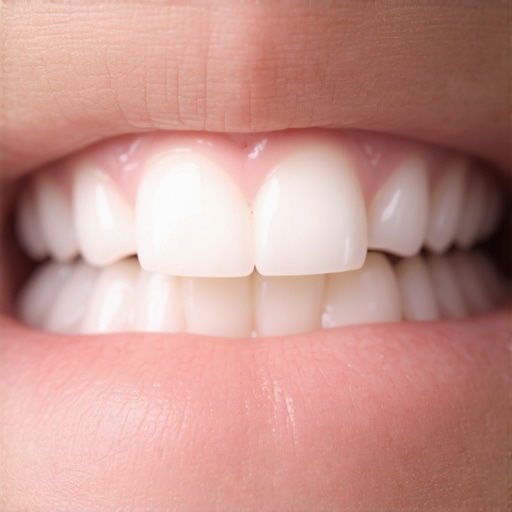
I remember the first time I noticed a tiny black dot lurking on my molar. At first, I dismissed it as a stain, maybe from coffee or some dark berry. But days turned into weeks, and that little speck seemed to grow bolder, more noticeable. It was an unsettling moment — that fleeting thought of ‘Is this something serious?’ creeped into my mind. Like many, I hesitated to seek help, thinking it was probably nothing. But that tiny black spot was a warning sign I couldn’t ignore any longer.
Why Ignoring That Small Spot Could Cost You Big Time
We all have busy lives, and sometimes, a small dental issue seems trivial compared to the rest of our responsibilities. Still, I learned firsthand that neglecting seemingly minor signs can lead to painful, costly problems down the line. That tiny black speck might be just a harmless stain, or it could signal something more sinister like early decay or even the onset of cavities. The key is catching it early, before it transforms into a full-blown dental emergency.
Questioning if a Black Spot Is Really Worth Your Worry?
Early on, I made the mistake of dismissing that small speck as insignificant, assuming it would go away on its own. I was wrong. That oversight almost led me to unnecessary discomfort and expense. It’s easy to convince ourselves that we can ignore tiny issues, but history has shown me that proactive care is always cheaper and less painful. For more insights on preventing dental problems before they escalate, check out expert advice on crowns and teeth cleaning.
Start with a Precise Oral Inspection
Commit to a routine where you examine your mouth weekly using a mirror. Focus on spotting early signs of discoloration, swelling, or unusual spots. My first attempt involved lighting a flashlight and closely scrutinizing my molars, which helped me realize subtle changes I might otherwise overlook. A thorough visual check can catch issues like plaque buildup or early decay before they escalate.
Master Effective Brushing Techniques
Angle and Motion Matter
Hold your toothbrush at a 45-degree angle against the gumline and use gentle circular motions. This approach ensures removing plaque without damaging gum tissue—much like gently polishing a delicate surface. I once experimented by switching to a softer toothbrush because I was brushing too hard, which reduced gum irritation and improved my overall comfort.
Timing and Frequency
Brush at least twice daily for two minutes each session. Use a timer or play a two-minute song to keep track. Consistency prevents plaque from hardening into tartar, which can only be professionally removed. I learned that skipping a session increases the risk of cavities, so I set reminders to stay committed.
Incorporate Flossing into Daily Routine
Flossing reaches areas a toothbrush can’t access, breaking up plaque between teeth. Use about 18 inches of floss, winding it around your fingers, and glide it gently beneath the gumline. I found that daily flossing significantly reduced bleeding gums, indicating healthier tissue. For tricky spots, I tried flavored floss for a more pleasant experience, increasing my adherence.
Use Mouthwash for Extra Defense
Choose an antibacterial or fluoride mouthwash to rinse after brushing and flossing. It helps eliminate residual bacteria and fortify enamel. Incorporating mouthwash was a game-changer for me, especially on days when I felt my oral hygiene was lacking. A good rinse can reach areas that brushing and flossing might miss, providing comprehensive protection.
Prioritize Professional Cleaning and Checkups
Visit your dentist at least twice a year for a professional cleaning. During these visits, ask about polishing and plaque removal techniques that surpass daily efforts. I scheduled my cleanings biannually and noticed fewer cavities and fresher breath. Regular checkups also enable your dentist to spot issues like early cavities or gum disease, much like a car review before a long trip.
Protect Teeth During Daily Activities and Special Events
Limit sugary snacks and acidic drinks, which erode enamel. If unavoidable, rinse your mouth with water afterward. Consider wearing a mouthguard during sports to prevent injury. I started using a guard for basketball games; it prevented painful knocks and preserved my crowns. Being proactive during physical activities offers long-term savings and preserves dental work.
Maintain a Healthy Diet and Hydration
Eating crunchy vegetables and fruits stimulates saliva, which naturally cleanses teeth. Staying hydrated prevents dry mouth, reducing bacteria growth. I integrated carrot sticks and celery into snacks, noticing easier cleaning and fresher breath. Proper nutrition supports overall oral health, reinforcing the benefits of daily care routines.
Stay Educated and Consistent
Review reputable sources like expert advice on crowns and teeth cleaning to adapt your habits. Consistency is key; even the best routine fails if neglected periodically. I set monthly reminders to reassess my routines, which kept my smile healthy and vibrant and avoided costly dental procedures.
Many patients assume they understand the essentials of oral health, but in practice, misconceptions often lead to overlooked nuances. For example, a prevalent myth is that dental crowns are a permanent fix, but without proper maintenance, they can fail prematurely. According to a study published in the Journal of Prosthetic Dentistry, up to 15% of crowns experience complications within five years due to neglect or improper care. Additionally, there’s a misconception that professional cleanings are only necessary if you notice problems, yet routine visits—when combined with daily routines detailed in expert guidance on crowns and teeth cleaning—are critical for preventing subtle issues from escalating. An advanced mistake many overlook is underestimating the importance of device selection, such as opting for hard-bristled brushes, which can wear down enamel over time, contrary to popular belief that they clean better. This is especially relevant when considering the risks of hard toothbrushes. Furthermore, the subtle role of family dentistry is often underestimated; a trusted family dentist doesn’t just perform cleanings but offers comprehensive advice tailored to each age group’s needs, ensuring long-term oral health as emphasized in family-centric dental care. For those curious about more sophisticated issues, a common question is how minor trauma can impact crown longevity—it’s essential to recognize that even small chips or cracks can compromise a crown’s integrity, leading to costly repairs if neglected. Regularly reviewing best practices for crown maintenance can save you money and discomfort later on. Let’s reconsider the belief that oral health is only about brushing and flossing; emerging evidence suggests lifestyle factors like diet and stress significantly influence dental longevity, a point highlighted in studies linked to future-oriented oral health tips. Ultimately, being aware of these nuanced facts and avoiding common pitfalls ensures a more informed, proactive approach to your dental well-being. Have you ever fallen into this trap? Let me know in the comments.
Maintaining your oral health over the long term requires more than routine brushing and flossing; it calls for strategic use of specialized tools and a clear understanding of effective methods. Personally, I rely on a high-quality sonic toothbrush, such as the Philips Sonicare DiamondClean, which effectively disrupts plaque and reaches areas manual brushes often miss. Its multiple cleaning modes and built-in timers ensure I meet the two-minute recommendation, vital for thorough cleaning. Additionally, I incorporate water flossers like the Waterpik Ultra Water Flosser, especially for those hard-to-reach back teeth or for individuals with braces or crowns. This device uses a pressurized water jet to remove debris and plaque without the risk of gum injury associated with traditional flossing.
Beyond tools, I prioritize electronic plaque detectors – handheld devices that fluoresce plaque left on teeth, making it easier to target missed areas. These tools have helped me improve my technique and prevent long-term tartar buildup. As technology advances, I anticipate sensors integrated within toothbrushes capable of analyzing brushing patterns and providing real-time feedback, leading to more personalized oral care routines. Embracing such innovations can significantly enhance your dental maintenance practices.
How do I maintain my dental devices and routines effectively over time?
Regularly replacing toothbrush heads and flossing accessories is crucial to prevent bacterial buildup and ensure optimal cleaning efficiency. I set reminders every three months, aligning with dental recommendations, to swap out these tools. Proper cleaning of devices like water flossers involves disassembling and soaking the nozzles in antibacterial solutions weekly, which I find just as vital as the device itself. Consistent care of your tools translates into better hygiene and longer device lifespan.
Furthermore, integrating advanced methods like guided biofilm therapy, performed professionally, can keep long-term results in check. Routine follow-ups at your family dentist, as outlined in expert advice on crowns and teeth cleaning, complement home routines and help detect emerging issues early. To stay ahead in your oral health journey, consider adopting a comprehensive approach combining the best tools, maintenance habits, and professional guidance.
For example, I recently began using an LED mouthwatcher device to monitor my plaque levels after brushing, which has heightened my awareness and improved my technique. Embracing such innovations can revolutionize your preventative care. So, why not give that sensor-enabled toothbrush or water flosser a try today? It might just be the upgrade your oral health routine needs and set you on a path toward a healthier, brighter smile for years to come.
Three Surprising Lessons That Changed My Approach to Dental Wellness
One crucial lesson I learned was that DIY solutions can’t replace expert care; attempts to handle issues like black spots or chipped crowns at home often lead to bigger problems, stressing the importance of trusting professionals and tools like expert advice on crowns and teeth cleaning. Another insight was recognizing the subtle signs of wear or minor damage—small cracks or discoloration—that, if caught early with regular inspections, could save you significant discomfort and expenses later, reinforcing the value of consistent checkups. Lastly, understanding the impact of diet and stress on your dental health was eye-opening; even the best routine can falter if your lifestyle isn’t aligned with long-term oral health goals. These lessons have transformed my daily habits and appreciation for professional guidance, showing that true oral health involves ongoing education and proactive strategies.