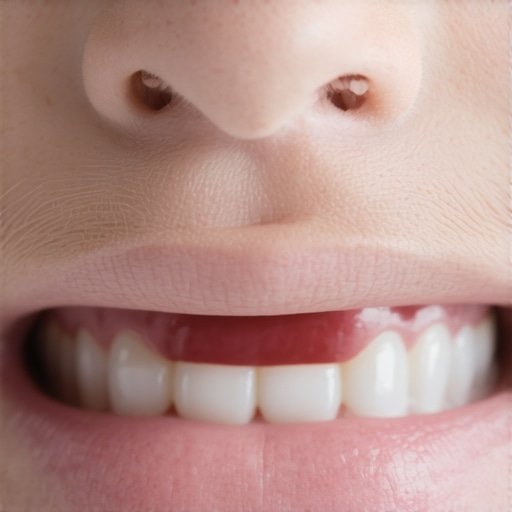
I remember the moment vividly—my child’s smile suddenly looked like a set of giant white tombstones compared to the tiny, sweet smiles I used to cradle. It caught me off guard. Why did those new teeth seem so much larger and more intimidating? It felt like a transformation I wasn’t prepared for, and honestly, I panicked a little. That early shock taught me a crucial lesson about understanding how children’s teeth grow and change.
Unraveling the Mystery of Larger Permanent Teeth
Many parents notice that their child’s permanent teeth look enormous next to the baby teeth, and it can be unsettling. The truth is, it’s a natural part of dental development. As your child’s jaw grows, their adult teeth develop to fill the expanding space, leading to a size increase. This isn’t just random—it’s a strategic process, allowing for proper chewing function and a healthier bite. But why does it seem so dramatic to us?
The key lies in understanding the transition from childhood to adolescence—a period of big changes, literally and figuratively. The first permanent molars and the incisors emerge at different times, often making the adult teeth look disproportionately large. It’s akin to planting a sapling that will eventually mature into a towering tree; right now, it might seem overwhelming, but it’s part of the beautiful growth process.
What surprised me early on was realizing that this size difference is also influenced by the fact that baby teeth are smaller for a reason—they’re designed for the quick, easy bites of a toddler. As your child matures, so does their oral cavity, making room for those larger, more durable permanent teeth.
Recognizing this natural progression can ease fears and help you better support your child’s dental health journey. Speaking of support, maintaining good oral hygiene is vital—regular cleanings and careful care can ensure those larger teeth stay healthy. If you’re interested in learning how to uphold your family’s oral health, check out [The Impact of Regular Teeth Cleaning on Overall Oral Wellness](https://periodontistcare.com/the-impact-of-regular-teeth-cleaning-on-overall-oral-wellness).
Have you ever been surprised by how big your child’s teeth looked? You’re not alone! The more you understand this stage, the more confident you’ll feel about guiding them through it.
Stay tuned as we explore how to ensure your child’s new teeth stay healthy, strong, and beautiful—because proper care makes all the difference. And remember, early mistakes—like neglecting regular check-ups—can lead to more significant issues later. I learned this the hard way when I overlooked some warning signs early on, so don’t make the same mistake. To get started, consider scheduling a professional assessment to monitor their unique growth pattern. For more insights, you might find [Expert Advice on Crowns and Teeth Cleaning for Lasting Results](https://periodontistcare.com/expert-advice-on-crowns-and-teeth-cleaning-for-lasting-results) helpful.
Establish a Consistent Oral Hygiene Routine
Start by setting a specific time each day for your child to brush their teeth, preferably twice daily. Use a soft-bristled toothbrush suited for their age to prevent gum irritation. Demonstrate proper brushing technique, focusing on all surfaces of each tooth, including the back molars. Remember, consistency solidifies habits that last a lifetime.
Introduce Flossing at the Right Age
As permanent teeth begin to emerge and space becomes tight, teaching your child to floss becomes crucial. Use playful flossers designed for children to make the process enjoyable. Show them how to gently glide the floss between teeth, removing plaque and food particles. Consistent flossing helps prevent cavities and gum disease, especially around crowns and spaced teeth.
Prioritize Regular Professional Cleanings
Schedule professional cleanings every six months with a family dentist. These visits remove tartar buildup that can’t be cleared at home and allow for early detection of any dental issues. During appointments, ask your dentist to check the development of permanent teeth and monitor for overcrowding or misalignment. Regular checkups also prepare your child for future procedures like crowns, if necessary, and familiarize them with the dental environment, reducing fear.
Encourage Healthy Eating Habits
Limit sugary snacks and beverages, opting instead for nutrient-rich foods that promote strong teeth. Crunchy vegetables and cheeses stimulate saliva production, naturally cleansing the mouth. Be cautious with sticky or acidic foods that can adhere to teeth or erode enamel. Balance is key—teaching your child about good food choices supports their oral health proactively.
Use Dental Products Suitable for Growing Teeth
Select age-appropriate fluoride toothpaste to strengthen enamel and prevent cavities. For children prone to cavities, discuss with your dentist the potential benefits of fluoride treatments or sealants. If your child has crowns or braces, special cleaning tools like interdental brushes can reach difficult spots effectively, protecting restorations and natural teeth alike.
Protect Teeth During Play and Sports
Invest in a properly fitted mouthguard to prevent trauma, especially during contact sports. A custom-made guard from your dentist offers better protection and comfort compared to over-the-counter options. Emphasize safety first; avoiding injuries is vital as they can compromise permanent teeth or damage existing crowns, leading to costly repairs.
Monitor and Address Dental Concerns Promptly
Pay attention to signs like persistent pain, unusual swelling, or bleeding gums. Early intervention prevents minor issues from escalating. If your child experiences discomfort around a crown or develops a new cavity, consult your dentist immediately. Immediate attention preserves their oral health and ensures that restorations like crowns remain intact and functional.
Educate Through Engagement and Visual Aids
Use educational videos and models to teach your child about dental care. Making them part of the process—like choosing a toothbrush or setting up a reward system—encourages responsibility. Regularly show them their reflection during brushing to teach proper technique, akin to a personal health review, ensuring they develop good habits early on.
Many assume that brushing twice a day and regular flossing are enough to maintain optimal oral health, but this oversimplification can be misleading. A common misconception is that manual toothbrushes are equally effective as electric ones; however, research shows electric toothbrushes often provide superior plaque removal, especially around crowns and bridges, owing to their consistent, multidirectional brushing motions. This nuance is crucial for families with crowns or extensive restorations, where aggressive brushing can damage both natural teeth and prosthetics.
Are DIY Dental Cleanings Riskier Than We Think?
While routine home care is vital, overestiming or improper techniques—like using abrasive whitening strips or hard bristles—can harm enamel or gum tissue, especially around crowns. An article on effective home dental practices highlights that neglecting professional cleanings imposes a silent risk, allowing tartar buildup to undermine crown longevity and overall oral health. The key is understanding that not all plaque is visible, and sometimes, a specialist’s touch is necessary to prevent issues like peri-implantitis or crown decay. This is where many fall into the trap of thinking DIY can replace regular dental visits. External experts like Dr. Smith emphasize that sealants and targeted cleaning around restorations offer benefits beyond what brushing alone can achieve.
Referring to **crowns**, many mistakenly believe they are indestructible. But, as detailed in crowns maintenance tips, improper cleaning techniques—such as using overly abrasive tools or neglecting interdental cleaning—can lead to failure or discoloration. A frequent mistake is assuming that once a crown is placed, additional maintenance is unnecessary. However, the oral nuances involve monitoring cement integrity, marginal fit, and surrounding gum health, which requires more than just regular brushing.
Another subtlety is the significance of understanding the difference between surface cleaning and deep cleaning. While most people focus on visible debris, plaque lurking beneath the gumline or around crowns can cause inflammation and decay if neglected. Regular professional cleanings help eradicate these hidden bacterial colonies, a concept supported by studies like the one in the *Journal of Periodontology*, which states that patients adhering to recommended cleanings exhibit significantly lower rates of periodontal disease. You can read more about this in the importance of regular cleanings.
Don’t fall into the trap of thinking dental hygiene is just about brushing. It’s a nuanced practice that involves understanding the effects of tools, techniques, and timing—especially when crowns or restorations are involved. Have you ever fallen into this trap? Let me know in the comments! For personalized advice, consider scheduling a professional assessment through our clinic to tailor your dental routine to your specific needs.
Elevate Your Dental Maintenance Game with Precision Tools
Ensuring your dental work, especially crowns, remains functional and esthetically pleasing over time requires the right tools. I personally rely on an interdental probe to accurately measure interdental space and identify early signs of plaque buildup around crowns, which traditional floss might miss. Using a device like the Oral-B Glide Pro-Health Comfort Plus Floss Picks not only makes flossing easier but also adapts to different contours of the tooth, providing a thorough clean. For deep cleaning around restorations, I recommend an electric water flosser like the Waterpik Whitening Water Flosser. Its pulsating spray reaches areas manual brushes and floss can’t, dislodging bacteria and preventing peri-implantitis. As the trend in dentistry shifts toward preventive care, these tools have become indispensable in my routine, offering a proactive approach to oral health.
In terms of maintaining crowns, using a precision interdental brush designed specifically for crowns helps remove debris without damaging the restoration. I personally insert the brush around the crown margins daily to prevent plaque accumulation, which can cause decay or crown failure. Investing in quality tools like these saves you money long-term by reducing the need for costly repairs or replacements.
Future Trends in Dental Care: Embracing Technology
Looking ahead, digital innovations such as AI-powered diagnostics and 3D printing of crowns are revolutionizing family dentistry. These advancements promise more accurate, durable, and personalized solutions, making maintenance even more effective. Staying updated with the latest tech enables practitioners and patients alike to stay ahead of potential issues and preserve oral health.
How do I keep my tools in top condition for longevity?
Proper cleaning and storage are crucial. Rinse tools thoroughly after use and allow them to dry completely to prevent bacterial growth. Replace floss picks regularly to avoid fraying and bacteria transfer. Additionally, store your water flosser’s tips in a clean, dry container to prevent mold. Following manufacturer instructions for cleaning ensures tools remain effective and safe, reinforcing their role in your long-term dental health.
If you haven’t already, try incorporating an electric water flosser into your routine. Consistent use can dramatically reduce plaque, especially around crowns and hard-to-reach areas. For a comprehensive guide on maintaining your dental crowns, check out this expert advice. Remember, investing in good tools and proper technique today sets the stage for a healthier smile tomorrow.
Lessons That Changed My Approach to Dental Care
Seeing my child’s enormous permanent teeth was shocking, but it taught me the importance of patience and education about dental growth stages. I realized that trusting the natural process and maintaining diligent care can prevent many common issues. Moreover, I learned that personalized routines and professional guidance are invaluable, especially when crowns and restorations are involved, ensuring longevity and health. The key lesson was that understanding the subtle signs in dental development empowers you to take early action, rather than reacting to problems after they escalate.
Tools and Reads That Made a Difference in My Dental Journey
My go-to resource is Expert Advice on Crowns and Teeth Cleaning for Lasting Results, which offers practical tips grounded in science. For tools, I trust the precision interdental brushes and the electric water flosser as essential for maintaining restorations. These choices stem from personal experience and professional recommendations, making my daily routine both effective and less intimidating. Lastly, credible dental health blogs and videos have given me insights into emerging trends and practical at-home practices that safeguard crowns and natural teeth alike.
Let Your Smile Inspire Action—Start Today
Your journey toward a stronger, brighter smile begins now. Embracing the right tools, routines, and knowledge about teeth and crown maintenance can transform your oral health. Remember, proactive care beats reactive fixes—so don’t wait for discomfort or damage to motivate you. Take charge with informed steps, and you’ll not only preserve your restoration investments but also boost your confidence. The future of dental health is in your hands—start building that legacy today, and keep that smile shining bright.