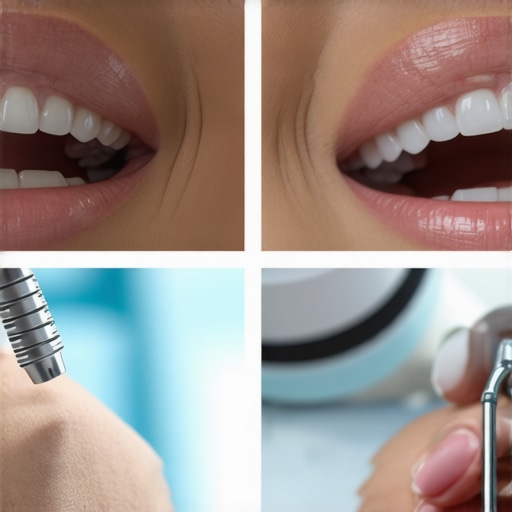
I remember the first time I sat in that dental chair, teeth feeling squeaky and fresh—until the dentist told me I needed a deep clean. Honestly, I had no idea there was a difference between a regular scale and polish and a more intensive deep cleaning. That lightbulb moment made me realize how much I’d underestimated my oral health routine. Have you ever felt that confusing mix of routine cleaning and worse, wondering if what you’re getting truly benefits your mouth?
In this post, I want to demystify this common dental question: What exactly sets a deep cleaning apart from a regular scale and polish? Understanding this difference can be a game-changer for your oral health and can save you from unnecessary procedures—or worse, overlooking a crucial treatment. If you’ve been puzzled by your dentist’s recommendations, you’re not alone. Many people walk into their appointments unsure whether they truly need the intensive cleaning or if a simple polish will do.
Why Do We Need to Know the Difference?
Knowing the distinction isn’t just about dental jargon; it’s about making informed decisions that protect your smile. Regular scale and polish treatments are often enough for maintaining healthy teeth—removing surface stains and tartar buildup. But in cases of gum disease or deeper plaque accumulation, a more thorough deep cleaning becomes essential to prevent serious issues.
Early in my own journey, I made a mistake that many do—thinking that all cleanings are the same. I skipped the deeper treatment when my gums started bleeding after a routine cleaning, assuming it was just sensitivity. That mistake delayed proper care and made my condition worse. Trust me, in oral health, ignorance isn’t bliss; it’s a risk.
Supporting this, research shows that regular professional cleanings significantly contribute to overall health. The American Academy of Periodontology emphasizes that deep cleanings help control periodontal disease, which has been linked to heart health and other systemic conditions. So, understanding which cleaning you need can impact more than just your teeth—it influences your entire well-being.
Are you someone who has faced similar confusion? Do you hesitate when your dentist suggests a deep cleaning, unsure if it’s necessary? If yes, then you’re in the right place. We’re about to dive into the specific differences, the signs you need more than a polish, and how to communicate effectively with your dental provider. Let’s get started on ensuring your teeth get exactly what they need—no more, no less.
Identify When You Need a Deep Clean
Recognize signs like persistent gum bleeding, bad breath, or gum redness—these indicate deeper plaque buildup. During my last appointment, I noticed bleeding after routine cleaning, prompting my dentist to recommend a deep cleaning immediately. By paying attention to these signals, you can avoid worsening periodontal issues and save yourself from costly treatments down the line.
Prepare Your Oral Environment
Before the appointment, brush thoroughly, floss carefully, and use an antibacterial mouthwash. Think of this as preparing your home before a deep cleaning; setting the stage helps the professional do their job effectively. Regular brushing alone isn’t enough; integrating specific techniques, like proper flossing, can make a significant difference in removing plaque.
See a Dental Professional for Assessment
Schedule an appointment with a qualified dentist or periodontist. They will evaluate your gum health through probing and X-rays. During my visit, the specialist explained how deep cleaning targets tartar below the gum line—a place regular brushing can’t reach. Understanding this helps you appreciate why some treatments are necessary beyond routine care.
Follow the Precise Cleaning Steps
Scaling and Root Planing
This process involves removing tartar from below the gum line using specialized ultrasonic and manual instruments. Imagine scraping away hardened deposits on your driveway; careful, precise work is essential. When I experienced my deep cleaning, the hygienist meticulously targeted each area, leaving my gums feeling refreshed yet sensitive temporarily.
Polishing and Fluoride Application
After scaling, the teeth are polished to smooth surfaces and reduce future plaque accumulation. Applying fluoride strengthens enamel, acting like a protective shield. Think of this as sealing your driveway after cleaning—it keeps debris from sticking easily.
Manage Post-Procedure Care
Expect some gum tenderness and possible bleeding—which is normal. Use prescribed anti-inflammatory gels or rinses to soothe irritation. During my recovery, I avoided hard foods and used warm saltwater rinses to reduce discomfort. Proper aftercare ensures the longevity of the treatment and maintains your oral health.
Incorporate Daily Maintenance Habits
Consistency is key. Brush twice daily with a soft-bristled brush, floss gently, and consider using interdental cleaners. Regularly visiting your dentist for cleanings—at least twice a year—is like doing routine maintenance on your car, preventing bigger problems. For detailed guidance on strengthening your oral routine, check out this comprehensive guide.
Stay Vigilant for Recurring Issues
Monitor for signs of gum inflammation or discomfort. If symptoms return, revisit your dentist promptly. Consistent care and awareness are your best tools in keeping your smile healthy and resilient.
Many people believe they know everything about dental care, but the reality is far more nuanced than common myths suggest. For instance, a widespread misconception is that brushing harder will lead to a cleaner mouth, yet in reality, excessive force can damage gum tissue and enamel, increasing sensitivity and risk of recession. According to a study published in the Journal of Periodontology, aggressive brushing is a significant factor contributing to gum recession and dental abrasion, highlighting the importance of gentle, effective techniques that prioritize health over force.
Can a quick cleaning substitute for professional treatments?
Many assume that daily brushing and flossing can replace professional cleanings, but this isn’t the case. Regular at-home routines remove plaque on accessible surfaces, but deep plaque and tartar beneath the gum line require specialized tools, which only professionals can perform thoroughly. Skipping routine check-ups often leads to overlooked early signs of gum disease or decay, which, if untreated, can cause irreversible damage. For enhanced insights on maintaining your oral health between visits, check out this guide.
Myth: Crowns are only for aesthetic fixes
Many think dental crowns are purely cosmetic, but their primary function is restorative—strengthening damaged teeth, protecting weak enamel, and ensuring proper bite function. Recent advances in materials and techniques mean crowns can look natural while providing durability for years. Proper care is essential; neglecting crown maintenance can lead to decay at the margins or crown failure. For detailed strategies on prolonging your crown’s lifespan, visit this article.
Avoid the typical mistake of overlooking family dental routines
Many families fall into the trap of neglecting consistent, dedicated oral care at home. Establishing a routine that involves brushing twice a day, flossing daily, and regular dental check-ups is vital for long-term health. Moreover, educating children early on about proper techniques can prevent future dental issues. Supporting this, the American Dental Association emphasizes the importance of family-wide habits to cultivate healthy smiles for life. Do you know the effective strategies to integrate these habits seamlessly? Find out more at this resource.Maintaining optimal oral health requires more than just regular brushing and flossing; it involves using the right tools and techniques that enhance your daily routine. As someone who has experimented extensively with different dental care tools, I can confidently recommend specific equipment that has truly made a difference in my long-term results.
Invest in an Electric Toothbrush for Superior Cleaning
After trying countless manual brushes, I found that an electric toothbrush, particularly models with oscillating-rotating heads, significantly improves plaque removal and gum stimulation. Brands like Oral-B and Sonicare offer brush heads that mimic professional cleaning motions, making daily maintenance more effective. The key is choosing a brush with timers and pressure sensors—to prevent overbrushing—which can damage gums. When I switched, I immediately noticed fresher breath and healthier gums, reinforcing that quality tools matter.
Utilize Dental Endurance Floss for Better Interdental Care
Standard floss tends to shred or slip, especially between tight teeth. I recommend trying flavored, waxed dental endura floss—its robustness ensures thorough plaque removal without breaking. Regular use helps prevent gum inflammation and carries away debris that brushes can’t reach. For optimal results, floss gently along the gumline and avoid snapping to prevent damage. This habit has been instrumental in maintaining my periodontal health over the years.
Add a Water Flosser for Deep Cleaning
Incorporating a water flosser, like the Waterpik, has vastly improved my ability to clean beneath crowns and around braces. It uses high-pressure water jets to dislodge food particles and plaque that traditional floss might miss, especially in hard-to-reach areas. I use it daily after brushing, focusing on the gumline, which pulses gently to stimulate blood flow. Modern models have adjustable settings, making them suitable for sensitive gums. Evidence indicates water flossing can reduce bleeding and plaque buildup effectively—see more at this resource.
Prioritize Guided Cleanings and Regular Evaluations
While tools are vital, professional assessments ensure your routine remains on track. Regular check-ups help identify underlying issues before they escalate. My dentist suggested scheduling cleanings every six months and utilizing intraoral scanners for detailed evaluations, which provide high-resolution images of your mouth’s health—allowing for precise treatment planning. Incorporating these assessments ensures your home care complements your overall strategy, offering lasting results.
Predicting the Future of Dental Tools
Advancements in technology suggest a future where AI-powered cleaning devices might personalize care more effectively, analyzing plaque levels and adjusting their actions accordingly. Additionally, smart toothbrushes synced with mobile apps will provide real-time feedback, encouraging better habits. Staying updated with these innovations can keep your routine both current and effective.
How do I maintain tools and ensure long-term results?
Cleaning your equipment regularly—such as replacing toothbrush heads every three months and descaling water flossers—is essential. Store tools in dry, hygienic places to prevent bacteria buildup. Also, follow manufacturer instructions for maintenance and avoid sharing tools to prevent cross-contamination. Combining consistent tool use with professional advice from your dentist will optimize your oral health journey. For personalized guidance on how to integrate these tools into your routine, I recommend consulting a dental professional—book an appointment through this link.
This disciplined approach, integrating specific, recommended tools, can greatly improve your oral health outcomes, ensuring your smile stays healthy and vibrant for years to come. Try incorporating a water flosser into your daily routine and notice the difference it makes in how fresh and clean your mouth feels afterward.
What I Didn’t Realize About Deep Cleanings Until It Was Too Late
One of the biggest lessons I learned is that not all dental cleanings serve the same purpose. Assuming a routine scale and polish is enough can lead to overlooked issues like early gum disease. My mistake turned a manageable problem into a more complicated situation, teaching me to listen closely to my dentist’s recommendations and not dismiss signs like bleeding or persistent bad breath.
The Unexpected Power of Proper Tool Selection
Investing in quality dental tools has transformed my daily routine. An electric toothbrush with a timer may seem like a minor upgrade, but it made me realize how much more effective consistent, gentle brushing can be. Similarly, water flossers have uncovered hidden plaque and kept my gums healthier, reminding me that honest investment in tools pays off in the long run.
Why Personal Responsibility Is the True Game-Changer
As I discovered, no professional cleaning lasts forever. Daily habits—like gentle brushing, flossing correctly, and routine assessments—are crucial. Regular check-ups aren’t just about catching problems early; they’re about building a partnership with your dental team and taking active control of your oral health. This proactive approach has kept me confident and motivated, knowing I’m doing my part to preserve my smile.
Discovering the Deep Truth About Oral Care Myths
For years, I believed some common myths—like the idea that harder brushing cleans better or that a quick floss is sufficient. Unlearning these misconceptions opened my eyes to effective techniques. It turns out that gentle, thorough care and proper technique—supported by credible sources like this guide—are key to true dental health.
Curated Resources to Elevate Your Dental Routine
Over time, I’ve trusted certain tools and resources that genuinely make a difference. Brands like Sonicare and Waterpik have become staples in my routine because of their reliability. Reading comprehensive advice from experts at this site helped me choose treatments suited for my needs. Investing in quality and education is the secret to lasting results.
Choose Your Moment: Embrace Change for a Brighter Future
The most inspiring part of my journey is realizing that the power to improve your oral health lies in your hands. Small daily upgrades, like switching to an electric toothbrush or being vigilant about signs of gum trouble, can lead to life-changing results. Start today—your future smile depends on it. Curious about how to start? Ask yourself, what’s one habit I can improve right now to make my smile healthier? Let’s share our progress below!