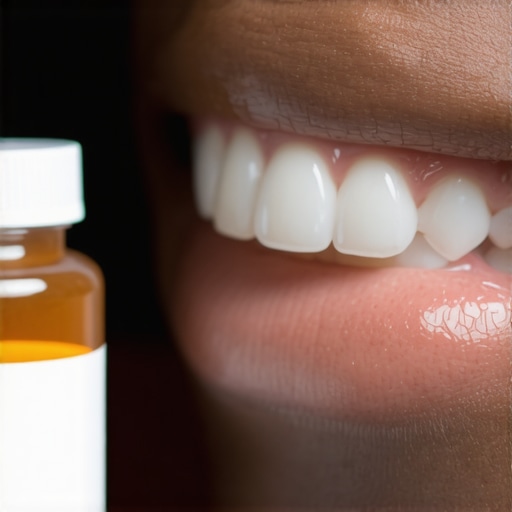
I remember the day I first noticed my teeth feeling more sensitive than usual—like biting into an icy apple was a mini torture. At first, I thought it was just a temporary thing, maybe from the latest cleaning or a little extra caffeine. But as weeks went by, the sensitivity worsened. The light bulb went off when I realized it coincided with my recent vitamin D deficiency diagnosis. Suddenly, my dental woes made sense—weak enamel isn’t just about poor brushing habits; it can be a sign of something deeper.
Why Your Enamel Might Be Weaker Than You Think
Ever experienced those sharp zings when you sip hot coffee or cold water? You’re not alone. Weak tooth enamel can happen gradually, often sneaking up unnoticed until it leads to bigger problems like cavities or tooth fractures. One often-overlooked culprit is a lack of vitamin D, which plays a crucial role in calcium absorption and bone health, including your teeth. Without enough vitamin D, your body’s ability to strengthen enamel diminishes, making your teeth more vulnerable to decay and sensitivity.
Research supports this connection—studies have shown that vitamin D deficiency correlates with increased risk of dental health issues, including enamel erosion. In fact, according to a 2018 report published in the Journal of Clinical Periodontology, low vitamin D levels can lead to poorer periodontal health and undermine the integrity of your enamel, leaving your teeth susceptible to damage.
If you’ve ever been lax about your vitamin D intake or live in an area with limited sunlight, your enamel might be paying the price. The good news? Recognizing this link opens the door to actionable changes. Improving your vitamin D levels could be a game-changer in strengthening your enamel and protecting your smile.
Do you feel like your enamel weakness might be more than just brushing habits? If so, sticking around to learn practical steps to boost your vitamin D and safeguard your teeth could make a real difference. From dietary adjustments to safe sun exposure, there are simple strategies you can adopt today to support your oral health.
For more tips on maintaining your dental crowns and ensuring their longevity, check out [these essential dos and don’ts](https://periodontistcare.com/maintaining-your-dental-crowns-dos-and-donts-for-best-results). Taking control now can prevent costly repairs down the line and keep your smile healthy for years to come.
Prioritize Your Daily Oral Routine
Start with a consistent brushing and flossing schedule, ideally twice a day. Use a soft-bristled toothbrush and fluoride toothpaste to gently clean your teeth without damaging weakened enamel. Micro-story: I once reconsidered my brushing technique after noticing increased sensitivity; I switched to softer brushes and adjusted my pressure—results improved within weeks.
Incorporate Enamel-Boosting Foods and Supplements
Eat foods rich in calcium and phosphates, like cheese, yogurt, and almonds, which help remineralize enamel. Consider vitamin D supplements if dietary sources are insufficient, as vitamin D enhances calcium absorption. I began taking a daily vitamin D supplement and added more dairy to my meals, noticing less sensitivity and stronger teeth over time.
Optimize Sun Exposure for Vitamin D
Spend 10-15 minutes in sunlight daily, exposing bare skin to encourage natural vitamin D production. Large portions of your face and arms benefit from this. I set an alarm to go outside during lunch, which not only improved my vitamin D levels but also uplifted my mood and dental health.
Limit Acidic and Sugary Intake
Avoid frequent consumption of citrus, soda, and sugary snacks that erode enamel. When you indulge, rinse your mouth with water afterward to neutralize acids. Once, I reduced my soda intake drastically, replacing it with herbal tea; my teeth felt smoother, and sensitivity decreased.
Be Mindful of Teeth-Whitening Products
Choose gentle, enamel-safe whitening options and avoid overuse. Harsh chemicals can accelerate erosion if your enamel is already weak. I opted for professional whitening under my dentist’s supervision, which minimized risks and improved my smile without added sensitivity.
Schedule Regular Dental Check-Ups
Consult your family dentist every six months for professional cleaning and monitoring of enamel condition. These visits allow early detection of issues and tailored advice. During my last check-up, the hygienist noticed early signs of enamel erosion, prompting me to adjust my habits proactively for better protection.
Use Enamel-Friendly Oral Care Products
Look for toothpaste formulated for sensitive teeth or with added fluoride to reinforce enamel. Avoid abrasive cleaning agents that could scratch and weaken your teeth. I switched to a remineralizing toothpaste, which visibly improved my enamel’s resilience after a couple of months.
Consider Supplementation and Professional Treatments
Ask your dentist about professionally applied fluoride varnishes or desensitizing agents that can further safeguard your enamel. In one visit, I received a fluoride treatment that noticeably reduced my tooth sensitivity and fortified my enamel against future attacks.
 Many patients believe they fully understand dental crowns and oral hygiene, but there are nuanced details that often get overlooked. One widespread misconception is that once a crown is placed, little maintenance is needed. In reality, improper care—like ignoring the importance of gentle cleaning techniques—can dramatically shorten crown longevity. For example, using overly abrasive toothpaste or neglecting regular check-ups can lead to premature failure, despite popular belief that crowns are ‘low-maintenance.’ Advanced cases reveal that subtle issues, such as misaligned bites or faulty cementation, can cause recurring problems that most assume are normal wear and tear.
A common myth is that dental cleanings are solely for whitening or plaque removal.
Are regular cleanings really enough to prevent future issues, or are there hidden risks?
While routine cleanings are vital, they beyond a superficial cleaning—professional dental visits help detect early signs of underlying conditions like cement degradation or micro-cracks in crowns. Overlooking these nuances may lead to unexpected crown dislodgement or decay at the margins, which many mistake for typical aging. According to a study published in the Journal of Dental Research, early detection and targeted maintenance significantly improve crown success rates. This is why [expert advice on crowns and teeth cleaning](https://periodontistcare.com/expert-advice-on-crowns-and-teeth-cleaning-for-lasting-results) recommends personalized care routines that go beyond generic guidelines.
Another mistake is assuming that all family dental practices operate at the same level of expertise. Quality varies, especially regarding handling complex cases involving crowns or implants. Choosing an experienced family dentist who understands the advanced nuances of crown placement, maintenance, and troubleshooting can prevent long-term issues. For families, this underscores the importance of seeking specialized care, as detailed in [family dentistry focus](https://periodontistcare.com/family-dentistry-focus-building-a-lifetime-of-healthy-smiles).
In essence, knowing the subtleties—such as the importance of precise cementation, bite alignment, and tailored hygiene routines—can make the difference between a crown that lasts a decade versus one that fails prematurely. Think of your dental health as an ongoing partnership; the more you understand these hidden nuances, the better your outcomes. Why settle for surface-level knowledge when deep insights can save you time, money, and discomfort?
Want to deepen your understanding? Check out [the role of crowns in modern smile makeovers](https://periodontistcare.com/understanding-the-role-of-crowns-in-modern-smile-makeovers) and incorporate advanced practices into your routine. Remember, your mouth is complex—approach its care with the awareness of these hidden factors.
Have you ever fallen into this trap? Let me know in the comments.Maintaining your dental crowns and overall oral health over time requires more than routine brushing and flossing; it involves utilizing the right tools, adopting effective methods, and being proactive about assessments. A key tool I personally recommend is an electric toothbrush equipped with a pressure sensor. This device prevents over-brushing, which can wear down delicate enamel and cement around crowns. I use one daily, and it has significantly improved my brushing consistency and gentleness, extending the life of my restorations. Additionally, interdental brushes tailored for crown margins help clean hard-to-reach areas without damaging the surrounding tissue or the crown itself. These small but powerful tools make a big impact on long-term durability.
In terms of software, I rely on a digital timer app to ensure I spend at least two minutes brushing each session. Consistent, adequate brushing time is crucial; studies indicate that two-minute brushing routines remove plaque more effectively, reducing the risk of decay and crown failure. For those who want to track their oral hygiene habits, apps like Brush DJ or cariSMART can provide reminders and record progress, keeping you motivated and mindful.
Looking ahead, the trend is moving toward integrated oral health monitoring devices capable of analyzing saliva for early signs of decay or gum disease. Although still emerging, these innovations promise proactive management, catching issues before they become serious.
< h3 > How do I maintain my crowns and oral health tools over time? < /h3 >
Proper maintenance of your tools is vital for sustained success. Electrical toothbrush heads should be replaced every three months or sooner if worn. I make it a habit to change mine during my quarterly dental cleaning appointment. Rinsing interdental brushes after each use and storing them in a dry, clean container prevents bacterial buildup. Software apps require regular updates and syncing to keep their alerts accurate and functional.
Ultimately, consistent use of specialized tools coupled with proactive habits can prevent issues and extend the lifespan of dental restorations. For example, cleaning around crowns with interdental brushes, especially after meals, minimizes plaque accumulation that can compromise the cement seal. Don’t forget that regular professional check-ups are also crucial; during visits, your dentist can spot early signs of wear or decay that might not be evident at home, as highlighted in [these expert tips on crowns and teeth-cleaning for lasting results](https://periodontistcare.com/expert-advice-on-crowns-and-teeth-cleaning-for-lasting-results).
To get started with a game-changing tip, I recommend incorporating a pressure sensor electric toothbrush into your routine. It’s a small investment that pays off in peace of mind and longevity of your dental work. Remember, the care of your crowns and oral health is a lifelong journey—making smart choices today ensures a healthy smile tomorrow.
The Hidden Lessons I Wish I Knew About Crowns and Dental Care
One of the biggest insights I gained was how crucial personalized oral hygiene routines are—what works for one person might not suit another, especially when managing crowns or weak enamel. I used to believe that all dental tools and tips were universal, but discovering that custom strategies can significantly extend the lifespan of your crowns was eye-opening.
Another lightbulb moment was realizing the importance of early detection. Regular professional check-ups aren’t just about cleaning; they’re about catching subtle issues—like micro-cracks or cement degradation—that most people overlook. Addressing these early can save you from more extensive repairs later.
Lastly, I underestimated the emotional aspect of dental care. Building a trusting relationship with your dentist makes routine visits less daunting and more proactive. Feeling confident in your dental team encourages better maintenance habits at home, reinforcing the longevity of your crowns and overall oral health.
My Trusted Arsenal for Crown and Family Dental Success
The tools I swear by include a high-quality electric toothbrush with a pressure sensor—it’s gentle yet thorough, preventing damage to delicate crowns. Combining this with interdental brushes designed for crown margins allows for precise cleaning without harming your restorations.
For deeper insights and effective techniques, I turn to [expert advice on crowns and teeth-cleaning for lasting results](https://periodontistcare.com/expert-advice-on-crowns-and-teeth-cleaning-for-lasting-results). It’s a resource that has shaped my routine into one that promotes durability and health.
Books like “The Art of Dental Maintenance” have expanded my understanding about the subtle nuances of oral care. I also follow reputable dental health blogs, especially those focused on family dentistry, to stay informed about emerging best practices and innovations—like minimally invasive procedures and advanced materials—that keep my family’s smiles shining bright.
Your Next Step: Embrace a Confident Smile
Remember, dental health is a journey built on small, consistent actions—like choosing the right tools and staying curious about best practices. Taking these steps today can lead to a future where your crowns last longer, and your smile remains radiant. Don’t wait for issues to arise; proactively caring for your oral health empowers you to face each day with confidence. How will you incorporate these insights into your routine to protect your smile? Share your plans below, and let’s support each other’s journey to optimal dental health.