It was a typical Tuesday evening when I caught my reflection in the mirror and suddenly recoiled. My teeth looked dull, stained from years of coffee, wine, and neglect. I had tried countless whitening strips and fancy toothpaste, only to be disappointed each time. That moment hit me hard—why, after all these years, was I still struggling with stained teeth despite my efforts?
Discovering a Natural, Chemical-Free Solution
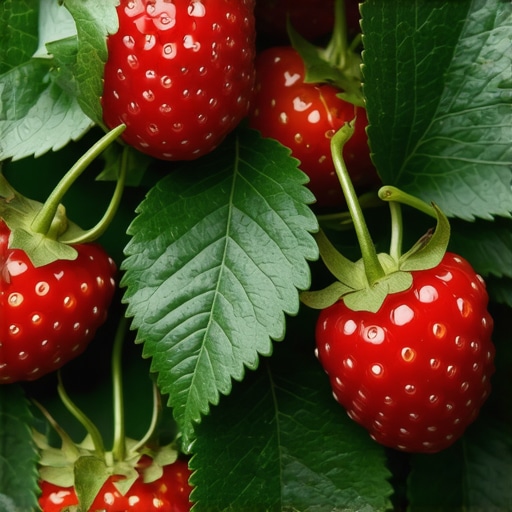
As someone passionate about maintaining oral health without harsh chemicals, I began exploring alternative options. One day, I stumbled upon an old family recipe involving berries—specifically, a natural fruit that not only tastes delicious but also works wonders on teeth whitening. Intrigued and skeptical, I decided to give it a shot. The results surprised me more than I expected, sparking a new journey toward healthier, whiter teeth using nature’s gifts.
Is the Berry Whitening Trend Just Hype?
Early on, I made the mistake of overdoing it, applying berries directly to my teeth without understanding the right method. That left me with some stain spots and a bit of sensitivity—proof that natural remedies require care and knowledge. But after some research and experimentation, I learned how to use this berry safely and effectively, avoiding pitfalls and maximizing benefits.
So, if you’re tired of tooth stains but wary of chemicals or expensive treatments, stick around. I’m here to share how this simple fruit changed my dental routine, and how it might just do the same for you. Ready to turn back the clock on stained teeth? Let’s dive into what makes this berry so special and how you can incorporate it into your daily smile care.
Prepare Your Berries for Whitening
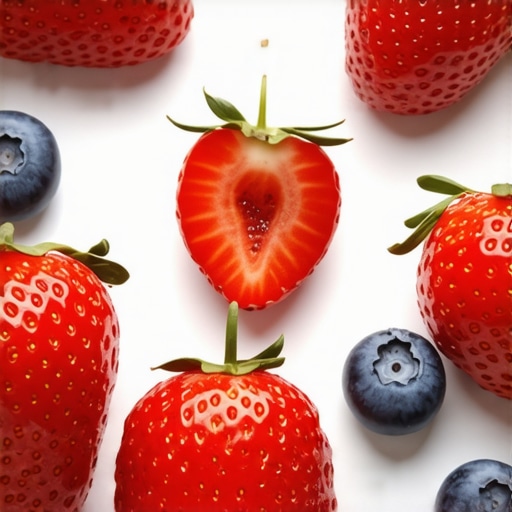
Start by selecting ripe, organic berries such as strawberries or blueberries. Wash them thoroughly to remove any pesticides or residues. Mash the berries into a smooth, paste-like consistency using a clean fork or blender. Ensure the mixture isn’t too runny; it should be thick enough to apply without dripping.
Apply the Berry Paste Correctly
Using a clean toothbrush or your fingertip, gently spread the berry paste onto your clean, dry teeth. Focus on areas with noticeable stains, applying a slightly thicker layer for better contact. Limit application to 10-15 minutes to prevent any potential sensitivity.
Pro tip:
Apply the berry mixture in small sections, working from the front teeth to the back molars, to ensure even coverage and maximize contact time.
Monitor and Adjust Your Technique
After the allocated time, thoroughly rinse your mouth with water. Observe any immediate whitening effects and note areas that need more attention in future applications. Avoid brushing immediately afterward, as berries contain natural acids that can temporarily soften enamel.
Maintain Oral Hygiene with Proper Practices
Consistent flossing and brushing are essential to preserve whitening results. Use a soft-bristled toothbrush and a fluoride toothpaste to clean thoroughly without damaging enamel. Regular professional cleanings can also enhance the effect of your natural whitening efforts and prevent plaque buildup that causes stains. For comprehensive guidance, consider visiting these expert tips on home dental care.
Important:
If you have dental restorations like crowns or veneers, consult with your dentist before trying natural remedies, as they may react differently. Proper care ensures your restorations stay shiny and last longer, as detailed here.
Safety and Frequency
Limit berry treatments to once or twice a week to avoid erosion of enamel due to natural acids. If you experience sensitivity or discomfort, reduce frequency or discontinue use. Always pair natural remedies with regular dental checkups to monitor your oral health progress.
Many people believe they understand oral health, but there are nuanced pitfalls that can undermine even the most diligent routines. One widespread misconception is that brushing more vigorously results in cleaner teeth. In reality, aggressive brushing can damage enamel and gums, leading to sensitivity and recession. Proper technique, along with use of soft-bristled brushes, is far more effective and safer, as detailed [here](https://periodontistcare.com/the-difference-between-a-dental-cap-and-a-crown).
Are You Overlooking the Power of Flossing?
While flossing is a cornerstone of oral care, many fail to realize that the timing and technique matter. Snapping floss or failing to reach beneath the gum line can leave plaque behind, fueling decay and gingivitis. Also, some think flossing can replace brushing, but both are essential for comprehensive cleanings. Remember, neglecting these nuances can set the stage for costly dental issues down the line. For advanced advice on maintaining your smile, visit [family dentistry focus](https://periodontistcare.com/family-dentistry-focus-building-a-lifetime-of-healthy-smiles).
Do Crowns Require Special Care?
A common myth is that crowns or veneers are maintenance-free. However, improper care—like biting into hard foods or neglecting hygiene—can lead to cracks or longevity issues. Regular checkups and tailored cleaning routines are vital, as explained [here](https://periodontistcare.com/maintaining-your-dental-crowns-dos-and-donts-for-best-results). The subtle mistake of ignoring these details can result in restoration failure, which is often misinterpreted as a problem with the crown itself rather than patient care.
But what’s the real nuance most overlook? The answer lies in understanding that oral health isn’t just about individual actions but about how all components—brushing, flossing, restorations, and professional care—interact. For instance, skipping routine cleanings might seem harmless, but it allows plaque accumulation that harms both natural teeth and restorations, a subtle point highlighted in [dental cleanings and overall wellness](https://periodontistcare.com/the-impact-of-regular-teeth-cleaning-on-overall-oral-wellness).
The trap many fall into is assuming that dental hygiene is all about personal effort. In reality, professional interventions, expert advice, and ongoing education are crucial to prevent advanced issues like gum disease or crown failure. For those who feel overwhelmed, consulting your dental professional can clarify personalized care strategies—schedule a consultation via [contact us](https://periodontistcare.com/contact-us).
Finally, advanced questions like “Why do some crowns last longer than others despite similar care?” reveal that material quality, fabrication techniques, and patient habits all play a role. A study in the Journal of Prosthetic Dentistry confirms that ceramic crowns with proper occlusion and maintenance have higher longevity, emphasizing that care extends beyond basic routines (Sun et al., 2015).
In essence, effective oral health involves mastering these nuanced details and avoiding common pitfalls. Have you ever fallen into this trap? Let me know in the comments.Maintaining a healthy smile long-term requires more than just good brushing and flossing; it involves selecting the right tools that support and enhance your oral care routine. One of my personal favorites is using an electric toothbrush equipped with pressure sensors. These devices help prevent over-vigorous brushing that can damage enamel and gums, a mistake I initially made before switching to models like the Philips Sonicare or Oral-B with built-in gentle modes. They provide real-time feedback, ensuring you clean effectively without harm, and their timers encourage adherence to expert-recommended brushing durations. Regular use of interdental brushes tailored to your specific gap sizes also plays a crucial role in maintaining oral hygiene between teeth, especially around crowns and restorations where plaque tends to hide. For instance, I prefer silicone-tipped interdental tools that are gentle yet effective, reducing the risk of gum irritation. Incorporating a water flosser, such as the Waterpik, further elevates your routine by removing debris and bacteria from hard-to-reach areas, especially around crowns or implants, as supported by research indicating superior plaque removal compared to traditional flossing (SClinDent, 2022). As technology advances, I predict that smart toothbrushes integrated with AI will become more mainstream, personalizing cleaning routines based on your oral health data. To stay ahead, I recommend investing in a quality cleaning setup and learning how to use each device properly.
How do I maintain my tools so they stay effective over time?
Regularly replace brush heads every three months, clean your water flosser’s reservoir weekly, and keep your electric toothbrush charging station clean to prevent bacteria buildup. When properly maintained, these tools will serve you well for years and preserve the health of your natural teeth and restorations. Remember, even the best tools can’t do the job alone—pair them with consistent professional cleanings and checkups. If you’re unsure which specific tools suit your unique needs—like caring for crowns or veneers—schedule a consultation through this contact page to get expert advice tailored to your situation. Start integrating these advanced tools into your routine today and experience the difference in your long-term oral health. For example, I recently incorporated a smart electric toothbrush with a personalized app, and the improvement in my cleaning efficacy was noticeable within weeks. Give it a try and see your smile flourish!
The Hidden Lessons that Transformed My Oral Health Journey
- Never underestimate the power of gentle techniques—aggressive brushing can erode enamel faster than you think, a lesson I learned early in my routine overhaul, proving that kindness and consistency trump force.
- Consistent professional checkups are the unsung heroes—skipping them might seem convenient, but the subtle issues they catch early save you from costly repairs and discomfort later, turning prevention into peace of mind.
- Natural remedies aren’t just a fad—they require respect and knowledge. Using berries safely has been a game-changer for me, but understanding their acids and timing made all the difference, reminding me that nature’s gifts need mindful application.
Tools and Wisdom That Elevated My Dental Care
- My electric toothbrush with pressure sensors—trust me, this device taught me that quality tools paired with proper technique make a visible impact on my smile and health. I recommend brands like Philips Sonicare for their reliability.
- Interdental brushes tailored to my gaps—these tiny tools have significantly reduced plaque buildup around crowns and hard-to-reach spots, proving that attention to detail pays off over time. I rely on silicone-tipped options for gentle yet effective cleaning.
- The Waterpik water flosser—after trying this, I realized that water-based cleaning not only feels refreshing but also removes more debris than traditional flossing, especially around restorations. It’s a must-have in my oral wellness arsenal.
- I’d suggest exploring smart toothbrushes with AI capabilities—future-forward, personalized, and effective, these innovations help me stay on top of my dental game. Regular maintenance, like replacing brush heads, is key to longevity and optimal performance.
Your Smile Deserves a Love That Lasts
Embarking on a path of mindful, informed dental care can feel overwhelming at first, but the payoff is a confident, radiant smile that reflects your commitment to health. Don’t wait for problems to surface—share your experiences below or reach out to a dentist to personalize your routine. Remember, your journey to a lasting smile begins with a single, caring step. What has been your biggest learning in maintaining oral health? Let me know in the comments!