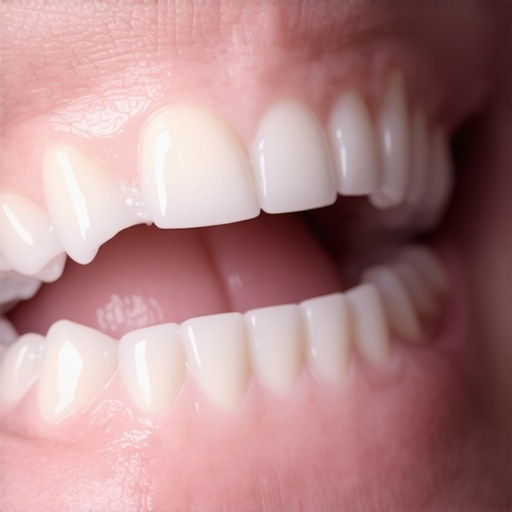
I remember the exact moment I first noticed a dark line creeping above my dental crown—it was right after a routine dental cleaning, and suddenly my smile didn’t feel as bright or confident. That tiny shadow might seem insignificant at first, but it can quickly turn into a source of embarrassment or concern, especially when you’re used to flashing a radiant smile. I found myself wondering, “Is this dark line normal? Should I ignore it? Or is it something that needs immediate attention?”
Noticing this dark line was a lightbulb moment for me. It highlighted how even the smallest imperfections on our teeth can undermine our self-esteem and make us question the long-term health of our dental work. Over time, I discovered that many people share this concern, and it often leads to confusion about whether it’s a harmless stain or a sign of a bigger issue.
Today, I promise to demystify this common problem. We’ll explore why that dark line appears above your crown, whether it’s something to worry about, and most importantly, how you can effectively fix it. This isn’t just about aesthetics—it’s about maintaining your oral health and ensuring your smile remains beautiful and strong.
Why That Dark Line Isn’t Just a Fluke
The appearance of a dark line alongside your crown is more than a cosmetic annoyance; it can signal underlying issues such as cement staining, creeping decay, or even gum recession exposing the margins of your crown. Recognizing the cause is the first step toward addressing it properly.
Many people mistake this line for simple staining, but it can be a sign that your crown isn’t sealing as well as it should, allowing plaque and bacteria to accumulate. This can lead to further decay or gum problems if left untreated. Interestingly, studies show that even minor leaks around crowns can contribute to significant oral health issues over time—so addressing this dark line promptly is crucial.
In my own experience, one common mistake I made early on was ignoring minor discoloration, assuming it was just a stain. That delay cost me some dental trouble, reinforcing the importance of seeking professional advice early. If you’re facing a similar dilemma, don’t dismiss that dark line as just a cosmetic flaw. It could be the onset of a more serious problem.
To better understand how crowns work and why this issue arises, I recommend browsing through reputable resources like [this comprehensive guide on crowns and smile enhancement](https://periodontistcare.com/how-crowns-can-transform-your-dental-confidence). Now, let me walk you through the practical steps you can take to eliminate that stubborn dark line and restore your confident smile.
Inspect Your Crown Carefully
Begin by examining your crown to understand the nature of the dark line. Use a mirror in good lighting, and check if the line appears at the margin where your crown meets your gumline. If it looks like a stain, it might be removable; if it seems deeper or more distinct, professional assessment is needed. When I noticed a similar line, I first tried gently wiping it with a soft cloth—sometimes, surface stains can be surprisingly stubborn, but this initial step helped me gauge whether it was superficial or embedded.
Improve Your Oral Hygiene Routine
Establish a rigorous cleaning method focusing on the area around your crown. Use an interdental brush or proxabrush to clean beneath the crown’s margins effectively. Floss carefully, ensuring you remove plaque and debris without damaging the gum tissue. I dedicated an extra few minutes daily to this routine, which significantly reduced the stain’s appearance over a couple of weeks. Don’t forget to brush twice daily with a fluoride toothpaste, and incorporate an antibacterial rinse to minimize bacterial buildup, which can cause discoloration and decay.
Address Staining with Professional Cleaning
Schedule a dental cleaning to have the stain professionally removed. A dental hygienist can perform a scaling and polishing procedure that tackles surface stains and tartar. In my experience, a professional cleaning made a noticeable difference; however, if the dark line persists after cleaning, it indicates a deeper issue. Regular cleanings not only improve aesthetics but also prevent the progression of underlying problems—learn more about the importance of professional cleanings here.
Maintain a Healthy Mouth with Proper Care
Consistent maintenance prevents new dark lines from forming. Use an electric toothbrush or a manual one with soft bristles to avoid damaging the crown margins and gums. Complement this with daily flossing and rinsing to remove plaque effectively. Incorporate an antimicrobial mouthwash to reduce bacteria further. During a personal routine, I switched to an electric toothbrush and adopted a daily flossing routine, which helped keep my gumline healthy and the crown area clean, avoiding future staining issues. For more tips on strengthening your smile, visit this guide.
Consult Your Dentist for Persistent Problems
If the dark line remains after home efforts, see your dentist promptly. The dark line could be caused by cement staining, microleakage, or decay beneath the crown—each requiring different interventions. Your dentist may recommend removing and reseating the crown, replacing it, or performing additional restorative procedures. I once ignored a persistent dark line which later turned into more severe gum recession; early intervention would have been smarter. Remember, professional assessment ensures you address the root cause effectively, preserving your oral health.
 Many people believe that once a dental crown is placed, it’s a permanent fix, but in reality, some common assumptions can lead to overlooked issues. For instance, the myth that crowns don’t require special maintenance can be dangerous; neglecting proper care can shorten their lifespan significantly. In my practice, I’ve seen patients who assume that regular brushing alone suffices, but incorporating interdental cleaning and regular professional check-ups is essential for longevity.
Why Do People Overlook the Importance of Material Quality in Crowns?
There’s a widespread misconception that all crown materials are equally durable, but studies show that zirconia crowns outperform porcelain-fused-to-metal options, especially for grinding or bruxism sufferers. Choosing the right material isn’t just about appearance—it affects functional durability and how the crown interacts with surrounding tissues. Misjudging this can lead to premature failure or postoperative discomfort. I recommend exploring the differences through resources like this detailed guide to make informed decisions.
Another trap involves underestimating the role of family dentistry in long-term oral health. Many assume that visiting the dentist only when there’s pain suffices, but preventive care often detects issues before symptoms manifest, saving both money and discomfort. Regular checkups, professional cleanings, and early intervention are cornerstones of effective dental health routines, as emphasized in this family dentistry overview. Ignoring these practices is a common mistake that can lead to more complex procedures later.
One advanced nuance often missed is the impact of microleakage beneath crowns, which can occur even if the crown looks perfect externally. This tiny gap allows bacteria to infiltrate, leading to secondary decay or gum inflammation. For sophisticated readers, understanding the importance of passive fit during crown fabrication is crucial. Recent research indicates that even negligible mismatches can accelerate failure or complications, making the selection of a skilled prosthodontist vital. For insights into this subtle but significant factor, consider reviewing this expert advice.
By challenging these common misconceptions, you can approach your dental health with a more nuanced perspective, ensuring better outcomes and more resilient smiles. Have you ever fallen into this trap? Let me know in the comments, and remember—staying informed is key to maintaining lifelong oral health.Maintaining your dental crowns and overall oral health requires more than just regular brushing. Investing in the right tools can make a significant difference in the longevity of your restorations and the health of your mouth. Personally, I rely on high-quality equipment designed for precision and comfort, ensuring that each routine becomes effective and efficient.
One of my top recommendations is the use of an electric toothbrush like the Sonicare DiamondClean. Its advanced sonic technology produces up to 62,000 brush movements per minute, providing a superior clean that manual brushes often can’t match. I’ve found that its pressure sensor prevents damage to delicate crown margins and gums, which is crucial for long-term maintenance.
Another invaluable tool is a water flosser, such as the Waterpik Aquarius. It uses a focused stream of water to remove plaque and debris from areas traditional floss may miss, especially around crowns and bridges. I incorporate this into my daily routine, particularly around crown margins, to prevent staining and decay.
For targeted cleaning around crowns and in-between teeth, interdental brushes like the Tepe Interdental Brushes are fantastic. Their varied sizes allow for personalized fit, ensuring thorough cleaning without damaging restorations or gums. Regular use of these brushes aids in removing plaque buildup at the difficult-to-reach areas, supporting long-term crown health.
To monitor your oral health proactively, I recommend using a silicone tongue scraper like the Oral-B Glide Tongue Cleaner. Keeping your tongue clean reduces bacterial load, which in turn diminishes bad breath and staining around crowns.
In the future, I predict that advancements such as AI-powered oral health monitoring apps will become mainstream, providing personalized feedback and reminders to maintain optimal dental hygiene. Early adoption of current best practices and tools sets the foundation for this future technology.
**How do I maintain my crowns and oral health over time?** Consistent routine combined with the right tools is key. Regularly scheduled professional cleanings, as discussed in [this comprehensive guide](https://periodontistcare.com/caring-for-crowns-essential-tips-for-longevity-and-shine), alongside daily maintenance, help prevent common issues like staining, decay, and gum recession.
For added protection, consider trying an ultrasonic scaler for professional cleanings. Unlike manual tools, ultrasonic devices use high-frequency vibrations to remove calculus and plaque more effectively, especially around crowns where plaque tends to accumulate unnoticed. These tools not only enhance cleaning efficiency but also minimize the risk of damaging delicate restorations.
Remember, the proper maintenance toolkit and routine are your best defenses against long-term crown problems. Incorporate these tools into your daily routine, and don’t hesitate to schedule regular check-ups. Maintaining your oral health today ensures your smile stays healthy and radiant for years to come.
Lessons That Changed My Dental Perspective
One of the biggest surprises I encountered was realizing how small details, like the dark line above a crown, can reveal underlying issues that easily go unnoticed. It taught me to never dismiss subtle changes, understanding that they often hold the key to long-term oral health. Additionally, I learned that investing in quality tools and seeking professional advice early can save a lot of time and discomfort later. Trust me, the difference between an average approach and a thorough, detail-oriented mindset can be the difference between a smile that lasts a lifetime and one that needs frequent repairs.
Another insight was recognizing how misconceptions about crowns, such as believing they are maintenance-free, can lead to neglect. This awareness pushed me to adopt better habits and stay vigilant about my oral routine. Lastly, I found out that staying informed through reputable sources and understanding the materials and techniques used in modern dentistry empowers us to make smarter decisions about our smile preservation. These lessons have truly reshaped how I view dental health and the importance of proactive care.
My Top Picks for a Stronger, Smarter Smile
I’ve found that the right tools make all the difference in maintaining crowns and overall oral wellness. For daily care, high-quality electric toothbrushes like Sonicare are a game-changer, providing precise cleaning without damaging delicate crown margins. Water flossers, such as the Waterpik Aquarius, help remove debris from hard-to-reach spots around crowns, significantly reducing stain buildup and decay risk.
Personally, I swear by interdental brushes like Tepe, which help keep plaque at bay where regular floss can’t reach. For professional cleaning, I trust ultrasonics not just for their efficiency but also for their gentle touch, protecting fragile restorations. To stay ahead of potential issues, I utilize reputable educational resources like this guide on caring for crowns, which offers expert-backed advice that aligns with the latest in dental science.
Your Smile’s Bright Future Starts Today
The journey toward resilient, healthy crowns and a confident smile doesn’t have to be complicated. By making small adjustments now—adopting proven tools, staying informed, and seeking professional guidance—you set yourself up for success. Remember, your oral health is an investment and a lifelong commitment. Everyone deserves a smile that reflects inner confidence and well-being, and it’s never too late to take that first step. Keep nurturing your teeth and embrace the knowledge that empowers you to maintain your smile’s radiance well into the future.