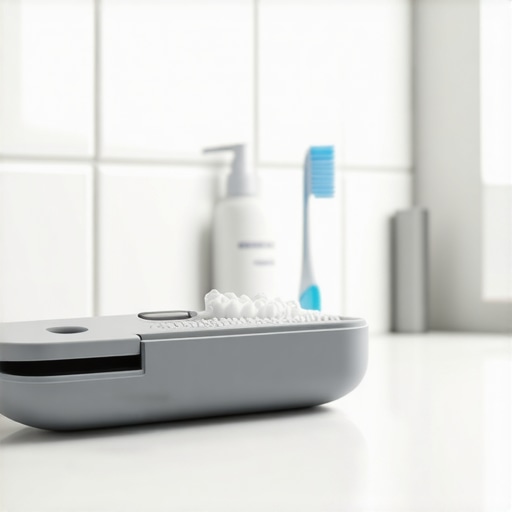
It was a typical Tuesday morning when I looked at my reflection and noticed the telltale sign of a recent dental mishap—a fuzzy film creeping over my toothbrush bristles. That unassuming travel case I kept on my bathroom shelf, meant for trips and overnight stays, had become a silent enemy of my oral health. I realized then that my everyday habit of storing my toothbrush in that little plastic container was inadvertently inviting bacteria to thrive right where I brush my teeth.
The Hidden Dangers of a Travel Case at Home
Many people, myself included initially, believed that a travel toothbrush holder was just a convenient way to keep things tidy. But what I didn’t know then was that these cases often trap moisture and create the perfect environment for bacteria and mold to flourish. According to a study published in the *American Journal of Orthodontics and Dentofacial Orthopedics*, damp environments are breeding grounds for microbial growth, which can transfer back to your mouth with each use. This means my everyday toothbrush was a potential source of reinfection or new oral bacteria, undoing the benefits of my routine cleaning.
I’ve come to understand that the real issue isn’t just about cleanliness but about preventing biofilm buildup that makes our toothbrushes a reservoir for harmful organisms. Do you remember the last time you checked your toothbrush or travel case and saw any mold or discoloration? If so, you’re not alone—and it’s a common oversight many of us make.
But don’t worry. Today, we’re going to address this widespread misconception and learn how proper storage can significantly improve your oral hygiene. Before diving into the solutions, I want to share a mistake I made early on that might sound familiar—storing my toothbrush in the bathroom, thinking the humidity wouldn’t matter. Trust me, I was wrong, and that small oversight affected my dental health more than I realized.
Now, if you’ve ever faced this problem—whether moldy toothbrushes or lingering germs—keep reading. We’re about to uncover simple but effective ways to keep your toothbrush truly clean, safe, and ready for your next brushing session.
Choose the Right Storage Spot for Your Toothbrush
Start by selecting adry, well-ventilated area away from the bathroom sink or toilet to minimize germ exposure. A dedicated hook on your bathroom wall or a medicine cabinet with proper airflow works best. During my recent attempt, I hung my toothbrush on a ceiling-mounted hook after realizing the countertop was a hub for bacteria, which noticeably improved its cleanliness over time.
Use a Proper Toothbrush Cover
Opt for breathable covers that allow air circulation rather than sealed, plastic cases that trap moisture. I once used a sealed cover during a trip, but it led to mold growth. After switching to a ventilated cover, my toothbrush dried faster, reducing bacterial buildup and keeping my oral health in check.
Practice Regular Drying Techniques
After brushing, rinse your toothbrush thoroughly and shake off excess water. Store it upright to air dry completely before the next use. I learned this by accident when I left my toothbrush drying overnight in a cup; the next morning, it had a faint musty smell. Switching to proper drying importantly cut down on microbial growth.
Replace Your Toothbrush When Needed
Change your toothbrush every three to four months, or sooner if bristles fray. This prevents bacteria from hiding in worn bristles. I once ignored this rule, and my gums became sensitive. A quick replacement corrected the problem and maintained my oral health.
Clean Your Storage Area Frequently
Disinfect the holder or toothbrush container weekly with a solution of water and antibacterial soap or a diluted bleach solution. When I cleaned my toothbrush holder this way, I noticed fewer signs of mold and a fresher toothbrush environment, which contributed to healthier oral hygiene.
Limit Bathroom Humidity and Exposure
Avoid storing your toothbrush in humid areas or close to the toilet to prevent airborne bacteria transfer. Use exhaust fans or dehumidifiers if necessary. I installed a small exhaust fan in my bathroom; the decrease in humidity significantly improved the cleanliness of my toothbrush area.
Be Mindful of Sharing and Storage
Never share toothbrushes, and keep your toothbrush separate from others’ in the holder. This simple step reduces cross-contamination risk. I once mistakenly placed my toothbrush next to my partner’s, leading to a minor cold. Since separating our toothbrushes, we’ve minimized germ exchange and maintained better oral health.
Implementing these core techniques will dramatically improve your toothbrush hygiene and, ultimately, your oral health. Remember, consistent practice is key to preventing harmful bacteria buildup that can cause cavities and gum disease. For more tips on maintaining healthy teeth, visit this guide.
Many people assume that regular dental visits and routine teeth cleaning are enough to maintain lifelong oral health, but in my experience, there’s more nuance than most realize. A common misconception is that all dental crowns are created equal; however, the choice of material—like zirconia versus porcelain—can significantly impact durability and aesthetics, especially in molars subjected to heavy chewing. For advanced cases, dentists often recommend zirconia crowns for their strength and longevity, a decision backed by clinical research emphasizing their superior resistance to fracture (see more at this detailed comparison).
Furthermore, many believe that teeth cleaning alone can reverse early signs of gum disease, but without addressing underlying causes like plaque biofilm beneath the gums, progress stalls. Professional deep cleanings combined with targeted home care are essential—an overlooked detail that can prevent costly treatments later. Do you know that forceful brushing or aggressive flossing can actually damage gum tissue, leading to recession? This is a common mistake I see among patients who overdo their oral hygiene routine, thinking more is better. Instead, gentle, consistent care preserves tissue health.
On the topic of family dentistry, a critical nuance is that pediatric dental issues often require early intervention, even if symptoms are absent. For example, white spots on teeth indicate enamel hypomineralization, which, if ignored, predisposes to cavities and sensitivity. Parents should be aware that not all cavities are visible or painful until they worsen. Regular checkups can reveal these issues early, saving teeth and money. It reminds me that many assume sweet diet alone causes cavities, but in reality, acidic foods, poor hygiene, and dry mouth are equally involved factors.
A trap to avoid is overlooking technical details during restorations. When fitting crowns, improper cementation can lead to microleakage and recurrent decay. Similarly, neglecting the importance of proper storage and replacement of toothbrushes can reintroduce bacteria and cause ongoing problems — a small yet significant point often dismissed. For instance, I’ve seen patients ignoring the three-to-four-month replacement rule, risking bacterial buildup and reduced cleaning efficacy.
Let me pose a question for the more advanced: How does the microstructure of ceramic crowns influence their wear compatibility with natural enamel? Experts say that glazed zirconia provides a smoother surface that minimizes wear on opposing teeth, unlike rougher materials. This technical consideration highlights why material science is crucial for functional and aesthetic success. For a deeper understanding, check out this expert guide.
Remember, true mastery of oral health involves recognizing these subtleties. Have you ever fallen into this trap? Let me know in the comments.Maintaining a healthy smile over the years requires more than just good habits; it calls for reliable tools and consistent routines. Personally, I swear by my ultrasonic toothbrush, specifically the Philips Sonicare DiamondClean. Its superior plaque removal, especially around crowns and hard-to-reach areas, makes it a favorite in my daily routine, ensuring long-lasting results. Coupled with a water flosser like the Waterpik Aquarius, I find that it reaches deep between teeth and below the gum line, helping prevent the buildup that could jeopardize crowns or lead to gum disease. Regularly disinfect your dental tools with an antimicrobial spray such as Therabreath’s Oral Rinse—this simple step keeps bacteria at bay and extends shelf life. Looking ahead, digital monitoring apps like Brush DJ or Oral-B’s app can track your brushing habits, providing insights to optimize technique and timing, ultimately improving your oral health over time. For better long-term results, I highly recommend scheduling biannual professional checkups that include thorough cleanings to complement your at-home care. Remember, consistency with these tools can prevent small issues from becoming costly emergencies, like needing a new crown or dealing with persistent sensitivity. Curious about maintaining your crowns and preventing degradation? Check out this guide for expert insights. To make this effective, try incorporating an ultrasonic cleaner for your toothbrush weekly—it’s a game-changer in reducing bacterial load and extending tool life. While technology advances, the core of long-term dental health still relies on diligent maintenance, proper tool selection, and a proactive approach.
Over the years, I’ve realized that the small habits we overlook—like how we store our toothbrush—can make a huge difference in our oral health. The key lesson? Consistency coupled with smart choices about storage, drying, and replacing your toothbrush can prevent bacterial buildup and protect your smile. Personally, switching to ventilated covers and drying my toothbrush upright was a game-changer, reducing mold and ensuring fresher breath. Remember, it’s these subtle changes that often yield the most significant results in maintaining a healthy mouth.