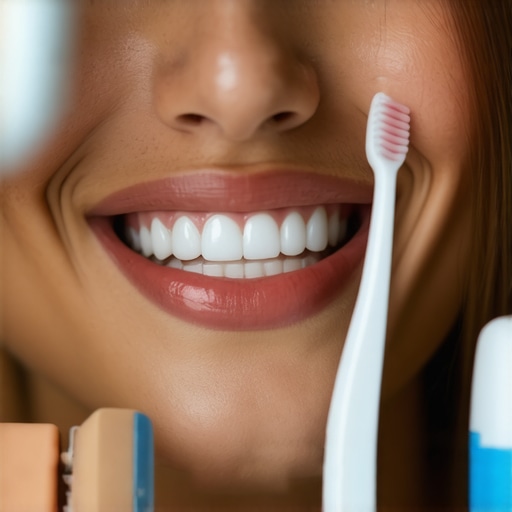
It was one of those mornings—my reflection caught my eye in the mirror, and I suddenly noticed my teeth looked more yellow than I remembered. Despite brushing diligently every morning and night, that stubborn discoloration persisted. I felt a twinge of frustration—what was I doing wrong? It’s a quiet battle many of us face, and honestly, it’s more common than we like to admit.
> As someone who cares about oral health but has also fallen for some of the common misconceptions, I know how confusing it can be. You brush regularly, you avoid staining foods, yet those yellowish hues stick around, making you wonder if your efforts are wasted.
The truth is, your teeth’s appearance isn’t solely about hygiene routine. Several factors play a role, and understanding them is the first step towards a brighter smile. Today, I promise we’ll dive into why this happens despite consistent brushing and how you can take practical steps to address it.
What Really Causes Yellowing Teeth Despite Good Hygiene
Many people assume that brushing twice a day should be enough to keep teeth white and clean. However, tooth discoloration involves more than just surface stains. Over time, the inner structure of your teeth—called dentin—can naturally darken or yellow, especially as enamel wears down. This natural aging process affects us all, even if we religiously brush and floss.
Moreover, habits such as consuming coffee, tea, red wine, or even certain medications can stain teeth from the outside. But what about those who avoid these common culprits yet see their teeth dull and yellow? The answer often lies in the microscopic level.
Tooth enamel, the protective outer layer, is semi-permeable. It allows certain particles and substances to penetrate, leading to internal staining or mineral loss, which can cause discoloration. Additionally, poor diet, dehydration, and even some dental restorations can contribute. A mistake I made early on was neglecting the role of diet and other lifestyle habits, believing that brushing alone would suffice. It’s a common misconception, and ignoring these factors can delay the bright smile you’re aiming for.
One surprising fact is that even the natural coloration of teeth varies among individuals—some are genetically predisposed to slightly off-white shades. Understanding this helps set realistic expectations and avoid unnecessary frustration.
In the next sections, we’ll explore specific causes and proven strategies to combat yellowing, including effective cleaning techniques and considering professional options. But before that, I want to ask—have you ever noticed your teeth look dull or stained even when you keep up with your brushing routine? If so, you’re not alone, and there’s hope.
Let’s move beyond surface cleaning and get to the real solutions that can help you smile with confidence—no gimmicks, just honest advice backed by real dental insights.
Start with Proper Brushing Technique
Use the Right Brush and Motions
Choose a soft-bristled toothbrush designed for your gum sensitivity. Position it at a 45-degree angle to your gums and use small, circular motions to effectively remove plaque without damaging enamel. I once switched to a toothbrush with softer bristles after experiencing gum bleeding; the improvement in comfort and cleanliness was immediate. Remember, brushing for two minutes ensures coverage of all surfaces.
Don’t Overdo It
Brushing too aggressively can wear down enamel, revealing yellower dentin beneath. Think of it like sanding wood—too much force removes more than intended. Light, gentle strokes are more effective in maintaining enamel integrity and brightness.
Optimize Your Flossing Ritual
Choose the Right Floss
Opt for unwaxed floss if you have sensitive gums, and slide it gently between teeth, curving around each tooth in a C-shape. I once struggled with flossing because it caused discomfort, but switching to a gentle technique made it easier and more effective—removing plaque from areas toothbrush can’t reach.
Consider Alternatives
If traditional floss is uncomfortable, use interdental brushes or water flossers. These tools simulate the cleaning action and can remove debris more effectively from tight spaces, preventing staining and yellowing.
Adjust Your Diet and Lifestyle Habits
Limit Staining Foods and Drinks
Reduce consumption of coffee, tea, and red wine, which are major external stain sources. I replaced my morning coffee with herbal tea, which was less staining and still provided a comforting routine.
Stay Hydrated
Water rinses away food particles and neutralizes acids that can soften enamel. Drinking sufficient water keeps your mouth moist, preventing dry mouth—a condition linked to increased plaque buildup and discoloration.
Use Over-the-Counter Whitening Products Cautiously
Choose Proper Products
Look for whitening toothpaste with proven ingredients like hydrated silica. I tested a whitening toothpaste thrice a week alongside my routine; it gradually brightened my teeth without sensitivity.
Follow Instructions Carefully
Overuse can cause tooth sensitivity or gum irritation. Never leave whitening strips on longer than recommended. Remember, consistency beats intensity in dental whitening.
Schedule Regular Dental Cleanings
Professional Removal of Stains
Scheduling biannual cleanings removes tartar and surface stains, significantly enhancing your smile.
Consult for Custom Advice
Your dentist can recommend tailored treatments, like in-office bleaching or veneers, if natural methods aren’t enough. I once discussed options for stubborn discoloration and learned about options that suited my expectations.
Be Mindful About Dental Restorations
Match Crowns and Fillings Correctly
Color mismatches can affect overall brightness. When replacing old restorations, ask your dentist to match shades precisely, which can be influenced by factors discussed in {https://periodontistcare.com/the-reason-your-dental-crown-doesnt-match-the-color-of-your-teeth}}.
Attend Check-Ups Regularly
Early detection of issues like leaking crowns or decay helps maintain a uniform bright appearance.
Adopt a Consistent Oral Hygiene Routine
Stick to Your Routine
Consistency is key. I set reminders to brush, floss, and rinse twice daily, creating habits that prevent discoloration.
Use Fluoride Products
They strengthen enamel, making it more resistant to stains. Fluoride toothpaste is a staple in my daily routine for long-term brightness.
Conclusion
Implementing these targeted steps ensures you move beyond temporary fixes and build habits that sustain a radiant smile. Remember, every small change compounds over time, leading to noticeable improvements in your oral health and aesthetics.Many people believe that routine dental visits, proper brushing, and flossing are enough to maintain optimal oral health. While these habits are essential, there’s a common misconception that can lead to overlooked issues—assuming that all dental treatments are straightforward and standard. In reality, family dentistry encompasses a complex web of individual needs, advanced techniques, and subtle nuances that many underestimate.
One myth worth debunking is the idea that crowns always perfectly match natural teeth. The truth is, even with the latest porcelain technology, shade matching remains an art rather than an exact science, and factors like lighting conditions and surrounding teeth influence the final result. Dentists often use visual guides, but subtle differences can still be noticeable. For more insights into achieving a seamless match, check out [this article](https://periodontistcare.com/the-reason-your-dental-crown-doesnt-match-the-color-of-your-teeth).
Another area often misunderstood is teeth cleaning. Many assume that a professional cleaning is just about polishing and removing surface plaque. However, advanced cleanings involve scaling and root planing—deep cleaning procedures that target hidden tartar buildup beneath the gums, which can silently cause gum disease and even impact heart health, as detailed [here](https://periodontistcare.com/the-connection-between-gum-health-and-your-heart). Neglecting this nuance can leave underlying issues hidden.
A common mistake in family dental care involves over-reliance on quick fixes like whitening strips or aggressive whitening treatments. While they may temporarily brighten your smile, excessive or improper use can erode enamel, leading to increased sensitivity and even discoloration over time. The key is moderation and professional guidance, as highlighted in [this guide](https://periodontistcare.com/why-diy-whitening-kits-might-be-damaging-your-gum-line).
But perhaps the most insidious trap is overlooking the importance of early detection. Routine examinations are not just about cleaning but identifying subtle signs of decay, cracks, or failing restorations. For example, a small leak beneath a crown might not be visible to you but can cause secondary decay and compromise your entire oral structure. Regular check-ups with your dentist can catch these issues early—learn more about this [here](https://periodontistcare.com/the-signs-your-old-crown-has-a-leak-underneath-the-surface).
Have you ever fallen into this trap? Let me know in the comments! Understanding these nuanced aspects of family dentistry empowers you to make informed decisions and get the best care possible. Remember, what might seem like minor concerns could be signs of bigger problems if overlooked.Maintaining optimal oral health over time requires more than just regular brushing and flossing. Investing in the right tools can make a significant difference in your daily routine and help prevent common issues like decay, gum disease, and crown discomfort. One essential tool I personally rely on is a **sonic toothbrush**, such as the Oral-B Genius series, which offers high-frequency bristle vibrations that effectively remove plaque much more efficiently than manual brushes. The oscillating motion reaches tight spaces and even helps reduce gingivitis, making it a valuable investment for long-term health.
Another crucial addition to my routine is a **water flosser**, like the Waterpik Whitening Flush. This device uses pulsating water streams to clean between teeth and beneath gum lines where traditional floss often misses. I find it especially helpful after meals, as it quickly dislodges debris and helps prevent plaque buildup, which can lead to discoloration and cavities.
For those with crowns, veneers, or restorations, I recommend a **soft interdental brush**. Unlike traditional floss, these little brushes reach around restorations and tight contacts seamlessly, reducing the risk of staining or damaging sensitive areas. I regularly use TePe interdental brushes, which come in various sizes, ensuring gentle yet thorough cleaning.
A high-quality **mouth rinse** with fluoride or antimicrobial properties adds a layer of defense against cavities and gum inflammation. Personally, I prefer prescribed rinses like ACT or Peridex, especially when battling with gum sensitivity. Regular rinsing helps maintain fresh breath and reduces bacterial load, contributing to overall oral health.
In terms of monitoring your progress and setting reminders, modern **dental apps** such as BrushDJ or myDentist are game-changers. They help schedule routine cleanings, track habits, and connect with your dental provider for advice. I use these apps to manage my visits—expecting a professional cleaning every six months and ensuring I don’t overlook any small issues before they escalate.
Prediction suggests that technology-driven tools like **smart toothbrushes** integrated with AI and Bluetooth connectivity will become mainstream in the near future. These innovations will offer personalized feedback, real-time plaque detection, and brushing guidance, making home care more effective and tailored.
**How do I maintain my tools over time?** Regularly replace brush heads every three months, discharge and clean water flossers after use, and keep interdental brushes in a dry, hygienic environment. Proper storage preserves their efficacy and prevents bacterial growth.
Don’t just take my word for it—try incorporating a high-quality sonic toothbrush and a water flosser into your routine this month. This small change can significantly improve your ability to maintain healthy, bright teeth for years to come. For an extra boost, consider exploring smart toothbrushes that connect with your smartphone, offering feedback and encouragement, making long-term maintenance easier and more engaging. As research by the American Dental Association suggests, combining these effective tools elevates your oral hygiene game and supports lasting results. Ready to upgrade your dental arsenal? Start today, and your future self will thank you!
As I reflect on my journey through the world of family dentistry, I’ve uncovered some hidden truths that transformed my approach to oral care. These lessons, born from personal experience and professional insight, go beyond the textbook and delve into real-world practices that make a difference. If you’re tired of surface-level advice and ready to embrace strategies that truly elevate your oral health, read on.
What I Wish I Knew About Dental Wisdom Early On
- Not all whitening is created equal. I learned the hard way that DIY whitening kits can sometimes cause more harm than good, especially if used without proper guidance. Opting for professional treatments and understanding your teeth’s unique needs made all the difference.
- The real messengers are not always visible. Small cracks or leaks under crowns can be silent killers. Regular check-ups help catch these issues early, avoiding costly repairs and discomfort down the line. For example, learning about signs of crown leakage saved me from bigger problems later.
- Gum health is the foundation of a bright smile. I underestimated the importance of gum care until I experienced bleeding gums and sensitivity. Incorporating gentle, effective flossing techniques and professional cleanings restored my confidence and health.
- Your lifestyle impacts your smile more than you think. Reducing sugary drinks, avoiding abrasive foods, and staying hydrated have been game-changers. Small habit shifts can preserve your enamel and prevent discoloration.
Tools That Designed My Dental Confidence
- High-quality electric toothbrush: For effective plaque removal and gentle cleaning that protects enamel.
- Water flosser: To reach tight spots and reduce gum inflammation effortlessly.
- Periodic professional cleanings: The secret weapon against stubborn tartar and hidden decay.
- Educational resources: Staying informed through trusted sources has helped me make smarter choices for myself and my family.
Your Next Step: Embrace Evidence-Based Oral Care
Now is the time to take action. Incorporate these insights into your daily routine, prioritize regular check-ups, and select tools that genuinely support your goals. Remember, consistent efforts and the right knowledge are your best allies in maintaining a bright, healthy smile for years to come.
What’s one change you’re excited to try first? Share your thoughts below—I love hearing how small tweaks can lead to big improvements!