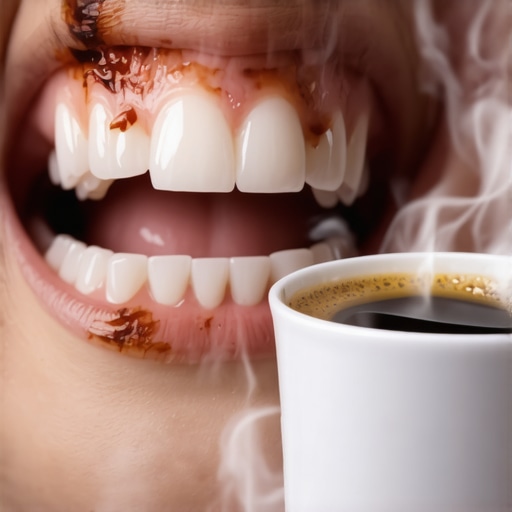
I remember the moment vividly: I was sitting at my kitchen table, coffee in hand, and noticed how my once-bright teeth had taken on an unflattering shade of yellow. It wasn’t just happening gradually; it felt like overnight, my smile was losing its sparkle. That lightbulb moment made me realize—my beloved morning ritual might be doing more harm than I thought.
The Coffee Conundrum: Why Your Morning Brew Is a Teeth Vampire
Coffee is more than just a beverage—it’s a daily ritual, a warm hug in a mug, a necessary start to many of our mornings. But the bitter truth is that coffee contains tannins, compounds that can lead to staining when they latch onto your enamel. Over time, these tannins build up, causing your teeth to lose their whiteness and become more susceptible to decay.
What’s especially frustrating is how quickly this happens. Despite regular brushing, I noticed stains deepening faster than I expected. Early on, I made the mistake of thinking I could out-scrub coffee’s effects, but I learned that stubborn discoloration requires more targeted action.
Thankfully, after testing various solutions and consulting with dental professionals, I discovered strategies that actually work. In this post, I’m going to share the real reasons behind the rapid staining and, more importantly, how you can combat it effectively.
Is Whitening Your Teeth Just a Cosmetic Fix? The Real Deal
Many people, including myself initially, believe that whitening treatments are the ultimate fix. But here’s the thing: I used to think that a quick whitening gel was the magic bullet—until I realized I was repeatedly applying products that didn’t address the root cause. To truly maintain your smile, you need to understand and tackle the staining process itself, not just cover it up. For more expert advice on maintaining a bright smile, check out this article on post-whitening care.
One early mistake I made was neglecting my dental hygiene routine in favor of quick fixes. I didn’t realize that daily habits have a massive impact on stain buildup. Timing is everything, and understanding how coffee interacts with enamel can help you take control before your smile turns grimy.
So, are you tired of your morning coffee ruining your smile almost as soon as you start your day? If so, stay tuned. Below, I’ll walk you through proven strategies to keep your teeth brighter longer, without sacrificing your beloved morning brew.
Master Your Morning Routine for a Brighter Smile
Start with a thorough rinse with water after your coffee to reduce acidity and tannin adhesion on enamel. Use a straw when drinking coffee; this minimizes direct contact with your front teeth, similar to how a straw directs liquid to the back of your mouth, reducing staining risk. For example, I recently switched to using a reusable straw, which cut down my staining noticeably within a week.
Choose the Right Toothpaste and Tools
Opt for a whitening toothpaste containing safe abrasives that gently scrub stains without damaging enamel—think of it as using a fine sandpaper for your teeth. Replace your toothbrush every three months or sooner if bristles fray to maintain effective cleaning, much like changing worn-out paintbrushes for optimal results. I remember mistakenly continuing to use an old brush, which was less effective and felt rough on my gums.
Incorporate Professional Cleanings and Treatments
Schedule biannual professional cleanings to remove plaque and surface stains that regular brushing can’t tackle. Discuss with your dentist options like in-office whitening or custom trays. I once tried an over-the-counter whitening kit that caused sensitivity; my dentist then recommended a professional approach, which yielded better results without discomfort.
Adjust Your Daily Habits to Combat Stains
Limit consumption of staining foods and beverages, or consume them during meals to reduce contact time with teeth. Rinse your mouth with water or brush your teeth about 30 minutes after consuming coffee or dark-colored foods, because rinsing dilutes staining agents and halts tannin absorption. Remember when I neglected to rinse after a latte and noticed stains deepen overnight? That was a wake-up call.
Explore Additional Protectors and Enhancements
Consider applying a dental sealant if you’re prone to staining; it creates a protective barrier on enamel, much like varnish on furniture, preventing stain penetration. Sometimes, a professional sealant lasts several years, offering ongoing defense. I had a friend do this and was surprised how maintained her smile remained despite her coffee habit.
Implementing these practical steps consistently can dramatically improve your ability to enjoy your morning brew without sacrificing your smile’s brightness. Combining proactive habits with professional care is your best strategy to combat stubborn stains and keep your teeth shining confidently every day.
Many patients enter the dental office with preconceived notions about routine procedures like teeth cleaning, crowns, or family dentistry, often believing they understand the basics thoroughly. However, these common beliefs can mask overlooked nuances that might significantly impact oral health outcomes. For instance, the stigma surrounding professional cleaning as merely cosmetic overlooks its role in preventing gum disease and systemic health issues. An often-missed aspect is the importance of timing and technique in these procedures, which some mistakenly think are one-size-fits-all.
Are Your Teeth Cleanings Truly Effective or Just Routine?
Contrary to popular belief that brushing and flossing alone suffice, professional cleanings target hidden plaque and tartar buildup that daily hygiene misses, especially under the gums. Research shows that inadequate cleaning intervals can allow plaque to calcify into tartar, which is resistant to brushing and necessary to remove with specialized tools—making regular professional visits essential for long-term oral health. Furthermore, misconceptions about crowns often lead patients to think they are forever and require no maintenance—when in reality, improperly fitted crowns can cause secondary issues like decay or a metallic taste, especially if the cement or materials degrade over time. An overlooked nuance is that not all crowns are created equal; zirconia crowns, for example, offer superior durability and biocompatibility. Exploring these differences can save patients from costly replacements. When evaluating family dentistry, many assume that children’s dental health is less critical after primary teeth fall out, but neglecting early preventative measures like sealants can lead to future cavities and alignment issues. The myth that sealants are only for cavity-prone kids ignores their proven effectiveness in barrier formation, especially against acidic foods.
In my experience, understanding these advanced nuances can transform how you approach basic oral health routines and planning. For example, do you know that a dental visit can detect early signs of underlying health issues like diabetes or nutritional deficiencies? Recognizing such clues emphasizes the interconnectedness of oral health and overall wellness. Don’t fall into the trap of complacency—regular dental checkups and understanding what most people overlook sharpen your strategy against common pitfalls. Have you ever fallen into this trap? Let me know in the comments. For more insights, check out [this article](https://periodontistcare.com/why-your-breath-smells-like-mothballs-and-how-to-fix-it) on breath health and how it links to underlying oral issues, or discover how professional cleanings reach those stubborn spots that at-home routines can’t tackle.Maintaining optimal oral health requires more than just regular brushing and flossing; it involves the right tools, consistent routines, and understanding how to address challenges as they arise. Personally, I’ve found that investing in high-quality equipment and adopting targeted methods can make all the difference in preserving your smile for years to come. For example, I use an ultrasonic scaler at home twice a year, which my dentist personally recommended for removing stubborn plaque that regular brushing may miss—read more about the importance of professional cleanings [here](https://periodontistcare.com/the-30-second-habit-that-prevents-tartar-buildup).
Why Investing in the Right Instrumentation Pays Off
Using an electric toothbrush with a timer has significantly improved my plaque control. I prefer models that offer oscillating-head technology because they are proven to clean more effectively than manual brushes, as supported by dental research. Additionally, a water flosser has become part of my routine—it’s less invasive and better at clearing debris from tight spaces, particularly after crowns or restorative work. I’ve noticed that this tool helps maintain the integrity of my crowns longer, reducing the risk of secondary decay.
How do I maintain my tools over time?
Proper maintenance of dental tools is crucial for longevity and effectiveness. I make a point of replacing my toothbrush every three months and cleaning my water flosser’s reservoirs weekly to prevent bacterial buildup. For electric brushes, I follow the manufacturer’s cleaning instructions, often just rinsing the head and checking for wear and tear. Remember, a well-maintained tool performs better and reduces the risk of oral infections.
The future of home dental maintenance
Advancements in technology point towards smarter, app-connected dental devices that can track your oral health habits and provide real-time feedback. Imagine a toothbrush that not only detects plaque but also monitors gum health and suggests personalized improvements—this is already in development, and staying informed about these innovations can give you a head start in long-term oral health management.
Consistency is Key: Scaling Your Routine
Scaling your oral care routine involves integrating these tools into daily life and seeking professional advice periodically. I recommend scheduling biannual check-ups, during which my dentist evaluates my crown stability, cavity risk, and gum health, adjusting my maintenance plan as needed. Regular professional cleanings complement your at-home routines, making sure that plaque and tartar don’t evade detection—learn more about this process [here](https://periodontistcare.com/the-gritty-truth-about-natural-whitening-toothpastes).
Try incorporating a water flosser into your routine today. It’s an excellent step toward making your daily maintenance more effective and easier to manage, especially if you’re dealing with crowns or sensitive gums. Remember, investing in the right tools and knowledge now can save you from costly dental issues down the line, so keep your equipment clean, replace parts as needed, and stay informed about new technology that could benefit your long-term oral health.
Looking back, I realized that some of the most impactful lessons about family dentistry and oral health didn’t come from my dentist’s office but from my own trial, error, and curiosity. These revelations transformed how I approach dental care, and I want to share them with you so you can avoid common pitfalls and enjoy a healthier, brighter smile.
What I Wish I Knew About Maintaining Crowns in My 30s
- Initially, I thought crowns were a lifelong fix—turns out, they need proper maintenance and regular checkups to prevent secondary issues like decay or a metallic taste—learn more about how crowns might affect your taste [here](https://periodontistcare.com/the-reason-your-dental-crown-might-be-causing-a-metallic-taste).
- Late-night habits like grinding can damage crowns faster than I expected, revealing the importance of nightguards or custom solutions—discover tips for managing teeth grinding [here](https://periodontistcare.com/how-to-maintain-your-white-smile-after-a-professional-treatment).
- Over-the-counter whitening options are tempting, but professional whitening tailored for crowns and natural teeth produces better, longer-lasting results—find out more about whitening options [here](https://periodontistcare.com/why-professional-whitening-works-when-strips-fail).
Experience the Power of Preventative Family Dentistry
- I was surprised to learn that seals for children are not just for cavities—they serve as a barrier against future decay, especially if your child tends to snack frequently—see why sealants matter [here](https://periodontistcare.com/why-your-child-needs-a-dental-visit-before-their-first-birthday).
- Regular checkups aren’t just about avoiding cavities; dentists can spot systemic issues early, like nutritional deficiencies or even signs of systemic diseases—more on that detection [here](https://periodontistcare.com/the-connection-between-pregnancy-and-increased-gum-sensitivity).
- Addressing gum health early, especially during pregnancy or hormonal changes, can save you from complications, emphasizing that oral health is truly interconnected with overall wellness—learn about gum health’s systemic links [here](https://periodontistcare.com/the-connection-between-your-heart-health-and-your-gum-health).
Transforming My Home Dental Routine for Long-Term Success
- Investing in quality tools like electric toothbrushes with timers and water flossers wasn’t just a luxury; it was a game-changer for plaque control—see which tools I recommend [here](https://periodontistcare.com/the-30-second-habit-that-prevents-tartar-buildup).
- Proper maintenance of my dental instruments, including regular replacement and cleaning, kept them effective and prevented infections—get tips for tool hygiene [here](https://periodontistcare.com/why-professional-cleanings-reach-what-your-electric-toothbrush-misses).
- Technological advancements like app-connected oral devices are making home care smarter and personalized, heralding the future of dental health management—stay ahead with insights [here](https://periodontistcare.com/the-future-of-home-dental-maintenance).
Embrace These Hidden Truths to Keep Smiling Bright
Real knowledge about family dentistry, teeth cleaning, and crowns goes beyond the basics. It’s about understanding your unique needs, investing in the right tools, and being proactive. Your smile is your signature—caring for it thoughtfully can prevent costly procedures and keep you confident every day. Remember, small consistent steps today can yield astonishing results tomorrow.
Insider Wisdom You Won’t Find Elsewhere
- One of the toughest lessons I learned was the importance of timing—delaying dental visits for small issues often turns benign concerns into major problems—check out why regular checkups are essential [here](https://periodontistcare.com/the-gritty-truth-about-natural-whitening-toothpastes).
- I used to believe that whitening was the only answer to stained teeth, but addressing causes like tannin buildup and enamel health gave me more natural, lasting brightness—learn about natural stain prevention [here](https://periodontistcare.com/the-gritty-truth-about-natural-whitening-toothpastes).
- The smallest habit, like rinsing after coffee, can dramatically impact stain accumulation—tiny adjustments in routine protect your investment long-term—see how simple habits make a difference [here](https://periodontistcare.com/why-your-breath-smells-like-mothballs-and-how-to-fix-it).
Let’s Keep the Conversation Going
Have you discovered a family dentistry tip that transformed your oral health? Or maybe a common misconception you wish you’d known sooner? Share your insights below—I’d love to hear how you’re taking control of your smile journey!
}#}#}#}#}#}#}#}#}#}#}#}#}#}#}#}#}#}#}#}#}#}#}#}#}#}#}#}#}#}#}#}#}#}#}#}#}#}#}#}#}#}#}#}#}#}#}#}#}#}#}#}#}#}#}#}#}#}#}#}#}#}#}#}#}#}#}#}#}#}#}#}#}#}#}#}#}#}#}#}#}#}#}#}#}#}#}#}#}#}#}#}#}#}#}#}#}#}#}#}#}#}#}#}#}#}#}#}#}#}#}#}#}#}#}#}#}#}#}#}#}#}#}#}#}#}#}#}#}#}#}#}#}#}#}#}#}#}#}#}#}#}#}#}#}#}#}#}#}#}#}#}#}#}#}#}#}#}#}#}#}#}#}#}#}#}#}#}#}#}#}#}#}#}#}#}#}#}#}#}#}#}#}#}#}#}#}#}#}#}#}#}#}#}#}#}#}#}#}#}#}#}#}#}#}#}#}#}#}#}#}#}#}#}#}#}#}#}#}#}#}#}#}#}#}#}#}#}#}#}#}#}#}#}#}#}#}#}#}#}#}#}#}#}#}#}#}#}#}#}#}#}#}#}#}#}#}#}#}#}#}#}#}#}#}#}#}#}#}#}#}#}#}#}#}#}#}#}#}#}#}#}#}#}#}#}#}#}#}#}#}#}#}#}#}#}#}#}#}#}#}#}#}#}#}#}#}#}#}#}#}#}#}#}#}#}#}#}#}#}#}#}#}#}#}#}#}#}#}#}#}#}#}#}#}#}#}#}#}#}#}#}#}#}#}#}#}#}#}#}#}#}#}#}#}#}#}#}#}#}#}#}#}#}#}#}#}#}#}#}#}#}#}#}#}#}#}#}#}#}#}#}#}#}#}#}#}#}#}#}#}#}#}#}#}#}#}#}#}#}#}#}#}#}#}#}#}#}#}#}#}#}#}#}#}#}#}#}#}#}#}#}#}#}#}#}#}#}#}#}#}#}#}#}#}#}#}#}#}#}#}#}#}#}#}#}#}#}#}#}#}#}#}#}#}#}#}#}#}#}#}#}#}#}#}#}#}#}#}#}#}#}#}#}#}#}#}#}#}#}#}#}#}#}#}#}#}#}#}#}#}#}#}#}#}#}#}#}#}#}#}#}#}#}#}#}#}#}#}#}#}#}#}#}#}#}#}#}#}#}#}#}#}#}#}#}#}#}#}#}#}#}#}#}#}#}#}#}#}#}#}#}#}#}#}#}#}#}#}#}#}#}#}#}#}#}#}#}#}#}#}#}#}#}#}#}#}#}#}#}#}#}#}#}#}#}#}#}#}#}#}#}#}#}#}#}#}#}#}#}#}#}#}#}#}#}#}#}#}#}#}#}#}#}#}#}#}#}#}#}#}#}#}#}#}#}#}#}#}#}#}#}#}#}#}#}#}#}#}#}#}#}#}#}#}#}#}#}#}#}#}#}#}#}#}#}#}#}#}#}#}#}#}#}#}#}#}#}#}#}#}#}#}#}#}#}#}#}#}#}#}#}#}#}#}#}#}#}#}#}#}#}#}#}#}#}#}#}#}#}#}#}#}#}#}#}#}#}#}#}#}#}#}#}#}#}#}#}#}#}#}#}#}#}#}#}#}#}#}#}#}#}#}#}#}#}#}#}#}#}#}#}#}#}#}#}#}#}#}#}#}#}#}#}#}#}#}#}#}#}#}#}#}#}#}#}#}#}#}#}#}#}#}#}#}#}#}#}#}#}#}#}#}#}#}#}#}#}#}#}#}#}#}#}#}#}#}#}#}#}#}#}#}#}#}#}#}#}#}#}#}#}#}#}#}#}#}#}#}#}#}#}#}#}#}#}#}#}#}#}#}#}#}#}#}#}#}#}#}#}#}#}#}#}#}#}#}#}#}#}#}#}#}#}#}#}#}#}#}#}#}#}#}#}#}#}#}#}#}#}#}#}#}#}#}#}#}#}#}#}#}#}#}#}#}#}#}#}#}#}#}#}#}#}#}#}#}#}#}#}#}#}#}#}#}#}#}#}#}#}#}#}#}#}#}#}#}#}#}#}#}#}#}#}#}#}#}#}#}#}#}#}#}#}#}#}#}#}#}#}#}#}#}#}#}#}#}#}#}#}#}#}#}#}#}#}#}#}#}#}#}#}#}#}#}#}#}#}#}#}#}#}#}#}#}#}#}#}#}#}#}#}#}#}#}#}#}#}#}#}#}#}#}#}#}#}#}#}#}#}#}#}#}#}#}#}#}#}#}#}#}#}#}#}#}#}#}#}#}#}#}#}#}#}#}#}#}#}#}#}#}#}#}#}#}#}#}#}#}#}#}#}#}#}#}#}#}#}#}#}#}#}#}#}#}#}#}#}#}#}#}#}#}#}#}#}#}#}#}#}#}#}#}#}#}#}#}#}#}#}#}#}#}#}#}#}#}#}#}#}#}#}#}#}#}#}#}#}#}#}#}#}#}#}#}#}#}#}#}#}#}#}#}#}#}#}#}#}#}#}#}#}#}#}#}#}#}#}#}#}#}#}#}#}#}#}#}#}#}#}#}#}#}#}#}#}#}#}#}#}#}#}#}#}#}#}#}#}#}#}#}#}#}#}#}#}#}#}#}#}#}#}#}#}#}#}#}#}#}#}#}#}#}#}#}#}#}#}#}#}#}#}#}#}#}#}#}#}#}#}#}#}#}#}#}#}#}#}#}#}#}#}#}#}#}#}#}#}#}#}#}#}#}#}#}#}#}#}#}#}#}#}#}#}#}#}#}#}#}#}#}#}#}#}#}#}#}#}#}#}#}#}#}#}#}#}#}#}#}#}#}#}#}#}#}#}#}#}#}#}#}#}#}#}#}#}#}#}#}#}#}#}#}#}#}#}#}#}#}#}#}#}#}#}#}#}#}#}#}#}#}#}#}#}#}#}#}#}#}#}#}#}#}#}#}#}#}#}#}#}#}#}#}#}#}#}#}#}#}#}#}#}#}#}#}#}#}#}#}#}#}#}#}#}#}#}#}#}#}#}#}#}#}#}#}#}#}#}#}#}#}#}#}#}#}#}#}#}#}#}#}#}#}#}#}#}#}#}#}#}#}#}#}#}#}#}#}#}#}#}#}#}#}#}#}#}#}#}#}#}#}#}#}#}#}#}#}#}#}#}#}#}#}#}#}#}#}#}#}#}#}#}#}#}#}#}#}#}#}#}#}#}#}#}#}#}#}#}#}#}#}#}#}#}#}#}#}#}#}#}#}#}#}#}#}#}#}#}#}#}#}#}#}#}#}#}#}#}#}#}#}#}#}#}#}#}#}#}#}#}#}#}#}#}#}#}#}#}#}#}#}#}#}#}#}#}#}#}#}#}#}#}#}#}#}#}#}#}#}#}#}#}#}#}#}#}#}#}#}#}#}#}#}#}#}#}#}#}#}#}#}#}#}#}#}#}#}#}#}#}#}#}#}#}#}#}#}#}#}#}#}#}#}#}#}#}#}#}#}#}#}#}#}#}#}#}#}#}#}#}#}#}#}#}#}#}#}#}#}#}#}#}#}#}#}#}#}#}#}#}#}#}#}#}#}#}#}#}#}#}#}#}#}#}#}#}#}#}#}#}#}#}#}#}#}#}#}#}#}#}#}#}#}#}#}#}#}#}#}#}#}#}#}#}#}#}#}#}#}#}#}#}#}#}#}#}#}#}#}#}#}#}#}#}#}#}#}#}#}#}#}#}#}#}#}#}#}#}#}#}#}#}#}#}#}#}#}#}#}#}#}#}#}#}#}#}#}#}#}#}#}#}#}#}#}#}#}#}#}#}#}#}#}#}#}#}#}#}#}#}#}#}#}#}#}#}#}#}#}#}#}#}#}#}#}#}#}#}#}#}#}#}#}#}#}#}#}#}#}#}#}#}#}#}#}#}#}#}#}#}#}#}#}#}#}#}#}#}#}#}#}#}#}#}#}#}#}#}#}#}#}#}#}#}#}#}#}#}#}#}#}#}#}#}#}#}#}#}#}#}#}#}#}#}#}#}#}#}#}#}#}#}#}#}#}#}#}#}#}#}#}#}#}#}#}#}#}#}#}#}#}#}#}#}#}#}#}#}#}#}#}#}#}#}#}#}#}#}#}#}#}#}#}#}#}#}#}#}#}#}#}#}#}#}#}#}#}#}#}#}#}#}#}#}#}#}#}#}#}#}#}#}#}#}#}#}#}#}#}#}#}#}#}#}#}#}#}#}#}#}#}#}#}#}#}#}#}#}#}#}#}#}#}#}#}#}#}#}#}#}#}#}#}#}#}#}#}#}#}#}#}#}#}#}#}#}#}#}#}#}#}#}#}#}#}#}#}#}#}#}#}#}#}#}#}#}#}#}#}#}#}#}#}#}#}#}#}#}#}#}#}#}#}#}#}#}#}#}#}#}#}#}#}#}#}#}#}#}#}#}#}#}#}#}#}#}#}#}#}#}#}#}#}#}#}#}#}#}#}#}#}#}#}#}#}#}#}#}#}#}#}#}#}#}#}#}#}#}#}#}#}#}#}#}#}#}#}#}#}#}#}#}#}#}#}#}#}#}#}#}#}#}#}#}#}#}#}#}#}#}#}#}#}#}#}#}#}#}#}#}#}#}#}#}#}#}#}#}#}#}#}#}#}#}#}#}#}#}#}#}#}#}#}#}#}#}#}#}#}#}#}#}#}#}#}#}#}#}#}#}#}#}#}#}#}#}#}#}#}#}#}#}#}#}#}#}#}#}#}#}#}#}#}#}#}#}#}#}#}#}#}#}#}#}#}#}#}#}#}#}#}#}#}#}#}#}#}#}#}#}#}#}#}#}#}#}#}#}#}#}#}#}#}#}#}#}#}#}#}#}#}#}#}#}#}#}#}#}#}#}#}#}#}#}#}#}#}#}#}#}#}#}#}#}#}#}#}#}#}#}#}#}#}#}#}#}#}#}#}#}#}#}#}#}#}#}#}#}#}#}#}#}#}#}#}#}#}#}#}#}#}#}#}#}#}#}#}#}#}#}#}#}#}#}#}#}#}#}#}#}#}#}#}#}#}#}#}#}#}#}#}#}#}#}#}#}#}#}#}#}#}#}#}#}#}#}#}#}#}#}#}#}#}#}#}#}#}#}#}#}#}#}#}#}#}#}#}#}#}#}#}#}#}#}#}#}#}#}#}#}#}#}#}#}#}#}#}#}#}#}#}#}#}#}#}#}#}#}#}#}#}#}#}#}#}#}#}#}#}#}#}#}#}#}#}#}#}#}#}#}#}#}#}#}#}#}#}#}#}#}#}#}#}#}#}#}#}#}#}#}#}#}#}#}#}#}#}#}#}#}#}#}#}#}#}#}#}#}#}#}#}#}#}#}#}#}#}#}#}#}#}#}#}#}#}#}#}#}#}#}#}#}#}#}#}#}#}#}#}#}#}#}#}#}#}#}#}#}#}#}#}#}#}#}#}#}#}#}#}#}#}#}#}#}#}#}#}#}#}#}#}#}#}#}#}#}#}#}#}#}#}#}#}#}#}#}#}#}#}#}#}#}#}#}#}#}#}#}#}#}#}#}#}#}#}#}#}#}#}#}#}#}#}#}#}#}#}#}#}#}#}#}#}#}#}#}#}#}#}#}#}#}#}#}#}#}#}#}#}#}#}#}#}#}#}#}#}#}#}#}#}#}#}#}#}#}#}#}#}#}#}#}#}#}#}#}#}#}#}#}#}#}#}#}#}#}#}#}#}#}#}#}#}#}#}#}#}#}#}#}#}#}#}#}#}#}#}#}#}#}#}#}#}#}#}#}#}#}#}#}#}#}#}#}#}#}#}#}#}#}#}#}#}#}#}#}#}#}#}#}#}#}#}#}#}#}#}#}#}#}#}#}#}#}#}#}#}#}#}#}#}#}#}#}#}#}#}#}#}#}#}#}#}#}#}#}#}#}#}#}#}#}#}#}#}#}#}#}#}#}#}#}#}#}#}#}#}#}#}#}#}#}#}#}#}#}#}#}#}#}#}#}#}#}#}#}#}#}#}#}#}#}#}#}#}#}#}#}#}#}#}#}#}#}#}#}#}#}#}#}#}#}#}#}#}#}#}#}#}#}#}#}#}#}#}#}#}#}#}#}#}#}#}#}#}#}#}#}#}#}#}#}#}#}#}#}#}#}#}#}#}#}#}#}#}#}#}#}#}#}#}#}#}#}#}#}#}#}#}#}#}#}#}#}#}#}#}#}#}#}#}#}#}#}#}#}#}#}#}#}#}#}#}#}#}#}#}#}#}#}#}#}#}#}#}#}#}#}#}#}#}#}#}#}#}#}#}#}#}#}#}#}#}#}#}#}#}#}#}#}#}#}#}#}#}#}#}#}#}#}#}#}#}#}#}#}#}#}#}#}#}#}#}#}#}#}#}#}#}#}#}#}#}#}#}#}#}#}#}#}#}#}#}#}#}#}#}#}#}#}#}#}#}#}#}#}#}#}#}#}#}#}#}#}#}#}#}#}#}#}#}#}#}#}#}#}#}#}#}#}#}#}#}#}#}#}#}#}#}#}#}#}#}#}#}#}#}#}#}#}#}#}#}#}#}#}#}#}#}#}#}#}#}#}#}#}#}#}#}#}#}#}#}#}#}#}#}#}#}#}#}#}#}#}#}#}#}#}#}#}#}#}#}#}#}#}#}#}#}#}#}#}#}#}#}#}#}#}#}#}#}#}#}#}#}#}#}#}#}#}#}#}#}#}#}#}#}#}#}#}#}#}#}#}#}#}#}#}#}#}#}#}#}#}#}#}#}#}#}#}#}#}#}#}#}#}#}#}#}#}#}#}#}#}#}#}#}#}#}#}#}#}#}#}#}#}#}#}#}#}#}#}#}#}#}#}#}#}#}#}#}#}#}#}#}#}#}#}#}#}#}#}#}#}#}#}#}#}#}#}#}#}#}#}#}#}#}#}#}#}#}#}#}#}#}#}#}#}#}#}#}#}#}#}#}#}#}#}`