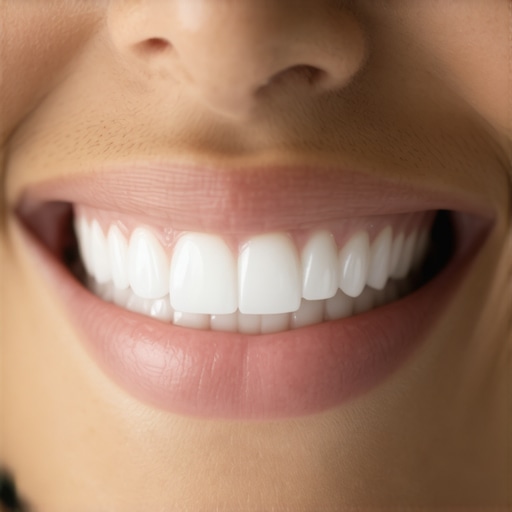
I vividly remember the sinking feeling I had when I looked in the mirror after my dental crown was placed, only to realize it stuck out like a sore thumb against my own teeth. It wasn’t just a minor mismatch; it was a glaring difference that made me self-conscious whenever I spoke or smiled. That moment was a lightbulb for me—something was off, and I needed to understand why my crown didn’t blend seamlessly. If you’ve ever experienced something similar, you’re not alone, and there’s good news: many common reasons behind this issue are actually fixable.
The Hidden Reasons Behind Crown-Teeth Color Discrepancies
Many people underestimate how complex the color match process is when it comes to dental crowns. Unlike natural teeth, which can vary in shade due to factors like age, diet, and habits, crowns are often made from different materials that don’t respond to light in the same way. This can lead to noticeable mismatches, especially if the choice of material wasn’t optimal or if the color was selected hastily.
But here’s the thing —I made a mistake early on myself. The biggest mistake? Trusting the dentist’s initial shade selection without verifying how it would look under different lighting conditions. It seems simple, but lighting and surrounding teeth greatly influence how we perceive color, and failing to consider this can result in a crown that looks quite different from the rest of your teeth.
Curious if your crowns could be the source of your aesthetic frustration? You’re not alone. Many patients don’t realize that factors like staining from coffee or smoking, material differences, or even excessive polishing can contribute to the mismatch. If your crown feels like it’s standing out more than it should, don’t worry—there are solutions.
For example, professional whitening treatments can sometimes help your natural teeth better match the crown, especially if discolored restorations are the issue. Conversely, if the crown itself is the problem, options like re-crowning or using more advanced materials such as zirconia might be the answer.
But before jumping into corrective procedures, it’s crucial to understand what’s truly causing the mismatch. Want to know how to get those colors to align better? Stay tuned, because the next sections will guide you through practical steps and expert tips to harmonize your dental appearance.
Looking back, I wish I had paid more attention to the nuances of shade matching and lighting during my first crown procedure. Avoiding this common mistake can save you a lot of time and frustration. And if you’re curious about maintaining your teeth’s whiteness amidst everyday challenges, I recommend checking out this helpful guide on [how to keep your teeth white while drinking three cups of tea a day](https://periodontistcare.com/how-to-keep-your-teeth-white-while-drinking-three-cups-of-tea-a-day), which offers practical advice rooted in real-world experience.
Identify the Root Cause of the Mismatch
Start by assessing whether the color discrepancy comes from the crown, surrounding teeth, or staining. Use natural light to examine your teeth—artificial lighting can distort color perception. When I noticed my crown’s shade seemed off, I took a photo under different lighting to compare it with my natural teeth, helping me pinpoint whether the issue was with the crown or my enamel.
Maintain Optimal Oral Hygiene to Prevent Discoloration
Brush and Floss Regularly
Consistent brushing with fluoride toothpaste helps prevent stains and decay that can make crowns appear mismatched. Floss daily, especially around the crown, to remove plaque buildup. I adopted a routine that included gentle brushing twice a day with soft-bristled brushes, which kept my natural teeth bright.
Avoid Staining Foods and Drinks
Limiting consumption of coffee, tea, red wine, and dark-colored berries reduces staining. If you indulge, rinse your mouth with water afterward. I noticed that sipping through a straw minimized contact with my front teeth, helping preserve their whiteness.
Enhance the Natural Shade of Your Teeth
Professional Whitening Treatments
Consider in-office whitening or trusted over-the-counter options. When my natural teeth became dull from coffee stains, I opted for a professional whitening session, which significantly improved color harmony between my teeth and crown. Check out this guide for tips on maintaining a white smile post-treatment.
Use Whitening Toothpaste Cautiously
Choose formulas designed for sensitive teeth and avoid abrasive types that can damage crowns. While my whitening toothpaste improved the brightness of my natural teeth, I was careful not to overuse it, as aggressive abrasives can wear down dental restorations.
Consult Your Dentist for Restorative Options
If color mismatch persists, speak with your dentist about re-crowning or selecting different materials like zirconia, which offer better aesthetics. During my visit, my dentist explained how newer crown materials mimic natural translucency and color better, guided by the latest advancements.
Consider Material Choices for Future Restorations
When getting a crown redone, discuss options such as porcelain-fused-to-metal or all-ceramic crowns. These materials provide a more natural appearance, close the gap between your natural teeth and restorations. I recently opted for a zirconia crown, which blends seamlessly with my neighboring teeth.
Practice Consistent Oral Care Habits
Adopt habits that protect your crown’s appearance—regular professional cleanings, avoiding excessive brushing force, and refraining from using your teeth as tools. Regular check-ups help catch issues early, preventing color mismatches or other complications from developing. For detailed tips on cleaning, see this post.
Many people assume that dental crowns are a simple fix that requires little maintenance or consideration, but in reality, there’s a lot of nuance that many overlook. For instance, a prevalent myth is that once a crown is placed, it’s completely maintenance-free. However, neglecting proper oral hygiene habits can lead to issues like staining, decay at the margins, or even crown failure. This is especially true if you think brushing hard or using abrasive whitening pastes won’t affect your restorations—actually, over-aggressive brushing can wear down crowns and gum tissue, leading to more problems over time.
Are All Dental Crowns Created Equal? What You Might Be Missing
People often believe all crowns serve the same purpose or have similar longevity, but different materials have distinct properties. For example, some assume porcelain is universally the best choice, but zirconia crowns offer superior strength with decent aesthetics, making them more suitable for molars subjected to heavy chewing—the recent advancements in crown materials are remarkable, with studies highlighting zirconia’s durability and natural appearance. Yet, many overlook how crucial the correct selection is, which affects both functionality and aesthetics in the long run.
Another common mistake involves family dentistry, where caregivers believe setting regular six-month cleaning appointments is enough. However, many don’t realize that personalized advice based on individual risk factors—like predisposition to gum disease or enamel erosion—is necessary. Routine cleanings are vital, but targeted preventive measures can significantly improve oral health outcomes. For example, in cases of patients with dry mouth, aggressive preventive strategies like sealants or specialized rinses can make a real difference. I’m reminded of how many are unaware that certain drinks or foods can erode enamel faster than soda, like trendy energy drinks—being informed helps you make smarter choices, resulting in healthier teeth over time.
Why Do Some People Still Develop Cavities Despite Good Hygiene?
Even with impeccable brushing and flossing, some individuals still face cavities or decay. This often stems from overlooked factors such as saliva composition, genetic susceptibility, or hidden plaque buildup in areas hard to reach. The link between gum disease and systemic health, including heart disease, is well-established, emphasizing the importance of comprehensive mouth care. Failing to recognize that oral health isn’t just about superficial cleaning but involves understanding underlying risks leads many to neglect vital preventive steps.
To avoid falling into these traps, consider integrating advanced practices like using mouth rinses that strengthen enamel, being cautious with DIY whitening kits that can damage gums and wear enamel, or consulting your dentist for tailored advice. For instance, professional whitening is often more effective and safer than over-the-counter solutions, which might contain abrasives harmful to restorations. Additionally, maintaining regular check-ups that include not just cleanings but also personalized risk assessments can save you time and money in the long run.
Have you ever fallen into this trap? Let me know in the comments. Remember, a nuanced understanding of your oral health can drastically improve your smile’s longevity and appearance, so stay informed and proactive.Maintaining your dental crowns, teeth whitening, and overall oral health requires precision tools and effective methods. I personally rely on a high-quality electric toothbrush, such as the Sonicare DiamondClean, because it provides consistent cleaning power and has multiple modes tailored for sensitive areas and plaque removal. The timer feature ensures that I brush for the optimal two minutes, preventing under- or over-brushing. Additionally, I use a water flosser like the Waterpik Aquarius, which reaches deep into periodontal pockets and around crowns, effectively reducing plaque without damaging delicate gum tissue. Regular use of interdental brushes is also essential, especially in difficult-to-reach areas where traditional floss might not penetrate.
What I Wish I Knew About Color Matching Before My First Crown
One of the most eye-opening lessons was realizing how much lighting and surrounding teeth influence how a crown’s color appears. Trusting initial shade selections without testing under different lights led to mismatches. Now, I always verify my shade in natural sunlight, which has made a significant difference in achieving a seamless look.
The Surprising Power of Consistent Oral Hygiene Practices
Maintaining long-term crown aesthetics isn’t just about the crown itself but also about diligent oral care. From using the right toothbrush to gentle flossing, small habits compound over years. A personal tip: incorporating water flossers has been a game-changer in keeping my crowns and natural teeth clean and stain-free.
How Regular Dental Visits Saved My Smile
Routine check-ups often uncover issues before they escalate, especially around crowns where decay can hide. Early detection of discoloration or margin issues has saved me from needing costly replacements. This experience reinforced the importance of seeing your dentist regularly, not just when problems happen.
Tricks That Improve Confidence and Oral Health
Simple actions like rinsing after staining foods, choosing zirconia crowns for durability, and asking your dentist about advanced materials can make a difference. I found that understanding these options empowered me to make better choices tailored to my lifestyle and aesthetic goals.
Where My Dental Journey Continues to Evolve
While I’ve learned a lot, dental health is ongoing. Staying informed about new materials, whitening techniques, and preventive care ensures my smile remains vibrant. I encourage you to keep exploring and discuss new developments with your dentist—your future self will thank you.
Unlock Your Best Smile with Expert Tips and Tools
For those seeking to enhance their dental health, I recommend investing in a high-quality electric toothbrush like the Sonicare DiamondClean, which ensures thorough cleaning without damaging sensitive restorations. Additionally, using targeted mouth rinses can strengthen enamel and fight decay, especially when combined with regular professional cleanings. For comprehensive advice on maintaining a bright, healthy smile, check out this helpful guide.
Embrace Your Journey Toward a Radiant Smile
Your dental health is a reflection of your self-care and commitment. Every improvement, no matter how small, is a step toward a more confident you. Keep learning, practicing good habits, and never hesitate to seek professional advice to achieve your best oral health. Remember, your smile is worth it—start today!