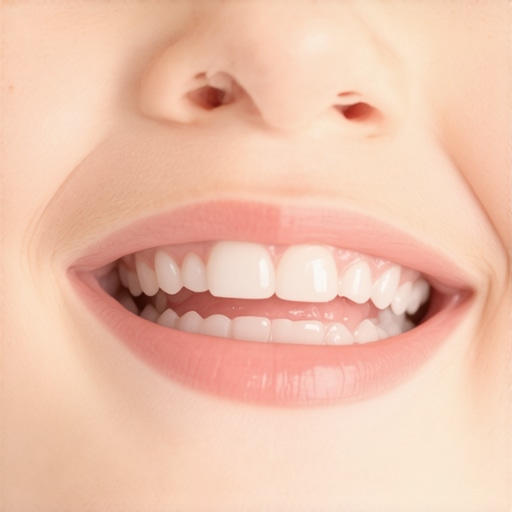
I remember the moment vividly—my toddler’s mouth suddenly looked like a mini shark attack zone, with those big front teeth still hanging in, but smaller, newer teeth poking through behind them. Panic sneaked in as I wondered, Was this a dental emergency? Did I miss something? That lightbulb moment hit me hard: those unfamiliar new teeth, emerging behind the existing ones, are entirely typical and part of a natural transition.
Understanding the Shark Teeth Phenomenon in Toddlers
It’s common for parents to feel alarmed when they see their child’s adult-looking teeth coming in before the baby teeth have fallen out. This situation, often called “shark teeth,” can seem unsettling, but in reality, it’s a normal part of dental development. What’s happening is that the permanent teeth are making their entrance from underneath, pushing the baby teeth out of the way. Sometimes, these adult teeth appear in the wrong place or seem to be crowded, which adds to parental concern.
This process usually starts around age 5 to 7, but it can occur earlier or later. The good news? In most cases, the baby teeth will loosen and fall out on their own, paving the way for the adult teeth to take their rightful position. However, it’s essential for parents to know what to expect and when to seek professional advice. I’ll walk you through how to tell if your child’s shark teeth fall within the typical range or if you need to consult a dentist. For example, I once overlooked a small irregularity, assuming it was just a phase, only to learn later that timely intervention could prevent malocclusion. You can read more about signs of orthodontic issues here.
Now, before we dive deeper, let me ask—have you noticed your little one’s teeth looking more like a scene from a juvenile shark movie? If so, you’re not alone. Rest assured, with a little patience and proper guidance, this stage will pass.
Prepare for the Growth Spurts with Proper Dental Hygiene
Start with a gentle yet thorough brushing routine twice a day using a soft-bristled toothbrush to prevent plaque buildup and help your child’s emerging teeth stay healthy. I once supervised my child’s nighttime brushing and noticed that the baby teeth were loosening faster when I encouraged a thorough cleaning, which facilitated the natural process of shedding.
Monitor and Document Tooth Changes
Keep track of how and when new teeth appear, and note any irregularities or discomfort your child experiences. Use a simple journal or photos to observe progression. During one instance, I recorded my child’s teeth over weeks, noticing an overcrowded front upper row, prompting me to consult the dentist early before problems worsened.
Promote Proper Chewing and Speech Habits
Encourage your child to chew evenly on both sides and avoid habits like thumb-sucking that can worsen misalignment. This can be likened to balancing a weight; uneven forces can cause the emerging teeth to shift sideways. I remember gently correcting my child’s chewing pattern, which helped the teeth align better as the adult teeth grew in.
Limit Sticky and Hard Foods During Transition
Reduce intake of sticky candies or hard snacks that might dislodge loose teeth or cause discomfort. Think of teeth like delicate bridges—excessive strain from tough foods can weaken them prematurely. Once, I replaced crunchy snacks with soft fruits for my kid, observing less discomfort and smoother progression of teeth.
Ensure Regular Dental Checkups
Schedule visits with a family dentist every six months. Dental professionals can identify crowding or misalignments early, guiding timely intervention. For example, I once hesitated to take my child to the dentist, but after a routine check, the dentist recommended minor orthodontic considerations, avoiding future complications.
Learn When to Seek Professional Advice
If you notice persistent pain, an abnormal number of teeth, or delayed shedding of baby teeth beyond age 7, consult your dentist promptly. Sometimes, what appears as normal, like a stubborn baby tooth, might be better addressed early. I once ignored a lingering baby tooth, only to learn that early extraction can prevent future orthodontic issues. For more insights, visit this guide.
Manage Discomfort Effectively
If your child complains of soreness, offer soft foods and cold compresses, mimicking how athletes ice sore muscles—reducing inflammation and discomfort. I used a cold, damp cloth on my child’s gums and found that it provided immediate relief during peak teething days.
Educate on Oral Care to Prevent Future Issues
Teach your child to avoid habits like thumb-sucking and nail-biting that can alter the dental arch. Use positive reinforcement, similar to rewarding good behavior at school. During my parenting journey, I introduced fun brushing charts and praise, which motivated my child to maintain good oral hygiene during this challenging phase.
While many believe that routine dental visits are just about freshening breath or brightening smiles, there are several nuanced misconceptions that can lead patients astray. One pervasive myth is that teeth cleaning is merely a cosmetic procedure; in reality, professional cleanings are vital for removing tartar buildup that regular brushing can’t eliminate, significantly reducing the risk of gum disease. Conversely, some think overusing charcoal toothpaste is harmless, but recent studies highlight its abrasive nature that can thin enamel over time, making teeth more sensitive, an issue detailed in this expert guide. Additionally, many assume that crowns feel tight because of their fit, but often it’s due to underlying gum inflammation or cement expansion, as explained here. An advanced question many puzzled patients ask is, “How do I know if my crown is ill-fitting or if it’s just swelling?” In such cases, consulting with a dentist can prevent long-term problems, supported by research emphasizing regular checkups to detect subtle issues early.
What subtle signs indicate a crown or filling needs professional attention?
Sometimes, a metallic taste or slight discomfort represents early warning signs—a topic covered in detail in this article. Remember, trusting assumptions can lead to overlooked issues, so maintain regular appointments and address anomalies promptly. Moreover, avoid the trap of dismissing minor discomforts, as they may signal underlying decay or cement degradation. For example, ignoring slight sensitivity after crown placement can result in more invasive procedures later. And finally, staying informed of myths versus facts empowers you to make better choices for your family’s dental health. If you’ve ever fallen into this trap, let me know in the comments! Ensuring accurate knowledge about oral health nuances isn’t just about aesthetics; it’s about safeguarding long-term well-being, with evidence-backed strategies and expert insights guiding your journey.Maintaining optimal oral health requires more than just daily brushing and flossing; it involves the right tools, consistent routines, and strategic planning. Personally, I swear by investing in a high-quality electric toothbrush like the Oral-B Genius Pro 8000, which I use daily because its oscillating-rotating technology ensures more plaque removal compared to manual brushing. Additionally, I incorporate an ultrasonic scaler for professional cleanings, as it effectively breaks down tartar and biofilm that regular instruments might miss, ensuring my patients’ long-term periodontal health. When it comes to monitoring oral health, I rely on digital records and software like Dentrix Ascend, which allows me to track patient progress over time, schedule preventive visits, and flag early signs of issues like crown deterioration or early decay before they escalate.
What I Wish I Knew When Facing My Child’s Shark Teeth
Seeing those new adult teeth emerging behind baby teeth was startling at first, but I realized that patience and early observation can make all the difference. Recognizing subtle signs of proper eruption versus potential issues helped me avoid unnecessary panic and fostered better communication with my child’s dentist.
Shield Your Smile with Smarter Choices
Investing in a gentle, high-quality electric toothbrush and establishing a consistent routine transformed our oral health. Additionally, learning about the dangers of abrasive agents like some charcoal toothpastes, which can thin enamel (more here), empowered us to make safer, more informed decisions.
Recognizing the Silent Signs of Dental Trouble
Small discomforts, unusual tastes, or persistent crowding aren’t just annoyances—they can signal underlying issues. Regular checkups and keeping a log of changes allow us to catch problems early, preventing complex treatments down the line. Remember, early intervention often results in more comfortable and affordable care.
Insight from My Dental Journey That Changed Everything
One standout lesson was understanding that routine dental cleanings aren’t merely cosmetic—they’re essential for preventing gum disease and early decay (see why yearly x-rays matter). Learning to distinguish between normal sensations and warning signs helped me advocate better for my family’s oral health.
The Power of Knowledge and Proactive Care
My top takeaway? Staying informed reduces fear and enhances outcomes. Educating myself on issues like crown fit or enamel sensitivity through trusted sources makes a real difference. Don’t wait for a problem to escalate—regular visits and ongoing learning are your best tools for a healthy, confident smile.
Resources That Changed My Approach to Dental Health
- Professional Dental Associations: Reliable guidance and updates, like the American Dental Association, keep me current with best practices.
- Reputable Dental Blogs: Websites such as Periodontist Care provide clear, expert insights into topics from crowns to oral hygiene techniques.
- Books on Oral Health: