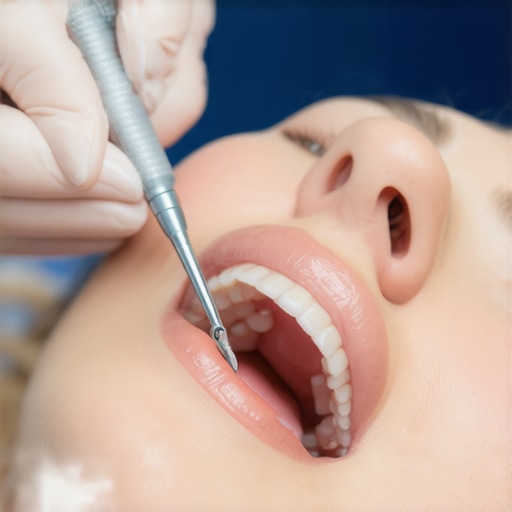
I remember the moment vividly—biting into my favorite apple, expecting that satisfying crunch, only to feel a strange looseness in my mouth. My filling, which I thought was secure, had given way again. Frustrating? Absolutely. Disheartening? Definitely. But I realized that this recurring problem wasn’t just a matter of bad luck—there’s a deeper reason behind why your fillings keep falling out, and understanding it can save you time, money, and dental anxiety.
If you’re like me, dealing with fillling issues can feel like a never-ending cycle. You get a new one, think it’s all set, and then suddenly, it’s loose or falls out altogether. This not only affects your smile but can also be a gateway for bacteria, leading to bigger dental problems down the line.
Today, I want to walk you through the true reasons behind this frustrating issue and share practical steps to keep your dental work intact. No more surprises, no more unexpected bills—just real, actionable advice to help you reclaim your oral health.
Why Do Fillings Keep Falling Out
One of the most overlooked reasons I discovered early on is that many people underestimate the importance of proper preparation and maintenance. A common mistake I made was neglecting the underlying causes that lead to filling failures. For instance, ignoring the health of your enamel or the habits that damage your teeth can compromise even the best dental work.
Furthermore, the materials used for fillings aren’t all created equal. Metallic amalgams versus composite resins each have their strengths and vulnerabilities. When not chosen wisely or when the material isn’t suitable for your lifestyle, the likelihood of failure increases.
Additionally, habits like teeth grinding, clenching, or eating very sticky or hard foods can put undue stress on fillings, causing them to loosen or fall out prematurely. For example, grinding can wear down the filling or weaken the bond over time. I learned this the hard way when I ignored my nighttime teeth grinding, which contributed to my fillings coming loose.
If you want to understand more about how habits impact your dental restorations, check out this insightful article on [how to stop teeth grinding from destroying your enamel](https://periodontistcare.com/how-to-stop-teeth-grinding-from-destroying-your-enamel). It’s a common mistake that can be easily addressed once you realize its role in filling longevity.
Finally, underlying issues like decay beneath the filling or decay in neighboring teeth can cause the filling to lose its grip. It’s crucial to have regular dental exams so your dentist can spot these problems early. Missing routine check-ups often results in tiny issues escalating, making your fillings more prone to falling out.
So, if you’ve been wondering why your dental restorations keep dislodging, it’s likely a blend of material choice, habits, and ongoing oral health maintenance. Recognizing these factors is the first step toward fixing the root cause—not just patching the problem temporarily.
Are you currently facing this issue? If so, keep reading—I’ll guide you through proven strategies to strengthen your teeth and protect your dental work. Your smile deserves it.
Prioritize Proper Oral Hygiene
Maintain daily brushing with a soft-bristled electric toothbrush, focusing on gentle strokes to avoid stressing your fillings. Incorporate fluoride toothpaste to protect enamel and prevent decay under or around existing restorations. Regular brushing prevents plaque buildup, which can weaken the bond of fillings, similar to how debris can undermine a building’s foundation. I once switched to an electric toothbrush, aligning my brushing technique with recommended steps, and noticed my fillings felt more secure over time.
Floss with Care and Consistency
Floss at least once daily using proper technique—slide the floss gently between teeth, curving it around each tooth and cleaning below the gumline. This removes hidden plaque and prevents decay that can loosen fillings. For stubborn spots, try floss picks or water flossers, but avoid aggressive movements that might dislodge a restoration. I found that gently flossing after meals helped maintain my fillings longer, and I checked out tips on effective interdental cleaning.
Limit Sticky and Hard Foods
Refrain from chewing gum, caramel, or eating hard candies that can exert excessive pressure on fillings, especially in molars. Sticky foods can pull at restorations, much like trying to rip a band-aid without tearing it properly. During a recent visit, I started avoiding caramel apples after a dentist warned me about the stress these foods place on dental work. Opt for softer foods to protect your investment in oral health.
Manage Teeth Grinding and Clenching
If you grind or clench your teeth, especially at night, discuss this with your dentist. A custom mouthguard can distribute forces evenly, preventing undue stress on fillings. I took this step after noticing my fillings becoming loose more frequently; the mouthguard I received significantly reduced the pressure on my teeth, extending the life of my restorations. Learn more about protecting your enamel from grinding at this resource.
Schedule Regular Dental Checkups
Visit your dentist every six months for professional cleanings and examinations. Routine x-rays can detect decay or issues beneath fillings before they become noticeable. Think of these visits as routine inspections—like servicing a car—to ensure everything functions correctly. I keep a calendar reminder for my checkups, which has helped me catch small problems early, saving money and avoiding emergency repairs. Regular visits also allow your dentist to evaluate the integrity of your restorations and advise on replacements if needed.
Address Underlying Problems Promptly
If you experience pain, sensitivity, or if a filling feels loose, contact your dentist immediately. Delaying treatment can lead to decay or damage that compromises the entire tooth structure. For example, after noticing increased sensitivity, I promptly visited my dentist and discovered early decay beneath a filling, which they replaced before further damage occurred. Staying vigilant ensures your smile stays healthy and your restorations last longer.
Many believe that brushing twice a day and visiting the dentist annually are enough for optimal oral health. However, this oversimplification masks nuanced realities. For example, the common myth that hard brushing cleans teeth better can actually damage enamel and gums, leading to increased sensitivity and recession. In my experience, overemphasizing brushing force without proper technique can cause more harm than good, a point corroborated by the American Dental Association, which recommends gentle brushing with soft-bristled brushes to prevent enamel erosion and gum recession.
Another widespread misconception is that teeth whitening is purely superficial and unnecessary. In reality, professional whitening can improve not only aesthetics but also boost oral hygiene motivation, leading to healthier habits. But beware of DIY kits—they often contain aggressive agents that can weaken enamel or cause sensitivity if misused. Learning the correct timing and application methods is crucial, and consulting a dentist ensures safe, effective results. For instance, proper timing—avoiding whitening immediately after acidic foods—can protect enamel, as highlighted in a recent study demonstrating enamel’s vulnerability post acid exposure.
An often overlooked aspect is family dentistry. Many parents assume regular cleanings are sufficient for children; however, early assessment of fluoride treatment, sealants, and bite alignment is vital forPreventing cavity formation and correcting developmental issues. Delay in addressing these can lead to more complex problems later. The benefits of early intervention are well-documented, showing that preventive care at a young age diminishes the need for extensive restorations down the line.
When it comes to crowns, many mistakenly believe that they are indestructible, neglecting the importance of maintenance and proper usage. Crowns can feel tight after eating sweets due to changes in moisture and swelling; recognizing these signs prevents unnecessary worry and misdiagnosis. Moreover, ignoring minor leaks under crowns can escalate into decay, necessitating costly replacements. Regular checkups can detect such issues early, prolonging crown lifespan. Read more about managing crown care and avoiding common pitfalls [here](https://periodontistcare.com/why-your-crown-feels-tight-when-you-eat-sweets).
In summary, true oral health extends beyond simple routines. It requires understanding the nuances—such as avoiding aggressive brushing, timing whitening procedures correctly, early pediatric assessments, and vigilant crown maintenance. Recognizing these hidden factors can transform your dental care approach. Remember, every detail counts in preserving your smile.
Have you ever fallen into this trap? Let me know in the comments.
Maintaining the longevity of your dental work, especially crowns and fillings, requires more than just routine brushing and flossing. Investing in the right tools and adopting effective methods can make a significant difference in keeping your smile functional and beautiful over time. One of my personal game-changers has been using a sonic toothbrush, which offers superior plaque removal compared to manual brushes. The oscillating head reaches deep into gum pockets and gently stimulates tissue, reducing inflammation and preventing decay around restorations.
Switching to a water flosser was another upgrade I highly recommend. Unlike traditional floss, a water flosser uses a pressurized stream of water to dislodge plaque and debris from complex areas, including under crowns and around braces. I noticed a remarkable decrease in gum bleeding and staining after integrating this device into my daily routine. For optimal results, ensure you adjust the pressure setting to a comfortable level—aggressive water streams can sometimes do more harm than good.
Beyond tools, I find that keeping detailed records of my dental history — including previous restorations, sensitivity episodes, and recommended future visits — helps me stay organized and proactive. Using digital apps designed for personal dental tracking provides alerts for upcoming checkups and helps you monitor any recurring issues, like loose crowns or early signs of decay. As technology advances, I predict that remote monitoring devices may become standard, allowing dentists to track oral health in real time and intervene before problems escalate.
How do I maintain my dental tools over time?
Proper maintenance of your dental tools is essential. Rinsing your sonic toothbrush head thoroughly after each use and replacing it every three to four months ensures optimal cleaning efficiency. For water flossers, soaking the tip in an antiseptic solution weekly can prevent bacterial buildup. Remember, dirty tools can harbor bacteria and compromise your oral health, so regular cleaning is non-negotiable.
Seeking out high-quality dental products tailored to your specific needs can also prolong the lifespan of your restorations. For example, choosing fluoride-rich toothpaste helps fortify enamel and prevents secondary decay, especially around crowns. If you’re worried about acid erosion from morning smoothies or citrus fruits, consider protective measures like using a straw or applying a fluoride varnish — learn more about how to shield your enamel.
Looking ahead, the evolution of dental technology suggests that AI-powered diagnostics and personalized treatment plans will become mainstream. This shift will allow for more precise and preventative care, ultimately extending the lifespan of your dental restorations. Embracing these innovations now, like leveraging quality tools and maintaining them diligently, will put you ahead in your oral health journey.
Don’t underestimate the power of simple, disciplined practices—try integrating a high-quality sonic toothbrush and a water flosser into your daily routine today. These tools not only improve your current oral health but also lay the foundation for longer-lasting dental work and healthier teeth for years to come.
The Hardest Lesson I Learned About Longevity of Dental Restorations
I once believed that as long as I brushed and visited my dentist regularly, my fillings would last forever. Turns out, neglecting the subtle influences—like grinding habits or certain foods—can silently sabotage even the best dental work. Recognizing these overlooked factors was a game-changer, teaching me that oral health is truly a complex puzzle, where every piece matters. Now, I pay close attention to my habits, ensuring I protect my smile from hidden threats.
Tools That Transformed My Dental Routine
Discovering a sonic toothbrush and a water flosser revolutionized how I care for my teeth. These tools are more than gadgets; they’re dependable allies in maintaining the integrity of fillings and crowns. With gentle yet thorough cleaning, I noticed fewer issues and longer-lasting restorations. I trust these because they complement professional care and address the hard-to-reach areas—ensuring my dental investments remain intact over time. For deeper insights, check out the best time for your child’s dental visits to keep the habit consistent.
The Power of Consistency and Vigilance
Regular dental checkups have become my early warning system. Catching tiny decay or minor damage early prevents costly repairs down the line. I’ve learned that being proactive rather than reactive saves both my budget and my peace of mind. Monitoring even minor changes—like slight looseness or sensitivity—empowers me to act swiftly. Remember, even seemingly insignificant issues can hint at bigger problems lurking beneath the surface, akin to recognizing the early signs of a storm brewing.
Insider Wisdom from My Challenging Experiences
– Avoid aggressive brushing; it can weaken the bond of your fillings rather than strengthen it.
– Limit sticky and hard foods to prevent dislodgement and cracks.
– Address habits like teeth grinding to reduce stress on restorations.
– Never delay visiting your dentist if you notice any changes—early intervention preserves your smile.
These lessons have been invaluable, shaping my approach from a cautious, informed perspective. They’re insights I wish I had known sooner, and I hope they help you avoid the same pitfalls.
Explore My Favorite Dental Resources
Over the years, I’ve curated tools and reading that truly improve my understanding of oral health:
- Professional-grade tools: A high-quality sonic toothbrush and water flosser—essential for daily maintenance and protecting dental restorations.
- Trusted literature: Guides on routine cleanings and crown care have deepened my knowledge.
- Community insights: Participating in dental forums and reading peer stories help me stay motivated and informed.
Your Smile, Your Power to Protect
Remember, your dedication to consistent, mindful oral care shapes the longevity of your dental work. Each small habit builds a fortress around your smile, ensuring it radiates confidence and health for years. Embrace the proactive mindset—your future self will thank you. If you’ve ever wondered how to maintain your fillings best or faced challenges with crowns, share your experiences below. Your stories could inspire others to keep their smiles shining bright!