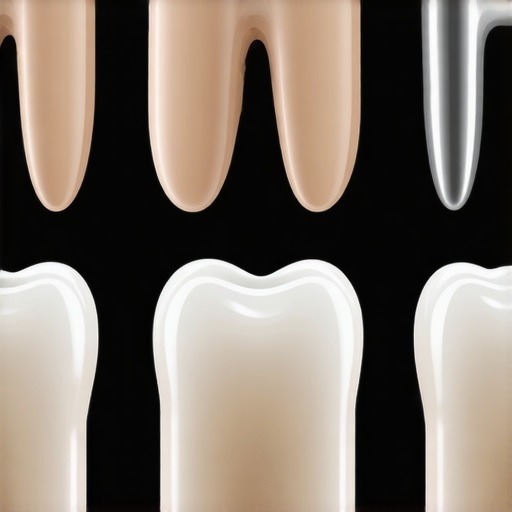
It was the kind of morning I won’t forget—spitting out my coffee in shock when I caught a glimpse of my reflection and realized my front tooth had a tiny chip. At that moment, I felt that sinking feeling—how could a small crack change my entire smile? That was my lightbulb moment. I needed to understand not just how to fix it, but how to choose the right crown material that would blend seamlessly and last. If you’ve ever faced a similar dilemma, you’re not alone.
The Real Reason You Should Care About Your Crown Material
When it comes to dental crowns, the material you choose isn’t just about appearance—it’s about durability, biocompatibility, and how well it matches your lifestyle. The wrong choice can lead to frequent replacements, discomfort, or a smile that doesn’t quite look right. I learned this the hard way early on, opting for a cheaper, less suitable material only to find myself back in the chair months later. That mistake taught me the importance of informed decision-making, which I want to help you do today.
Is All the Hype About Crown Materials Truly Worth It?
Many folks, including myself at first, underestimate how crucial the right material is. I used to think any crown would do, but I discovered that not all materials are created equal. Some, like porcelain, are excellent for aesthetics but might be less durable, especially if you’re a grinder. Others, like metal alloys, last longer but may not blend naturally with your teeth. Understanding these differences can save you time, money, and mental stress in the long run.
Early in my journey, I also made the mistake of ignoring the importance of compatibility with my gum tissue—leading to irritation and even sensitivity. According to recent studies, choosing a biocompatible material reduces the risk of allergic reactions and gum problems (source: The Benefits of Sealants), which is something I wish I had known sooner.
So, if you’re contemplating your next crown, ask yourself: Have I considered which material will stand up to my daily habits while still looking natural? The good news is, there are options tailored for different needs, and making an informed choice can ensure your smile stays beautiful and functional for years to come. Ready to dive into how to pick the perfect crown material for your front tooth? Let’s explore the options that might work best for you.
Assess Your Lifestyle and Dental Needs
Start by evaluating how you use your teeth daily. If you grind or clench, consider a durable material like metal alloys or zirconia. For a natural look in the front teeth, porcelain or ceramic crowns are better. I recommended a self-assessment after a night of grinding, which helped me realize I needed a stronger material to prevent chipping. Knowing your habits will guide your choice.
Consult Your Dentist and Review Options
Schedule a professional consultation to discuss available crown materials. Your dentist can explain the pros and cons of each, much like choosing between a sturdy steel ladder or a lightweight aluminum one. During my visit, I asked my dentist to compare porcelain and zirconia, which led me to select zirconia for its strength and aesthetics. Don’t hesitate to ask for samples or photos of past cases to set expectations.
Understand the Material’s Longevity and Compatibility
Research how long different crowns typically last and how they interact with your oral environment. For instance, metal crowns can last decades but may be visible, whereas porcelain may need replacing after 10-15 years. Personally, I learned that zirconia crowns offered the best balance, and I appreciated their resistance to staining. Also, ensure the material suits your gum tissue to avoid irritation—something I experienced when ignoring biocompatibility.
Evaluate Cost and Insurance Coverage
Compare costs for various materials, understanding that higher durability often comes with a higher price. Review your dental insurance benefits to see what’s covered. I encountered this when I realized porcelain crowns were partially covered, prompting me to opt for a more affordable yet durable zirconia option. Budget planning here saves surprises at the payment desk.
Consider Aesthetic Expectations
Decide how natural you want your smile to look. Porcelain and ceramic options mimic real enamel closely, ideal for front teeth. I chose porcelain after seeing how seamlessly it blended with my natural teeth, which boosted my confidence. Remember, the color of the crown should match your surrounding teeth to prevent a noticeable difference.
Think About Maintenance and Care
Different materials require varying upkeep. Metal crowns are low maintenance, but porcelain crowns may need cautious cleaning to prevent chipping. During my initial use, I learned to avoid abrasive toothpaste to preserve aesthetics, especially with porcelain. Regular check-ups ensure longevity; plan to visit your dentist every 6 months for professional cleaning and evaluation.
Match the Material with Your Personal Preferences and Lifestyle
Finally, align your choice with what matters most—durability, appearance, cost, or comfort. For example, I valued durability over aesthetics and chose zirconia, which has held up well over five years. Remember, a well-informed choice leads to a long-lasting, satisfying result that maintains your smile’s health and beauty.
Many people believe that regular brushing and flossing are enough to maintain optimal oral health, but in reality, there’s a lot more beneath the surface. A common misconception is that all dental products and routines are equally effective, but the devil is in the details. For example, overusing mouthwashes containing alcohol can cause dry mouth, paradoxically increasing cavity risk, a nuance many overlook. It’s also a myth that hard-bristled brushes clean better; in fact, they can damage gums and enamel over time, leading to deeper issues. Research shows that brushing too aggressively is a frequent mistake, which can accelerate recession and sensitize teeth (source: How to brush with an electric toothbrush).
Ever wondered why some people develop persistent gum inflammation despite diligent care? The culprit might be overlooked stress-related factors, such as hormonal fluctuations, that impair immune response and exacerbate bleeding gums. I once ignored stress management, which led to recurrent bleeding, highlighting that oral health is intricately linked with overall wellness. For a deeper dive, see how stress directly impacts gum health on our site.
### Are You Falling for the Biggest Oral Care Trap?
One trap I see often is dismissing the importance of professional cleanings, assuming daily routines suffice. This is misleading because plaque and tartar accumulate where brushes can’t reach, fueling periodontal disease. Regular dental visits—at least twice a year—are essential to catch issues early and employ advanced tools like periodontal probes or scaling devices that aren’t available over the counter. Missing these appointments can quietly erode your oral health, leading to costly restorative procedures later.
Additionally, many believe that crowns are purely aesthetic, but they also serve critical protective roles. A hidden nuance is that improper crown placement can cause occlusal misalignments, which may lead to jaw pain and uneven wear, often mistaken for temporomandibular joint disorders. Technological advances, such as zirconia crowns, provide both durability and aesthetic appeal, but choosing the wrong material without proper consultation can accelerate failure.
Are you aware of how subtle these mistakes can be? Protect your smile by being vigilant about the little details—like not rushing your routine or ignoring professional advice. Remember, proactive care goes beyond flossing and brushing; it involves understanding the complex interplay of material science, biology, and lifestyle factors. If you’re curious about how to optimize your dental routine or want to avoid pitfalls, browse our related articles to stay informed.
In summary, while the basics are essential, mastering the nuances makes the difference between good and excellent oral health. By paying attention to these hidden factors, you can prevent minor issues from becoming major problems. Have you ever fallen into this trap? Let me know in the comments.
Keeping Your Dental Maintenance in Check
Properly maintaining your dental tools, such as electric toothbrushes and flossers, directly influences the longevity of your crowns and overall oral health. I personally rely on a high-quality sonic toothbrush like the Philips Sonicare DiamondClean because of its proven ability to remove plaque effectively without damaging delicate restorations. Regularly replacing toothbrush heads—every three months—is essential to prevent bacterial buildup and maintain optimal cleaning power. For flossing, I recommend using waxed, shred-resistant floss; it glides smoothly and minimizes the risk of damaging crowns or existing restorations.
Embracing Advanced Cleaning Tools
Tools like water flossers (e.g., Waterpik) are game-changers, especially for crowns or bridges where traditional floss may struggle. I’ve personally found that water flossers remove debris from hard-to-reach areas more comfortably, particularly around crowns with irregular margins. Additionally, using a tongue scraper daily helps reduce bacteria that contribute to plaque buildup—aiding in maintaining crown integrity and fresh breath. Employing a plaque disclosing tablet weekly serves as an effective visual aid to identify missed spots, making your routine more efficient.
Why Tool Up with Professional Support
While your daily routine is critical, professional cleanings are equally vital. Dental hygienists use ultrasonics and specialized polishers that safely clean around crowns and implants. Regular visits—at least twice a year—help catch issues early, like plaque accumulation or minor wear that could compromise the fit or appearance of your crowns. My own appointments often include assessment of crown margins using gentle Explorer probes, ensuring everything remains snug and functional.
Stay Ahead with the Latest in Oral Care Technology
Innovations continue to improve our ability to care for restorations. For example, a recent study (see source) highlights the benefits of laser-guided cleaning devices that remove calculus without damaging the enamel or crown surfaces. These advancements indicate that in the future, more precise tools will become accessible for home use, making maintenance more effective and less invasive.
How do I keep my crowns and tools working over time?
Implementing meticulous daily cleaning with quality tools, scheduling regular professional checkups, and staying informed about emerging technology are key steps. Additionally, avoiding hard foods that can chip or crack crowns preserves their integrity—this is especially crucial for ceramic restorations. Remember, the goal is to prevent issues before they arise; small daily habits compound into long-term success. I challenge you to try upgrading your electric toothbrush head or adding a water flosser into your routine for one month to experience noticeable improvements in your oral health.
The Hidden Wisdom I Gained About Crowns and Oral Care
- My biggest mistake was neglecting the importance of material compatibility—understanding how different crowns interact with my daily habits saved me from future repairs and discomfort.
- I learned that a personalized approach to choosing crown material, considering both aesthetics and durability, can extend the life of your dental work significantly—you shouldn’t settle for a one-size-fits-all solution.
- Regular professional evaluations proved invaluable; my dentist uncovered early signs of wear around my crown, demonstrating that proactive maintenance is key to avoiding costly surprises down the line.
- Simple daily habits, like avoiding abrasive toothpaste and being mindful of what I chew, can make a remarkable difference in preserving both the crown and the health of my natural teeth.
My Go-To Resources for Deepening Dental Wisdom
- PeriodontistCare Blog: An invaluable source for detailed, practical advice—I’ve found their articles on crown materials and maintenance to be trustworthy and easy to understand.
- The Durability of Modern Materials: Scientific studies published online provide insights into which crown materials genuinely stand the test of time; I rely on peer-reviewed sources to make informed decisions.
- Professional Dental Associations: Groups like the American Dental Association offer guidelines that help keep my knowledge up-to-date on best practices and innovations in restorative dentistry.
- Personal Experiences and Testimonials: Hearing from others who’ve navigated similar choices provided perspective I couldn’t find elsewhere; sharing stories fosters a community of empowered dental consumers.
Your Smile is Worth the Investment—Act Now
“Embark on your journey to a healthier, more resilient smile today. Every small step—whether choosing the right crown material or maintaining daily routines—builds towards long-term confidence and well-being. Don’t wait for issues to arise; proactive care ensures your natural teeth and dental restorations serve you well for years to come.”
What has been your biggest challenge in maintaining your dental crowns or oral health? Share your story below—I love hearing how others are taking charge of their smiles.