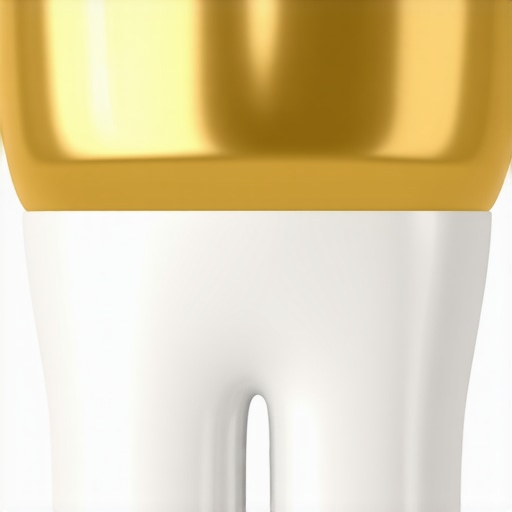
I remember the first time I saw a patient return with a fractured dental crown, and it wasn’t a porcelain — it was a gleaming gold one. That moment hit me like a lightning bolt. Here I was, thinking modern materials had completely overtaken traditional ones, only to realize that gold, with all its history, still outperforms in durability and resilience. It made me wonder: why do so many people overlook gold for their back crowns when it has stood the test of time?
In today’s post, I want to share my personal insights and the science behind why gold remains an excellent choice for back molar crowns. Whether you’re considering a crown replacement or just curious about the best materials, knowing the facts can help you make informed decisions about your oral health.
Gold Crowns: A Time-Tested Solution for Longevity
The durability of gold crowns is one of their most celebrated qualities. Unlike porcelain or zirconia, gold is highly resistant to chipping, cracking, and wear from chewing. I’ve seen porcelain crowns that look pristine after a few years only to chip or fracture unexpectedly. Gold, on the other hand, maintains its integrity over decades.
Early in my career, I made the mistake of assuming that modern ceramics with their natural teeth appearance would always be superior. It wasn’t until I witnessed a patient’s porcelain crown shatter from a hard bite that I truly appreciated gold’s resilience. This incident reinforced my trust in gold as a backup material, especially for molars that endure the most biting force.
But durability isn’t the only benefit. Gold crowns also cause less wear on opposing teeth, which is a common concern with some porcelain options. Plus, they’re biocompatible, meaning they’re less likely to cause allergies or irritation.
If longevity and functionality are your top priorities, especially for your back teeth, gold crowns deserve serious consideration. Curious about how they compare with other materials? Check out [here](https://periodontistcare.com/why-your-gums-might-recede-even-if-you-never-had-a-cavity) for more insights into crown materials and their impact on your oral health.
So, have you faced a problem with a crown that didn’t hold up? Or maybe you’re weighing your options for your next dental procedure? In the upcoming sections, I’ll guide you through what makes gold a smart choice and how to ensure your crowns last as long as possible with proper care and maintenance.
Establish a Daily Oral Hygiene Routine
Start by brushing your teeth twice daily using a soft-bristled toothbrush to prevent damage to your crown and surrounding gums. Use gentle circular motions and ensure you clean all surfaces, including the gum line. Floss carefully around the crown’s margins to remove plaque buildup and prevent decay, just like you would take care of a delicate piece of jewelry. Remember, consistency is key to avoiding issues like crown loosening or decay beneath the crown.
Choose the Right Dental Products
Select fluoride toothpaste designed for sensitive teeth if your crown area feels sensitive after cleaning. Incorporate interdental brushes or water flossers—they are highly effective for cleaning hard-to-reach areas around crowns and bridges. I once had a patient who struggled with flossing due to tight spaces; switching to a water flosser drastically improved their oral health and preserved their crown. For more techniques, see teeth cleaning secrets.
Maintain a Healthy Diet and Lifestyle
Avoid sugary snacks and acidic drinks that can erode enamel and weaken cement bonds. Focus on fiber-rich fruits, vegetables, and dairy to support oral health. Also, limit alcohol and smoking, which can impair gum and tissue healing. Remember, your crown’s longevity depends on your overall health and habits, just like a sturdy building relies on good foundation work.
Schedule Regular Check-Ups
Part of maintaining crown integrity is regular dental visits—every six months unless advised otherwise. During these appointments, your dentist can detect early signs of issues like microleakage or cement degradation. I had a case where a tiny micro-leak under a crown went unnoticed until it caused decay; timely intervention saved the tooth and avoided costly repairs. For details on what to expect, check expert advice on crowns.
Handle Emergencies Promptly
If your crown feels loose, chipped, or becomes painful, see your dentist immediately—delay can lead to further damage or infection. Use temporary cement or dental wax as a stopgap, but do not attempt to re-cement or repair the crown yourself, as improper handling may cause more harm. Once, I saw a patient use superglue to fix a loose crown, which caused severe complications. Always trust professionals over DIY solutions.
Protect Your Crown During Activities
Wear a mouthguard during sports or if you grind your teeth at night. This protective step prevents fractures and prolongs the life of your crown. I recommend custom-fitted guards; they are more effective than over-the-counter options and more comfortable.
Practice Good Habits for Your Overall Dental Wellness
Adopt habits that support your smile, such as avoiding biting hard objects like ice or pens, and not using your teeth to open packages. These actions put unnecessary stress on your crowns and natural teeth alike. Staying aware of these habits can prevent costly replacements and preserve your third of a lifetime of smiles.
Following these structured steps ensures your dental crowns remain functional and attractive for years. For detailed guidance on caring for crowns and other restorations, visit caring for crowns.
Many individuals assume that regular brushing and flossing are enough to maintain optimal oral health, but recent research reveals that there’s more nuance involved. A common myth is that brushing aggressively cleans better; in reality, hard brushing can erode enamel and harm gums, leading to sensitivity and recession. Proper technique, gentler strokes, and the right tools are vital for effective cleaning. For instance, using a soft-bristled brush and a gentle circular motion ensures plaque removal without damage. Additionally, overreliance on mouthwash as a substitute for brushing overlooks the fact that it cannot physically remove plaque or food debris, which are the primary culprits in decay and gum disease.
Another misguided belief is that family dentistry focuses solely on children or routine check-ups, but in fact, family dentistry encompasses comprehensive care tailored to all ages, emphasizing preventive strategies that span generations. Regular visits are not just for fixing problems but for proactive maintenance—catching issues like microleakage under crowns early can save you from expensive repairs later. As highlighted in understanding the role of crowns, well-kept crowns and restorations are crucial for lasting smiles.
Getting more advanced, many overlook the importance of individualized oral health routines that account for unique risks, such as acid reflux or dry mouth, which can accelerate decay around crowns. Misjudging these nuances leads to missing critical signs of deterioration. Proper professional guidance becomes essential, especially since some dental conditions can appear similar but require vastly different treatments.
A particularly sneaky mistake is neglecting the subtle signs of crown micro-leakage. Small leaks can be silent yet lead to decay or staining. Detecting these early involves understanding how to interpret symptoms like persistent sensitivity or discoloration—signs that often go unnoticed by patients. As explained in gums receding without cavities, careful evaluation is key.
From a broader perspective, advanced readers might ask: How does understanding the biomechanical stresses on crowns inform better oral hygiene practices? Recognizing that occlusal forces and parafunctional habits, like bruxism, influence crown longevity, can help tailor preventive strategies, including custom mouthguards. Studies in occlusion science underscore that neglecting these factors jeopardizes both crowns and natural teeth.
Think you’re up-to-date on your oral health knowledge? Remember, the devil is in the details. Many persist in myths that can jeopardize the lifespan of their restorations. Do you have any personal experiences where misconceptions affected your dental care? Let me know in the comments, and don’t forget to consult your dental professional for personalized advice—visit here to reach out.Maintaining your dental crowns effectively over the years requires more than just good habits; it demands leveraging precise tools and methodologies that ensure longevity and oral health. One of my personal favorites is the use of ultrasonic scaling devices, like the **Satelec P5 Newtron**. This high-frequency scaler allows for gentle yet thorough removal of plaque and tartar around crowns without damaging their surfaces, which can be a risk with traditional metal scalers. I rely on it regularly in my practice because it combines efficiency with patient comfort, reducing the risk of micro-abrasions that can lead to microleakage.
In addition to professional instruments, I highly recommend the **Waterpik Water Flosser**, specifically the **Waterpik Aquarius** model. For long-term maintenance, nothing beats the precision of water flossers in cleaning hard-to-reach areas around crowns and bridges. Their pulsating jets effectively dislodge debris and plaque, reducing inflammation and decay risks that might go unnoticed with manual flossing. I personally use it daily myself and instruct my patients to do the same, especially if they have crowns or orthodontic appliances. The key is consistency: integrating these tools into your routine can prevent complications before they start.
Understanding the future of dental maintenance, I predict advancements in AI-powered oral hygiene devices may soon offer personalized cleaning protocols, dynamically adjusting to your specific oral environment. Early prototypes are already showing promising results in detecting areas prone to plaque buildup and guiding users in real-time.
How do I maintain my crowns and overall oral health over time?
Ensuring your crowns last involves combining the right tools with proper techniques. Regular professional cleanings using ultrasonic scalers, complemented by daily use of water flossers, significantly reduces plaque accumulation and the chance of micro-leakage leading to decay. Follow the guidelines outlined in do’s and don’ts for crown maintenance for comprehensive tips. Additionally, safe use of interdental brushes—like the **GUM Proxabrush**—can help clean tight spaces without damaging the crown margins. Don’t underestimate the power of these simple yet effective tools to keep your restorations in optimal shape. Try incorporating a water flosser into your daily routine today, and notice marked improvements in your oral health.
What I Wish I Knew When I Started Restoring Teeth
Early in my dental career, I underestimated the enduring value of gold crowns. I believed advancements in ceramics and composites would render gold obsolete. But witnessing a patient’s porcelain crown chip unexpectedly taught me that traditional materials often outperform newer ones in durability. It became a pivotal lesson: sometimes, age-old solutions bring the best results, especially when longevity is crucial.
Why Personalized Care Trumps One-Size-Fits-All
In my practice, I’ve learned that each patient’s needs and habits are unique. While some opt for aesthetic porcelain, I advise others to consider the resilience of gold for their back molars. Understanding the specific biting forces and oral environment guides these personalized recommendations, ensuring long-term satisfaction and health.
Investing in Maintenance Tools Pays Off
Over the years, I’ve seen how using the right tools—like ultrasonic scalers and high-quality water flossers—can extend the life of crowns significantly. These tools help remove plaque efficiently without damaging sensitive restorations, reinforcing the importance of investing in effective maintenance routines. Trusting science-backed methods is a lesson that benefits every patient.
Facing the Future with Confidence
Advancements in dental technology are exciting, but the fundamentals remain vital. Regular check-ups, proper oral hygiene, and tailored advice keep crowns—and the person using them—healthy and confident. My journey has shown me that blending traditional wisdom with modern techniques offers the best path forward in oral health.
Curated Resources to Empower Your Smile
For anyone eager to deepen their understanding, I recommend visiting this guide on crown maintenance for practical tips. Additionally, family dentistry resources highlight the importance of proactive, comprehensive care. Books like “The Art of Restoring Teeth” have also broadened my perspective on restorative choices.
Harness Your Knowledge for Better Oral Health
The most empowering step you can take today is to be proactive. Regularly review your habits, ask your dentist about the best materials for your needs, and invest in proper cleaning tools. Remember, a well-informed smile is a resilient one. Have you ever reconsidered a dental material decision based on personal experience? Share your story below—and don’t hesitate to reach out for personalized advice at our contact page.