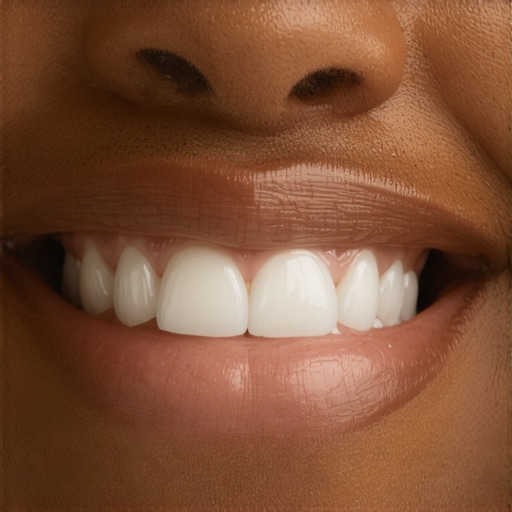
I vividly remember the day I looked in the mirror and noticed one of my front teeth was slightly chipped after a casual meal. It wasn’t painful, but the aesthetic hit was a blow to my confidence. That moment made me realize how crucial the appearance of our front teeth is to our self-esteem—and how a small flaw can feel like a huge problem. If you’ve ever been there, you’re not alone. Many people struggle with damaged or discolored front teeth, and the decision on how to restore them can be daunting.
In this post, I’ll share my personal experience and guide you through why choosing the right dental crown matters—especially if you want your smile to look natural, last long, and boost your confidence. We often overlook the significance of a healthy, attractive smile until something goes wrong. But the good news is that modern dental materials, like ceramic crowns, have become game-changers for front teeth restoration.
The Power of a Natural-Looking Solution
When I first discussed options with my dentist, I was overwhelmed by the choices: porcelain, gold, metal alloys, and ceramic. Initially, I thought gold or metal crowns were more durable, but I was concerned about the unsightly appearance for my visible front teeth. That’s when I learned that ceramic crowns offer a stunning, natural look that closely mimics your real enamel—blending seamlessly with your existing teeth. Did you know that advances in ceramic technology today allow these crowns to reflect light just like natural teeth, making them virtually indistinguishable? According to a recent study, porcelain and ceramic restorations have shown remarkable success in providing both strength and aesthetics.
Choosing the right material isn’t just about looks—it impacts your oral health and how confident you feel. I’ve come to appreciate that ceramic crowns are durable enough to withstand everyday wear, yet gentle on your neighboring teeth. They’re also biocompatible, reducing the risk of allergic reactions or irritation.
If you’re considering a crown, it’s essential to understand how to care for it properly. For example, maintaining good oral hygiene routines can extend the life of your crown significantly. I found that following expert advice on [maintaining your dental crowns](https://periodontistcare.com/maintaining-your-dental-crowns-dos-and-donts-for-best-results) has made a big difference.
Are you tired of feeling self-conscious about chipped or discolored teeth every time you meet someone? If so, don’t worry—this is exactly what ceramic crowns can help you solve. Next, let’s explore the common fears people have about crowns, especially doubts about their durability and natural appearance.
Create a Daily Routine for Your Crown Care
Start by establishing a consistent oral hygiene routine that includes brushing twice daily with a soft-bristled toothbrush, which gently cleans your crowns and gums without causing damage. Use fluoride toothpaste to strengthen your enamel and prevent decay around the crown margins. Incorporate gentle flossing around the crown to remove plaque build-up—a crucial step that prevents gum disease and maintains the connection between your natural teeth and crowns.
Implement Effective Flossing Techniques
To prevent dislodging or damaging your crown, slide the floss gently beneath the gum line and around the crown edges. Use a ‘C’ shape to hug each tooth, removing plaque without applying excessive pressure that could loosen the crown. When I first started flossing after my crown placement, I took extra care with slow, deliberate movements—initially, it was messy, but over time, I mastered a technique that preserved my crown’s integrity. Regular flossing keeps your breath fresh and your gums healthy, supporting the long-term success of your restoration.
Restore Shine and Protect with Proper Maintenance
Keep your crown looking natural and vibrant by avoiding abrasive cleaning tools or harsh whitening agents unless approved by your dentist. Use non-abrasive whitening pastes or gels, especially if your natural teeth are discolored compared to your crown—a common issue that can be corrected with professional whitening. I once tried a whitening strip on my natural teeth, thinking it would match my crown, but it caused sensitivity and didn’t help. Now, I consult my dentist and follow their advice for safe whitening solutions, ensuring my crown remains in top condition.
Schedule Regular Professional Check-Ups
Visit your dentist at least twice a year for professional cleanings and exams. During these visits, ask your dentist about the health of your crown and surrounding tissues. Routine check-ups can catch early signs of wear, micro-leaks, or decay that might threaten your crown’s stability. In my experience, routine visits helped identify a tiny crack in my crown before it worsened, saving me from more invasive repairs later. Dentists also polish your crown surfaces to remove stains and prevent plaque accumulation, extending its lifespan.
Adopt a Healthy Lifestyle to Support Your Dental Investment
Limit sugary and acidic foods and beverages that accelerate decay and erode your enamel, risking damage to your crown. Drink plenty of water to rinse away food particles and maintain saliva flow, which neutralizes acids. Avoid biting on hard items like ice or popcorn kernels, which can fracture your crown—an embarrassing experience I learned the hard way. Maintaining a balanced diet rich in calcium and vitamins strengthens your natural teeth and supports the longevity of your crowns.
Use Specialized Tools for Best Results
Consider using interdental brushes or water flossers to clean hard-to-reach areas around your crowns. These tools effectively remove plaque without the risk of damaging the crown or your gums. When I started using a water flosser, I noticed a significant reduction in gum inflammation and improved comfort during cleaning. Incorporate these tools into your routine for enhanced oral health and protect your investment in your smile.
Stay Informed and Seek Expert Advice
Stay updated on best practices for crown maintenance by consulting authoritative resources like caring tips for crowns. Remember, each patient’s needs are unique. If you notice any discomfort, looseness, or changes in the appearance of your crown, schedule an appointment promptly. I once ignored a slight looseness in my crown, which led to a minor infection—learning the importance of acting quickly saved me from more extensive procedures. Regular consultations will help you enjoy a healthy, confident smile for years to come.When it comes to oral health, many assume that brushing twice daily and occasional flossing are enough to keep teeth pristine. However, even seasoned patients often miss subtle pitfalls that can undermine their efforts. For example, there’s a common misconception that all toothbrushes are equally effective, but in reality, the type of brush you use can significantly influence plaque removal efficiency, especially around crowns and implants. Studies have shown that ultrasonic and water flossers can reach areas traditional brushes can’t, making them invaluable in a comprehensive oral hygiene routine.
What do expert dentists really know about plaque that you don’t?
Contrary to popular belief, plaque isn’t just the soft film on your teeth—it harbors bacteria that can cause gum disease, decay, and even impact systemic health. Many brush poorly in hard-to-reach spots, which allows plaque to harden into tartar, a stubborn mineralized deposit that only professional cleaning can remove. Regular dental visits are often underestimated; they are essential for detecting micro-leaks around crowns or early signs of gum inflammation that at-home methods might miss. Skipping these check-ups can lead to advanced problems that are more difficult and costly to treat. Moreover, some patients overlook the importance of cleaning their dental crowns properly, thinking they are maintenance-free. In fact, improper care can lead to staining, micro-cracks, or even decay at the margins, undermining the longevity of restorations. For advanced tips on caring for crowns, check this detailed guide for [maintaining your dental crowns](https://periodontistcare.com/maintaining-your-dental-crowns-dos-and-donts-for-best-results).
Beware of the trap of over-cleaning
Many assume that scrubbing harder or more frequently will improve their oral health, but in reality, aggressive brushing can damage gums, erode enamel, and even cause recession. Gentle techniques combined with proper tools and routine professional care are far more effective. For example, employing interdental brushes and water flossers, and understanding the correct brushing angle, can dramatically improve outcomes. An overlooked nuance is the role of saliva; it acts as a natural cleanser, but dry mouth conditions—common with certain medications or aging—reduce saliva’s protective effect, increasing the risk of decay even with diligent brushing. Hydration and lifestyle adjustments, like limiting sugary snacks, complement your oral hygiene efforts. Remember, oral health isn’t just about teeth; it’s a gateway to overall health. Regular check-ups and a personalized routine ensure that hidden issues don’t become overt problems. Want to learn more about integrating these advanced practices into your daily habits? Explore expert advice on [oral health routines](https://periodontistcare.com/oral-health-routine-strengthening-your-smile-every-day) for comprehensive strategies. Have you ever fallen into this trap? Let me know in the comments.Maintaining your oral health over time requires the right tools and consistent routines. Personally, I rely on a high-quality water flosser like the Waterpik Ultra, which I found to be significantly more effective for cleaning around crowns and implants than traditional floss. Its pulsating stream reaches deep into interdental spaces, removing plaque and debris that conventional methods often miss. Pairing it with a soft-bristled electric toothbrush such as the Oral-B Genius ensures thorough cleaning while being gentle on sensitive gums, especially around restorations. These tools, combined with regular check-ups, form the backbone of my long-term dental maintenance.
How do I maintain my oral health tools over time?
Keeping your toothbrush and water flosser in top condition is straightforward but crucial. Rinse your toothbrush thoroughly after each use and store it upright to air-dry, preventing bacterial buildup. Replace your manual toothbrush every three months or sooner if bristles fray. For electric brushes, follow the manufacturer’s instructions for replacing brush heads to ensure optimal performance. Regularly descale your water flosser using a mixture of water and a small amount of vinegar to prevent mineral deposits that can harbor bacteria. This simple maintenance prolongs device lifespan and maintains hygiene standards. Adopting these habits ensures your tools continue to perform effectively, providing reliable protection for your crowns and natural teeth alike. Learn more about caring for your crowns to maximize their lifespan.<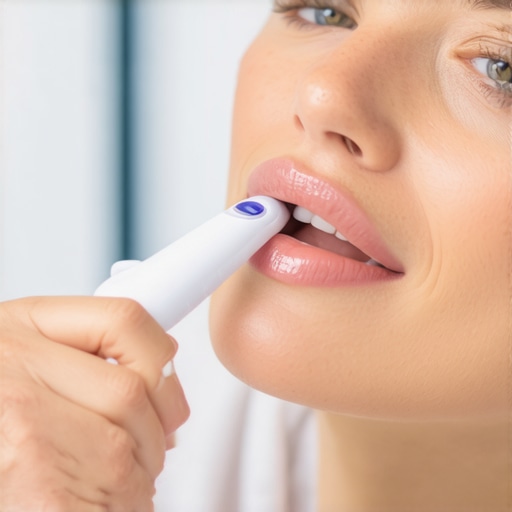 >Incorporating advanced techniques like ultrasonic cleaning tools or laser diagnostics, as discussed in dental technology literature, will increasingly shape future maintenance routines. For example, ultrasonic scalers not only clean more effectively but can detect early signs of micro-leaks or decay at the margins of crowns, enabling proactive interventions. I recommend trying a routine descaling of your tools every six months, similar to professional cleaning schedules, to stay ahead of potential issues and ensure your oral health remains optimal. Continuing to invest in quality equipment and proper maintenance practices will keep your smile healthy and confident for years to come.
The Hardest Lesson I Learned About teeth cleaning, oral health, crowns, family dentistry
One of the most valuable lessons I stumbled upon was the importance of regular, gentle, and mindful cleaning techniques around dental crowns. Skip the aggressive scrubbing; instead, focus on maintaining a routine that emphasizes care and patience. I learned that improper cleaning can lead to micro-cracks or staining, which are both challenging to reverse. Using the right tools, like interdental brushes or water flossers, has been a game-changer in preserving both the appearance and longevity of my crowns.
3 Myths About teeth cleaning, oral health, crowns, family dentistry That Held Me Back
Initially, I believed that all toothbrushes are created equal—that any soft-bristled brush would do the job. I also thought that once a crown was placed, it required no special maintenance. Lastly, I assumed that routine brushing and flossing alone were sufficient for keeping crowns in top shape. Challenging these misconceptions opened my eyes to the critical role of specialized tools and regular dental check-ups for long-term success.
What Experts Won’t Tell You About teeth cleaning, oral health, crowns, family dentistry
One lesser-known insight I gained was how vital professional cleanings are in detecting early signs of crown micro-leakage or decay at the margins. Dentists often notice subtle irregularities before symptoms appear, saving you from costly repairs. Additionally, they advise that maintaining a balanced diet, avoiding abrasive whitening agents, and using the right maintenance tools can significantly extend the life of your dental restorations. This knowledge has empowered me to take proactive steps in my oral health routine.
My Essential Toolkit for maintaining your smile’s brilliance
I swear by my electric toothbrush with soft bristles, particularly the Oral-B Genius, which provides excellent plaque removal gently around crowns. Complementing this is a high-quality water flosser like Waterpik Ultra, which effectively reaches deep interdental spaces. I also rely on interdental brushes and non-abrasive whitening gels recommended by my dentist. For reliable information, I stay updated with expert advice on official dental resources.
Your future smile begins today—Take action with confidence
Investing in proper oral hygiene routines and routine professional care is a powerful step toward maintaining a radiant, healthy smile. Remember, your dental health is a reflection of your overall well-being. Don’t let small issues become big problems—embrace the habit of proactive care and seek expert guidance when needed. Your confidence and comfort are worth the effort. Are you ready to take charge of your dental health and enjoy a lifetime of happy, healthy smiles? Feel free to share your experiences or ask questions below.