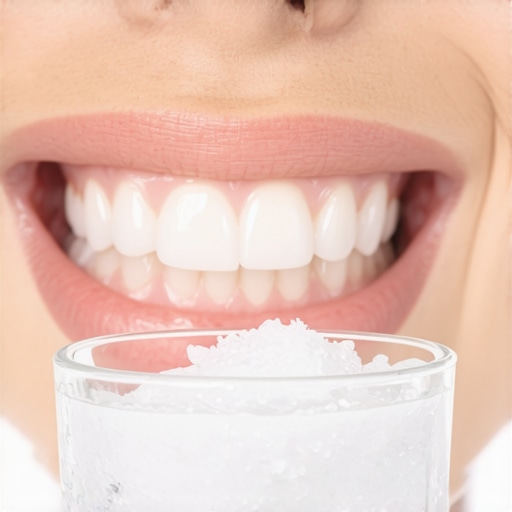
It was late at night, and I remember that sharp, fiery pain flaring up in my gums — one of those moments where you can’t ignore it any longer. I was already exhausted after a long day of work and dental appointments, but suddenly, my mouth felt like it was on fire. I tried everything — rinsing with mouthwash, gently flossing, even panicking for a moment, thinking I might need an emergency dentist. That’s when I remembered a trick my grandmother swore by: a quick salt water rinse. To my surprise, within minutes, the swelling started to subside, and the discomfort diminished. That lightbulb moment changed the way I handle gum inflammation, especially when I don’t have immediate access to professional care.
Why You Should Never Ignore Gum Inflammation and How a Simple Trick Can Provide Instant Relief
Gum inflammation, or gingivitis, is more common than you might think. It might start as a mild redness or swelling, but if left untreated, it can escalate to more serious issues like periodontitis, which can threaten your teeth and overall health. Many folks brush off the early signs, assuming it’s just a temporary annoyance. But I’ve learned that quick action can make all the difference. The salt water trick isn’t just a folk remedy; science supports its effectiveness in reducing inflammation and killing bacteria around the gums. An article published by the American Dental Association highlights how rinsing with warm salt water can ease symptoms and promote healing, especially during those crucial early stages of gum disease.
Have you ever faced sudden gum pain or swelling that made you think, ‘This has to wait until tomorrow’? If so, you’re not alone. My own mistake early on was dismissing minor soreness as nothing serious. But then, it would escalate, and I needed more intensive treatments. Trust me, knowing a simple, readily available home remedy like salt water can save you a trip to the dentist and bring relief fast.
Is the Salt Water Trick Actually Worth the Hype?
I was skeptical at first, too. It sounds simple, almost too easy, right? But over time, I realized that the effectiveness depends on how and when you use it. The key is ensuring the water is warm — not hot — and that you swish it around your mouth thoroughly for about 30 seconds. This helps loosen debris, reduce bacteria, and soothe inflamed tissues. However, it’s important to remember that while it’s great for temporary relief, it’s not a cure-all. Persistent or severe gum issues require professional attention.
If you’ve ever experienced that uneasy feeling of swollen gums after eating certain foods or noticing bleeding during brushing, this trick can be your immediate first step. It’s a simple gesture that some people overlook in favor of medicated rinses or antibiotics, but in my experience, salt water is both effective and gentle.
So, are you tired of suffering through gum pain without knowing what to do? Or perhaps you’ve already reached for the strongest mouthwash only to find it doesn’t provide relief? Keep reading — I’ll guide you through the exact steps to use this old-fashioned remedy and explain why it works so well. Plus, I’ll share some additional tips to keep your gums healthy for the long haul, including insights from trusted sources like [this expert advice on teeth cleaning and gum health](https://periodontistcare.com/oral-health-tips-every-family-should-follow-in-2025). Let’s dive in.
Prepare Your Salt Water Solution Correctly
Start by boiling fresh water and let it cool to a warm, comfortable temperature—similar to a warm bath. Use about half a teaspoon of non-iodized salt per cup of water. For instance, I once accidentally used a full teaspoon and found it too salty, which made me hesitate to continue, so measure carefully—exactly like when preparing a saline nasal spray, precision enhances comfort and efficacy.
Swish with Purpose and Technique
Take a generous sip and tilt your head slightly back, allowing the solution to reach all areas of your mouth, especially around the inflamed gums. Swish vigorously for about 30 seconds, like rinsing your mouth to remove debris, ensuring the salt water penetrates into nooks and crannies—think of it like flushing out a small flood to prevent water damage, only in your mouth.
Apply Gentle Pressure and Proper Timing
As you swish, apply gentle pressure—don’t force it or splash—this helps dislodge bacteria and reduces swelling effectively. After swishing, spit out the solution without swallowing it, as it contains bacteria and irritants. Repeat this process 2-3 times, ideally after meals or when discomfort is prominent, much like cleaning a window until it’s clear and sparkling—consistent effort yields better results.
Integrate Consistently for Better Results
Make salt water rinsing a daily habit during gum inflammation, especially in the initial stages. I found that doing this for three days consecutively helped reduce swelling significantly, similar to how regular cleaning prevents dirt buildup—preventive care is your best bet. Remember, this is a temporary relief method, much like covering a leak before professional repairs, not a substitute for seeing your dentist.
Additional Tips for Maximum Effectiveness
Use warm water for comfort and to aid in tissue relaxation, akin to warm compresses that soothe muscles. Do not overuse salt water rinses—limit to 2-3 times daily to avoid drying out tissues, much like overusing harsh cleansers can damage skin. If the inflammation persists beyond a few days or worsens, consult your dentist promptly—delaying professional care can turn minor issues into major ones. For more insights on maintaining your oral health routine, visit this guide.
Many people assume that brushing and flossing daily are all it takes for optimal oral health, but in my experience, this oversimplification overlooks critical nuances that can undermine your dental care. A common misconception is that more aggressive brushing—using hard bristles or scrubbing vigorously—will clean teeth better. Actually, this practice can damage gums and enamel, leading to increased sensitivity and recession, as emphasized in recent studies published in the Journal of Dental Research. Instead, gentle, circular motions with soft bristles are more effective and safer, highlighting the importance of technique over force.
Another widespread myth is that whitening toothpaste alone can dramatically brighten teeth. While they may help remove surface stains, they cannot alter the natural color of dentin or address deeper discoloration caused by age or trauma. For significant whitening, professional treatments or advanced at-home options are necessary. Relying solely on over-the-counter products can lead to disappointment and potential sensitivity issues.
When it comes to crowns and family dentistry, many believe that once a crown is placed, it requires no additional maintenance. This couldn’t be further from the truth. Proper aftercare, such as use of interdental brushes and avoiding hard or sticky foods, plays a vital role in prolonging the life of restorations. Neglecting these aspects can result in crown failure or adjacent tooth decay—a costly and uncomfortable mistake.
A crucial tip that often gets overlooked is the timing of teeth cleaning routines. Some think that waiting until visible plaque or tartar develops is sufficient, but regular cleanings prevent buildup, gum disease, and even systemic health issues. Frequent professional cleanings, coupled with daily home care, create a symbiotic effect, drastically reducing the risk of complications.
Furthermore, a subtle trap is the reliance on mouthwash as a substitute for brushing and flossing. While antiseptic mouthwashes can reduce bacteria temporarily, they do not remove plaque or food debris. Overusing mouthwash, especially those containing alcohol, can dry out tissues and irritate gums, undermining oral health rather than supporting it. Incorporating mouthwash appropriately into your routine is beneficial, but it should augment, not replace, mechanical cleaning.
**Ever fallen into these traps?** Understanding these nuances can significantly impact your dental health trajectory. For a deeper dive into lasting results, consider reviewing [expert advice on crowns and teeth cleaning](https://periodontistcare.com/expert-advice-on-crowns-and-teeth-cleaning-for-lasting-results) to fine-tune your routine. Remember, the devil is in the details—small adjustments can lead to big improvements. Maintaining awareness of these hidden factors can save you from costly mistakes and ensure that your smile stays healthy and bright for years to come.Maintaining your dental health and restorations requires more than just regular brushing; it involves using precise tools and adopting effective methods that ensure longevity. Personally, I swear by ultrasonic scalers, like the Sonicare DiamondClean, which deliver gentle yet thorough cleaning, removing plaque from areas your manual brush often misses—think of it as a professional-level clean at home, much like the equipment dentists trust for deep cleaning sessions. Pair this with high-quality interdental brushes such as TePe’s EasyPick; I find these invaluable for cleaning around crowns and between teeth, preventing decay and prolonging the life of dental work. For assessing the condition of crowns over time, I use dental dyes like disclosing tablets, which help me spot plaque buildup early—an easy yet effective visual cue I recommend to everyone aiming to maintain their restorations. Predictably, as technology advances, digital tools like intraoral scanners are becoming more affordable for at-home use, providing detailed images of your dental surfaces, allowing you to monitor changes proactively. Looking forward, I believe wearable oral health devices with sensors will enhance real-time data collection, empowering patients to detect issues early, akin to how smartwatches monitor heart rates.
How do I maintain my crowns and prevent issues over time?
Consistent cleaning with the right tools is essential. I suggest scheduling regular professional check-ups, which include detailed assessments using magnification and photography, helping catch small problems before they escalate. Incorporating a water flosser, like Waterpik’s SonicWater Flosser, is another game-changer; I use it daily to flush out debris around crowns and braces, significantly reducing the risk of decay and gum disease—much like rinsing your eye after exposure to dust. For long-term results, adopting a comprehensive routine that includes specialized tools like polishing brushes to smooth any rough spots on crowns prevents plaque accumulation. Remember, maintaining these dental investments isn’t about harsh scrubbing but about precision and consistency.
If you’re wondering how to stay ahead of potential problems, I highly recommend visiting [this expert advice](https://periodontistcare.com/expert-advice-on-crowns-and-teeth-cleaning-for-lasting-results) to refine your routine. Try integrating a weekly ultrasonic cleaning or using a disclosing tablet to identify plaque, reinforcing your commitment to lasting results. Small changes, like upgrading your dental tools and adopting targeted cleaning habits, can dramatically extend the lifespan of crowns, implants, and other restorations, making your smile resilient for years to come.In my journey to better oral health, one lesson stands out vividly: the importance of trusting simple, effective remedies like salt water rinses, especially during those unexpected moments of discomfort. Over time, I’ve realized that true prevention relies on understanding the nuances of gum care—it’s not just about brushing but about noticing early signs and responding swiftly. Learning from personal experiences, I discovered that integrating targeted tools and routines, such as ultrasonic cleaners and proper flossing techniques, can make even the most complex dental challenges manageable. These insights have empowered me to take control of my dental destiny, minimizing reliance on reactive treatments and maximizing longevity of crowns and restorations. Remember, the path to a resilient smile is paved with consistent, informed actions that go beyond the surface, transforming ordinary routines into powerful safeguards for your oral health.