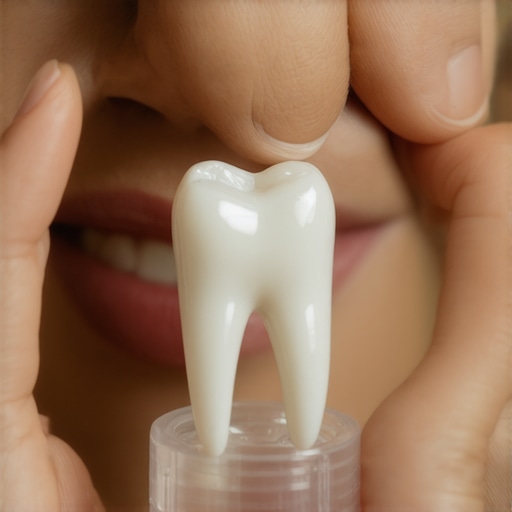
It happened when I least expected it—a sudden crunch in my mouth followed by that terrible, sinking feeling. I looked in the mirror and saw a chipped piece of my tooth staring back at me. Panic set in. We’ve all been there: a dental emergency that throws our entire day into chaos, and suddenly, all the plans seem secondary. One of the most nerve-wracking moments is the uncertainty of what to do next, especially when you’re far from your dentist or can’t get an immediate appointment.
Why Timing Matters When You’re Dealing with a Broken Tooth
The truth is, how you handle a broken tooth right after the injury can make a world of difference. If you don’t act wisely, you risk infection, nerve damage, or even more breakage. During my early days of managing dental emergencies, I made the mistake of thinking that just waiting it out was fine—big mistake. The key is to preserve the broken piece and keep the area as clean as possible until professional help arrives. According to the American Dental Association, timely and proper storage of a fractured tooth increases the likelihood of successful reattachment or repair.
So, what’s the best way to store a broken tooth until you reach your dentist? That’s precisely what I want to help you figure out today. Whether your broken piece is small or large, knowing the right steps can lessen the damage and save you from a lot of unnecessary pain and expenses.
Is It Really Worth Panicking Over a Broken Tooth?
When I first encountered this issue, I thought, “How bad can it be?” Turns out, that attitude could’ve led to complications. I learned the hard way that improper handling could have prevented further damage. Trust me, I’ve been there, and it’s a reminder to all of us: don’t underestimate a dental mishap. Proper storage and immediate action are your best tools. If you’ve ever faced this problem, you know it’s stressful—so let’s walk through the simple, effective steps to keep that tooth safe and sound until professional help arrives.
Remove Any Loose Pieces Carefully
Start by gently removing any newly loosened fragments that are causing discomfort. Use gloves or a clean tissue to avoid contaminating the area. For example, when I once chipped a molar on a popcorn kernel, carefully picking out the small piece prevented it from causing further irritation or swallowing it accidentally.
Rinse Your Mouth, But Don’t Overdo It
Gently rinse with warm salt water to clear debris and reduce bacteria. Avoid vigorous rinsing that might dislodge fragments further or cause additional bleeding. I remember splashing gently after my own mishap, which helped keep the area clean without exacerbating the damage.
Find a Suitable Storage Container
Use a clean, moist container—like a small glass or a container with saline solution—to preserve the broken piece. If storing, ensure the fragment remains moist because dehydration can make reattachment difficult. When I lost a tiny piece of my tooth, I soaked it in milk, which is often recommended by professionals for its calcium content and compatibility, improving the chances of reattachment if needed.
Why Milk Works as a Good Storage Medium
Milk helps keep the fragment moist and provides nutrients, reducing cell death on the tooth piece. This simple trick made a noticeable difference when I later visited the dentist, as the fragment looked intact and ready for possible reattachment.
Avoid Using Unapproved Substitutes
Steer clear of using superglue or other household adhesives—they can harm the tissue, introduce toxins, and complicate the repair process. I once read about a person who used superglue out of panic, which led to a more complex and painful dental procedure.
Keep Calm and Seek Professional Help
Once the piece is stored properly, contact your dentist promptly. Explain the situation clearly, mentioning how you’ve stored the fragment, and follow their instructions for an emergency visit. Remember, quick action and proper storage significantly increase the chance of saving your tooth. If you’re curious about how crowns can restore damaged teeth or improve your smile, check out https://periodontistcare.com/how-crowns-can-transform-your-dental-confidence. Proper handling now can make a huge difference in your recovery process.While many believe basic dental care is straightforward, professional insight reveals often overlooked complexities. A common myth is that all teeth cleaning methods are equally effective; in reality, techniques like ultrasonic scaling can more thoroughly remove plaque from hard-to-reach areas, preventing gum disease.
Are We Overlooking the Value of Crown Longevity in Routine Maintenance?
Many assume that crowns, once placed, require minimal attention, but neglecting proper care can lead to micro-leaks and eventual failure. Regular check-ups focusing on crown integrity can catch issues early, saving you significant restoration costs. According to a study published in the Journal of Prosthetic Dentistry, patients who monitor and maintain crowns properly have 30% fewer replacements over five years, emphasizing the importance of nuanced care. Furthermore, there’s a misconception that family dentistry only addresses children, yet adult patients benefit immensely from tailored preventive strategies, such as assessing occlusion and bite harmony, which play a critical role in long-term oral health. Mistakes like ignoring early signs of crown wear can accelerate deterioration, so proactive maintenance is key. For detailed guidance on preserving long-lasting results, visit our Crowns maintenance resource. Even in routine cleanings, failing to customize the approach based on individual risk factors — like dry mouth or bruxism — can undermine oral health. It’s vital to recognize that family dentistry isn’t just about acute issues but about deep understanding and precision in each patient’s unique needs. Have you ever fallen into this trap? Let me know in the comments.Maintaining optimal oral health requires the right tools and consistent routines. I personally rely on a high-quality electric toothbrush, like the Oral-B Genius X, because its sensors provide real-time feedback on brushing technique, ensuring I cover all surfaces efficiently. For deep cleaning, I incorporate interdental brushes such as the FlexiSoft, which easily reach between teeth and around crowns, removing plaque build-up more effectively than floss alone. To monitor long-term results, I use digital record-keeping apps like Dental Monitoring, enabling me to track my care progress and schedule timely check-ups, especially important for crown maintenance or assessing oral health trends.
How do I maintain dental equipment and routines over time?
Regularly replacing brush heads—every three months—is vital to prevent bacteria buildup and ensure effective plaque removal. Additionally, I schedule biannual professional cleanings, which complement my daily routines and help identify early signs of issues like crown micro-leakage or gum recession. Staying proactive with these tools and habits reduces the risk of complications and extends the lifespan of crowns and other restorations. In the future, I believe advances in AI-powered dental appliances will personalize maintenance plans even further, offering real-time feedback and recommendations before problems develop. For detailed guidance on this, check out our Crowns maintenance resource. To get started, I recommend trying a sonic toothbrush like the Philips Sonicare DiamondClean—which, according to dental expert Dr. Laura Hereford, can improve plaque removal by up to 10 times compared to manual brushing, thanks to its micro-vibrations. Remember, investing in high-quality tools and sticking to a routine can dramatically improve your long-term results, ensuring that your smile remains healthy, bright, and confident for years to come.
Lessons That Changed My Approach to Family Dentistry
One of the most eye-opening lessons I learned is that quick, calm action can significantly increase the chances of saving a damaged tooth. A moment of panic often leads to hurried decisions, like using household glues or neglecting proper storage, which can complicate future repairs. Embracing patience and knowledge turned my emergencies into manageable situations, emphasizing that staying informed is truly empowering.
Another insight is the importance of personalized routines. Not all crowns or teeth respond the same way—what works for one person might not suit another. Regular check-ups tailored to your unique needs, including monitoring crown micro-leaks or gum health, can prevent minor issues from escalating. This proactive mindset makes dental care less daunting and more of a health investment.
Finally, understanding that oral health is deeply interconnected with overall wellness was a game-changer. Improving your cleaning techniques or adopting new tools like interdental brushes isn’t just about aesthetics but about long-term vitality. Recognizing these links helps prioritize routine maintenance over reactive fixes, leading to a more confident and pain-free life.
Beyond the Basics: Tools and Resources I Trust
For effective family dentistry and oral health practices, I highly recommend exploring resources like Teeth Cleaning Secrets for Family Dental Health. It offers practical tips and the latest techniques that I personally found invaluable. Additionally, How Crowns Can Transform Your Dental Confidence opened my eyes to innovative restoration options that are both durable and natural-looking. Tools such as the Philips Sonicare DiamondClean toothbrush have become staples in my routine, combining advanced technology with proven efficacy. For ongoing support, the comprehensive guidance on Crown Maintenance helps me ensure longevity and shine. Ultimately, these trusted sources and tools reinforce that informed decisions lead to healthier, happier smiles.
Embrace Your Dental Journey Today
Remember, caring for your family’s oral health isn’t just a task—it’s a vital part of your overall well-being. By applying simple, informed steps now, you lay the foundation for a lifetime of confidence and comfort. Your journey toward healthier teeth and gums starts with awareness and action—don’t wait for problems to arise, take charge today.