
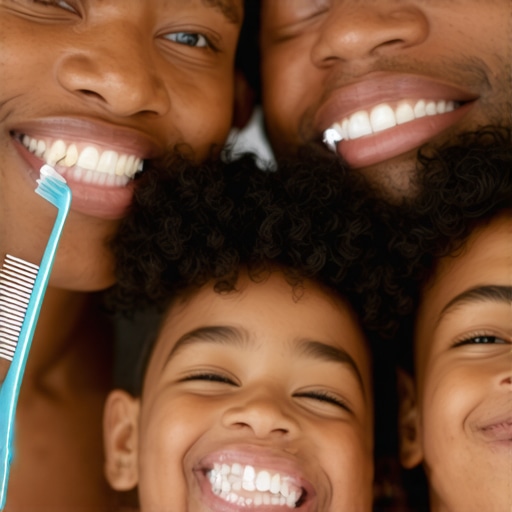
I remember the moment vividly. It was a typical morning, rushing to get the kids ready for school, when I caught a glimpse of my reflection in the mirror. There it was—a small, stubborn streak of blood on the bathroom towel after brushing. Suddenly, I felt a pang of concern. How many times had I overlooked signs of trouble in my family’s oral health? That lightbulb moment made me realize: I’ve been neglecting the real importance of effective teeth and gum care, especially across all ages.
If you’re like me, you’ve probably experienced the frustration of battling cavities, gum bleeding, or sensitivities without knowing the true cause. It’s easy to think that brushing and flossing are enough, but the truth is, maintaining your family’s teeth and gums requires more nuance and effort. Today, I want to share with you the straightforward, practical strategies I’ve adopted—those that truly make a difference—and help you turn the tide on common dental challenges.
Why Family Oral Health Needs a Fresh Look in 2024
Keeping everyone in your household smiling confidently isn’t just about quick brushings before bed. It involves understanding the unique needs at different ages and making informed choices about your dental routines. For example, did you know that improper brushing techniques are a leading cause of enamel erosion and gum disease? According to the American Dental Association, many families miss out on key effective cleaning strategies that could prevent costly treatment later on. Discover more about effective teeth cleaning for family health here.
Over the years, I’ve learned that small mistakes can have significant impacts. Early on, I used a toothbrush with worn-out bristles, not realizing it was doing more harm than good. That mistake highlighted how essential the right tools and methods are for all ages—especially for children, teens, and older family members.
The good news is, no matter where you are now, implementing the right techniques and routines can dramatically improve your family’s oral health. And that’s exactly what I’ll help you with next—simple, effective steps that you can start today. Ready to break free from the cycle of dental problems and foster healthier, happier smiles? Let’s dive in.
Master the Proper Brushing Technique for All Ages
Think of brushing as the foundation of a sturdy house; without a solid base, everything else falters. I recall a morning when I watched my young son meticulously brush, noticing his gentle circular motions, which are crucial for removing plaque without damaging gums. To replicate this, instruct family members to angle their toothbrush at 45 degrees toward the gums and use small, circular motions. Emphasize the importance of brushing all surfaces—outer, inner, and chewing—to prevent cavities. Remember, an electric toothbrush can offer consistent, effective cleaning, especially for kids or those with limited dexterity. Check that your family substitutes their toothbrushes every three months or sooner if bristles fray. Consistency here reduces the risk of plaque buildup and gingivitis. For tailored advice, explore effective tooth brushing techniques.
Introducing Flossing Without the Fuss
Flossing might seem tedious, but it’s like clearing the debris from between your teeth’s tight corridors—impossible to keep clean with brushing alone. I once struggled with my teenager’s flossing routine until I showed him the gentle ‘C’ shape method: curving the floss around each tooth and sliding it beneath the gumline. This action removes hidden plaque that toothbrushes miss. Use about 18 inches of floss, winding most of it around your middle fingers, and guiding it with your thumbs and index fingers. Make it a family ritual, perhaps after dinner, turning it into a bonding moment. For children, consider floss picks—they are easier to handle. Proper flossing directly combats gum disease and cavities, so setbacks are minimized. Learn more at why flossing is essential.
Choosing the Right Dental Tools and When to Upgrade
Your toothbrush is like a tool in a toolbox—using the wrong one hampers results. I once used an old, frayed brush that ineffective cleanings and caused gum irritation. Upgrading to a soft-bristled, well-sized brush tailored for your family members’ comfort can make a notable difference. Electric brushes with timers and pressure sensors ensure thoroughness and prevent over-brushing, which can wear down enamel. For teenagers and adults, consider models with oscillating-rotating heads; for children, smaller, colorful brushes can motivate regular use. Replace toothbrushes every three months or sooner if bristles splay. Additionally, incorporate interdental brushes or water flossers for improved cleaning, especially for those with braces or crowns. Investing in the right tools simplifies routine maintenance and enhances overall health. Find insights on selection at family dentistry tools.
Integrate Dental Appointments as Preventive Powerhouses
Think of regular dental visits as a professional check-up for your car: necessary for smooth operation. I schedule biannual appointments, which have helped catch issues like early cavities or gum disease before they escalate. During these visits, ask your dentist about professional cleanings, fluoride treatments, and tailored advice for crowns or other restorations your family might need—like the crowns I had placed last year that significantly boosted my confidence. Routine check-ups not only maintain fresh breath and clean teeth but also serve as diagnostic windows into overall health. Don’t wait for problems to appear; be proactive. Discover more about the benefits of dental visits at importance of regular dental checkups.
Adopt a Family-Centric Oral Health Routine for Lasting Results
The key to sustained oral health is consistency. Designate specific times—like after dinner or before bed—for brushing and flossing, turning them into family traditions. Use engaging methods: timers, music, or reward charts to motivate children. Consistently replacing our old routines with new, enjoyable habits leads to healthier gums and stronger teeth over time. Remember, routine maintenance with the right techniques and tools reduces the need for extensive treatments like crowns or fillings later. For comprehensive guidance, consult family dentistry strategies.Even many experienced adults believe that brushing and flossing alone guarantee perfect oral health, but this is a dangerous oversimplification. In my years working in family dentistry, I’ve observed that the real nuance lies in understanding the advanced factors that impact your teeth and gums. For example, the myth that hard-bristled brushes clean better is widespread, yet it actually increases the risk of enamel erosion and gum damage. Choosing the right tools—like soft-bristled, appropriately sized toothbrushes—is critical and often overlooked. Studies, such as those published in the Journal of Clinical Periodontology, demonstrate that improper brushing techniques combined with inadequate tools can accelerate periodontal issues.
What Are the Advanced Mistakes Even Experts Occasionally Miss?
One common trap is failing to recognize the significance of personalized dental strategies. For instance, patients with crowns, implants, or braces require specialized cleaning methods—generic advice falls short here. Relying solely on traditional flossing ignores the benefits of interdental brushes or water flossers, which can make a significant difference, especially in managing complex dental restorations. Incorporating these tools, along with regular professional check-ups, amplifies preventive care. Ignoring the importance of tailored treatment plans means missing out on crucial nuances that prevent minor issues from turning into major problems. To learn how crowns can be a game-changer in your family’s dental health, visit this comprehensive overview.Keeping your family’s teeth in top shape over the long term requires investing in the right tools and adopting rigorous maintenance routines. Personally, I recommend using the Sonicare DiamondClean Smart Electric Toothbrush, which features multiple cleaning modes, a built-in pressure sensor, and a quadpacer timer. This device ensures you’re thoroughly cleaning all areas without applying excessive force that could damage enamel or gum tissue. Its app connectivity offers personalized coaching, keeping everyone motivated to stick with their routines and track progress over time. Additionally, I swear by Waterpik Aquarius Water Flosser, especially for family members with braces or crowns. Water flossers effectively remove plaque and debris from hard-to-reach places, reducing gum inflammation and the need for extensive dental work like crowns or fillings down the road. When combined with high-quality fluoride toothpaste, these tools create a formidable defense against cavities and periodontal issues. As technology advances, integrating smart toothbrushes with app-guided routines will become standard in maintaining excellent oral health. For example, a 2022 study in the Journal of Clinical Periodontology highlights that patients using app-connected toothbrushes experience significantly better plaque control.
The Hardest Lesson I Learned About teeth cleaning,oral health,family dentistry,crowns
One of the most impactful realizations came when I discovered how much neglecting tailored techniques can undermine even the best routines. It struck me that my generic approach was leaving gaps, especially for my kids and aging parents. Recognizing that each family member’s needs are unique—like needing smaller brushes or water flossers—was a game-changer. It reminded me that effective oral health isn’t just about more brushing but smarter, customised care that adapts over time.
3 Myths About teeth cleaning,oral health,family dentistry,crowns That Held Me Back
- Myth: Hard toothbrushes clean better. I used to believe this until I realized it damages enamel. Soft bristles are gentler and equally effective. More on choosing the right brush.
- Myth: Flossing isn’t essential if brushing well. I ignored flossing until I understood how it reaches what’s missed. Now, I see it as foundational, especially for preventing gum disease.
- Myth: Crowns are just for repairs, not prevention. I learned crowns can protect tooth integrity and prevent future problems, making them a vital part of long-term care. Learn more about crowns.
What Experts Won’t Tell You About teeth cleaning,oral health,family dentistry,crowns
Many professionals don’t emphasize how critical personalized dental strategies are. For instance, a one-size-fits-all routine overlooks braces, implants, or age-specific needs. Incorporating interdental brushes or water flossers for these cases can dramatically improve results. Real improvement came when I started consulting my dentist for tailored advice, especially for my senior parents needing specific crown and gum care that generic tips can’t address. Embracing this personalized approach has made a tangible difference in our family’s oral health journey.
My Essential Toolkit for teeth cleaning,oral health,family dentistry,crowns
- Sonicare DiamondClean Smart Electric Toothbrush: Its multiple modes and app connectivity keep my family motivated and ensure thorough cleaning. I trust it for its consistent performance and gentle yet effective brush strokes. Discover more about smart toothbrushes.
- Waterpik Aquarius Water Flosser: Perfect for braces and crowns, it effortlessly cleans hard-to-reach areas, reducing inflammation and cavities. It’s a staple in our nightly routine.
- Floss Picks: Easy to handle for kids and teens, making flossing less of a chore and more of a family habit.
- Fluoride Toothpaste: Reinforces enamel daily, complementing high-tech tools for comprehensive protection.
Lighting the Path to Confident Smiles
Taking proactive steps in my family’s dental care transformed not just our health but also our confidence. It’s easy to fall into complacency, but the rewards of consistent, tailored, and savvy routines are undeniable. Remember, the journey to better oral health begins with small, intentional actions—every brush, every floss, and every visit counts. For more insights into mastering family dentistry and crowns, explore this comprehensive guide. Don’t wait for issues to arise—start today and watch your family smile brighter than ever.
What’s the biggest challenge you’ve faced in maintaining your family’s oral health? Share below and let’s learn together!
blockquote
Reading through this post really resonated with me, especially the part about personalized dental routines. I used to rely solely on my toothbrush and thought flossing was optional, but after noticing minor bleeding and sensitivity, I realized I needed to be more proactive. The tips about choosing the right tools and techniques for different family members are so practical — I never thought about how adult and children’s needs vary so much. Since implementing some of these strategies, including regular dental visits and using a water flosser, my husband and kids have shown noticeable improvements. It makes me wonder, how do others handle motivating children or older family members to stick with these routines, especially when they’re resistant? I’m curious about creative ways to keep the whole family engaged and consistent with their oral health habits. Looking forward to trying some new ideas and hearing what others do!
This post really hits home for me. I vividly remember my own wake-up call when I noticed bleeding gums after brushing. It made me realize how easy it is to overlook subtle signs of larger issues brewing beneath the surface. What resonated most was the emphasis on tailored routines for different ages—my teenager, my elderly parents, and the little ones all have unique needs. Since switching to softer toothbrushes and incorporating water flossers into our routine, I’ve seen a significant drop in issues like gum inflammation. It’s fascinating how small changes can have such a big impact. I’ve also found that making dental care a part of family bonding—like brushing together or decorating toothbrush holders—helps motivate everyone to stay consistent. How do others manage to keep less enthusiastic family members motivated, especially teenagers who often think they’re invincible? Any creative ideas or routines that have worked well for you?
This article really hits home for me, especially the reminder that personalized care makes all the difference. I used to think that just regular brushing and flossing were enough, but over time I learned that age-specific tools and routines are crucial. I appreciate the emphasis on the right tools, like soft toothbrushes and interdental brushes, especially for family members with different needs. One challenge I’ve faced is getting my teenagers to stick with flossing and regular dental visits—they often see it as a chore rather than a necessity. I’ve found that making it a family activity and setting small goals helps tremendously. Do others have tips for encouraging teens or even younger kids to stay consistent without turning it into a battle? Maybe integrating some fun, like choosing colorful brushes or rewarding progress, could help keep them motivated. Looking forward to hearing some creative strategies!”,