Ever had that sinking feeling after brushing, only to find your smile still dull or, worse, with lingering bad breath? I remember my early days of trying to keep my teeth spotless. I’d brush furiously, thinking more effort meant better results. But one day, I realized I was missing the mark, and my teeth weren’t getting the care they deserved. That lightbulb moment changed everything for me—and it could do the same for you.
Why Your Current Teeth Cleaning Routine Might Be Falling Short
Many folks think that brushing longer or harder is the way to a brighter, healthier smile. But the truth is, technique matters just as much as time. I learned this the hard way when I noticed my gums bleeding after aggressive brushing. It was a clear sign I was doing more harm than good. I wish I had known earlier that proper technique, not just effort, is key to effective cleaning. Since embracing this, my smile has improved, and my dental visits have become much smoother. If you’re tired of feeling like your efforts aren’t paying off, you’re not alone. Let me guide you through the essentials of effective teeth cleaning that really work.
Is Better Brushing Just About More Force?
Early on, I made the mistake of thinking more pressure meant cleaner teeth. Turns out, that’s a common misconception. Too much force can damage gums and wear down enamel. Instead, focus on gentle, circular motions, covering every surface of your teeth. Using the right toothbrush and technique can make a world of difference. Want to dive deeper? Check out this guide to family dentistry for more expert tips. Remember, effective cleaning isn’t about brute strength; it’s about smart technique.
To truly elevate your oral health, you’ll need a well-rounded approach—think flossing, rinsing, and regular checkups. But mastering your daily brushing is the first step. Ready to discover the secrets to a brighter, healthier smile? Let’s get started with some practical tips that I swear by, and that your dentist will thank you for.
Use the Right Tools for Effective Cleaning
Start with a soft-bristled toothbrush that fits comfortably in your hand. I once used a hard toothbrush out of habit, which caused gum irritation. Switching to a gentle, rounded-head brush made a huge difference. Electric toothbrushes can also be a game-changer because they provide consistent circular motions, covering all surfaces with minimal effort. Pair your brush with fluoride toothpaste to strengthen enamel and fight cavities.
Perfect Your Brushing Technique
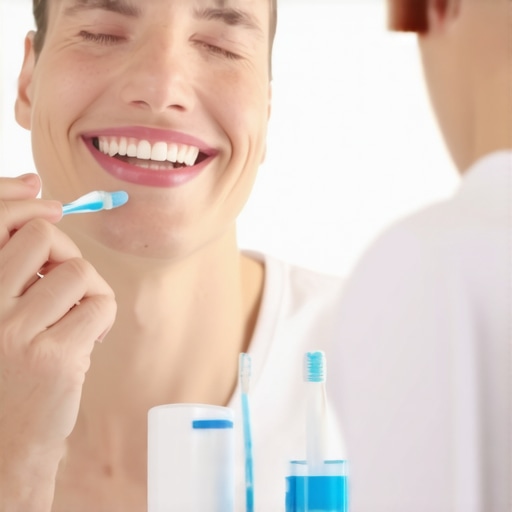
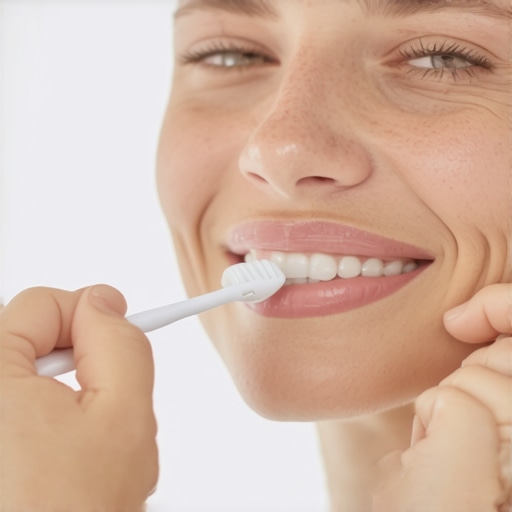
Think of your toothbrush as a tiny scrub brush for your teeth. Place it at a 45-degree angle against your gums and gently move in small circles—no need to press hard. This method cleans plaque without damaging gum tissue or enamel. I remember the first time I consciously slowed down my brushing, I noticed less bleeding and a cleaner feel afterward. Cover all surfaces—front, back, and chewing surfaces—and spend at least two minutes brushing. This ensures no spot gets neglected.
Don’t Forget Flossing and Rinsing
Flossing is like cleaning the nooks and crannies that your brush can’t reach. I recommend using waxed floss to glide smoothly between teeth. Be gentle to avoid irritating gums. After flossing, rinse with an antimicrobial mouthwash to reduce bacteria and freshen your breath. Think of flossing and rinsing as the finishing touches that prevent plaque buildup and keep your smile bright longer. Regular flossing also prevents gum disease and cavities between teeth.
Set a Routine and Stay Consistent
Brushing twice a day is a habit, but doing it at the same times daily makes it automatic. I found that mornings and before bed work best, especially if I incorporate it into my nightly routine. Keep your supplies in a visible spot as a reminder. Remember, consistency beats intensity—brushing longer or harder won’t compensate for skipping days or rushing through your routine.
Schedule Regular Dental Visits
Even with the best home care, professional cleanings are essential. Dentists remove tartar buildup and check for issues early. My dentist explained that professional cleanings are like tuning up a car—they keep everything running smoothly. Aim for a visit every six months, or as recommended. During these visits, ask about dental restorations like crowns if necessary; they can significantly improve your oral health and appearance. For more info on how crowns can restore your smile, check this guide.
< >
>
Many people think that visiting the dentist only when they have a toothache or visible problems is enough for maintaining oral health. However, this is a common myth that can lead to overlooked issues like early-stage cavities or gum disease. Regular checkups are essential for catching problems early and preventing costly treatments later. I often see patients who believe that brushing harder will clean better, but in reality, aggressive brushing can damage gums and enamel. The key is proper technique and consistency, not force. Additionally, some assume that dental crowns are only for aesthetic purposes, but they actually serve to restore functionality and protect weakened teeth. If you’re curious about how crowns can benefit your oral health, check out this detailed guide. One hidden nuance many overlook is the importance of personalized treatment plans. Every patient’s mouth is unique, and a one-size-fits-all approach can sometimes do more harm than good. For example, choosing the wrong type of crown or neglecting the specific needs of gum tissue can compromise the longevity of your dental work. Consulting with a specialist who understands these subtleties is crucial for optimal results. Did you know that improper flossing technique can cause gum recession over time? Many think that simply sliding floss between teeth is enough, but using gentle, controlled motions is vital to prevent damage. Moreover, some believe that mouthwash alone can replace brushing and flossing, which is not true. Mouthwash complements your routine but does not substitute for mechanical cleaning. Finally, beware of the trap of neglecting routine dental visits; even if your teeth feel fine, professional cleanings remove plaque and tartar that regular brushing can miss. This preventative step is vital for avoiding serious issues down the line. Have you ever fallen into this trap? Let me know in the comments.
Keeping your oral health in top shape requires more than just daily brushing and occasional flossing. Investing in the right tools and understanding maintenance strategies can significantly extend the lifespan of your dental work, including crowns, and ensure your smile remains vibrant and healthy for years to come. In this post, I’ll share the specific equipment I personally recommend and how to effectively use these tools for lasting results.
How do I maintain my dental tools over time?
One of the most overlooked aspects of oral care is the proper maintenance of your cleaning tools. For instance, I always use a soft-bristled, electric toothbrush like the Oral-B Pro 1000. Its oscillating head not only provides consistent circular motion but also reduces plaque effectively without damaging gums. To keep it functioning optimally, I replace the brush head every three months, as recommended by dental professionals, and clean the handle regularly with alcohol wipes. This prevents bacterial buildup and ensures the device stays hygienic.
For flossing, I prefer waxed, shred-resistant floss such as Cocofloss. It glides smoothly between teeth and minimizes gum irritation, which is crucial for those with crowns or sensitive gums. After each use, I store it in a dry place and replace it weekly to prevent bacterial growth. Additionally, an antimicrobial mouthwash like this one helps maintain oral cleanliness, especially after meals or if I feel my mouth needs extra protection.
Why investing in the right equipment matters
Using high-quality, well-maintained tools makes a noticeable difference in your long-term oral health. For example, I’ve found that a sonic toothbrush with multiple modes, such as the Philips Sonicare ProtectiveClean 6100, offers gentle yet powerful cleaning, ideal for crowns and sensitive areas. Its timer and pressure sensors prevent over-brushing, which can damage enamel or gums. This kind of equipment, combined with proper technique, reduces the risk of issues like gum recession or crown loosening over time.
Future trends in dental maintenance tools
As technology advances, I predict more personalized dental care devices will become mainstream. Imagine smart toothbrushes that sync with your smartphone, analyze your brushing patterns, and recommend adjustments. These innovations will empower patients to take better care of their oral health between visits, ultimately reducing the need for invasive treatments. Staying ahead means embracing these tools early and integrating them into your routine.
To get started, try upgrading to a quality electric toothbrush and establish a routine of replacing brush heads every three months. Remember, consistent maintenance with the right tools can drastically improve your long-term results, especially when combined with regular dental visits and professional cleanings. For more tips on maintaining your crowns and overall dental health, check this guide.
The Hardest Lesson I Learned About Family Dentistry and Teeth Cleaning
One of my biggest realizations was that even the best brushing routine can fall short if I don’t pay attention to technique and tools. I used to think that brushing harder would clean better, but I learned that gentle, circular motions with the right toothbrush are far more effective and gentle on gums. This lightbulb moment transformed my approach and dramatically improved my oral health.
How I Discovered the Power of Proper Flossing and Rinsing
Initially, I believed that flossing was optional or just a chore, but I soon realized that it reaches areas my toothbrush can’t. Using waxed floss and gentle, controlled motions prevents gum recession and keeps plaque at bay. Rinsing with an antimicrobial mouthwash afterward seals the deal, reducing bacteria and freshening breath. These small changes made a huge difference in my daily routine and long-term health.
Why Investing in Quality Tools Is a Game-Changer
Switching to a high-quality electric toothbrush like the Philips Sonicare made my cleaning more consistent and effective. Regularly replacing brush heads and maintaining tools prevents bacterial buildup and keeps my routine hygienic. Trusting the right tools, combined with expert guidance, has helped me maintain my crowns and prevent common issues like enamel wear or gum irritation.
What I Wish I Knew About Professional Checkups
Scheduling regular dental visits every six months is vital, even if my teeth feel fine. Dentists spot early signs of problems like cavities or gum disease that I might miss. A professional cleaning isn’t just about aesthetics—it’s a critical part of maintaining overall oral health. I learned that combining home care with expert checkups creates a strong foundation for a lifelong healthy smile.
My Unexpected Lesson: Personalized Care Matters More Than Anything
Every mouth is unique, and personalized treatment plans are essential. I once tried a generic crown that didn’t fit well, which led to discomfort. Consulting with specialists who understand the nuances of crowns and gum tissue ensures long-lasting results. The key is tailored advice and choosing the right treatments for your specific needs.
Curated Recommendations for Your Dental Journey
For tools, I recommend the Oral-B Pro 1000 or Philips Sonicare ProtectiveClean 6100 because they provide gentle yet thorough cleaning, protecting crowns and sensitive areas. Books like “The Dental Diet” by Dr. Steven Lin changed my perspective on nutrition’s role in oral health. Websites such as this comprehensive family dentistry guide offer expert advice that’s easy to follow. Investing in quality equipment and credible resources makes all the difference in your journey towards a brighter, healthier smile.
Take Action and Transform Your Smile Today
Your smile is a reflection of your overall health, and with the right knowledge and tools, you can make lasting improvements. Don’t wait until problems arise—start applying these tips now and see the difference for yourself. Remember, consistent care and personalized treatment are your best allies for a confident, radiant smile. What’s the first step you’re excited to try in your dental routine? Share below—I’d love to hear your story!
Reading this post really resonated with me, especially the emphasis on proper technique over brute force when brushing. Like many, I used to think that brushing harder was more effective, but I quickly noticed gum discomfort and even some bleeding. Switching to gentle, circular motions with a soft-bristled brush made a noticeable difference, and my gums are healthier now. I also started to pay closer attention to flossing — using gentle, controlled sweeps rather than rushing through it. It’s amazing how small adjustments can yield such improvements. I’m curious, how do others stay motivated to stick to a consistent routine? I’ve found that keeping my tools visible and setting specific times for brushing really helps. Has anyone else found effective ways to reinforce this habit, especially when busy schedules make it challenging? Would love to hear your tips or personal routines that keep oral care on track!