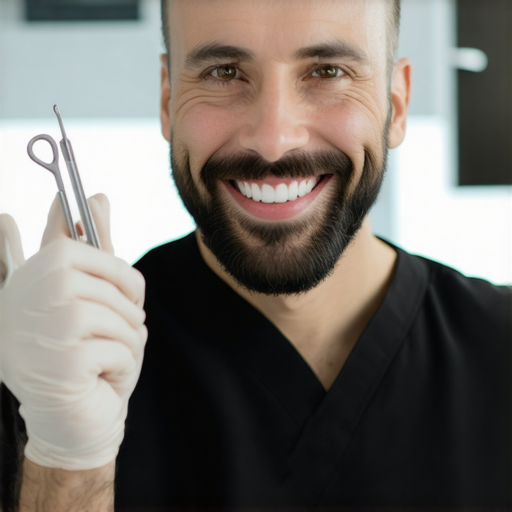
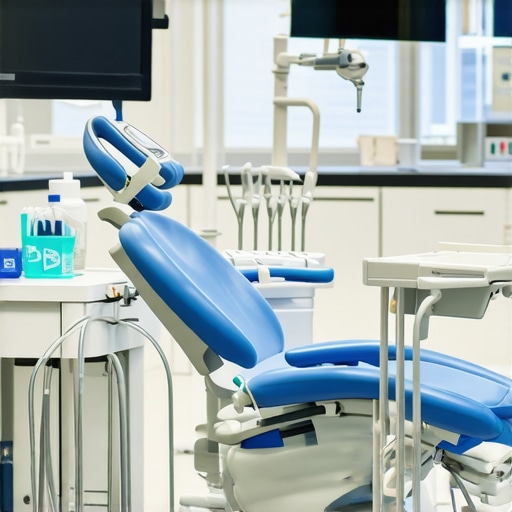
I vividly remember the moment I realized my efforts to maintain perfect dental health might be misguided. It was after a late-night snack, when I saw a tiny streak of blood on my toothbrush and felt that familiar pang of worry. That small crack in my confidence led me down a rabbit hole of research—can those off-the-shelf home scalers truly replace professional cleanings? Like many, I wondered if investing in those trendy dental gadgets was worth it or just another pricey gimmick.
What’s Really Going on with Home Teeth Cleaning Devices?
Many of us are tempted by sleek, easy-to-use devices that promise to give us professional results from the comfort of our homes. They’re appealing—saving time, money, and the awkwardness of visiting the dentist. But do they actually work? And more importantly, are they safe? The truth is, some of these gadgets can actually cause more harm than good if not used correctly, potentially damaging your gums or enamel.
Experts recommend a cautious approach. My early mistake was trying to do a thorough clean without understanding the intricacies of proper technique. I skipped essential tips like ensuring the correct angle and pressure, which I now know are crucial to avoid injury. This misstep is common among first-timers, and it underscores the importance of professional guidance—at least initially.
Interested in how to navigate this and keep your smile healthy? Keep reading, because I’ll walk you through what works, what doesn’t, and how to decide whether a home scaler is right for you.
Is the Hype About DIY Dental Cleaning Devices Just a Trend?
This is probably my biggest skepticism: Are these gadgets genuinely effective, or just clever marketing? According to recent studies, the effectiveness of home dental tools varies widely, and many lack the clinical validation needed to replace professional cleaning. The American Dental Association emphasizes that only trained professionals have the tools and knowledge to thoroughly and safely remove plaque and tartar.
Before you consider jumping on the bandwagon, ask yourself: Have I been properly educated about the risks and limits of DIY cleaning? If not, consulting with a family dentistry expert could save you from potential pitfalls. Proper oral care isn’t about shortcuts; it’s about lasting habits and knowing when to seek professional help. For more reliable tips on maintaining healthy teeth and gums, check out our comprehensive [family dentistry tips](https://periodontistcare.com/family-dentistry-tips-for-lasting-oral-health-strong-smiles) and ensure your routine aligns with proven strategies.
Master the Basics of Proper Brushing Technique
During a family gathering, I once watched my uncle meticulously brush his teeth using a small, circular motion, making sure to reach every corner. Implementing this method, I started brushing in gentle circles rather than harsh back-and-forth motions, which reduces enamel wear and gum damage. Use a soft-bristled toothbrush and hold it at a 45-degree angle to your gum line, ensuring effective plaque removal without injury.
Learn Proper Flossing Methods
I struggled initially with flossing until I discovered the technique of gently sliding the floss between teeth and curving it around each tooth in a C-shape. Flossing should be done with mild pressure, avoiding snap-style movements that can traumatize gums. Daily flossing between all teeth is crucial—think of it as cleaning the hidden nooks that your toothbrush can’t reach, preventing cavities and gum disease.
Incorporate Antiseptic Rinse into Your Routine
One evening, I added an antimicrobial rinse to my dental routine, which significantly reduced bad breath and bacterial build-up. Use an alcohol-free antiseptic mouthwash after brushing and flossing to reach areas your brush and floss might miss. This step acts as a final safeguard, much like sealing a roof after repairs—enhancing overall oral hygiene.
Schedule Regular Professional Cleanings
Despite diligent home care, I learned that professional cleanings are irreplaceable. During my routine check-up, the dentist used specialized tools to remove tartar that I couldn’t, especially below the gum line. Aim to visit your dentist every six months, just like servicing your car, to catch issues early and keep your smile in top shape. These visits also allow your dentist to assess whether you need dental crowns or other restorations, which can be pivotal for long-term health.
Monitor Your Diet and Habits for Better Results
I noticed my teeth felt more sensitive after consuming acidic foods. Adjusting my diet—reducing sugary snacks and acidic drinks—helped maintain enamel integrity. Think of your teeth as a fortress—what you consume can either strengthen or weaken its defenses. Incorporate calcium-rich foods and limit soda or citrus if sensitivity arises. These small but consistent choices contribute greatly to lasting oral health.
Avoid Common Mistakes That Damage Your Smile
Early on, I made the mistake of using a hard-bristled brush, which caused gum recession. Recognizing this, I switched to a gentle brush and learned not to scrub aggressively. For a family, teaching proper techniques prevents future problems; consider reviewing your routine with your dentist or hygienist using resources like our family dentistry tips. Remember, consistent correct habits surpass sporadic intense cleaning.
Many believe that regular brushing and flossing are enough to ensure long-term oral health, but the reality is far more nuanced. A common misconception is that dental health primarily depends on oral hygiene routines, overlooking the importance of structural solutions like dental crowns. For example, some assume that squeezing in quick fixes with over-the-counter products can replace professional restorations. In truth, crowns not only improve aesthetics but also provide essential strength and protection, especially after root canals or significant decay. You can learn more about their benefits and how they reinforce your smile by visiting [this detailed guide](https://periodontistcare.com/dental-crowns-benefits-how-they-restore-and-boost-your-smile-in-2024).
Another widespread myth is that family dentistry is solely about children’s dental care, when in fact, comprehensive family dentistry addresses all ages, emphasizing preventive strategies that grow with your family. Many overlook the significance of early intervention for adult dental issues, such as gum disease, which can be effectively managed through targeted therapies. Regular visits to a family dentist can prevent complex treatments later. Check out [these proven strategies](https://periodontistcare.com/family-dentistry-tips-for-lasting-oral-health-strong-smiles) to maintain lasting oral health.
The subtlety many miss lies in the advanced techniques used to align and repair teeth. For instance, some think braces and aligners are only cosmetic, but they can significantly improve bite functionality and reduce wear on teeth. This insight underscores why consulting with an expert is critical before assuming your alignment issues are trivial. The right orthodontic or restorative approach can prevent future complications.
The
Investing in Reliable Tools for Long-Term Oral Wellness
Maintaining a healthy smile over the years goes beyond routine brushing and flossing; it requires the right equipment and techniques. Personally, I swear by a few specific tools that have made significant differences in my dental routine. One of my cornerstone items is the Waterpik. I use it daily because it effectively removes debris in hard-to-reach areas, especially around dental crowns or after professional cleanings. This device complements my flossing routine, reducing plaque buildup and preventing gum disease, which is crucial for lasting oral health. For added effectiveness, I pair it with a water temperature that’s comfortably warm, making the process gentle yet thorough.
Another essential is a high-quality electric toothbrush, like the Philips Sonicare DiamondClean. Unlike manual brushes, this model offers superior plaque removal and gum stimulation due to its sonic vibrations. I prefer the soft-bristle head and the 3-minute timer to ensure consistent coverage, which helps preserve enamel and prevent recession—a common mistake among many. Regularly replacing the brush heads every three months ensures optimal performance, aligning with best practices from dental professionals. Including these tools in your routine can elevate your oral hygiene to the next level, supporting health and aesthetic goals.
How do I maintain these tools over time?
Care and maintenance are just as vital as the tools themselves. For water flossers, I follow the manufacturer’s cleaning instructions, usually flushing the reservoir monthly with a vinegar solution to prevent mold. Electric toothbrush heads are replaced every three months, or sooner if they show signs of wear, to keep bristle integrity and cleaning efficacy high—a simple swap that makes a big difference. I also keep my device charging stations clean and dust-free to prevent any static or dirt buildup that might affect performance. By staying consistent with maintenance, I ensure my investment continues providing effective cleaning, helping me avoid unnecessary dental visits and costly restorations.
Looking ahead, the trend toward smart dental devices suggests that integration with smartphone apps will become standard, offering personalized feedback and reminders. Companies like Philips are already experimenting with AI-enabled brushes that adapt brushing strength and pattern based on user habits. These innovations will likely lead to even better long-term results, making it easier than ever to sustain a bright, healthy smile.
If you’re ready to take control, I recommend trying the Waterpik Ultra Water Flosser. It’s been a game-changer in my routine for preventing plaque around crowns and improving gum health. Incorporate it alongside your regular brushing, and you’ll notice a significant difference in comfort and cleanliness. For more insights into how advanced tools can enhance your routine, check out our expert advice on teeth-cleaning procedures. Remember, a small investment in quality tools today can save you a lot of trouble—and money—in the future.
What I Wish I Had Known About My Smile’s True Needs
One of the biggest lessons I learned was that over-relying on trendy gadgets can distract from fundamental habits. It took a cavity forming despite my efforts to realize that proper technique and professional evaluations are irreplaceable. I also discovered that patience and consistency outperform quick fixes—your smile is a long-term project, not a sprint.
Another insight was understanding that structural solutions like dental crowns don’t just fix appearance—they reinforce your oral health. Recognizing the value of tailored treatments rather than generic advice was a game changer, guiding me toward better choices and sparing me future discomfort.
Lastly, I found that investing in quality tools, like an electric toothbrush or water flosser, genuinely amplifies your routine. These tools aren’t just gadgets—they’re enablers for healthier, happier smiles when used correctly and maintained well, reinforcing the power of proactive care.
Your Roadmap to Smarter Dental Choices
- My Essential Toolkit for Dental Wellness: A Waterpik Ultra Water Flosser has made a noticeable difference in keeping gums healthy, especially around crowns. I trust it because it reaches areas that traditional flossing misses, making my routine more thorough.
- Books That Inspired My Approach: “The Proper Care of Your Teeth” by Dr. Mark Wolff, which emphasizes understanding the ‘why’ behind each step, transformed my perspective on oral health, encouraging me to be more intentional about my habits.
- Trusted Online Resources: Visiting expert advice on teeth-cleaning procedures gave me clarity on the latest techniques, empowering me to make informed decisions and stay ahead of potential issues.
Embrace the Power of Your Smile Today
Remember, your dental health is a reflection of your dedication and knowledge. Small, consistent efforts—supported by reliable tools and expert guidance—can create a lasting impact. Don’t wait for problems to surface; take proactive steps now to enjoy a vibrant, confident smile for years to come. If you’re ready to elevate your oral health journey, explore our comprehensive family dentistry tips and start building habits that truly make a difference. Your future self will thank you!
What’s the next step you’re excited to try for a healthier smile? Share your plan below.