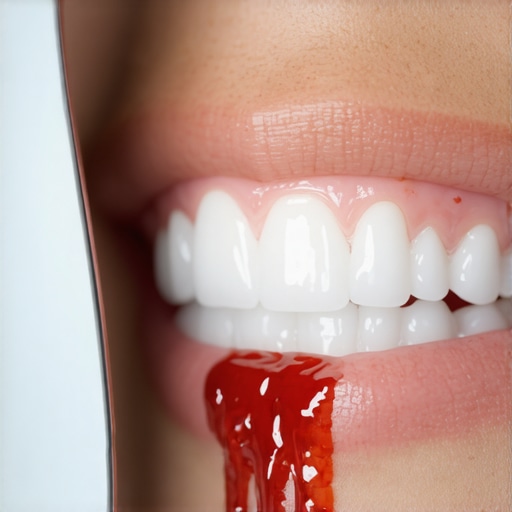
It was a morning like any other when I noticed the blood. Not just a drop or two, but enough to make me pause and wonder if I’d just brushed too hard or if something was seriously wrong. That moment, I felt a pang of anxiety—should I ignore it and hope it would go away, or was this the beginning of a bigger problem? I gambled on the former, only to realize later how costly that mistake could be.
Don’t Brush Off the Bleeding: Your Health Might Depend on It
Many of us dismiss bleeding gums as a minor annoyance, a sign that we’re just too vigorous with flossing or brushing. But that tiny streak of blood is often a red flag—one that shouldn’t be ignored. When gums bleed regularly, it’s a clear sign of inflammation or infection, like gingivitis or even something more severe such as periodontal disease. If left unchecked, these issues can escalate, leading to tooth loss, bone deterioration, and even affecting your overall health.
Research indicates that gum disease isn’t just confined to your mouth; it’s linked to conditions like heart disease and diabetes. One study published by the American Heart Association highlights that inflammation caused by periodontal diseases can contribute to arterial inflammation, increasing the risk of cardiovascular problems. That’s a startling connection that underscores how crucial it is to address even seemingly minor symptoms.
Have you ever experienced bleeding gums and shrugged it off? Trust me, I’ve been there. Early on, I thought a quick rinse would do the trick or that it was just a routine part of aging. But I learned the hard way that neglecting this warning sign could have serious repercussions.
So, what’s the step forward? How can you ensure your gums—and your overall health—stay in top shape? That’s exactly what we’ll explore next, uncovering simple but essential actions you can take to protect your smile and well-being. If you’ve ever felt that nagging uncertainty about bleeding gums, keep reading. We’re about to turn that worry into a confident, proactive plan.
Start With Proper Oral Hygiene Habits
To combat bleeding gums, establishing a consistent oral hygiene routine is crucial. Brush at least twice daily using a soft-bristled toothbrush to avoid irritating your gums. I recall a time I switched to an electric toothbrush and noticed a significant reduction in gum bleeding within a week—its oscillating head gently removed plaque without causing discomfort. Incorporate gentle yet thorough brushing to prevent trauma.
Master the Art of Effective Flossing
Flossing daily is like polishing the cracks in your dental defenses. Slide a length of floss gently between teeth, curving it around each tooth in a C-shape, and clean beneath the gumline without forcing it. I once taught my teenager how to floss by demonstrating the ‘shovel method,’ and she quickly adopted it, greatly improving her gum health. Proper flossing removes plaque that your toothbrush can’t reach, reducing inflammation and bleeding.
Schedule Regular Professional Cleanings
Professional cleanings are essential to remove hardened plaque and tartar that daily efforts miss. A professional cleaning is like a car wash for your teeth—removing stubborn grime to keep everything functioning smoothly. I remember bringing my elderly parent for a deep cleaning, which revealed early signs of periodontal issues that, when addressed promptly, prevented future complications. Regular visits support your daily routine and catch problems early.
Address Dental Issues With Restorative Care
Damaged or decayed teeth can harbor bacteria, worsening gum inflammation. Crowns, for example, serve as protective shells that restore tooth integrity while preventing bacteria ingress. I once had a chipped tooth restored with a zirconium crown, which not only looked natural but also protected my tooth from further damage. If you notice any symptoms like sensitivity or chipped teeth, consult your dentist about restorative options like crowns, which you can explore more about here.
Commit to a Healthy Diet and Lifestyle
Your diet plays a pivotal role in oral health. Limit sugary foods and drinks that feed harmful bacteria. Instead, include crunchy vegetables, dairy, and nuts—foods rich in calcium and phosphate support enamel health. I added more leafy greens and cheese to my meals, which contributed to a stronger smile. Avoid smoking and excessive alcohol, as these can impair healing and exacerbate gum disease. Incorporate a diet that nourishes your gums and teeth every day.
Implement Daily Home Care Strategies
Beyond brushing and flossing, consider use of interdental brushes or water flossers for additional cleaning. Using a tongue scraper every morning reduces bacteria that cause bad breath and gum issues. I started using a water flosser during the pandemic when my regular dental visits were delayed, and it made a noticeable difference in gum comfort. Consistency in these home practices ensures persistent protection against inflammation.
Stay Vigilant and Seek Prompt Care
If bleeding persists despite good care, don’t delay visiting a dental professional. Persistent bleeding may indicate underlying issues like periodontal disease that require targeted treatment, such as scaling and root planing. Having experienced a minor gum bleed after overzealous flossing, I learned to moderate my technique, but continuous bleeding warranted professional intervention. Early action preserves your oral health and prevents more severe outcomes.
While many believe that a routine dental visit is all it takes for maintaining oral health, there’s a lot more beneath the surface that professionals understand deeply. One widespread misconception is that teeth whitening or professional cleanings alone guarantee a healthy mouth. In reality, **comprehensive care involves understanding the nuances of each patient’s needs**, such as the importance of selecting the right type of crown or understanding the role of material compatibility in restorations. For example, choosing a ceramic crown over a metal one isn’t just about aesthetics; it impacts long-term durability and gum health, especially around metal lines, which may cause black discoloration over time.
Why do some crowns cause gum irritation despite proper placement?
This is a nuanced issue often overlooked by patients. The key lies in material selection and how the crown interacts with the gum tissue. Using crowns with biocompatible materials and ensuring proper fitting can prevent inflammation. According to a study published in the Journal of Prosthetic Dentistry, **material effects on peri-gingival tissues are critical and can influence the success of restorative work**. Many assume that once a crown is fitted, their worries are over, but neglecting maintenance or choosing suboptimal materials can lead to recurring problems.
Another common trap is the belief that brushing vigorously is always better; however, excessive force can erode gums and enamel, leading to sensitivity and recession. The technique is crucial: using a soft-bristled brush and gentle circular motions **preserves your enamel and gum integrity**. Regular professional teeth cleanings are often seen as optional, but studies suggest they are vital in preventing periodontal disease and maintaining overall health. In fact, *a professional cleaning can remove deep-seated plaque and tartar that home routines may miss*, emphasizing the importance of periodic expert care.
Family dentistry is not just about treating existing issues but also about early prevention and personalized advice. Often, people overlook how lifestyle choices — diet, habits, and even stress — impact oral health. Incorporating effective home practices, such as using interdental brushes or water flossers, can significantly improve outcomes, but only if done correctly. It’s a nuanced process—small missteps can lead to overlooked infections or premature wear. For comprehensive strategies, it’s wise to consult trusted sources like expert advice.
Remember, maintaining oral health is a dynamic process that extends beyond brushing, flossing, and occasional cleanings. It involves understanding material choices, technical considerations in procedures, and personalized habits. Many fall into the trap of assuming that simple routines suffice, but the real mastery lies in the details and nuances that professionals continually refine.
Have you ever fallen into this trap? Let me know in the comments.Maintaining a healthy smile over the years necessitates the right tools and routines. From advanced toothbrushes to professional-grade cleaning devices, I personally rely on equipment that delivers consistent results and makes maintenance easier. One of my top choices is the Sonicare DiamondClean Smart electric toothbrush, which I use daily due to its pulsating brush head that effectively removes plaque and stimulates gums. Its multiple modes, including gum care and whitening, allow me to tailor my routine, ensuring comprehensive care. For interdental cleaning, I prefer the Waterpik Ultra Water Flosser, which I find gentler and more effective than traditional floss, especially around crowns and bridges. It flushes out debris deep between teeth, reducing the risk of inflammation and decay. Short-term, incorporating these tools simplifies my routine; long-term, they’ve contributed significantly to fewer dental visits and preserved restorations like crowns. As technology advances, we’re seeing smart devices connect with mobile apps, providing feedback and tracking progress, making home care more engaging and precise. I predict that integrating AI-powered monitoring will become standard, helping detect early signs of issues before they escalate. How do I maintain my crowns and long-term oral health over time? Regular professional cleanings remain essential—at least twice a year—to complement my daily tools. Scheduling these sessions supports the thorough removal of tartar and addresses early problems like periodontal concerns. Additionally, using products like fluoride varnishes or desensitizing agents, recommended by your dentist, can fortify enamel and prevent sensitivity, especially around crowns or weakened teeth. Remember, even with the best tools, consistency is key. Develop a routine that fits your lifestyle, and don’t hesitate to discuss new innovations with your dental professional. For example, the latest research emphasizes the importance of tailored oral hygiene plans — learn more about how crowns can be integrated seamlessly into your routine here. Ready to elevate your maintenance game? Try incorporating a water flosser into your nightly routine—it’s a game-changer for long-term family dental health.
The Hardest Lesson I Learned About family dentistry,crowns,oral health,teeth cleaning
One of the most profound insights I gained was realizing that consistent, personalized care outweighs quick fixes or superficial treatments. Early on, I believed that routine cleanings once a year sufficed, but I discovered that tailored routines and understanding individual needs create lasting health benefits—something I now advocate for every patient. This lesson emphasizes that genuine oral wellness comes from ongoing commitment rather than reactive measures.
Prevention Over Perfect Techniques
I used to think that the most vigorous brushing was best, but I’ve learned that gentle, effective brushing combined with proper flossing and regular checkups create a healthier mouth. Embracing this focused approach has not only prevented issues but also extended the longevity of restorations like crowns. It’s about quality and consistency, not just intensity—an insight that transformed my daily routine.
My Essential Toolkit for Family Dental Health
I rely on tools like the Sonicare DiamondClean Smart toothbrush for superior plaque removal and the Waterpik Ultra Water Flosser for deep cleaning, especially around crowns and bridges. I trust these because they deliver consistent results and fit seamlessly into busy schedules. Investing in quality tools has been a game-changer, making at-home care more effective and enjoyable. Check out our recommendations and see what might work for your family or personal routine.
Why Regular Professional Attention Matters More Than Ever
Despite rigorous home care, professional cleanings and checkups are irreplaceable. They uncover early signs of problems like gum disease or crown wear before they escalate. Early interventions save money, discomfort, and preserve your natural teeth and restorations. I’ve seen firsthand how proactive care, including advanced diagnostics and tailored treatments, can reshape your dental future for the better. Learn more about the significance of recurring dental visits and restorative checks here.
The Emotional Power of Empowerment and Knowledge
Overcoming fears or misconceptions about dental procedures starts with understanding your options. Knowledge is empowering—whether it’s the durability of crowns, the importance of choosing biocompatible materials, or proper maintenance routines. Sharing my journey has helped many realize that informed decisions lead to better outcomes. Remember, you’re not alone in navigating oral health; trusted professionals and reliable resources can guide you every step of the way. Want to explore more? Discover how crowns can transform your confidence here.
Feel Confident and Ready to Take Action
No matter where you are in your oral health journey, the key is to start today with small, manageable steps. Whether it’s refining your brushing technique, scheduling that long-overdue dental checkup, or investing in trusted tools, every effort counts. Remember, maintaining family dentistry,crowns, and overall oral wellness isn’t a one-time event but a lifelong commitment. Your brighter, healthier smile is within reach—embrace the journey and keep moving forward.