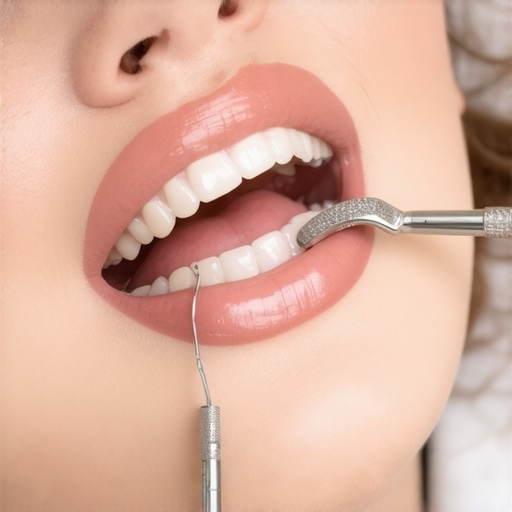
I remember the first time I saw those tiny wires hugging the back of my teeth, and I thought, “Wow, this is going to be a breeze to keep clean.” But reality hit hard—cleaning around a permanent retainer is anything but simple. It’s like trying to sweep crumbs around a tiny, stubborn obstacle every single day. One afternoon, I bit into an apple and felt a rough edge—turns out, leftover food had stubbornly lodged in those hard-to-reach spots, turning my smile into a source of stress.
Soon, I realized that my usual brushing routine wasn’t cutting it. Food particles accumulated, plaque built up, and I started worrying about gum disease and cavities hiding just beneath the wire. That lightbulb moment—when I understood the importance of proper cleaning techniques—changed everything. If you’ve ever faced this annoyance, you’re not alone, and more importantly, there *is* a way to make it easier.
Today, I’m going to share how I finally mastered the best way to clean a permanent retainer, so you can keep your smile bright without the daily struggle. Whether you’re new to having one or just looking for effective tips, I’ll guide you through practical steps that make a real difference.
Why Regular Cleaning Matters More Than You Think
Having a permanent retainer means committing to meticulous oral hygiene. These little wires are fantastic for maintaining your straight smile, but they also create secret spaces where plaque, bacteria, and food get trapped. According to dental health experts, failing to clean around a retainer can lead to tartar buildup, gum inflammation, and even cavities—things you definitely want to avoid. Moreover, neglecting this cleaning can compromise the health of your natural teeth and the longevity of your retainer.
Early on, I made the mistake of thinking my regular brushing and flossing routine was enough. Spoiler alert: it was not. I ignored the specialized techniques required to really get into those tiny crevices, which only made the problem worse. I wish I’d known that using the right tools and techniques can make all the difference. If you want to prevent the hassle of dental issues down the line, adapting your cleaning routine is a must.
Have you ever felt frustrated because no matter how much you brush, food still seems to sneak around your retainer? It’s a common problem, but the good news is that there are specific methods that can help you keep this tricky area pristine. In the next section, I’ll walk you through the step-by-step practices I swear by—trust me, they turned my retainer from a daily headache to a manageable part of my dental routine. Stay tuned, because cleaning smarter, not harder, is entirely within reach.
Get the Right Tools for a Deep Clean
The first step is to gather specialized tools because standard toothbrushes and flossers won’t reach those stubborn spots. A water flosser, interdental brushes, and floss picks with a thinner, more flexible thread are essential. I remember the mess I made when I tried to improvise with a regular floss—food particles just sneaked past, making the task more frustrating. Using the right tools simplifies access and increases effectiveness.
Sequence Your Routine for Maximum Cleanliness
Start with a Water Flosser
Fill your water flosser with warm water, and aim the jet at the wire and underneath the retainer. This loosens debris and dislodges trapped particles. I once skipped this step and noticed food residuals after brushing, which reminded me of how powerful water pressure can be—almost like rinsing away the stubborn dirt from a hard-to-reach corner in a family kitchen. Consistency here is key to preventing plaque buildup.
Use Interdental Brushes Carefully
Next, pick a small interdental brush designed for tight spaces. Gently insert it between the wire and your tooth, moving in circles. I once used a too-large brush and accidentally bent the wire—a mistake I quickly learned from. Selecting a size that fits comfortably ensures safe cleaning and preserves the integrity of your retainer. Think of it as carefully polishing a delicate ornament.
Floss with Precision
Finally, floss with a super-thin floss threader or a floss pick designed for fixed appliances. Thread it under the wire, then slide it up and down along the sides of each tooth, scraping away plaque and food debris. I vividly remember the first time I managed to get a squeaky-clean feeling by doing this—like scrubbing a stubborn stain from fabric. Regular flossing prevents tartar accumulation and gum issues around the wire.
Pay Attention to Detailing
After the main routine, spend a moment inspecting your work. Use a mirror and flashlight to check for any remaining debris. If you notice stubborn spots, repeat the water flosser or floss for those areas. This meticulous approach feels tedious at first, but it prevents future problems. Think of it as the difference between a quick, superficial clean and a thorough polish—quality over speed.
Additional Tips for Longevity
To keep your retainer and teeth in prime condition, avoid using abrasive toothpaste or overly hard brushes that could damage the wire or your enamel. Instead, opt for gentle, anti-cavity toothpaste and soft-bristled brushes, especially designed for sensitive areas. Remember, routine care now saves you from costly repairs or replacements later. For more insights on how to maintain your dental crowns and ensure their longevity, check out this guide.
While many people believe they know the essentials of good oral health, misconceptions persist that can actually do more harm than good. One widespread myth is that brushing harder cleans better; in reality, aggressive brushing can wear down enamel and damage gums, increasing sensitivity and risk of recession. According to the American Dental Association, gentle brushing with a soft-bristled brush is more effective and safer for long-term oral health.
Another misconception involves the idea that flossing is optional. Some believe it’s unnecessary if they brush regularly, but flossing reaches areas that toothbrushes can’t, removing plaque and food debris that can lead to cavities and gum disease if neglected. Developing proper flossing techniques is crucial; using a floss threader for fixed appliances can prevent trapped debris around braces or retainers.
However, one of the most misunderstood aspects is the role of crowns and other restorations. Many think crowns last forever or require no special care, but neglecting proper maintenance can lead to premature failure. Regular cleaning around crowns with specific attention helps maintain the surrounding gum tissue and prolongs the restoration’s lifespan. For advanced insights into maintaining dental crowns, check out this guide.
Are you aware of the common pitfalls that might be undermining your smile? For example, many believe that whitening toothpastes can drastically brighten teeth, but they often contain abrasives that wear down enamel over time. Instead, consult a dental professional for safe whitening options. Learning the nuances of effective oral care can prevent costly repairs and ensure your smile stays healthy and bright for years to come.
Next, I’ll share how popular practices often fail to address the complexity of oral health, and what you can do differently to truly optimize your dental routine. Remember, understanding these nuances is key to lasting dental wellness.
Why do some patients experience faster crown deterioration despite good care?
Studies have shown that habits like grinding teeth, acidic diets, or neglecting regular checkups can accelerate crown wear and failure—factors often overlooked by patients. Being proactive with your dental reviews can help catch issues early, saving you money and discomfort. For more expert tips, visit this resource.
What myths about oral health have you encountered? Share your experiences below—I’d love to hear which misconceptions you’ve overcome or are working to correct. Remember, debunking these myths is essential for maintaining a truly healthy, confident smile.Maintaining your dental health over time requires more than just brushing and flossing; it demands using the right tools and adopting effective routines. One of my favorite investments is a **Water Flosser**, like the Philips Sonicare AirFloss. I personally find it incredibly effective at dislodging food particles trapped around braces and crowns, especially in hard-to-reach areas, reducing plaque buildup and preventing gingivitis. Its targeted jet of water is gentle yet powerful, making daily cleaning less of a chore and more of a satisfying rinse.
Another essential tool is a set of **Interdental Brushes**, specifically the tiny, tightly bristled types designed for tight spaces between teeth and around restorations. I prefer the ones with a flexible wire handle, allowing precise maneuvering without putting undue pressure on delicate areas like crowns or implants. These brushes help prevent tartar accumulation, which floss alone might miss, especially around fixed appliances.
In addition to physical tools, I recommend using a **professional-grade electric toothbrush** like the Oral-B Genius X. Its oscillating-rotating motion combined with smart sensors ensures we’re not just brushing but thoroughly cleaning every surface. I’ve noticed significant improvements in gum health since I switched, especially around crowns where plaque tends to hide.
Looking ahead, I predict that emerging technologies, such as AI-driven oral health monitoring devices, will become commonplace. These tools could track plaque levels or even suggest personalized cleaning routines via smartphone apps, further empowering individuals in their dental care.
**How do I maintain my tools so they keep working effectively?** Regular cleaning is vital. Rinsing brushes and replacing heads every three months prevents bacterial buildup. Water flossers should be descaled periodically to prevent mineral deposits from clogging the mechanism. Reflecting on this, I now schedule monthly maintenance for my tools—something dental professionals emphasize for sustained performance.
Investing in quality tools like these not only makes daily routines easier but also extends the lifespan of your restorations, including crowns. Proper care minimizes wear and tear, preserving your smile’s integrity. To ensure maximum longevity of your crowns, check out this comprehensive guide.
Remember, using the right tools is just part of the equation. Combining them with consistent, proper techniques is what truly keeps your oral health on track long-term. Don’t hesitate to experiment with these advanced methods, like incorporating a water flosser into your routine—you might just discover a new level of freshness and confidence in your smile.
Over the years, I’ve realized that there’s a wealth of insider wisdom that often goes unnoticed in everyday oral health routines. One of the most eye-opening lessons I learned is that maintaining a healthy smile isn’t just about quick fixes or superficial care—it’s about understanding the deeper mechanics of your teeth and how everyday choices ripple over time. For instance, I used to dismiss early signs of gum sensitivity as minor, only to discover later that they hinted at underlying issues that, if ignored, could lead to costly repairs. Recognizing these subtle cues was a game-changer, teaching me that proactive attention and personalized routines considerably extend the lifespan of crowns and natural teeth alike.
Another lesson I embraced is that consistent tool maintenance is often the missing link in effective home care. Cleaning my water flosser and replacing toothbrush heads on schedule helped me prevent bacterial buildup that standard routines missed. And these habits weren’t based on generic advice—they stemmed from real-world trial, error, and wisdom from trusted dental professionals. This guide has been invaluable in refining my approach, offering practical tips grounded in expert knowledge.
Finally, understanding that oral health is a dynamic interplay of lifestyle, tools, and awareness has transformed my perspective. I’ve learned that the most powerful changes often come from small, intentional adjustments—like avoiding abrasive toothpaste after crowns or incorporating interdental brushes into my routine daily. These small shifts, combined with a mindset of continuous learning, have been instrumental in achieving a resilient, thriving smile that reflects my commitment to long-term health.
My Top Tips for Elevating Your Dental Routine with Confidence
- Prioritize personalized tools: Invest in a high-quality water flosser and interdental brushes tailored for your unique needs.
- Stay vigilant about maintenance: Replace brush heads and descale devices regularly—small efforts that pay off.
- Listen to your body: Sensitivity or discomfort can be early warnings—address them promptly with your dentist.
- Embrace continuous education: Follow trusted resources like expert advice to stay ahead of trends and myths.
Take Charge of Your Smile’s Future Today
The journey to lifelong dental wellness is ongoing—and it’s deeply personal. By integrating these insights and trusting your intuition, you set the stage for a future where your smile remains as radiant and healthy as when you first got your crowns. Remember, every small, consistent action creates a ripple effect that can transform your dental health for decades to come. Be proactive, stay curious, and don’t hesitate to seek expert support when needed.
What’s one small change you’re planning to make tomorrow to improve your oral health? Share your thoughts below—I’d love to hear how you’re taking control of your dental future!
,