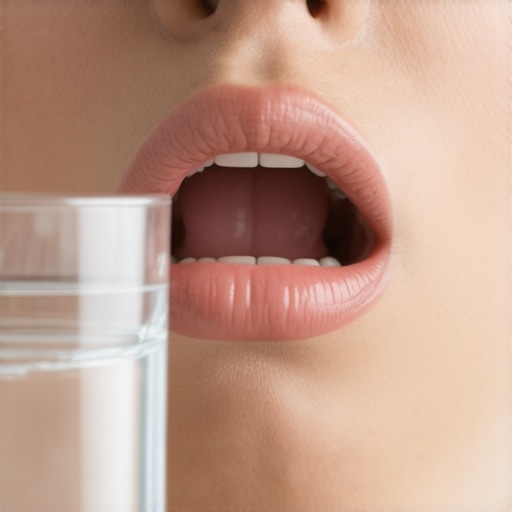
One evening, I reached for my glass of water, expecting relief from the persistent dryness in my mouth. Instead, I found my mouth felt just as parched—so much so that I questioned my own hydration habits. It was a lightbulb moment for me, realizing that dehydration wasn’t the sole culprit for my dry mouth. Have you ever experienced a similar frustration, where even drinking water doesn’t soothe that uncomfortable, sticky sensation?
Understanding Why Your Mouth Feels Dry Despite Drinking Water
This question stumped me at first because I had always believed that water was the cure-all. But then, I discovered that dry mouth—medically termed xerostomia—can stem from various causes beyond simple dehydration. Factors like medication side effects, underlying health conditions, or even dental work such as crowns can contribute to this persistent dryness. And honestly, before I learned this, I made the mistake of ignoring my symptoms, thinking it was just a temporary phase. Trust me, that’s a mistake many people make early on, and it can lead to more significant issues down the line.
Is Your Dry Mouth Really Worth Worrying About?
Initially, I dismissed my symptoms as minor inconveniences. However, I soon realized that constant dry mouth can increase your risk of cavities, gum infections, and even bad breath. It’s more than just an annoying sensation; it’s a warning sign that your oral health might be compromised. I remember thinking,
Start by selecting the right toothbrush—soft-bristled brushes are gentle yet effective, especially for sensitive gums. Position it at a 45-degree angle toward your gum line and use gentle circular motions. I remember once accidentally applying too much pressure, causing gum irritation, but I adjusted my technique and saw immediate improvement. For maximum benefit, brush for at least two minutes, covering all surfaces of your teeth, including the hard-to-reach molars.
Applying fluoride toothpaste fortifies your enamel and fights cavities. Be sure to use a pea-sized amount and avoid rinsing immediately after brushing to let the fluoride work longer. During one hectic morning, I accidentally rinsed right away—delaying my next chance to brush—and noticed my teeth felt less protected that day. Consistency is key; make this a regular habit to maintain your enamel’s integrity.
Floss daily using about 18 inches of dental floss. Curve the floss around each tooth in a C-shape and gently move it up and down to dislodge plaque. I once skipped flossing for a week, and the sticky buildup became obvious during my next professional cleaning. Think of flossing as sweeping the corners of your house; it reaches places your toothbrush can’t access, preventing plaque accumulation and tartar formation.
Choose an alcohol-free mouthwash containing fluoride or antibacterial agents. Swish for 30 seconds to rinse out residual bacteria and freshen breath. I added this step after noticing my breath was less fresh than I liked, and soon, the feeling of cleanliness extended longer after each brushing session. Mouthwash can reach areas between teeth and along your gum line, boosting overall oral health.
If you have dental crowns or restorations, careful maintenance is essential. Use a soft floss threader or specialized interdental brushes to navigate around crowns. I once noticed a slight roughness on my crown’s edge, which I gently cleaned with a soft brush, preventing potential decay underneath. Avoid using abrasive cleaners or stiff brushes that can damage the surface. Regularly inspect your restorations and consult your dentist if issues arise—they can provide tailored advice for long-term durability [see expert advice on crowns and teeth cleaning for lasting results](https://periodontistcare.com/expert-advice-on-crowns-and-teeth-cleaning-for-lasting-results).
Limit sugary snacks and acidic drinks that erode enamel and promote bacteria growth. Drinking plenty of water helps wash away food particles and keeps your mouth hydrated, mitigating dry mouth symptoms. I learned this firsthand when I replaced soda with infused water, noticing less plaque buildup and fresher breath. Additionally, avoid smoking, which significantly damages gums and teeth, contributing to persistent dry mouth and increased bacterial plaque. Implementing these habits supports your daily cleaning efforts and enhances overall dental health.
Remember, consistent, proper care at home complements professional cleanings and dental visits. Developing a routine that combines effective brushing, flossing, and lifestyle adjustments will build a resilient oral environment, reducing issues like dry mouth and preventing future problems. Regular visits to your family dentist ensure any emerging concerns are addressed early and help maintain your smile’s health for years to come. For the best practices, check out [teeth cleaning secrets and effective home practices](https://periodontistcare.com/teeth-cleaning-secrets-effective-home-practices-for-family-dental-health) and [oral health tips every family should follow](https://periodontistcare.com/oral-health-tips-every-family-should-follow-in-2025).Many assume that brushing twice daily and visiting the dentist annually are sufficient for lifelong oral health, but this oversimplification overlooks several critical nuances. For instance, the myth that all toothbrushes are equally effective persists; in reality, selecting a soft-bristled brush and replacing it every three months can significantly impact gum health, as highlighted by leading dental research. Moreover, many believe that crowns are maintenance-free, yet neglecting proper care can shorten their lifespan drastically, especially if plaque accumulates around the margins. Expert advice emphasizes routine flossing with interdental brushes to prevent decay underneath crowns, which is often underestimated. Additionally, the misconception that family dentistry focuses solely on children ignores its vital role in long-term health and preventive care for all ages. Regular professional cleanings remove biofilm and tartar buildup that at-home brushing often misses, especially in hard-to-reach areas. A common mistake is underestimating the role of lifestyle factors—like diet and smoking—in oral health; these influence the integrity of restorations and the health of surrounding tissues. Advanced readers should consider the subtle interplay between saliva composition and oral microbiome diversity, which research links to caries susceptibility and gum disease progression. One significant trap is the tendency to overlook early signs of crown failure—such as minor discoloration or sensitivity—often dismissed as normal aging, yet these can herald underlying issues that, if caught early, are easier and less costly to address. For detailed strategies to enhance your routine, check out [teeth cleaning secrets and effective home practices](https://periodontistcare.com/teeth-cleaning-secrets-effective-home-practices-for-family-dental-health). Remember, an informed approach helps prevent costly future complications, and consulting experts ensures your routine evolves with the latest proven practices. Do you ever fall prey to these misconceptions? Share your experiences below, and let’s debunk these myths together.
Keep It Working: Tools I Recommend for Lasting Oral Health
Maintaining a beautiful, healthy smile over the years requires more than just regular brushing and flossing. It involves investing in quality tools that suit your unique needs and incorporating effective techniques into your routine. As someone passionate about family dentistry (focused on building a lifetime of healthy smiles), I’ve tested and trusted certain equipment that truly makes a difference.
The cornerstone of my toolkit is a high-quality electric toothbrush with a pressure sensor. I personally use the Oral-B Genius X, which provides real-time feedback to prevent over-brushing, protecting sensitive gums and crowned teeth (maintaining crowns). Its rotating, oscillating brush head reaches deep between teeth, ensuring plaque removal without damaging the restoration surfaces.
Next, I rely on interdental brushes like the TePe Interdental Brushes. These tiny brushes excel at cleaning around crowns and bridges, where floss might miss stubborn debris. I recommend using them daily, especially if you’re prone to plaque buildup around restorations; they are gentle yet effective, preserving the longevity of your dental work.
In terms of flossing, I prefer the Reach Access Floss. Its design molds around each tooth, delivering a thorough clean underneath crowns and along the gum line. Regular flossing prevents decay beneath crowns and keeps gingival tissue healthy, which is critical when you have dental restorations (effective home dental practices).
To complement mechanical cleaning, I incorporate an antibacterial mouthwash like Listerine Zero Alcohol. It reaches areas that brushing and flossing might miss and helps maintain a fresh mouth atmosphere. Using mouthwash has shown to decrease periodontal bacteria levels significantly, especially in patients with crowns and implants.
How do I maintain this toolkit for duration over time?
Proactive maintenance is vital. Replace your electric toothbrush head every three months or sooner if the bristles fray. Regularly clean interdental brushes with warm water after each use and replace when they show signs of wear. Store your tools in a dry, hygienic space to prevent bacterial growth. Also, schedule biannual dental check-ups (professional cleanings for crowns) to assess tool effectiveness and catch any emerging issues early.
As the trend shifts towards smarter, more personalized oral health solutions, I foresee a rise in AI-powered toothbrushes that adapt to your brushing habits and provide real-time feedback. Embracing these advances could elevate your routine to new heights and ensure your restorations and natural teeth stay healthy longer.
Try implementing a pressure-sensitive electric toothbrush combined with interdental brushes as a first step. Consistency and proper technique are your best friends in maintaining crowns and overall oral health. For more insights, explore understanding crowns in smile makeovers to appreciate their role in your dental journey.
,
Lessons the Dentist Won’t Tell You About Crowns and Oral Care
- One revelation I had was that not all crowns are created equal—some materials and designs are more resistant to staining and decay than others, impacting longevity. Choosing the right restoration can save you from costly replacements later.
- I learned that consistent home care isn’t just about frequency but technique—gentle, comprehensive brushing and targeted flossing around crowns prevent issues that even professional cleanings might miss.
- Addressing dry mouth early through lifestyle adjustments or medical consultation can drastically improve your oral health since saliva is your body’s natural defense against decay.
- Most surprisingly, the importance of regular check-ins with your dentist goes beyond cleaning—early detection of crown wear or gum issues can be the difference between a simple fix and a major procedure.
- Finally, integrating trustworthy tools like electric toothbrushes with pressure sensors and interdental brushes can enhance your routine and extend the life of your crowns and natural teeth alike.
Tools and Resources That Elevate Your Dental Journey
My go-to equipment includes the Electric toothbrush with pressure sensors like the Oral-B Genius X, which helps prevent over-brushing and protects delicate crowns. For cleaning around crowns, I trust interdental brushes like TePe—they reach those tricky spots where plaque loves to hide. To ensure comprehensive care, I recommend the latest guides on crown maintenance and professional cleaning techniques, helping you make informed decisions and keep your smile bright for years.
Your Smile Deserves the Best—Here’s Your Next Step
Now that you’re equipped with insider wisdom and trusted tools, it’s time to prioritize your oral health routine. Remember, the confidence in your smile starts with consistent care and informed choices. Embrace these practices, consult your dentist regularly, and don’t hesitate to be proactive about your oral health. Your future self will thank you for it!
What’s the biggest challenge you face when maintaining your crowns or oral hygiene? Share your experience below, and let’s help each other smile brighter!
,