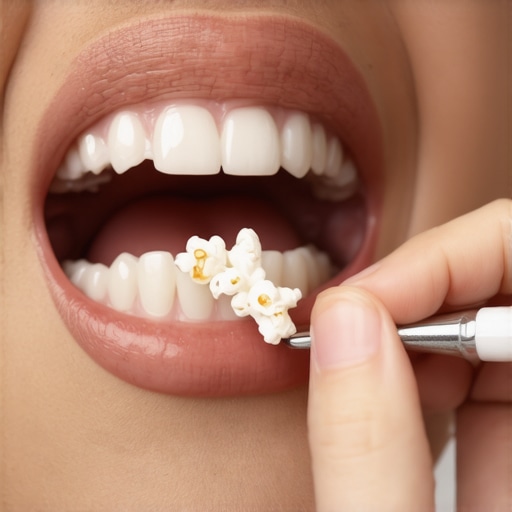
I remember the exact moment it happened—biting into popcorn during movie night, feeling that tiny, unyielding bump in my gum line. It wasn’t just a mild annoyance; it became a persistent, nagging discomfort that refused to go away. That little kernel had somehow embedded itself deeper than I expected, turning a fun evening into a frustrating ordeal. I tried everything to dislodge it—twisting, poking, even risking a dangerous home extraction. Spoiler alert: none of those worked, and I only ended up making it worse.
If you’ve ever found yourself in a similar situation—trying to get a stubborn popcorn kernel out of your gums—you know how uncomfortable and worrisome it can be. It’s tempting to panic or attempt risky home remedies, but trust me, there are safe and effective ways to handle this tricky problem. Today, I’ll share practical advice based on my own missteps and successes, helping you avoid unnecessary pain or dental damage.
Why You Shouldn’t Ignore That Embedded Kernel
That tiny piece of popcorn isn’t just an annoyance—if neglected, it can lead to more serious dental issues like infections or gum abscesses. Left in place, it can cause inflammation, swelling, and even damage to your soft tissues. The best approach is to remove it carefully and promptly, but without risking injury to your delicate gums. It’s crucial to understand that attempting to poke it out with sharp or unclean objects can worsen the situation. In fact, improper removal can push the kernel deeper or cause bleeding and pain.
Early in my own experience, I made the mistake of using a toothpick to pry at the kernel—thinking it would be quick and easy. Not only did it hurt, but I also risked puncturing my gum tissue, setting the stage for infection. That mistake taught me the importance of knowing when a problem is better handled professionally. For more tips on maintaining your oral health and preventing issues like these, you can consult expert advice on crowns and teeth cleaning. But if you’re determined to try removing the kernel at home first, keep reading.
Before we delve into the safe methods, consider this: according to recent studies, a significant percentage of people experience gum injuries from DIY removals, which underscores the importance of caution. Ensuring you understand the proper technique can save you pain, cost, and the need for dental repairs later.
Now, let’s explore how to handle this pesky problem without making things worse—step by step.
Prepare Your Environment and Gather Tools
Find a comfortable, well-lit space and wash your hands thoroughly to prevent introducing bacteria into your mouth. Gather clean dental floss, a soft-bristled toothbrush, and if available, a dental pick with a smooth, rounded tip. This setup minimizes risks and ensures you’re ready for precise, gentle removal.
Identify the Exact Location of the Kernel
Use your tongue and mirror to locate where the kernel is lodged. Gently feel around your gum line to determine the tenderness or swelling that indicates the kernel’s position. Pinpointing its exact spot prevents unnecessary probing and potential tissue damage.
Loosen the Kernel with Floss
Cut a length of dental floss, about 18 inches, and gently slide it between your teeth and gum, aiming to catch the kernel. Use a gentle back-and-forth motion, like flossing, to try dislodging it. Think of this step as trying to wiggle out a stuck knot — firm yet gentle, avoiding harsh pulls that could tear tissue.
Tip:
If the floss catches or seems to pull on the kernel, avoid forcing it. Instead, move to a different approach to prevent irritation or bleeding.
Use Gentle Swabbing with a Soft Brush
If flossing doesn’t work, dampen a soft-bristled toothbrush or a cotton swab with warm water. Gently massage the gum area around the lodged kernel, aiming to loosen it by mimicking a gentle massage. Imagine coaxing a stubborn sticker off a surface — patience is key.
Apply Warm Saltwater Rinse
Prepare a solution of warm water and half a teaspoon of salt. Swish this mixture around your mouth for 30 seconds, focusing on the affected area. The saltwater acts as an antiseptic, reducing inflammation and encouraging dislodgement by softening tissues around the kernel.
Try the Gravity Method
If the kernel is near the gumline, tilt your head to the side and gently tap on the area with a clean finger or a soft instrument. Sometimes, gravity can help dislodge stubborn pieces, especially if they are loose but not entirely expelled. However, avoid excessive force to prevent injury.
When Home Techniques Fail, Seek Professional Help
If after a couple of attempts the kernel remains embedded, do not persist with risky methods like poking or squeezing. Persistent attempts can push the kernel deeper or cause bleeding. Instead, visit a dentist or family dentistry professional who can remove it safely and assess for any tissue damage. Regular dental checkups and cleanings can prevent such issues, and professional care ensures your smile stays healthy.
For tips on maintaining your dental health, including caring for crowns and avoiding common pitfalls, visit expert advice on crowns and teeth cleaning. Remember, your smile is an investment — protect it with proper technique and professional guidance.
Many people believe they know everything about maintaining good oral hygiene, but several misconceptions can actually undermine your efforts. One widespread myth is that brushing harder cleans better; however, aggressive brushing can erode enamel and recede gums, leading to sensitivity and increased risk of cavities. Instead, gentle yet thorough brushing with a soft-bristled brush is more effective and protective, as highlighted in recent studies emphasizing proper technique over forcefulness.
Another common misconception is that teeth whitening treatments are safe to use frequently. In reality, overuse can damage enamel and cause sensitivity. Professional guidance ensures that whitening is done safely and effectively—it’s not a DIY project you can afford to take lightly. For those considering whitening options, check out expert advice on safe teeth whitening methods.
Many assume that dental crowns are a permanent fix that never require maintenance. However, neglecting proper care can lead to staining, cracking, or even crown failure. Proper hygiene, avoiding hard foods, and regular checkups extend the longevity of your crowns. For essential tips on caring for restorations, visit this professional guide amid common myths.
Deep cleaning is often misunderstood as a luxury rather than a necessity. Some patients think that if their teeth look clean, they don’t need professional cleaning. But plaque and tartar buildup occur below the gumline, which only a professional cleaning can remove effectively. Regular cleanings not only improve oral health but also prevent serious conditions like periodontal disease, which has been linked to systemic health issues such as heart disease.
What about family dentistry? Many believe that dental visits are only necessary when problems arise. In reality, routine checkups and preventive care are crucial for early detection of issues and maintaining overall health. Regular visits, along with proper home care, reduce the risk of cavities, gum disease, and other complications. For a comprehensive approach, explore family dentistry essentials here.
Now, let’s tackle one of the most overlooked aspects: the nuances of what truly impacts long-term oral health. Simplistic assumptions about brushing, whitening, or visiting the dentist can cause more harm than good. Educating yourself about these hidden truths ensures that your efforts are effective and safe. Remember, oral health is interconnected with your overall wellness, and a personalized approach often yields the best results.
Have you ever fallen into this trap? Let me know in the comments! For personalized advice or to schedule a professional consultation, visit our contact page. Your smile deserves expert care, not outdated myths.Achieving sustainable dental health isn’t just about quick fixes; it requires reliable tools and consistent practices. Personally, I rely on a combination of professional-grade equipment and smart software to monitor and maintain my smile. An electric toothbrush with a timer and pressure sensor, like the Philips Sonicare DiamondClean, ensures I brush efficiently without damaging my gums. Its gentle sonic vibrations remove plaque thoroughly while protecting sensitive tissues. Coupled with a water flosser such as the Waterpik Ultra, I can effectively clean around crowns, braces, and hard-to-reach areas, reducing the risk of cavities and gum disease.
For professional assistance, I utilize dental software like Dentrix Ascend to schedule regular checkups, track my dental health progress, and receive personalized recommendations. Such tools help me stay on top of routine cleanings, which research shows are vital for long-term oral wellness (source). I also subscribe to a quality toothpaste like Sensodyne Pronamel, which helps reinforce enamel and prevent sensitivity over time.
In the future, I anticipate advancements like AI-powered diagnostics and smarter toothbrushes that adapt to individual needs, making home care even more precise. Regularly updating and maintaining your tools can make a significant difference in your oral health journey.
How do I maintain my tools over time?
Changing your toothbrush every three months is a simple yet effective habit—this prevents bacteria buildup and ensures optimal cleaning. Also, regularly descaling and cleaning water flossers prevent mold and bacteria accumulation, keeping your tools hygienic. This maintenance extends their lifespan and performance, ultimately protecting your oral health. For deep insights into proper care of your dental tools, visit this guide. Additionally, scheduling periodic professional cleanings and checkups ensures that any wear or issues with your dental restorations or appliances are addressed promptly.
Remember, consistent maintenance of your tools is just as crucial as the routine care itself. I encourage you to try upgrading to an ultrasonic water flosser and setting reminders to replace your toothbrush regularly. Small investments in quality tools and proper care routines can lead to healthier teeth and gums for years to come, supporting your aspirations for a confident smile.
The Lessons Hidden Behind the Smile
One of the most profound lessons I learned about oral health is that consistent, gentle care is more effective than aggressive scrubbing or rushing through routines. I once believed that brushing harder would clean better—until I noticed increased sensitivity and gum recession. Slow, mindful movements, focusing on technique, changed my results entirely.
Another revelation was realizing that DIY remedies for embedded popcorn kernels or stubborn plaque can sometimes do more harm than good. It’s tempting to poke or dig at discomfort, but patience and knowing when to step back and consult a professional make all the difference. Trusting the process and professionals has saved me from unnecessary pain and costly repairs.
Investing in quality tools—like soft-bristled brushes and water flossers—may seem like small steps, but they have a ripple effect on long-term health. Over the years, I’ve seen how upgrading my toolkit and maintaining it properly, just like with regular professional cleanings, keeps my smile healthy and vibrant.
Tools and Resources That Transformed My Approach
My top recommendation is the Philips Sonicare DiamondClean electric toothbrush. Its sonic technology provides superior plaque removal without damaging my gums—a lesson learned the hard way with manual brushes. Paired with the Waterpik Ultra water flosser, I can reach those tricky spots around crowns and braces, reducing inflammation and decay risks. These tools are trusted by dentists, and I’ve seen the difference firsthand.
For deepening my understanding of oral health, I turned to authoritative resources like the professional articles at expert advice on crowns and teeth cleaning. Their guidance helped me build habits that align with my dental restorations, extending their lifespan and maintaining aesthetics.
The book “The Power of Mouth Health” by Dr. Susan Hill offers insights into how daily choices impact overall wellness—an eye-opener that encouraged me to see my dental routine as part of broader health strategies. Combining professional tools with continuous education has been pivotal in my journey.
Take Action and Make Your Smile Last
Remember, your smile is a reflection of many choices you make every day. Don’t wait for discomfort or damage to escalate; proactive steps today can prevent costly treatments tomorrow. I challenge you to evaluate your dental routine—are you truly caring for your smile in the most effective way? Small changes, like upgrading your toothbrush or scheduling regular checkups, can lead to lasting results.
What’s one shift you could make right now to enhance your dental health? Share your thoughts below—your journey might inspire someone else to prioritize their smile!