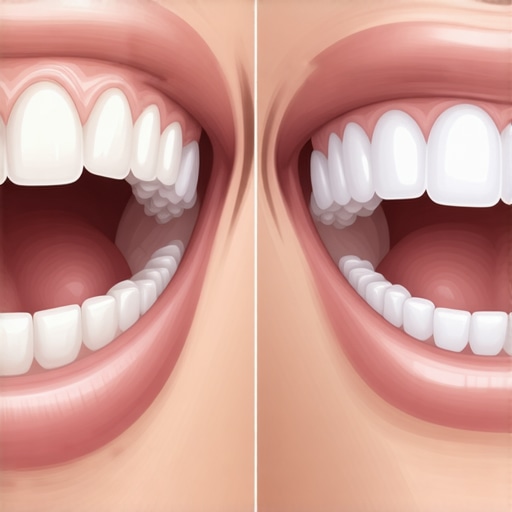
I remember the moment clearly—after a hurried family dinner, I caught my reflection and winced. One of my front teeth looked dull and chipped, and suddenly, I felt a wave of embarrassment. That lightbulb moment made me realize how much our smile influences our confidence, yet I was utterly confused about whether I needed a crown or veneers. I spent days researching, speaking with dentists, and facing my own fears about dental procedures. If you’ve ever been in a similar boat, you’re not alone. The world of dental restorations can feel overwhelming, especially with so many options and technical terms thrown around.
Getting to the Heart of the Matter: What Are Crowns and Veneers Anyway?
Understanding the core differences between dental crowns and veneers is key to making an informed decision. But before diving into the technical details, I want to assure you that choosing the right treatment isn’t as daunting as it seems—and your confidence can be restored with the right knowledge. We’ll explore the main benefits, costs, and scenarios where each option shines, so you can approach your dentist with clarity and confidence.
Will Choosing the Wrong Option Cost Me More in the Long Run?
Early on, I made a common mistake—assuming all dental restorations are created equal, I opted for a cheaper veneer without considering the durability I truly needed. Turns out, this oversight cost me more money and discomfort later. A little research and understanding can prevent such costly errors. For facts-backed insights, check out this expert advice on long-lasting dental solutions.
Assess Your Dental Needs Precisely
Start by evaluating the specific issue with your tooth—whether it’s a chip, discoloration, or structural damage. Use a mirror to identify noticeable flaws and consider how they impact your confidence. For a detailed understanding of how crowns and veneers address different concerns, visit this guide. Record your observations to share with your dentist, ensuring a tailored treatment plan.
Consult a Skilled Dentist and Share Your Goals
Book an appointment with a reputable family dentistry clinic—like the one at Family Dentistry. Explain your aesthetic and functional goals clearly. Ask about their experience with both crowns and veneers, and request before-and-after photos of similar cases. Prepare questions about durability, procedure duration, and cost—this sets a foundation for an informed decision.
Evaluate Material Options and Procedure Durations
Research the materials used for crowns—such as zirconia or porcelain—and veneers, typically made of composite or porcelain. Zirconia crowns are like heavy-duty armor for damaged teeth, providing strength, while veneers are more like a cosmetic facelift, enhancing appearance without heavy intervention. Discuss with your dentist which materials suit your lifestyle and tooth location. Remember, each material’s longevity and maintenance needs are different; check these tips for long-term shine.
Consider the Impact on Your Overall Oral Health
Think beyond aesthetics—how will the restoration affect your bite, speech, and daily habits? Crowns often require reshaping the tooth, akin to fitting a custom cap, while veneers bond to the front surface, preserving more natural structure. To understand the role of crowns in comprehensive oral health, visit this resource. Assess whether either option might influence neighboring teeth or gum health and seek guidance on maintaining overall wellness.
Plan and Prepare for the Procedure
Once you’ve chosen a treatment, follow your dentist’s pre-procedure instructions. This might include avoiding certain foods or medications that could affect healing. For instance, avoid sticky foods that can compromise veneers, similar to how you’d avoid glue with a DIY project. During the procedure, stay relaxed—your dentist will numb the area to minimize discomfort. Post-treatment, adhere to the provided care regimen to ensure longevity.
Implement Daily Care Strategies for Longevity
After your restoration, develop a consistent oral hygiene routine. Use soft-bristled brushes and non-abrasive toothpaste to preserve the surface, aligning with effective home cleaning secrets. Regular flossing and avoid habits like nail-biting or chewing on pens, which can damage delicate restorations. Schedule routine check-ups to catch any issues early and maintain your newfound confidence—details at this page. Keeping your dental investments in top shape ensures they serve you well for years.
Many people operate under false assumptions about oral health, which can lead to unnecessary procedures, overlooked issues, and ultimately, compromised dental well-being. One of the most pervasive myths is that daily brushing and flossing alone are enough to keep your mouth healthy—yet, experts emphasize that professional cleanings and regular check-ups are crucial for catching hidden problems early. Studies show that routine dental visits can significantly reduce the risk of cavities and gum disease, preventing costly interventions later on.
Another misconception is that all dental restorations, like crowns and veneers, are equally durable and suitable for every patient. In reality, advanced factors such as material choice, oral environment, and patient habits greatly influence longevity. For instance, zirconia crowns offer exceptional strength, making them ideal for molars exposed to heavy chewing, whereas porcelain veneers are more suited for aesthetic improvements on front teeth. To navigate these nuances, consult with a skilled family dentist who can tailor solutions to your unique needs, as outlined in this resource.
Are Regular Dental Check-Ups Necessary Only for Cavity Prevention?
This question is more complex than it appears. Regular check-ups not only identify cavities but also detect early signs of oral cancer, gum disease, and other systemic conditions that manifest symptoms in the mouth. For example, persistent gum bleeding can be an early indicator of underlying health issues like diabetes, requiring prompt attention. Experts advocate for comprehensive examinations at least twice a year, which include professional cleaning and personalized advice—more information at this article. Skipping these visits can mean missing subtle signs that could save your health and wallet in the long run.
Many assume that the cost of dental visits is unnecessary or burdensome, but neglecting routine care often results in more extensive and expensive treatments down the line. In fact, maintaining a proactive approach by adhering to a good oral hygiene routine, including daily care tips, can prolong the life of your restorations and prevent minor issues from escalating. Remember, your smile’s health directly affects your confidence and overall well-being—invest in it wisely.
Have you ever fallen into this trap? Let me know in the comments. For personalized guidance or to schedule a comprehensive evaluation, visit our contact page.
Maintaining your dental restorations and overall oral health requires more than just good brushing habits. Over time, investing in the right tools can extend the lifespan of crowns and ensure that your teeth stay clean and strong. One device I personally recommend is a **water flosser**, such as the Waterpik. I incorporate it into my routine because it effectively removes plaque and debris from hard-to-reach areas; I’ve found it particularly helpful around crowns and bridges, where traditional floss sometimes struggles. Regular use of a water flosser can significantly reduce the risk of gum disease and decay around restorations, keeping your smile vibrant and healthy.
In addition to mechanical tools, I rely heavily on premium electric toothbrushes like the Philips Sonicare DiamondClean. Its sonic technology produces millions of gentle vibrations per minute, providing a superior clean compared to manual brushing. Personally, I notice a marked difference in how fresh my mouth feels after use, and it helps preserve the shine on my crowns. When paired with a non-abrasive, fluoride-rich toothpaste, this combo can prevent wear and staining, prolonging the life of your dental work.
How do I maintain my dental tools over time?
Keeping your equipment in top shape is essential for optimal results. After each use, rinse your water flosser thoroughly and let it air dry to prevent bacteria buildup. Replace brush heads on your electric toothbrush every three months or sooner if you notice wear. Regularly disinfect your tools with diluted hydrogen peroxide or specific cleaning solutions recommended by the manufacturer. This routine helps maintain hygiene and ensures your tools function effectively, saving you money and health issues down the line. For precise guidance, consult this expert advice on long-lasting dental solutions.
Looking toward the future, I believe advancements in smart dental devices will make routine maintenance even easier. Imagine toothbrushes that automatically track your brushing habits and provide personalized feedback via an app—an enticing prospect for those of us committed to preserving our dental investments. As technology evolves, staying current with innovative tools and techniques becomes a smart strategy for lifelong oral health.
Remember, long-term results depend heavily on consistency and the right equipment. Incorporate these advanced tools into your daily routine to enjoy a durable, beautiful smile for years to come. If you’re ready to elevate your dental care, I encourage you to try a water flosser today and see the difference it makes in your oral hygiene routine.
What I Wish I Knew About Crowns and Veneers Before My First Appointment
Accepting the reality of dental restorations requires more than just hearing about their benefits; it’s about understanding the nuances that make each option uniquely suited to your needs. My biggest lesson was realizing that not all materials or procedures are equal, and tailoring choices to your lifestyle pays off exponentially. Embracing this deeper knowledge early on could save you from costly mistakes and ensure your smile stays radiant for years.
My Toolkit for Confident Smiles
Over the years, I’ve curated a set of trusted resources that help me stay informed and empowered. Books like this guide on smile transformation opened my eyes to possibilities I hadn’t considered, while reputable websites offering insights on caring for crowns help me maintain my dental investments. These tools keep me proactive, ensuring my oral health remains optimal and resilient.
Believe in Your Power to Change Your Smile
Your dental health isn’t static; it’s a dynamic journey where your choices today pave the way for a confident tomorrow. Investing in quality tools like a water flosser and electric toothbrush not only enhances your daily routine but also extends the lifespan of your restorations. Remember, small consistent actions can lead to extraordinary results—take that first step toward a healthier, brighter smile today. Ready to begin? Your future self will thank you.