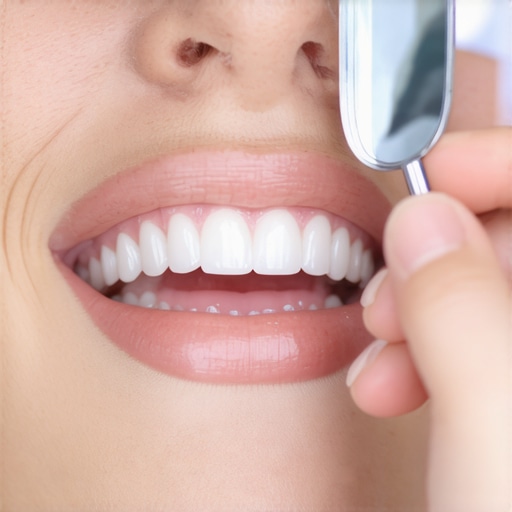
I remember the exact moment I realized my dental crown might be failing. It was a dull, persistent ache after eating something sweet, and suddenly, I caught a whiff of something off—hard to describe, but definitely not right. That smell was my lightbulb moment. Turns out, that little odor was my body’s way of screaming: “Something’s wrong!” with my crown. I felt a mix of worry and frustration, wondering if I could really tell a crown was failing just by smell or sensation. That experience led me down a path of research, personal trial, and eventual confidence in my own body’s signals. And now, I want to share this crucial skill with you.
The Sneaky Signs of a Failing Crown
Many folks don’t realize that you don’t always have to wait for severe pain or noticeable damage to catch a crown on its way out. Sometimes, your body offers subtle hints—like a strange taste, odor, or discomfort—that can be your best early warning system. For example, smelling a metallic or foul odor when you breathe out could indicate decay or bacteria gathering around the crown. Similarly, a persistent bad taste or unusual sensation when biting down might be signs of cement breakdown or marginal failure. Recognizing these clues early can save you from more invasive procedures later and keep your smile healthy and bright. Want to get better at listening to your mouth? Check out how maintaining your crowns properly can extend their lifespan by visiting our page on caring for crowns.
Is the Sniff Test Really Reliable or Just a Myth?
I used to dismiss any sense of smell as irrelevant to dental health, thinking only dentist visits or x-rays could reveal actual problems. I also fell into the trap early on—completely ignoring a faint metallic taste after eating — which later turned into more serious issues. This oversight was a mistake I don’t want anyone else to make. The truth is, lots of oral health problems, including crown failure, can be hinted at through your senses—if you pay attention. Even reputable sources state that a change in taste or smell can be an indicator of underlying dental problems that require professional attention. That’s why I believe that developing your internal “sniff test” can be a simple, effective tool in your oral health kit. Curious to learn the signs you should never ignore? Let’s dive into how to perform this check and stay ahead of potential crown failures.
Establish a Daily Hearing for Your Mouth’s Signals
Think of your mouth as a finely tuned instrument; minor discord signals trouble. Each day, dedicate a moment to listen—pay attention to odd tastes, smells, or sensations. This routine builds your body’s early-warning system, much like tuning a guitar before a concert. For example, one morning, I noticed a faint metallic taste when I sipped coffee. Instead of ignoring it, I marked it as a signal to investigate further.
Perform a Simple Inspection: The Tapping Technique
Next, gently tap your teeth with your fingernail, focusing on the crown area. A solid, dull sound indicates stability, while a hollow or differing tone might hint at decay or looseness. I once gently tapped my crowned molar and noticed a slightly altered sound. It prompted me to schedule a dental check-up promptly, preventing further damage.
Use the Salt Water Rinse as a Diagnostic Tool
Prepare a warm salt water solution—dissolve a teaspoon of salt in a glass of warm water. Rinse your mouth thoroughly and observe any lingering discomfort or increased sensitivity. If the rinse causes pain or unusual sensation near your crown, it could signify underlying issues. I tried this after sensing an odd taste and found slight sensitivity, leading me to seek professional advice.
Monitor Your Breath and Odor Changes
Pay attention to persistent bad smells or odors when exhaling, especially near your crown. These can be early signs of bacterial buildup or decay. I experienced a foul smell one morning, which I initially dismissed; however, it became persistent and prompted a dental visit that revealed early-stage decay.
Document Symptoms and Seek Professional Insight
Keep a small journal of any sensations, tastes, or odors. This record helps your dentist diagnose accurately. During my last check-up, sharing my notes about specific triggers helped my dentist identify a minor cement leak before it worsened. Always remember, your body’s signals are invaluable—use them wisely to maintain your dental health.
Alongside these personal checks, maintaining a strict daily oral health routine and regular professional cleanings can significantly extend the life of your crowns. Proper care, combined with attentive self-monitoring, ensures your smile stays healthy and radiant.
Recognize When to Call the Dentist
If you notice persistent sensations, strange odors, or your own tests indicate instability, don’t postpone. Contact your dental provider immediately via contact page for a timely evaluation. Addressing issues early can prevent costly repairs and preserve your smile’s integrity.
Many individuals believe that brushing twice daily and occasional flossing are sufficient for maintaining optimal oral health, but this oversimplification overlooks critical nuances. For example, the misconception that professional cleanings alone can prevent all dental issues persists; however, daily oral routine habits play a pivotal role in long-term success, as highlighted in studies emphasizing the impact of consistent home care. Another widespread myth is that crowns and restorations require no special attention—yet, neglecting tailored maintenance can lead to premature failure. Advanced errors also include relying solely on traditional brushing with hard bristles, which may damage enamel and gums, rather than adopting gentle, effective techniques with soft-bristled brushes. An often-overlooked nuance is the importance of understanding how different materials of crowns and fillings respond to various cleaning products—using abrasive pastes can erode delicate surfaces, reducing longevity. Recognizing these subtleties requires a deeper understanding of dental science, beyond surface-level practices. For example, recent research underscores that biofilm removal at the microscopic level is crucial, and improper cleaning may leave behind harmful bacteria that cause decay—see the insights from the American Dental Association on the importance of proper brushing techniques (source: ADA.org). Moreover, many fear that crowns or family dentistry procedures are complicated and painful; in reality, with proper technique and regular check-ups, these treatments are routine and minimally invasive. Missing these nuances risks not only aesthetic issues but also the potential for systemic health effects linked to oral bacteria. Staying vigilant about these details and continuously educating yourself can profoundly improve your dental outcomes. Want to ensure your routine aligns with the latest dental science? Discover effective home practices in our comprehensive guide on [teeth cleaning secrets for family health](https://periodontistcare.com/teeth-cleaning-secrets-effective-home-practices-for-family-dental-health). Also, remember that regular professional evaluations are essential—don’t wait until problems become obvious; proactive care is your best defense.Maintaining your oral health investment requires more than just brushing and flossing; it demands precision tools and consistent routines. For those committed to keeping their crowns, teeth, and overall family smile healthy over the long term, investing in the right equipment can make all the difference. I personally swear by using a **sonic toothbrush**, like the Philips Sonicare, because it offers superior plaque removal, especially around crowns and bridges, where manual brushes often fall short. It’s also gentle on sensitive gums, reducing the risk of recession which could compromise dental work and natural teeth.
When it comes to **interdental cleaning**, I recommend using **water flossers** such as the Waterpik. Unlike traditional floss, water flossers can reach deeper into gum pockets and around crowns, effectively reducing bacteria and preventing decay. I’ve found that incorporating this tool into my daily routine significantly enhances my results, especially in areas where traditional flossing is challenging.
For monitoring the health of crowns and checking for early signs of failure, I integrate **digital intraoral cameras** into my periodic check-ups. These devices provide clear, magnified views of difficult-to-see areas, helping me catch issues early—long before they become painful or costly. Regularly examining your own mouth with such tools, if your dentist permits, can give you that extra layer of oversight.
In addition, using **antibacterial mouthwashes** like those containing chlorhexidine periodically can control bacterial growth around restorations and in hard-to-reach spaces. But I advise caution; overuse can stain teeth and alter taste, so I use these only as a short-term adjunct.
Predictions for the future suggest that **smart toothbrushes** connected to smartphone apps will become more prevalent, offering personalized feedback and reminders for optimal brushing angles and durations. This innovation could transform at-home care from routine to highly effective, providing data that helps tailor your maintenance routine.
How do I maintain crowns and prevent long-term issues? Consistency and leveraging the right tools are key. Incorporate a sonic toothbrush, water flosser, and periodic check-ins with advanced imaging—these practices keep the small problems from turning into extensive repairs. Regularly updating your routines based on the latest research, like the insights shared at ADA.org about microscopic biofilm removal, ensures you’re aligned with the best standards. For further guidance, consult our detailed article on [maintaining your dental crowns for lasting results](https://periodontistcare.com/maintaining-your-dental-crowns-dos-and-donts-for-best-results). Try integrating a water flosser into your routine today—see how it elevates your dental care and keeps your smile shining bright!
The Hardest Lesson I Learned About Oral Health, Teeth Cleaning, Crowns, and Family Dentistry
One of the most surprising insights I uncovered is that true dental wellness extends past what we see in the mirror. It took a failed crown and a peculiar smell to realize that paying attention to subtle signals can prevent costly repairs and preserve your natural smile longer. Recognizing early signs like strange tastes or odors transformed my routine and deepened my understanding of oral health’s nuanced language.
My Essential Toolkit for Dental Care Mastery
Over time, I’ve come to rely on a few tools: a sonic toothbrush for thorough cleaning, a water flosser to reach tricky spots, and digital intraoral cameras for spot-checking potential issues. These have empowered me to take control of my dental health at home, complementing regular dentist visits. Trusted brands and professional-grade tools, like the Philips Sonicare, have made maintaining crowns and natural teeth more effective and less stressful.
Your Next Step to a Stronger Smile
Remember, your mouth can speak volumes about your overall health—if you learn to listen. Consistent self-monitoring, combined with the right tools and knowledge, places you ahead of dental problems. Take time today to assess your own signals, stay informed about best practices, and schedule professional check-ups without delay. Your future self will thank you for the commitment to lifelong oral wellness.
What subtle sign has caught your attention before a dental issue arose? Share your experiences below—I’d love to hear how listening to your body made a difference in your oral health journey!
,