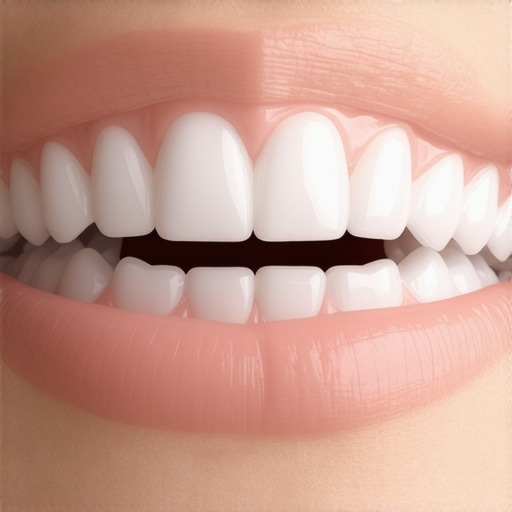
It was a morning like any other when I caught a glimpse of my mirror and noticed something unsettling — my gums seemed a bit further away from my teeth than usual. I wasn’t in pain, hadn’t noticed any bleeding, and there were no cavities in sight. Yet, that subtle recession was there, quietly whispering that something was off. That moment was a real lightbulb for me, realizing that gum recession isn’t always about cavities or poor hygiene; sometimes, it’s about so much more. Have you ever experienced something similar and wondered, “Why are my gums receding even though I don’t have cavities?”
Gum Recession: The Silent Indicator of Hidden Issues
Can Your Gums Wear Down Without Cavities?
Absolutely. Gum recession is often misunderstood as a sign of poor dental care or age, but it can occur silently and without the typical symptoms we expect. For some, it’s a gradual retreat that goes unnoticed until one day, they see a reflection revealing a problem. Early on, I made the mistake of dismissing minor gum changes, thinking they weren’t urgent. But ignoring these signs can lead to increased sensitivity, exposing roots, and even more severe periodontal issues. Understanding why gums recede without cavities helps us catch problems before they escalate and protect our smile’s health. If you’re like me, curious about what causes this mystery, you’re in the right place to learn more.
Interestingly, according to a study published by the American Academy of Periodontology, approximately 30% of adults experience some form of gum recession, often without any obvious cause or symptoms. That’s a significant portion of the population walking around unaware of underlying issues.
So, what’s really going on in these cases? There are several reasons, from aggressive brushing habits and gum disease to specific health conditions. But before diving into the specifics, I want to share a quick story about how I once thought regular flossing was enough—until a professional explained the importance of proper technique and routine checkups. You can read more about effective home dental routines that can make a real difference in maintaining healthy gums.
Now, let’s explore the common culprits behind gum recession, even when cavities aren’t present, so you can stay ahead of potential trouble with confidence—and a bright, healthy smile.
Master Proper Brushing Techniques
Start by evaluating how you brush your teeth. Use a soft-bristled toothbrush and gentle circular motions, avoiding aggressive back-and-forth scrubbing. I once caught myself applying too much pressure, which seemed to accelerate gum recession. After switching to a gentle technique, I noticed less irritation and healthier gums. Remember, think of your toothbrush as a paintbrush—light strokes are more effective and less damaging. Incorporating this change can prevent further gum loss and promote healthier tissue.
Implement Regular, Targeted Flossing
Daily flossing reaches areas that toothbrushes often miss, dislodging plaque and bacteria between teeth and along the gumline. I made the mistake of neglecting flossing regularly, which led to increased sensitivity despite good hygiene. When I started using proper flossing — curving it around each tooth and sliding gently — my gums responded positively. Take 2-3 minutes daily, ensuring you floss beneath the gumline. For more insights, check out these proven home practices.
Schedule Professional Cleanings
Visiting your dentist every six months is vital. Dental professionals use specialized tools to remove tartar and plaque that your daily routine can’t handle. I once skipped a routine cleaning and noticed my gums began receding further. During my appointment, the hygienist removed stubborn deposits, and I learned that professional cleanings help identify early signs of recession. Don’t wait until problems escalate—regular checkups serve as a preventive measure. To understand more about the importance of professional care, see this resource on regular teeth cleaning.
Use Therapeutic Mouthwashes
Incorporate an antimicrobial mouthwash into your routine. It helps reduce bacteria responsible for inflammation and gum disease, which can contribute to recession. I added a medicated rinse suggested by my dentist, and over a few weeks, I saw reduced swelling and healthier tissue. Always choose a product approved by dental associations and avoid overuse, which can cause dry mouth. Proper rinsing complements brushing and flossing, creating a comprehensive defense against recession.
Protect Your Gums During Exercise and Daily Activities
Consider wearing a mouthguard if you participate in contact sports or grind your teeth at night. Excessive forces can traumatize your gum tissue, leading to recession. I started using a custom-fitted mouthguard after noticing minor bleeding when waking up, and it made a significant difference. Capsules of protection can be bought online or at your dentist’s office. Alternatively, be mindful of habits like nail-biting or chewing on pens—these actions add unnecessary stress to your gums and teeth. For more detailed strategies, review tips on habits affecting gum health.
Address Underlying Health Conditions
Some health issues, like diabetes or hormonal imbalances, influence gum health. I learned that managing my blood sugar levels helped stabilize my gums’ condition. Consulting with your healthcare provider alongside your dentist ensures that systemic issues don’t unknowingly accelerate recession. Taking medications as prescribed and maintaining a balanced diet rich in vitamin C and calcium supports gum tissue regeneration. These steps create a holistic approach to maintaining your gums’ integrity.
Integrate Crowns Carefully
If you have crowns or restorative work, proper maintenance is essential. Crowns that aren’t fitted correctly can irritate adjacent gums, causing recession over time. I experienced this firsthand when my crown felt tight and was causing discomfort. Visiting a skilled prosthodontist for adjustments resolved the issue. To prolong crown longevity and protect your gums, follow professional guidelines such as these best practices for crowns. Regular checkups will ensure that your restorations don’t contribute to gum issues again.Many people believe that regular brushing and flossing alone guarantee healthy teeth and gums, but in my experience, this is a simplified view that overlooks critical nuances. For example, a widespread misconception is that toothpaste alone can prevent cavities and gum disease; however, recent studies, like those published in the Journal of Clinical Dentistry, emphasize the importance of the right brushing technique and regular professional cleanings for long-term oral health. This attention to detail can prevent advanced issues like underlying periodontal problems that aren’t immediately visible, even when your teeth appear clean.
Another common trap is the overreliance on over-the-counter whitening products, which can sometimes cause enamel erosion if not used correctly. It’s a mistake to assume that whitening strips or pens are a safe shortcut to a brighter smile without considering your unique enamel sensitivity. For personalized advice, consulting with your dentist about suitable options is always the best approach. You can explore more about how to find effective whitening solutions in this detailed guide.
When it comes to crowns, many think they’re purely cosmetic, but I want to highlight their profound functional and psychological benefits. Properly fitted crowns not only restore chewing ability but also boost confidence, especially after dental trauma or decay. Yet, a hidden nuance is that crowns require meticulous maintenance and regular checkups to prevent issues like crown-to-tooth interface decay or gum recession around the restoration. For insights on maximizing their lifespan, I recommend reviewing this resource.
Advanced practitioners know that the role of family dentistry extends well beyond routine checkups. It involves educating families about subtle signs of disease, developmental guidance, and tailored preventive strategies. A surprising nuance is that children’s early dental visits can shape their future oral health habits more than we realize; early education on proper brushing techniques and diet choices creates lasting benefits. Learn more about building healthy habits from an expert perspective at this guide.
Are you falling prey to common myths about your oral health? Remember, understanding the complex factors—like the importance of correct technique, personalized treatments, and early intervention—can make a significant difference in your overall dental wellness. Share your experiences or questions in the comments below, and let’s keep the conversation going.
Maintaining Wellness with the Right Tools
Achieving healthy teeth and gums is only the first step; keeping them in top shape over the years requires the right tools and consistent routines. I personally rely on an electric toothbrush equipped with a sensitive mode, as it provides gentle yet effective cleaning, especially for crowns and delicate gum tissue. Unlike manual brushes, my electric variant ensures I don’t inadvertently apply too much pressure, which can contribute to recession. For precision cleaning in hard-to-reach areas, I favor interdental brushes over regular floss, especially around crowns where plaque tends to accumulate. These small tools can access tight spaces more effectively, reducing the risk of buildup and gum irritation.
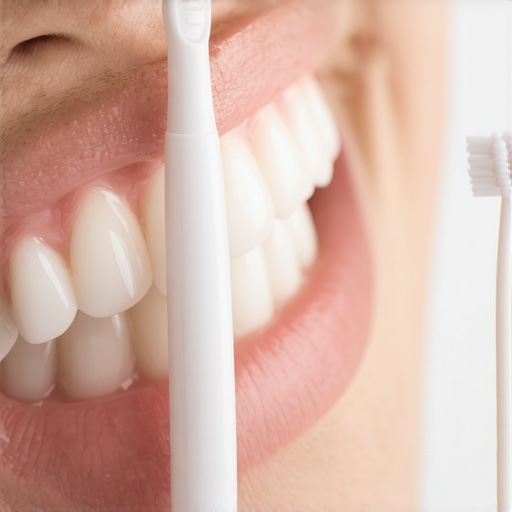
In addition, maintaining a record of dental visits is key. Modern software like Dental Intelligence allows for tracking appointments, appliance longevity, and personal hygiene habits. Regular updates and assessments via such platforms help catch minor issues before they escalate. According to the American Dental Association, scheduling biannual professional cleanings can drastically extend the lifespan of crowns and prevent recession-related problems. It’s this combination of advanced tools and proactive planning that sustains long-term oral health.
How do I keep my dental appliances and routine in excellent shape long-term?
To ensure your crowns, fillings, and other restorations continue to serve you well, it’s essential to follow specific maintenance techniques. For crowns, regular cleaning with non-abrasive, fluoride-rich pastes helps preserve the seal and prevents plaque buildup at the margins. It’s also wise to avoid overly hot or cold foods that can stress the material, and consider professional checkups at least once a year to monitor wear and recession signs. Moreover, using a water flosser can effectively clean around crowns and bridges, flushing out debris and bacteria without damaging the restoration. Implementing these practices, along with tools like interdental brushes and quality toothbrushes, creates a comprehensive approach that ensures these investments last.
Long-term, I believe the future of oral health maintenance leans heavily on smart, AI-driven monitoring devices. Wearable sensors that detect early signs of recession or inflammation could revolutionize preventative care, allowing for immediate action before symptoms become serious. Embracing these innovations now and incorporating effective tools like high-quality electric toothbrushes and targeted cleaning aids can significantly improve your dental journey. For a detailed overview of how to care for crowns effectively, see this resource. Try upgrading your routine with an advanced sonic toothbrush today and experience the difference in your oral health over time.
Throughout my journey with dental health, I discovered that many of the misconceptions surrounding gum recession and crowns are deeply ingrained, often leading us astray from optimal care. One eye-opening lesson was realizing that early signs of recession can be silent yet significant, emphasizing the importance of regular checkups rather than waiting for symptoms to appear. Additionally, I learned that even seemingly perfect crowns require diligent maintenance and routine evaluations to prevent hidden issues that aren’t immediately visible. Embracing a proactive mindset and questioning common beliefs can truly transform your oral health routine, ensuring that minor issues don’t escalate into costly, painful problems. These insights have empowered me to take control of my dental wellness, inspiring others to do the same and stay ahead of potential pitfalls.