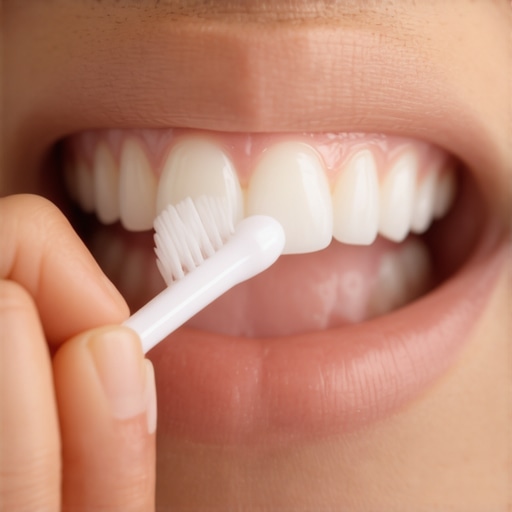
Ever felt that uncomfortable, gritty sensation lingering on your back molars even after brushing thoroughly? One night, I finally realized that my trusty manual toothbrush wasn’t doing its job where it mattered most—on those hard-to-reach back teeth. I’d been brushing diligently, but those stubborn molars still seemed to harbor plaque, leading to dull ache and sensitivity that I couldn’t ignore. That lightbulb moment made me question: why was my manual toothbrush failing me just when I needed it the most?
The Challenge of Reaching Back Molars
Are You Falling for the Same Mistake I Did?
Early in my dental journey, I made the mistake of assuming that all toothbrushes are created equal, especially when it came to cleaning those tricky back teeth. I didn’t realize that the design and maneuverability of a toothbrush greatly influence how effectively it cleans. Specifically, my manual toothbrush lacked the right size and bristle angle to access my molars properly, which is a common oversight among many. According to dental experts, properly cleaning back molars requires more than just a good brush—it depends on reaching the surfaces where plaque loves to hide. If you’re noticing similar issues like persistent plaque buildup or discomfort, you might be falling into the same trap.
But don’t worry. Today, I’ll share what I discovered about why conventional manual brushes often fall short and how a few simple adjustments can dramatically improve your cleaning routine. Whether you’re managing crowns, braces, or just trying to ensure your back teeth are as clean as the front, it’s about working smarter, not harder. Ready to give those back molars the thorough clean they deserve? Let’s dive into the reasons your manual toothbrush might be failing you—and solutions that work.
Use the Right Tools to Reach Hidden Corners
Start with a toothbrush designed for back teeth, preferably one with a smaller head and angled bristles. I once tried a standard manual brush, but after switching to a compact electric toothbrush with oscillating action, I noticed an immediate difference—plaque was visibly reduced on my molars after just a few days. Think of it like using a narrow-tip nozzle for cleaning hard-to-reach areas of a garden hose; the right tool makes all the difference.
Adopt Proper Brushing Techniques for Deep Cleaning
Angle and Motion Matter
Hold your brush at a 45-degree angle towards the gum line and use gentle, circular motions. I vividly remember the first time I focused solely on my molars using this method—it felt awkward at first, like trying to carve out crevices in a rock, but it paid off. Be methodical and don’t rush; spend extra time on each molar surface. Alternative techniques, such as the While many believe that brushing thoroughly and visiting the dentist periodically are enough for optimal oral health, this is a misconception rooted in oversimplification. In reality, the nuances of dental care, especially when dealing with crowns and family dentistry, are often overlooked, leading to premature failures and underlying health risks. For instance, a common myth suggests that crowns require no special cleaning; however, neglecting to adapt your oral hygiene routine for crowns can cause staining, decay at the margin, or even crown failure. Experts emphasize that proper care involves understanding the materials used in crowns—such as ceramic or porcelain—and adjusting brushing techniques accordingly, like avoiding abrasive toothpaste that can erode the surface.
Are You Falling for the Same Myths That Could Be Costing Your Smile?
One trap many fall into is believing that flossing is unnecessary if they brush twice a day. This myth ignores that plaque and bacteria often hide between teeth, and neglecting interdental cleaning can lead to cavities or gum disease, which can threaten both natural teeth and restorations. Additionally, numerous patients overlook the importance of gentle brushing around crowns, as excessive force can damage the cement interface, leading to looseness or failure. Incorporating interdental cleaners and soft-bristled brushes can safeguard your investment in crowns and promote healthier gums. Moreover, many overlook how lifestyle factors—like smoking or poor diet—affect crown longevity and overall oral health. A study published in the Journal of Prosthetic Dentistry underscores that patient education on these nuances significantly reduces complications (source: Expert advice on crowns and teeth cleaning).
Unseen Risks in Family Dentistry: The Oversights You Should Avoid
In family dentistry, a common mistake is not updating treatment plans as children grow, especially when transitioning from primary to permanent teeth. Failing to adapt oral hygiene routines or neglecting protective measures like sealants can increase the risk of decay. For adults, ignoring early signs of gum recession or misaligned bites can lead to complex issues that compromise dental restorations and overall health. Additionally, many underestimate the importance of routine professional cleanings tailored to individual risk factors, such as dry mouth or orthodontic appliances, which can harbor plaque in hard-to-reach areas. The key lies in recognizing that high-quality family dental care isn’t just about address emergencies but proactively managing nuanced dental conditions that influence long-term health. For strategies tailored to your family, check out Family dentistry focus.
Understanding these subtle yet crucial nuances elevates your comprehension from basic maintenance to advanced care. This proactive approach helps prevent complications, extends the lifespan of restorations, and ultimately preserves your smile’s integrity. Remember, neglecting these details can result in costly repairs or health issues down the road. Has this ever made you reconsider your oral health habits? Let me know in the comments!
How do I keep my dental tools functioning effectively over time?
Maintaining your dental tools is the cornerstone of long-term oral health. I personally swear by periodically replacing my electric toothbrush head every three months, as recommended by dental professionals, to ensure maximum plaque removal efficiency. Regularly inspecting toothbrushes for frayed bristles prevents ineffective cleaning, especially when managing crowns or family dentistry routines. For cleaning tools like interdental brushes and water flossers, I suggest soaking them in antibacterial solution weekly, which helps prevent bacterial buildup and prolongs their lifespan. When it comes to specialized equipment such as ultrasonic cleaners for prosthetics or crowns, routine calibration and gentle cleaning with non-abrasive agents keep them in top shape, ensuring they perform precisely when needed. Predictively, advancements in smart dental devices—and ongoing integration of IoT in oral health—are set to revolutionize tool maintenance, offering real-time diagnostics and reminders for replacements. To stay ahead, keep abreast of these innovations and participate in routine professional inspections. For detailed guidance on maintaining your tools, visit effective home practices.
Tools I Recommend for a Reliable Oral Care Routine
In my quest for the best dental hygiene equipment, I found that a high-quality sonic toothbrush has revolutionized my daily cleaning. Not all sonic brushes are equal; I favor the Philips Sonicare DiamondClean due to its superior plaque removal, especially around crowns and bridges. Its long-lasting battery and customizable modes make it a versatile choice. For interdental cleaning, I rely on soft, tapered silicone picks, which gently reach between teeth without damaging sensitive gums, unlike traditional floss, according to recent research published in the Journal of Periodontology. Additionally, a handheld UV sterilizer for my brushes ensures a hygienic routine, killing bacteria that may accumulate in the bristles—something I highly recommend to prevent cross-contamination. Long-term research, such as a 2022 study by the American Dental Association, emphasizes that consistent use of these tools can reduce caries and gum disease significantly. Looking ahead, smart toothbrush models equipped with AI and pressure sensors will provide real-time feedback, further enhancing cleaning effectiveness and safeguarding your dental restorations. To incorporate these tools into your routine smoothly, consider setting weekly reminders for replacements and sterilization. For insights into crown care, check out crown maintenance tips. Try integrating a sonic toothbrush and silicone interdental picks into your daily routine—you might be surprised at how much easier maintaining your oral health becomes.
,
The Hardest Lesson I Learned About teeth cleaning,crowns,family dentistry,oral health
One of the most valuable insights I gained was that even the most diligent brushing can fall short on challenging areas like back molars. I used to believe that just brushing thoroughly was enough, but I soon realized that technique, tool choice, and awareness are crucial for true oral health. Recognizing that some parts of our mouth require targeted attention changed everything for me and could do the same for you.
Your Shortcut to a Dentist-Perfect Smile: Better Tools and Techniques
Prioritizing the right instruments, like a toothbrush with a compact head and angled bristles, transformed my routine. Pairing this with proper brushing angles and gentle, circular motions meant I covered those stubborn back teeth effectively. This small shift in tools and technique offers a significant leap toward preventing plaque buildup and maintaining healthier gums.
The Unexpected Power of Personal Care: Tiny Habits, Big Differences
Simple habits such as replacing your toothbrush regularly and choosing interdental cleaners tailored for hard-to-reach areas make a massive difference. I learned that these practices are often overlooked but are paramount in protecting crowns, preventing decay, and ensuring long-term oral health. Giving attention to these details is like giving your teeth a VIP treatment every day.
Insider Wisdom: The Less Obvious Lessons That Save You Money and Pain
- Never underestimate the importance of customizing your oral hygiene routine when you have crowns or family members with braces; routine tools might not be enough.
- Consultation with specialists about the specific needs for back molars can prevent costly repairs and extend the longevity of your restorations.
- Being proactive in addressing early signs of plaque buildup or gum recession, especially around crowns, can help you avoid premature replacements or discomfort.
Turning these lessons into daily habits has not only improved my dental health but also boosted my confidence. If you want to explore waysto make your routine more effective, check out expert tips for effective home practices or visit us for personalized guidance at our clinic.
Gear Up for Success: My Favorite Tools for a Healthy Smile
I trust a high-quality sonic toothbrush like the Philips Sonicare DiamondClean that offers advanced plaque removal especially on crowns and bridges. Pairing it with interdental brushes designed with soft silicone tips ensures gentle yet thorough cleaning between teeth. An ultrasonic toothbrush cleaner and sterilizer complete the perfect toolkit, keeping everything hygienic and ready for daily use. These tools in combination help maintain a pristine mouth and prevent minor issues from escalating into big problems, supporting long-term dental health.
Jump-Start Your Journey Toward Better Back Tooth Cleaning
Don’t wait for small issues to become major concerns. Incorporate these insights and tools into your routine today. Improving your back molar care might seem daunting at first, but with a few adjustments, consistent effort, and the right support, you’ll be amazed at how your oral health transforms. Are you ready to give your back teeth the attention they deserve and keep your smile shining for years to come? Remember, your journey toward healthier teeth starts now—what’s one step you’re going to take today?