I remember the moment perfectly. I was rinsing my mouth after a routine cleaning, expecting fresh breath and clean teeth. Instead, I saw a tiny trickle of blood on my floss. It hit me—what was happening to my gums? That light, alarming bleed was my wake-up call. I realized I’d overlooked something simple yet vital: the health of my gums. And if you’re here, chances are you’ve experienced something similar—perhaps bleeding when brushing or flossing, or waking up with tender, swollen gums. It’s unsettling and frustrating, especially when we rely on our daily routines to keep our smiles shining.
But here’s the truth: weak gums are more than just an annoyance. They’re a gateway to serious issues like periodontal disease, tooth loss, or even heart problems. A study published in the Journal of Clinical Periodontology highlights the strong link between gum health and overall wellness, making it crucial to tackle this problem early. So, what if I told you that strengthening your gums doesn’t necessarily require expensive dental treatments? Instead, you can do a lot from the comfort of your home, with simple habits and natural remedies.
Today, I want to share three straightforward ways I used to rejuvenate my gums and regain confidence in my smile. These methods are easy to incorporate into your daily routine and, most importantly, effective. Before diving into them, I want to ask—have you ever dealt with persistent bleeding or gum soreness that just wouldn’t go away? If so, keep reading. The solutions I’m about to introduce could be exactly what you need to make a real difference.
Let’s start by understanding why our gums weaken over time and what you might be doing wrong—sometimes without even realizing it. And stay tuned because the next section will reveal proven strategies to turn your gum health around, naturally and at home. For further insights into maintaining stellar oral health, visit our comprehensive guide on shallow brushing mistakes that could be harming your gums.
Master Your Daily Brushing
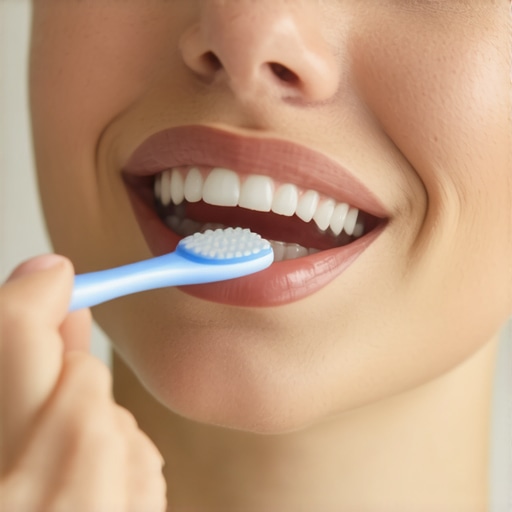
Start by choosing a soft-bristled toothbrush, which cleans effectively without damaging your gums, much like gentle sweeping removes dirt without scratching your floor. I once grabbed an old hard-bristled brush during a frantic morning; despite my intentions, I ended up irritating my gums further, causing bleeding the next day. Switch to gentle, circular motions, covering every tooth surface and along the gum line. Don’t rush—consistency beats intensity in this routine.
Incorporate Natural Remedies for Gums
Natural antiseptics can combat bacteria colonies that harm your gums. For example, rinsing with a diluted tea tree oil solution or swishing with coconut oil (‘oil pulling’) can reduce inflammation and plaque build-up. I experimented with coconut oil for a week—swishing for 10 minutes each morning—and noticed a significant decrease in gum soreness, making my gums appear healthier and less swollen. Remember, these methods are best used alongside regular professional care.
If you’re unsure how to get started, focus on simple habits like rubbing a piece of fresh aloe vera gel directly onto your gums after brushing. Aloe is renowned for its healing properties and can soothe irritated tissues, helping prevent bleeding and swelling.
Adjust Your Diet and Hydration
What you eat directly affects your gum health. Minimize sugar and processed foods that feed harmful bacteria. Instead, opt for crunchy vegetables like carrots and celery; they act like natural toothbrushes, scrubbing away plaque mechanically. One morning, I prepared a snack platter with raw veggies and noticed my gums felt fresher and cleaner throughout the day. Stay well-hydrated to facilitate saliva production, which naturally protects and cleanses your mouth.
Timing Matters: When and How Often
Don’t forget the importance of consistency. Brushing twice daily is vital, but also incorporate flossing into your routine; thread carefully to avoid damaging your delicate gum tissues. Flossing might seem complex, but with patience, it becomes a quick habit. I recall struggling at first, but after a week, I felt my gums healthier and less prone to bleeding during flossing sessions.
Choose Adequate Dental Products
Use toothpaste formulated for gum health, containing ingredients like aloe vera, chamomile, or tea tree oil. Avoid harsh ingredients like sodium lauryl sulfate, which can irritate sensitive tissues. Regularly replacing your toothbrush, ideally every three months, ensures effective cleaning and prevents bacteria buildup. My own experience shows that a fresh toothbrush makes a noticeable difference in cleaning efficiency and gum comfort.
Seek Professional Guidance When Needed
If bleeding persists despite diligent care, consult a professional. A dental hygienist can thoroughly clean areas you might miss and provide personalized advice. Remember, some issues like early gum disease require targeted treatment—overlooking this can lead to more serious problems down the line.
Implementing these practical steps can significantly improve your gum health over time, much like how nurturing a small seed leads to thriving growth. Consistency and patience are key—small daily habits lay the foundation for a healthier, brighter smile.
While many believe that dental crowns are a quick fix for damaged teeth, the reality is far more nuanced. A common misconception is that crowns are invincible, but in truth, their longevity depends heavily on proper placement, material choice, and maintenance. For example, some patients assume that once a crown is cemented, they can neglect daily oral hygiene, leading to decay at the crown margins—a mistake that can cause early failure. To truly harness the benefits of crowns, it’s essential to understand their role within comprehensive oral health, which includes diligent cleaning and regular check-ups; you can explore more about maintaining your dental crowns in our guide on [maintaining your dental crowns](https://periodontistcare.com/maintaining-your-dental-crowns-dos-and-donts-for-best-results).
One prevalent myth is that professional cleanings are only necessary if you have visible plaque or signs of gum disease. However, in my experience, many subtle issues such as early tartar buildup or micro-infections can only be detected through professional exams, underscoring the importance of routine visits. Skipping these steps might save time and money short-term but risks serious complications later. For insights into how [regular teeth cleaning](https://periodontistcare.com/the-impact-of-regular-teeth-cleaning-on-overall-oral-wellness) supports overall health, check out this resource.
Advanced dental care also involves nuanced understanding of family routines. A common mistake is assuming each family member’s oral health needs are the same, leading to inadequate or excessive care. For example, using abrasive toothpaste on young children can damage their emerging enamel, while adults may need targeted fluoride treatments—details covered comprehensively in [oral health tips for families](https://periodontistcare.com/oral-health-tips-every-family-should-follow-in-2025).
Now, let’s address a question that often stumps even seasoned patients: How can subtle signs of crown failure be detected before they become painful or costly? Experts recommend paying attention to persistent sensitivity, cracks, or changes in bite feel. Early detection, often through detailed examination techniques, can prevent the need for more invasive procedures. If you’re interested in mastering these signs, our guide on [the Molar Tapping Test](https://periodontistcare.com/the-molar-tapping-test-how-to-tell-if-your-crown-is-failing) offers practical tips.
Understanding these nuances helps shift the perspective from reactive to proactive care. Remember, effective oral health isn’t just about addressing issues as they arise but about appreciating the complexities and subtle cues that signal underlying problems. Have you ever fallen into this trap? Let me know in the comments.
Maintaining your dental crowns and overall oral health over time requires more than just consistent routine care—it involves having the right tools and understanding their proper use. My go-to equipment includes a high-quality electric toothbrush, specifically models like the Oral-B Genius X, which utilizes oscillating-rotating technology proven to be more effective at plaque removal than manual brushing. These devices not only enhance cleaning efficiency but also help prevent issues that can compromise crowns and surrounding tissues. Additionally, I’ve invested in a water flosser, such as the Waterpik Ultra, which delivers targeted streams of water to clear debris from hard-to-reach areas around crowns and between teeth, reducing the risk of decay and gum disease. Regular use of such tools is essential in preserving your investment in dental work and maintaining overall oral health.
How do I maintain my dental tools over time?
Proper maintenance of your equipment ensures longevity and optimal performance, which directly impacts your oral health. Cleaning your electric toothbrush head thoroughly after each use prevents bacterial buildup—simply rinse under hot water and replace it every three months or sooner if bristles fray. For water flossers, mineral deposits can accumulate; descaling every few months with vinegar or manufacturer-recommended cleaning tablets keeps the device functioning effectively. Using high-quality products and adhering to maintenance routines not only prolongs tool life but also enhances the effectiveness of your daily oral care regimen. Looking ahead, the integration of smart technology and AI-driven dental devices might streamline maintenance and improve results even further, providing personalized feedback and reminders to optimize your routines. For now, make sure your tools are well-kept to maximize their benefits.
What advanced methods can I use to ensure my crowns last longer?
Beyond routine brushing and flossing, incorporating supplemental techniques can significantly extend the lifespan of your crowns. One such method involves using an interdental brush—tiny, firm-bristled brushes designed to clean between teeth and around crowns. I personally recommend the GUM Soft Picks, which gently remove plaque without damaging delicate crown margins. Additionally, applying fluoride varnish or gel periodically, as advised by your dentist, helps strengthen surrounding enamel and prevent demineralization near crown edges. Regular professional check-ups are paramount; during these visits, your dentist can identify early signs of deterioration or subgingival issues, allowing timely intervention. It’s fascinating to note that recent research published in the Journal of Prosthetic Dentistry emphasizes the importance of customized maintenance plans tailored to your unique dental anatomy and habits. Adopting these advanced strategies can dramatically improve your crown’s durability—try incorporating interdental brushes into your routine today for a noticeable difference.
Over the years, I discovered that the journey to a resilient smile isn’t solely about one-time fixes but about understanding the deeper lessons hidden behind common dental practices. One pivotal insight I wish I had embraced sooner is that consistent, mindful care transforms superficial beauty into lasting health. For example, I used to believe that a shiny crown marked the pinnacle of dental perfection, but learned through experience that true longevity comes from daily habits and a keen awareness of subtle changes. Recognizing minor sensitivities or stains early on can prevent big, costly repairs later, emphasizing that proactive attention often beats reactive treatments. Additionally, I realized that relying solely on teeth whitening or crowns without addressing underlying gum health is like painting a cracked wall—you’re disguising problems rather than resolving them. This holistic approach, combining quality tools with personalized routines, has profoundly enhanced my confidence and oral wellness. Embracing this layered wisdom helped me appreciate that the path to enduring dental health is paved with small, consistent actions that nurture both crowns and gums alike. Incorporate these principles into your routine, and you’ll find that a radiant smile becomes a natural, sustainable part of your life.