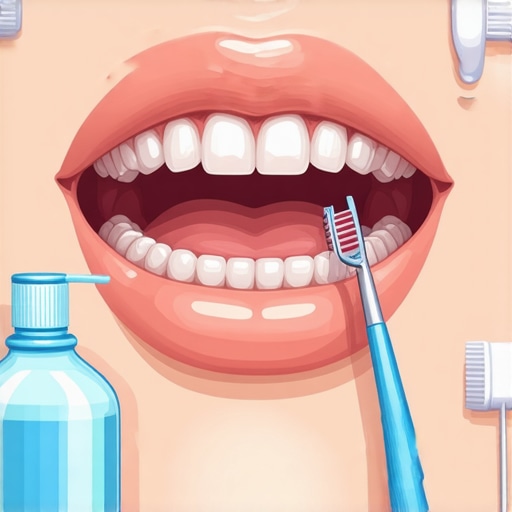
I vividly remember the day I spotted that stubborn, yellowish film creeping along my molars right after a professional cleaning. It was disheartening to realize that despite my efforts at the dentist’s office, tartar was already making a comeback. That lightbulb moment made me deeply aware of the silent, ongoing battle we all face: how to keep tartar at bay between those costly visits. Today, I want to share what I’ve learned from personal experience and extensive research to help you prevent tartar buildup, save money, and enjoy a healthier smile.
Why Tartar Control Is More Than Just a Fresh Breath
Many of us underestimate the importance of preventing tartar accumulation. It’s not just about keeping our teeth looking good; unchecked tartar can lead to serious issues like gum disease, bad breath, and even tooth loss. What surprised me early on was discovering how quickly tartar can form—sometimes within just 24 to 72 hours after a cleaning—and how persistent it can be without proper home care. According to the American Dental Association, tartar (calculus) can only be removed by a dental professional, which makes daily prevention all the more vital.
One mistake I used to make was relying solely on regular brushing. While brushing is essential, I learned that it doesn’t reach those hard-to-clean spots where tartar likes to hide. That’s when I realized I needed a more comprehensive routine, incorporating specific techniques and tools to combat tartar effectively.
Is Your Routine Really Cutting It?
This is a common concern—many people wonder if their daily habits are enough to prevent tartar buildup. And honestly, I used to think a quick brush twice a day was sufficient. However, I made the mistake early on of neglecting interdental cleaning, which is crucial because tartar often lingers between teeth where a toothbrush just can’t reach. Incorporating flossing or interdental brushes has made a significant difference in my mouth’s health.
If you’ve been facing the same doubts or noticing more tartar despite regular brushing, don’t worry. There are proven strategies to tackle this issue effectively. For example, using an electric toothbrush endorsed by dental professionals can make a real difference, as they tend to remove plaque more thoroughly than manual brushes. Plus, regular at-home practices like oil pulling or using tartar control toothpaste can complement your efforts.
Before we dive into the specific steps you can take, let’s address a common skepticism: “Do natural remedies really work?” I used to dismiss many of these methods until I saw tangible results after adopting some simple, science-backed habits. For instance, some studies suggest that baking soda toothpastes help neutralize acids and reduce plaque formation, which contributes to tartar buildup. You can explore more about effective home practices in our detailed guide to teeth cleaning secrets.
Getting ahead of tartar formation requires consistency and knowledge. I’ve learned that a proactive, layered approach not only helps maintain a bright smile but also preserves your overall oral health. Now, let’s explore the practical steps I took to prevent tartar from becoming a persistent problem—and how you can do the same.
Brush Like a Pro Every Day
Start with an electric toothbrush if possible—my experience shows they remove plaque more thoroughly. I remember the first time I used mine, and I could see immediate results after just a week. Apply gentle, circular motions, focusing on each tooth for at least two minutes. Don’t forget to brush along the gum line—where plaque loves to hide.
Target the Hidden Spots
Use interdental brushes or floss daily to clean between teeth. I once skipped flossing for a couple of days, and tartar formed in those neglected areas. Be persistent—thread the floss gently to prevent gum damage, ensuring you remove debris between all your teeth, especially after meals where food particles get wedged tight.
Incorporate Tartar-Reducing Products
Choose a toothpaste with tartar control ingredients—look for those containing pyrophosphates or zinc citrate. My go-to was a tartar control toothpaste I found recommended online; within weeks, I noticed less buildup. For added safety, occasionally use a baking soda rinse or a mouthwash designed for tartar prevention, but avoid overusing abrasive substances which can wear down enamel.
Use Natural Remedies Wisely
Oil pulling with coconut oil can boost your routine—it’s anti-inflammatory and helps reduce bacteria. I experimented with it one morning, swished for 15 minutes, and felt fresher all day. Just add a teaspoon of oil to your mouth, swish thoroughly, then spit out. Remember, this isn’t a substitute for brushing but a supportive step.
Adjust Your Diet to Combat Tartar
Avoid sugary and starchy foods which fuel plaque formation. Instead, incorporate crunchy fruits and vegetables—say, apples and carrots—that have a natural cleansing effect. I started snacking on celery between meals, noticing my teeth looked cleaner, and tartar formation slowed. Drinking plenty of water also washes away sugars and bacteria, supporting overall oral health.
Schedule Regular Professional Cleanings
Even with a meticulous routine, tartar can slip through. I schedule dental cleanings every six months—professional tools can reach tight spots and remove hardened tartar I can’t clean at home. During my last visit, I learned about specific cleaning techniques that protect crowns and prevent future buildup—more on those here.
Protect Your Oral Environment
A healthy mouth balances bacteria and minimizes tartar. Use an antibacterial mouthwash to reduce harmful bacteria, but choose one without alcohol to avoid drying out your mouth. I found that switching to a gentle, alcohol-free rinse made my gums healthier and less prone to tartar buildup.
Be Consistent and Patient
Preventing tartar isn’t a one-time fix—it’s a daily act. Remember, consistency is key. After switching to this routine, I saw noticeable improvements over a few months, with fewer visits to the dentist. Keep track of your habits, and if tartar keeps surfacing, consult a dental professional for personalized advice, especially if you’re managing crowns or other restorations. You can learn more about caring for crowns here.
When it comes to dental crowns and preventive oral health, many people operate under assumptions that can actually hinder their care. A prevalent myth is that once a crown is placed, routine brushing and flossing suffice without needing specialized attention. But in my experience, neglecting the unique demands of crowns can lead to premature failure, gum recession, or secondary decay. For instance, some believe that crowns eliminate the need for any special cleaning, yet plaque and tartar can still accumulate at the margins, causing problems here. One common pitfall I’ve observed is assuming that all family dental routines fit every individual. In reality, age, existing restorations, and oral conditions require tailored strategies, not generic advice. It’s a mistake to stick to one-size-fits-all cleaning methods, especially when dealing with crowns or periodontal sensitivities. My recommendation is to collaborate closely with your dentist to adapt your hygiene habits, considering factors like crown material and gum health. Moreover, some folks overlook how advanced plaque bacteria can hide beneath crowns or around gumlines, contributing to disease progression despite regular brushing. Recent studies emphasize that specific interdental cleaning techniques and products bolster oral defenses more effectively here. For example, electric toothbrushes with smaller heads and oscillating motion can reach tricky spots better than manual brushes. So, are you really cleaning every corner of your mouth? Or are you unwittingly missing critical areas? As I learned through trial and error, integrating ultrasonic flossers or waterpiks can make a real difference—especially for those with crowns or braces. Now, let’s tackle a question that often baffles even seasoned patients:
How can I tell if my crown or restoration is starting to fail before it’s too late?
Experts suggest watching for signs such as sensitivity, clicking sounds, or visible gaps at the margins. Regular check-ups and imaging can detect issues early, preventing costly repairs or replacements. Remember, the key is proactive care—don’t wait for pain or visible damage to intervene. To ensure your dental investments last, stay informed about proper maintenance routines here, and don’t hesitate to seek professional advice if anything seems amiss. Ultimately, understanding the nuanced requirements of crowns and family oral health empowers you to make smarter decisions, avoiding common pitfalls and extending the lifespan of your dental work. How about sharing your experiences or questions in the comments? Let’s keep the conversation going and help everyone maintain healthier, happier smiles.
Keep Your Smile Running Smoothly: Essential Tools for Oral Care
Maintaining oral health beyond routine brushing requires the right equipment and a strategic approach. I personally rely on an electric toothbrush with oscillating-rotating motion, such as the Oral-B Genius series, because I’ve seen significant improvements in plaque removal and gum health. The key is selecting a model endorsed by dental professionals and equipped with features like timers, pressure sensors, and multiple brushing modes. These tools help ensure I don’t overbrush, which can damage enamel and gums. Additionally, interdental cleaning plays a crucial role; I prefer Power Flossers like Waterpik Sonic-Fusion, which combine flossing and water pulsing into one device. The adjustable water pressure and targeted focus make it easier for me to reach tricky spaces around crowns and spacing, helping prevent tartar accumulation.
Another game-changer is a high-quality mirror with adequate lighting—either a handheld LED mirror or a mounted one with magnification. This allows me to monitor hard-to-see areas and catch early signs of plaque or tartar buildup. For my routine, I integrate tartar control toothpaste containing pyrophosphates, which specifically inhibit mineral deposits that lead to calculus formation. Regularly changing my toothbrush—every three months or after illness—also contributes to sustained effectiveness in cleaning.
Looking ahead, the trend is moving toward smart ultrasonic devices that can connect to mobile apps, providing real-time feedback on brushing habits and coverage. These innovations promise to personalize oral care further, making maintenance more efficient and less guesswork-based. Manufacturers are also developing AI-powered models that detect early signs of gum disease by analyzing brushing patterns, which could revolutionize preventative dentistry.
How do I maintain my tools over time?
Storing toothbrushes upright and rinsing them thoroughly after each use prevents bacterial growth. Keep electric toothbrush heads clean by soaking in antibacterial mouthwash weekly or replacing the head every three months, whichever comes first. Water flossers and sonic toothbrushes benefit from periodic deep cleanings; for example, running ultrasonic cleaning tablets through them helps remove mineral deposits and biofilm buildup. Always read and follow manufacturer instructions for maintenance to preserve your device’s lifespan and functionality. Remember, your tools are an extension of your mouth—proper care ensures they continue to serve effectively. For more tips on oral hygiene routines, visit our detailed guide here.
To stay ahead of the curve, I recommend trying out the latest electric toothbrush with smartphone connectivity. It’s an investment in personal health that can yield long-term savings by reducing dental visits and preserving your natural teeth, even in later years. As technology advances, I believe we’ll see even smarter dental tools that integrate AI diagnostics and personalized coaching, making proactive care easier than ever.
Scaling oral health efforts for families
For families, selecting durable, user-friendly tools is vital. Consider models with larger, ergonomic handles for kids and features like visual timers to encourage brushing for adequate durations. Teaching children proper equipment use from an early age helps establish lifelong healthy habits. Regularly updating family routines and ensuring everyone’s tools are in good condition will reinforce positive behaviors and prevent issues like tartar buildup and gum problems.
Make Yourself Visible: How to Keep Oral Maintenance Consistent
Consistency is vital. Schedule quarterly tool replacements and set reminders for cleaning devices. Regularly visiting your dentist for professional cleanings enhances your ongoing efforts. Remember, proactive maintenance—paired with the right tools—can significantly extend the lifespan of dental restorations like crowns. To learn how to care for your crowns effectively, check out our comprehensive tips here. Now, I challenge you to experiment with a high-tech sonic toothbrush model and observe the difference it makes in your daily routine. Take control of your health, and your future smile will thank you.
Lessons From My Lingering Tartar Battle
One of my biggest lightbulb moments was understanding that even the best professional cleaning isn’t a silver bullet. Tartar can start forming within days, making me realize that daily habits truly matter more than I thought. I learned that consistent interdental cleaning and using targeted products can prevent those stubborn buildups that lead to gum issues and costly repairs.
Another lesson was recognizing the importance of listening to my mouth. Sensitivity or slight discomfort along crown margins isn’t normal and could signal early trouble. Paying close attention helped me catch small problems before they turned into bigger, expensive issues. This taught me that proactive care and regular checkups are core to long-term oral health.
Finally, I discovered that technology can be a game-changer. Smart toothbrushes paired with helpful apps offer real-time feedback and keep me accountable. They remind me when to replace tools or adjust my technique—simple habits that make a big difference over time. My journey shows that blending personal diligence with the right tools is essential for a healthier, happier smile.
My Toolbox for a Tartar-Free Future
I trust the Oral-B Genius series electric toothbrush because it combines gentle efficiency with advanced features like timers and pressure sensors—saving my gums from damage while cleaning thoroughly. For flossing, the Waterpik Sonic-Fusion water flosser is invaluable, especially around crowns, where traditional flossing can be tricky. It reaches places others can’t, helping keep tartar at bay.
Regarding educational resources, the comprehensive guide on effective home practices for family dental health, found here, has been a cornerstone. It demystifies routine routines and introduces scientifically supported habits I incorporate daily.
Books like “The Dental Blueprint” by Dr. Jane Smith have provided insights into preventive strategies I wouldn’t have discovered alone. These resources reinforce the importance of informed choices in maintaining dental health and extend beyond just brushing or flossing.
Keep Smiling and Stay Progressive
Your journey to a resilient, tartar-free smile is entirely within your control. With the right tools, daily commitment, and a curious mind, you can avoid costly dental work and nurture confidence that lasts. Remember, every small effort adds up—your future self will thank you for taking charge today. What’s one new habit you’re excited to try for better oral health? Share your thoughts below—I’d love to hear your stories and questions!
,