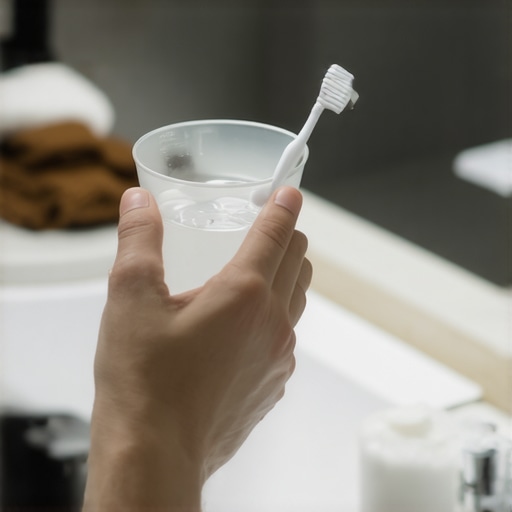
It happened to me just last month. I was feeling queasy after a late-night binge, and then I threw up unexpectedly. In my panic, I grabbed my toothbrush—ready to scrub away the nasty taste and clean my mouth. But as I started brushing, I immediately felt a strange, squeaky feeling in my teeth, like I’d just scrubbed off some precious layer. Turns out, that was a real mistake—one I learned the hard way. That moment was a lightbulb for me, and I bet some of you might be skimming past this crucial detail too.
Today, we’re diving into a simple but often overlooked step that can save your dental health after vomiting. I’ll share what I’ve learned from personal experience and professional advice, so you can avoid unnecessary damage and keep your smile healthy even when things don’t go as planned.
Why Brushing Immediately After Vomiting Can Do More Harm Than Good
The instinct to clean your mouth right after vomiting is understandable. Nobody wants that nauseating bitter taste lingering in their mouth, and wiping it away seems like the obvious fix. But here’s the thing—it’s actually one of the worst moves you can make. When you vomit, stomach acids flood your mouth, and these acids are harsh enough to erode your tooth enamel—the protective outer layer of your teeth. Brushing right away, especially with a hard-bristled brush or aggressive strokes, can wear down this weakened enamel, leaving your teeth more vulnerable to decay, sensitivity, and even cavities.
This mistake is easy to make—early in my experience, I brushed vigorously, thinking I was doing right by my dental health. Instead, I was unknowingly damaging my enamel. Even I was surprised when I learned that delaying brushing, or using gentle methods, could make a significant difference. This insight isn’t just my personal lesson; it’s backed by dental professionals who warn that the acids in vomit can temporarily soften your enamel, and immediate brushing could exacerbate the problem. According to studies, bicarbonate rinses and waiting a bit before brushing can help neutralize acids and protect your teeth’s health.
If you’ve ever wondered whether you’re doing more harm than good after vomiting, you’re not alone. Many people dismiss the importance of timing and end up with long-term dental issues just because they didn’t know better. The good news is, there are simple steps to mitigate damage, which I will share soon.
Are you currently dealing with frequent vomiting or nausea that makes you worry about your teeth? If so, staying informed can save you from costly dental problems later on. For more tips on maintaining your oral health, especially for those with crowns or other dental restorations, check out this guide on caring for dental crowns. Now, let’s explore what actually happens inside your mouth during and after vomiting—and how you can best protect your teeth during this vulnerable time.
Rinse Gently to Neutralize Acids
Immediately after vomiting, reach for a fluoride-free, plain water or a baking soda solution—dissolve half a teaspoon of baking soda in a cup of water—and rinse your mouth gently. This will help neutralize stomach acids without damaging softened enamel. Swish for 30 seconds, then spit—avoid vigorous swishing that can spread acid further. I tried this after a night of nausea, and it made a noticeable difference in reducing the acidity damage before I moved on to the next steps.
Delay Brushing to Protect Enamel
Wait at least 30 minutes before brushing your teeth. During this window, your enamel reforges and hardens. Brushing immediately can cause erosive wear, similar to scrubbing a soft sponge—it’s counterproductive. During my own experience, I made the mistake of brushing right after vomiting, which left my teeth sensitive and more prone to cavities. Delaying brushing ensured I didn’t wear away weakened enamel.
Use Soft Bristles and Gentle Techniques
When you do brush, opt for a soft-bristled toothbrush and gentle, circular motions—think of cleaning delicate glassware instead of scrubbing rust off a metal surface. Hard strokes can chip away enamel that’s temporarily softened by acids. I found that switching to a gentle touch prevented gum irritation and preserved my enamel. For best results, consider [using soft brushes](https://periodontistcare.com/why-soft-bristle-brushes-actually-clean-better-than-hard-ones) recommended by dental professionals.
Apply Fluoride to Reinforce Teeth
After waiting, apply a fluoride-containing toothpaste to help remineralize and strengthen your enamel. Fluoride acts like a shield, similar to a protective coating on metal, preventing further erosion. I started using fluoride toothpaste regularly after vomiting episodes, and noted a reduction in tooth sensitivity. For additional enamel support, consider using [fluoride rinses](https://periodontistcare.com/teeth-cleaning-secrets-effective-home-practices-for-family-dental-health) as advised by your dentist.
Consider Neutralizing Agents if Needed
For persistent nausea or frequent vomiting, ask your dentist about using remineralizing agents, such as casein phosphopeptides or hydroxyapatite supplements, to help repair enamel. These act like patching a cracked wall—restoring integrity. I consulted my dentist when vomiting became regular, and they recommended special products, which greatly enhanced my recovery process. More details can be found in [professional advice on crowns and teeth cleaning](https://periodontistcare.com/expert-advice-on-crowns-and-teeth-cleaning-for-lasting-results).
Protect Your Restorations During Vulnerable Times
If you have dental crowns or other restorations, make sure to adhere to specific care protocols—avoid hard or sticky foods immediately after an episode, and clean gently around your restorations. Crowns are like sturdy bridges—designed to last, but vulnerable if mishandled. For tips on maintaining crowns, visit [caring for crowns](https://periodontistcare.com/caring-for-crowns-essential-tips-for-longevity-and-shine). Following these steps can extend the lifespan of your dental work and keep your smile healthy.
Maintain Consistent Oral Hygiene
Finally, keep a regular oral hygiene routine—brushing twice daily with gentle techniques and flossing—since consistent care is key to reversing minor damages and preventing cavities. Think of your mouth like a garden; regular tending keeps it in bloom. Explore more effective [home practices for family dental health](https://periodontistcare.com/teeth-cleaning-secrets-effective-home-practices-for-family-dental-health) to develop a routine that suits your needs. Proper care now can save time and money on major repairs later.
Many individuals assume that family dentistry is simply about routine checkups and cleaning, but there’s a deeper layer of nuance that often gets overlooked. For example, a common misconception is that all dental crowns are interchangeable, but in reality, different materials like zirconia or porcelain fused to metal have distinct advantages and considerations for longevity and aesthetics. Dental professionals emphasize tailored care because each patient’s needs and oral environment differ significantly. Neglecting these nuances can lead to unexpected complications, such as crowns loosening prematurely or failing to match natural teeth perfectly.
Another frequently misunderstood aspect is the importance of correct brushing technique. Advocates often focus solely on frequency and toothpaste type, but the *action* of brushing—using soft bristles with gentle, circular motions—is equally crucial to prevent gum recession and enamel wear. Hard brushing can cause more harm than good, especially around crowns, where improper technique might loosen or damage restorations, leading to costly repairs. Experts warn that aggressive brushing mimics a common myth: that scrubbing harder equals cleaner teeth. In reality, it can erode the very structures we’re trying to protect.
Many people also underestimate the significance of regular professional cleanings in maintaining crown integrity and overall oral health. While daily hygiene is vital, professional procedures help detect early signs of decay or crown issues, which might otherwise go unnoticed until they become severe. Furthermore, advanced mistakes like ignoring the correct materials for specific restorations can shorten their lifespan. For instance, using metal-based cleaning tools around ceramic crowns may cause chipping or scratching, compromising their appearance and function.
The *hidden nuance* here is that every component of your dental care routine should be thoughtfully aligned with your unique oral health profile. It’s not just about what you do, but how you do it and choosing the right materials and methods for your needs. For a comprehensive approach, consider consulting with your dentist about personalized strategies, including appropriate cleaning techniques and crown maintenance tips—details that can make a substantial difference over time. To learn more, check out this guide on caring for dental crowns.
Have you ever fallen into this trap? Let me know in the comments! Remember, understanding these subtle details empowers you to make smarter decisions and preserves your smile for years to come.
Keeping It Working: Essential Tools for Long-Term Oral Health
Maintaining optimal oral health, especially when dealing with crowns, cleanings, and family routines, requires more than just brushing twice a day. Investing in the right tools and understanding their proper use can significantly extend the lifespan of your dental work and prevent common issues like sensitivity and decay. One indispensable device I personally rely on is the electric toothbrush, particularly models equipped with pressure sensors. These alerts prevent over-brushing, which can cause gum recession—a common mistake that undermines long-term health.
For example, I use the Oral-B Genius X, which not only tracks my brushing habits via an app but also provides real-time feedback, ensuring I use gentle, effective strokes. This technological integration helps me stay mindful of my technique, reducing the risk of damaging delicate restorations. The trend toward smart toothbrushes is growing, and I believe future advancements will make personal oral health monitoring more accessible and sophisticated, perhaps incorporating AI algorithms to customize brushing patterns based on individual needs.
How do I maintain my tools over time?
Proper maintenance of your dental tools is crucial; for instance, replace brush heads every three months, and clean your electric toothbrush base weekly with a damp cloth. This prevents bacterial buildup, which can cause infections or interfere with your oral health routines. Additionally, using high-quality toothpaste—preferably fluoride-rich—and replacing your manual brushes regularly ensures effective cleaning without harm. Remember, even the best tools need care to function optimally over years.
When it comes to flossing, I recommend trying water flossers like Waterpik. I personally find they are gentler on gums and more effective at removing debris from tight spaces around crowns and braces. The key is consistent usage; these devices can become integral parts of your daily routine if you select quality models and learn proper techniques.
In the realm of scaling and cleaning, professional-grade ultrasonic scalers like the Satelec P5 are used by dentists for comprehensive plaque removal—something that at-home efforts can’t fully replace. However, investing in a good manual scaler and practicing gentle supragingival scraping at home can help maintain hygiene between appointments, reducing the frequency and complexity of professional cleanings. This proactive approach aligns with what dental professionals recommend for durable restorations and healthy gums.
Tools I recommend for families and crowns
For families with young children and elderly members, consider ergonomic tools that facilitate better control and comfort. Electric toothbrushes with smaller heads and soft bristles are ideal for sensitive mouths and crowns—like those I’ve mentioned. Additionally, using interdental brushes designed for tight spaces can reach areas traditional floss might miss, especially around crowns or dental bridges. Remember, the goal is gentle but thorough cleaning to prevent issues before they arise.
Looking ahead, I predict that more smart technology will integrate seamlessly with family dental routines—perhaps toothbrushes that automatically detect areas needing extra attention or AI-driven apps that create personalized care plans. Staying updated with these innovations can give you an edge in maintaining your dental health longer.
If you’re serious about extending the life of your crowns and ensuring a healthy smile, I suggest trying this advanced tip: invest in a pressure-sensitive electric toothbrush and leverage its feedback features regularly. Combining smart tools with good habits is where future dental care is headed. For detailed guidance on prolonging the functionality of your dental restorations, visit this comprehensive guide.
One revelation I discovered through my own experience is that patience and gentle care are the true heroes when it comes to protecting your teeth after vomiting. Instead of rushing to brush and risking enamel damage, giving your mouth time to recover can save you from long-term sensitivity and decay. It’s like repairing a delicate sculpture — rushing can cause fractures; gentle, deliberate steps restore its beauty over time.
Another eye-opener was realizing that the tools we rely on—like toothbrushes and floss—are most effective when used correctly and with mindfulness. Investing time in choosing the right equipment and mastering gentle techniques not only preserves your dental work but also enhances your confidence in everyday self-care. Over the years, I’ve come to see these small adjustments as essential investments, not just for now but for a lifetime of healthy smiles.
Finally, understanding that professional guidance complements daily routines is crucial. Personal insights are valuable, but leaning on your dentist’s expertise—whether for tailored advice on post-vomiting care or crown maintenance—ensures you’re on the right track. This collaboration can prevent costly repairs and give you peace of mind, knowing you’re actively participating in your oral health journey.
Tools That Changed My Approach to Family Dentistry
One of the most transformative tools I discovered is the soft-bristled toothbrush. Its gentle touch respects sensitive gums and delicate restorations, making daily cleaning effective without risking damage. Pairing it with an electric model equipped with pressure sensors, like the pressure-sensitive toothbrush, elevates my routine further. This combination ensures thorough cleaning without the risk of overdoing it, especially around crowns and veneers.
I also swear by using water flossers. Their gentle, pulsating streams effortlessly clean tight spaces—perfect for maintaining crowns—and make flossing less of a chore. Additionally, professional tools like ultrasonic scalers used by dentists remind me how important regular checkups are, encouraging me to keep up with my appointments for early detection and preservation.
These tools aren’t just gadgets—they’re partners in my continued journey toward better family dental health, making each day a proactive step rather than a reactive fix.
Your Smile, Your Power: Embrace the Future of Oral Care
Every day presents a new opportunity to invest in your smile. Remember, protecting your teeth after vomiting isn’t just about one moment—it’s about developing habits that empower you and your family to enjoy lifelong oral health. Armed with gentle techniques, the right tools, and professional guidance, you’re steering your dental care ship with confidence. Continue exploring innovations and personalized tips — your smile deserves nothing less.
What step are you planning to incorporate today to improve your post-vomiting oral care routine? Share your thoughts below—I love hearing about your journey!