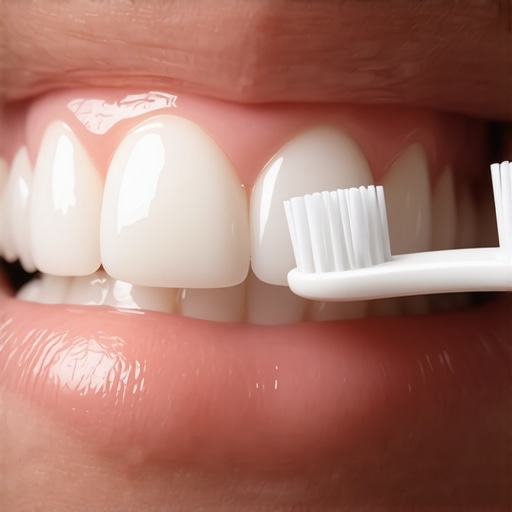
It was a morning like any other. I reached for my trusty manual toothbrush, only to realize I had been using a hard-bristled one for years without giving it a second thought. Then, I noticed something troubling—a slight sensitivity when I brushed, and my gums seemed to be receding faster than they should. It was a lightbulb moment. Hard bristles were scraping away not just plaque but also my gum tissue, exposing my teeth to a new level of vulnerability.
Why Your Toothbrush Might Be Doing More Harm Than Good
As someone passionate about maintaining a healthy smile, I learned that choosing the right toothbrush isn’t just about reaching every nook and cranny; it’s about safeguarding your overall oral health. Hard-bristled brushes can cause enamel erosion and gum damage, especially if applied with too much pressure. Over time, this damage can lead to increased tooth sensitivity and even recession, making your teeth more vulnerable to cavities and other issues.
Studies have shown that soft-bristled brushes are just as effective at cleaning teeth as their harder counterparts but much gentler on your gums and enamel. A pivotal factor in preventing damage is learning to brush correctly—using gentle strokes and a proper technique. Want to see how your current routine stacks up? Check out [oral health routine tips](https://periodontistcare.com/oral-health-routine-strengthening-your-smile-every-day) for simple ways to boost your daily practices.
Are you experiencing discomfort or noticing your gums pulling away? If yes, then this post is for you. I promise to guide you through choosing the safest tools and best practices, protecting your smile for the long haul.
Is Your Confidence in Your Smile Worth the Risk?
Early in my journey, I made the mistake of thinking that aggressive brushing with a hard brush would give me a deeper clean. Instead, I was harming myself without realizing it. This common misconception can lead to irreversible damage, making routine care more of a threat than a benefit.
For more insights on how to maintain your crowns and ensure their longevity, explore [caring for crowns](https://periodontistcare.com/caring-for-crowns-essential-tips-for-longevity-and-shine). Understanding these nuances is key to a healthier, brighter smile.
In the following sections, I’ll share practical steps to identify if your toothbrush is harming you and how to switch to safer, more effective tools. Because your smile deserves love—and a gentle touch.
Choose the Right Toothbrush and Set a Routine
Start by selecting a soft-bristled toothbrush, which is like a gentle scrub brush for your teeth. I recommend replacing it every three months or sooner if the bristles look frayed. I once kept a toothbrush for over six months, thinking I was saving money, but that brush was less effective and possibly harmful. Make it a habit to brush twice daily, for at least two minutes each session. Use a timer or play your favorite song to ensure you’re brushing long enough.
Employ Proper Brushing Techniques for Maximum Benefit
Use gentle, circular motions rather than vigorous back-and-forth scrubbing. Imagine polishing a delicate surface; too much pressure can wear down enamel and irritate gums. I once watched a patient aggressively scrub with a hard brush and saw her gums recede within months. Instead, hold your brush at a 45-degree angle to your gums and focus on cleaning the gumline thoroughly without applying excessive force. This way, you prevent damage while removing plaque effectively.
Mind Your Pressure and Frequency
Think of your toothbrush as a cleaning tool that benefits from finesse rather than brute force. Applying too much pressure doesn’t improve cleaning; it risks injury. I learned this the hard way when I pressed too hard on my own gums and caused minor bleeding. To avoid this, lightly rest the brush on your teeth and gums and let the bristles do the work. Remember, over-brushing can lead to gum recession, which exposes more of your tooth root to damage and sensitivity.
Incorporate Proper Flossing and Additional Care
Floss daily after brushing. Use gentle sawing motions rather than shoving the floss between teeth with force. I once tried to remove stubborn plaque by flossing aggressively, which only caused more bleeding. Be patient and gentle, guiding the floss under the gumline with care. Like delicate fabric, your gums require tender handling to avoid causing injury. For additional tips, check out Teeth Cleaning Secrets.
Schedule Regular Professional Cleanings
While proper brushing is essential, visits to your dentist for professional cleanings make a significant difference. During these sessions, plaque and tartar are safely removed without damaging your gums or enamel. I once neglected my routine dental visits, and my gums started receding faster. Regular check-ups help catch early signs of gum disease or other issues, ensuring your oral health remains optimal. For more insights, visit Expert Advice on Crowns and Teeth Cleaning.
Protect Your Smile Effortlessly
Consistency and gentle care are your best tools. Think of your gums and teeth as a delicate ecosystem—they need nurturing not force. Incorporating these techniques turns daily oral hygiene into a protective ritual rather than a damaging chore. When I adopted these methods, I noticed a significant reduction in gum sensitivity and recession. Keep practicing these habits, and you’ll preserve your smile for years to come.
While many believe that getting a dental crown is a quick fix for a damaged tooth, the reality is far more nuanced. A common misconception is that once a crown is placed, little maintenance is required, but in truth, improper aftercare can drastically shorten its lifespan. For example, neglecting regular check-ups or ignoring signs of wear and decay around the crown can lead to complex problems, including secondary decay or crown failure. Experts emphasize that crowns are an investment in your long-term oral health, not just a cosmetic upgrade, and require ongoing attention. Misunderstanding this can result in costly repairs or replacements earlier than expected. Additionally, some assume that crowns perfectly mimic natural teeth, but without proper material selection and craftsmanship, they can appear artificial or cause bite misalignment, leading to discomfort. An advanced tip is considering zirconia crowns, which not only look more natural but also offer superior durability—more than just a cosmetic bonus. Studies have shown that improper handling during placement or neglecting post-op advice significantly reduces crown longevity (source: here). Another nuance is worldwide variation in family dentistry practices; some practitioners may overlook subtle signs of gum recession or caries beneath crowns, which can be detected early with dedicated inspections. Insufficient cleaning around crowns is a typical mistake, but specialized tools and techniques can make a big difference. Remember, proactive care like regular professional cleanings and routine inspections can prevent many issues from escalating. Don’t fall into the trap of thinking your crown doesn’t need attention—it’s part of your natural dentition now, requiring careful and informed maintenance. When discovering issues early, options like resealing or re-crowning are viable and less invasive. Keep in mind that a crown isn’t just a shield for your tooth—it’s a bridge to maintaining your overall oral health when managed correctly. Want to master the art of caring for your crowns? Visit this guide for expert tips. Making informed decisions today will ensure your smile stays strong and beautiful for years to come. Have you ever fallen into this trap? Let me know in the comments.Maintaining a healthy smile over the years requires more than just good habits; it hinges on using the right tools and techniques consistently. As someone deeply invested in family dentistry, I can attest that investing in quality equipment and adopting proven methods significantly extends the lifespan of crowns and keeps your gums healthy. One essential tool I recommend is the **oral irrigator**, like the Waterpik, which I’ve personally used to remove debris from hard-to-reach areas around crowns and braces. Its pulsating jets are gentle yet effective, making daily cleaning both thorough and comfortable. Additionally, I rely on **digital toothbrushes** such as the Sonicare DiamondClean, which offers timer features and pressure sensors—features I rely on to avoid over-brushing and gum recession. These devices help reinforce proper technique and ensure that I’m not applying excessive force, which can be detrimental over time.
When it comes to software or apps, I prefer using the **MyDentist app**, which reminds me of upcoming appointments, tracks my brushing habits, and provides personalized brushing tips based on my oral health history. This integration of technology keeps my routine consistent and ensures I don’t overlook vital maintenance tasks.
Looking ahead, I believe the trend will favor even smarter devices—like toothbrushes equipped with AI to analyze brushing patterns and provide real-time feedback, much like how fitness trackers monitor health metrics today. This evolution promises a future where maintenance becomes more intuitive and tailored to individual needs.
How do I maintain crowns and prevent long-term damage?
Regular professional check-ups are crucial, ideally every six months, as they allow your dentist to identify early signs of wear or decay around crowns and ensure the integrity of your dental restorations. Incorporating interproximal brushes and fluoride rinses into your daily routine can strengthen enamel and protect against secondary cavities. Remember, even the best tools won’t substitute for expert care—schedule your check-up today via our contact page.
For long-term results, I also recommend consulting with your family dentist about customizing your home care tools. For instance, if you have delicate gums or sensitive crowns, switching to softer brush heads or using specialized floss like SuperFloss can make a significant difference. The key takeaway is consistency paired with the right equipment. By integrating these tools and practices, you’ll make maintenance effortless and effective, promoting the longevity of your dental work and overall oral health.Every dental journey is filled with lessons learned through experience and reflection. One of the most profound was realizing that even the most advanced crowns hinge on proper maintenance; neglect can lead to early failure. I discovered that not all dental tools are created equal—using a gentle, soft-bristled brush and specialized floss can make the difference between longevity and costly replacements. The biggest lightbulb moment? Recognizing that patient education and proactive care are the best defense against unexpected issues. These insights have transformed my approach to family dentistry, emphasizing that expertise combined with personalized routines truly protects your smile. Remember, your smile isn’t just about the teeth but the entire ecosystem of oral health, which requires ongoing attention and the right tools. Invest in knowledge and quality care—your future self will thank you.