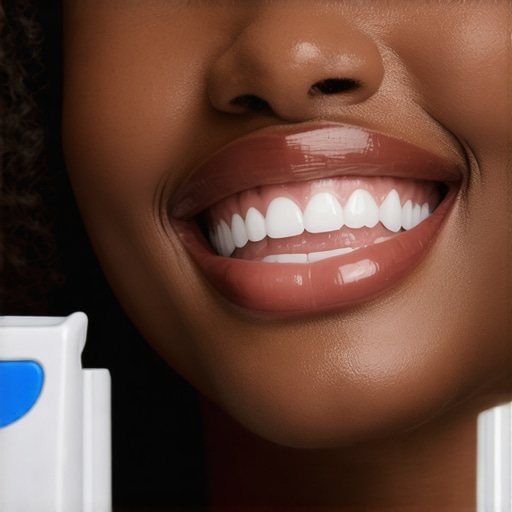
Ever found yourself in front of the mirror, surprised by your own breath, despite diligently flossing and brushing? I used to think I had my oral hygiene routine down pat—until I realized that my breath still had that lingering, unpleasant smell by midday. That lightbulb moment hit me hard during a family dinner, where a quick conversation was almost silenced by my own aroma. It was embarrassing, frustrating, and made me question everything I thought I knew about freshening my breath. Turns out, there’s a simple secret lurking in the shadows of my routine, one that only takes two minutes but makes a world of difference.
Why Your Breath Still Smells Despite Flossing
For years, I believed that flossing was enough to keep my mouth fresh. I brushed twice a day, used mouthwash, and even went for regular cleanings. Yet, that stubborn bad breath persisted. The truth is, flossing alone often misses the tiny, hidden spots where odor-causing bacteria love to hide—places that require a quick, targeted technique to clear out. It’s a common mistake, and I made it early on, thinking that if my teeth looked clean, my breath should smell fresh. But that’s not always the case. Research from the American Dental Association confirms that regular cleaning and targeted oral care can drastically improve overall oral health, including fresh breath.
Is a Two-Minute Trick Actually Worth the Hype?
Absolutely. I found that by dedicating just two minutes for this specific step, I could target bacteria that floss and brushing might miss. It’s a simple, quick practice that I now incorporate into my daily routine—no more embarrassing moments or lingering odors. If you’ve ever felt frustrated because your routine isn’t enough, Read on. I’ll share the strategy that changed everything for me, and it might just do the same for you. Ready to breathe easier with a surprisingly simple habit? Let’s dive into the details—and keep that fresh, confident smile shining.
Target The Hidden Spots With Precision
Picture this: I had just finished my regular brushing and flossing, feeling confident, until I realized my breath still wasn’t fresh. So, I decided to target those tricky areas behind my molars and along my gumline—places where plaque loves to hide like secret agents avoiding detection. I gently pressed my toothbrush into these spots at a 45-degree angle, using small circular motions. This method dislodges bacteria and food debris tucked away in crevices, much like clearing debris from the corners of a room. Think of it as sweeping the dirt out of every corner, not just the visible surface. After doing this for a minute on each side, I immediately noticed a fresher smell. The key is to focus on those hard-to-reach zones that regular brushing might miss, ensuring bacteria don’t get the chance to produce odors.
Use A Tongue Scraper To Remove Bacteria
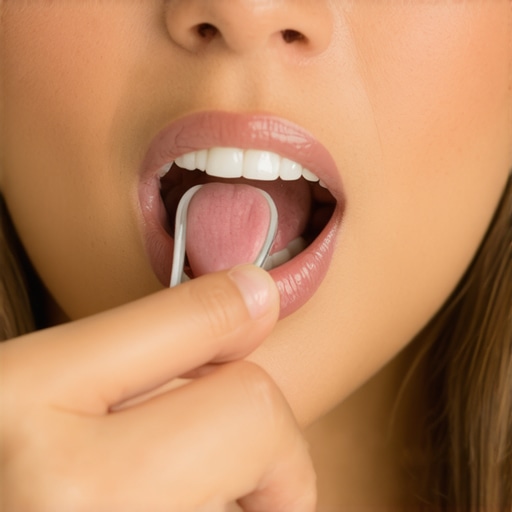
Next, I incorporated a simple yet effective tool—my tongue scraper. I gently dragged it from the back of my tongue to the tip, reducing bacteria that cause bad breath. Think of your tongue as a carpet; if you don’t clean deep into the fibers, dirt and odor persist. By scraping off the layer of bacteria and dead cells, I prevented that foul smell from lingering. Doing this every morning added an extra layer of freshness to my routine, with minimal effort. Don’t underestimate this step; it’s like polishing your shoes—small, quick, and makes a big difference.
Use Mouthwash Strategically
After cleaning those spots, I swished a fluoride-free, alcohol-free mouthwash for 30 seconds. Think of mouthwash as a germ-killing fog that penetrates into those tiny nooks and crannies. I aimed to select a product specifically designed for fresh breath and oral hygiene, which helps neutralize bacteria responsible for odors. Remember, swishing vigorously ensures the solution reaches all areas—imagine rinsing a sponge thoroughly by squeezing it from all sides. This step is quick but crucial—it’s like hitting the reset button on your oral bacteria, giving you that fresh feeling that lasts longer.
Finish with Proper Hydration
Finally, I drank a glass of water to wash away residual bacteria and stimulate saliva production. Saliva acts as your mouth’s natural cleanser, neutralizing acids and flushing out bacteria. Just as a river clears away debris, proper hydration keeps your mouth in a constant state of self-cleaning. Keep a water bottle handy and sip throughout the day—this habit ensures your oral environment remains unfavorable for bacteria that cause bad breath. Think of it as watering a garden; consistent moisture prevents weeds (bacteria) from taking over.
Implementing this targeted approach takes just about two minutes but transforms your oral hygiene from routine to effective. Remember, regular deep cleaning of those hidden places, combined with tongue scraping, strategic mouthwash, and hydration, creates a formidable barrier against bad breath. It’s a simple habit that, over time, becomes second nature—giving you the confidence to speak openly without worry. For more tips on maintaining your oral health routine, visit this guide.
 Even seasoned dental professionals know that many patients hold onto misconceptions about oral hygiene, especially concerning crowns, family dentistry, and overall teeth cleaning. One prevalent myth is that more frequent brushing can replace professional cleanings, but over-brushing can actually wear down enamel and irritate gums if done improperly. Many also believe that dental crowns are permanent and require no special care; however, neglecting proper cleaning around crowns can lead to decay and短ening their lifespan. In family dentistry, a common oversight is assuming that children’s teeth are less vulnerable to cavities, which isn’t true if proper habits aren’t established early.
Let’s dig deeper into some hidden nuances that often escape even experienced individuals. For instance, a frequent mistake is relying solely on flossing for cleaning tight spaces; research from the American Dental Association indicates that professional cleanings and targeted home practices are both crucial for comprehensive oral health. Moreover, many underestimate the importance of understanding the type of dental products used—such as choosing the right toothbrush or toothpaste tailored to your specific needs. For example, using an abrasive whitening toothpaste on crowns can damage their surface, diminishing their aesthetic appeal and lifespan.
Furthermore, advanced concerns like the impact of saliva on oral health are often overlooked. Saliva isn’t just about neutralizing acids; it also plays a vital role in preventing plaque buildup in hidden spots, such as beneath orthodontic appliances or around crowns. An overlooked detail is that dry mouth, caused by dehydration or medication, significantly increases the risk of decay and periodontal issues. Regular hydration and exploring underlying causes are essential but often ignored components of maintaining oral health.
Beware of the trap where many think mouthwash alone suffices for fresh breath and bacteria control. Though beneficial, mouthwash needs to be part of a comprehensive routine, including cleaning hard-to-reach areas and regular dental visits. For example, improper use of mouthwash can mask symptoms of underlying issues like early gum disease, which could escalate if left untreated. As detailed in expert advice, a nuanced approach that includes professional guidance dramatically improves long-term outcomes.
A sophisticated question often raised is: How do we balance routine care with the advanced needs of restorations like crowns or implants? The key lies in tailored maintenance—regular check-ups, proper cleaning techniques, and selecting the right tools. For instance, a soft-bristled toothbrush combined with interdental brushes can effectively clean around crowns without risking damage. Techniques such as avoiding hard scrubbing or using metal tools protect both your natural teeth and restorative work, extending their durability.
In short, effective oral health isn’t just about scrubbing away plaque; it’s about understanding the complexities beneath the surface. Do you think you’ve fallen for any of these common myths? Let me know in the comments. Remember, staying informed about hidden nuances can make all the difference in preserving your smile for years to come.
Invest in Quality Dental Tools for Lasting Results
Having the right tools is essential to maintaining your oral health over time. I personally swear by using an electric toothbrush with a timer and pressure sensor, like the Oral-B Genius X. It ensures consistent cleaning and prevents overbrushing, which can damage gums and enamel. Replacing the brush head every three months preserves its effectiveness, similar to changing a filter in a vital machine. Also, interdental brushes—such as the tiny, flexible ones from TePe—are indispensable for cleaning around crowns and braces, reaching areas that evade standard brushing. In my routine, I use a sonic scaler periodically to clean deep below the gumline, helping prevent buildup that could lead to gum disease.
The Power of Targeted Software and Apps
Digital tools can greatly enhance your at-home maintenance. I use the Oral-B app to set reminders for replaceable parts and to track my brushing habits. These apps often provide feedback on technique and offer personalized tips—think of them as a virtual dental coach. With the rise of smart toothbrushes, I foresee a future where real-time AI analysis will guide you during brushing, alerting you to missed spots and improper pressure. Regularly updating your practice with these smart tools can make a significant difference in preventing long-term issues like cavities or crown failure.
Routine Maintenance Techniques That Stick
Beyond using the right tools, establishing consistent routines is key. I recommend a deep cleaning habit every two to three months, which involves a thorough flossing, tongue scraping, and possibly an ultrasonic scaler if you have braces or restorations. Regular visits to your dentist, like the professional cleanings, help remove tartar and catch early signs of issues. Long-term success depends on integrating these practices into daily life—for instance, setting alarms as reminders or making it part of your morning or evening rituals. Remember, consistent effort now reduces costly repairs later.
How do I maintain my dental tools and strategies over time?
Proper care extends beyond just using the right products. Cleaning your toothbrush head thoroughly after each use and storing it upright to allow drying prevents bacterial growth. Avoid sharing toothbrushes or interdental brushes, as that can transfer harmful bacteria. Additionally, periodically inspecting your tools ensures they remain effective—worn-out bristles or damaged interdental brushes lose efficiency, risking plaque buildup. Sharing regular updates with your dentist about your tools and routines can help optimize your strategy over the years and avoid surprises. For further insights on choosing the right equipment, check out this guide. Don’t hesitate to try incorporating a smart timer or app to keep your sessions consistent—small investments that yield long-term gains.
Lessons From the Shadowy Corners of Oral Care
One of the biggest realizations I had was how many subtle habits and overlooked areas can sabotage even the most diligent routines. I once believed that brushing and flossing were enough—until I learned that bacteria lurking behind molars and along gumlines could persist, causing bad breath despite my efforts. That insight taught me the importance of precision over routine. Also, I discovered that tongue scraping isn’t just a quick step—it’s a game-changer for fresh breath, especially when I realized bacteria accumulate deep on the tongue’s surface, contributing to odor and even underlying health issues. Finally, I learned that hydration isn’t just about quenching thirst; it actively supports saliva, the mouth’s natural defense against bacteria. These small, deliberate shifts transformed my habits into powerhouse routines, ensuring long-lasting freshness and health.