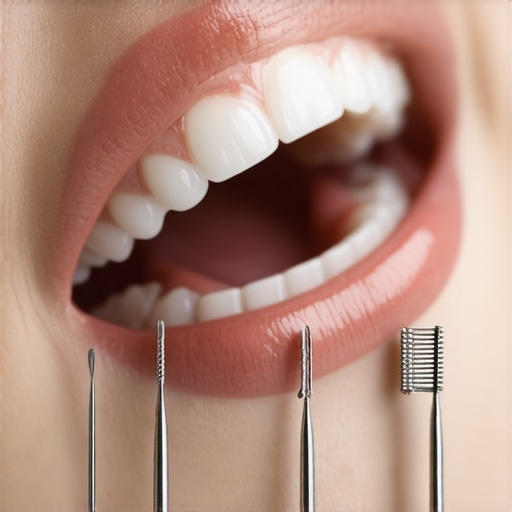
I remember the first time I sat in that dental chair, nervously watching as my hygienist meticulously examined my mouth. It was then that I had my lightbulb moment: while I thought I was doing a decent job brushing, there was so much more beneath the surface that I had no idea existed. That day, I realized that dental cleanings are about more than shiny teeth—they’re a behind-the-scenes look at your whole oral health story.
The Hidden World Your Hygienist Observes Every Visit
Each time I sit in that chair, I become acutely aware that my hygienist isn’t just scraping plaque; they’re assessing the health of my gums, inspecting old fillings, and even catching early signs of issues I might never notice at home. It’s fascinating—and a little humbling—to realize how much expertise goes into those routine cleanings. I’ve learned that understanding what they see can empower you to take better care of your smile between visits.
Is Your Family’s Dental Routine Really Enough?
Early in my journey, I made the mistake of assuming that regular brushing and flossing were all I needed. Turns out, I was overlooking crucial details that could make or break my oral health. My hygienist pointed out areas I had missed, like the hidden spots where plaque tends to hide or signs of early gum irritation. That experience motivated me to research more about expert dental care, which you can explore in our detailed guide on [comprehensive family dentistry](https://periodontistcare.com/family-dentistry-focus-building-a-lifetime-of-healthy-smiles). Remember, a quick visit can reveal underlying issues before they turn into costly problems.
Are you curious about what your own hygienist might be noticing during your cleanings? Keep reading—there’s more to uncover, and knowing what’s looking back at you from that mirror might just change how you care for your teeth.
Master Your Daily Oral Hygiene Routine
Think of your oral care routine as a well-oiled machine—that’s the foundation of healthy teeth and gums. Start with brushing twice daily using a soft-bristled toothbrush to prevent damage. Use gentle, circular motions to clean all surfaces, especially the hard-to-reach areas. Incorporate daily flossing to remove plaque and debris from between teeth; I once struggled with flossing properly, causing minor gum irritation, but after learning the correct technique, my gums felt healthier. For extra protection, consider an antibacterial mouthwash, which reduces bacteria that cause cavities and gum disease. Consistency here is key—skipping steps can lead to buildup and decay over time.
Identify and Address Hidden Problem Spots
Many people overlook the areas where plaque silently gathers. Use a mirror to examine your mouth for stubborn spots. Think of these zones as the dark corners of a room—easy to miss but crucial to clean. For example, the back molars and along the gumline often harbor plaque that eludes routine brushing. I once noticed some whitened patches after a professional cleaning, prompting me to pay more attention to those areas at home. To enhance cleaning, employ interdental brushes or water flossers that reach tighter spaces. Regularly inspecting your mouth helps catch early signs of issues like gingivitis or early decay, making intervention simpler and cheaper.
Optimize Your Technique for Effective Cleaning
Proper brushing and flossing tactics are essential. Use a gentle, scrubbing motion rather than harsh strokes—think of polishing a delicate surface. When flossing, curve the floss around each tooth in a C-shape and slide gently beneath the gumline; avoid snapping the floss as it can damage tissue. I once tried a hasteful approach, leading to minor bleeding, but after adjusting to a careful method, my gums stopped bleeding and felt healthier. Rotating your toothbrush every three months and replacing worn-out brushes prevents bacterial buildup. Remember, even the best tools won’t work if your technique is off. Learning from a professional or watching tutorial videos can dramatically improve your skills.
Incorporate Targeted Treatments When Needed
If you have specific issues like sensitivity or a restoration, tailored steps are necessary. For instance, if you notice sensitivity after whitening or a crown feels tight, address these with professional advice—don’t ignore them. Using desensitizing toothpaste can help with sensitive teeth, while proper care, like avoiding hard foods, extends the life of restorations. I once applied a different fluoride varnish after my dentist suggested it, and it significantly reduced my post-treatment sensitivity. Targeted treatments fortify your oral defenses and prevent minor issues from escalating into major problems.
Establish a Routine Check and Cleaning Schedule
Schedule professional cleanings at least twice a year, akin to servicing a vehicle; periodic checkups keep everything running smoothly. During these visits, your hygienist can spot early signs of decay, wear, or gum issues that you might miss. I scheduled my routine cleaning, and the hygienist discovered a small cavity that I had overlooked. Addressing it early preserved my tooth and saved expense. Maintaining consistent appointments ensures that your oral health is continuously monitored and maintained. Speak to your dentist about personalized care plans that address your unique needs, ensuring you stay proactive rather than reactive.
Many people believe that dental crowns are a simple fix for a damaged tooth—just a quick restoration that restores appearance and function. However, this common perception often overlooks the nuanced realities of crowns and long-term oral health. Contrary to popular belief, not all crowns are equally durable or suitable for every situation, and misconceptions about their maintenance can set patients up for unnecessary complications. For instance, some think you can treat crowns just like natural teeth, but failure to follow specific care guidelines can lead to premature damage or discomfort. In fact, improper cleaning techniques or neglecting regular check-ups can significantly reduce the lifespan of a crown; professional advice on proper crown maintenance is essential.
Can You Really Overbrush Your Crowns and Gums? A Closer Look
It’s a common myth that brushing aggressively will clean better, but in reality, hard brushing can harm both the crown margins and your gum tissue, leading to recession or sensitivity. Advanced research indicates that gentle, circular brushing combined with flossing preserves the integrity of your crown’s seal and protects surrounding tissues. Ignoring these nuances can result in bacterial infiltration underneath the crown or microleakage, ultimately causing decay or crown failure. More importantly, routine professional cleanings are vital—professional cleanings can reach areas even the best electric toothbrush might miss, especially around crowns and periodontal pockets. To ensure your investment lasts, schedule regular check-ups and follow tailored hygiene protocols outlined by your dentist. If you’re interested in how crowns can genuinely enhance your smile and confidence, review our detailed insights on transforming your smile with crowns.
Are Plain Regular Cleanings Enough for Comprehensive Oral Health? Think Again
Many assume that routine teeth cleaning at home suffices to maintain optimal oral health. While daily brushing and flossing are crucial, they are only part of the equation. Professional cleanings involve specialized tools that remove tartar buildup in hard-to-reach areas, especially around restorations or misaligned teeth. Overlooking these deep-cleaning steps can lead to hidden plaque accumulation, which fosters cavities and gum disease. For families, understanding the importance of consistent professional cleanings beyond basic brushing is key to preventing advanced issues early. Regular visits not only safeguard your investment in crowns, implants, or veneers but also serve as an opportunity for your hygienist to spot subtle problems before they escalate. Consider integrating comprehensive dental care practices into your routine, such as periodic screening for early signs of decay or periodontal disease. Want to strengthen your daily routine? Explore our tips for everyday oral health sure to keep your smile shining. Have you ever fallen into this trap of underestimating professional cleaning? Let me know in the comments.Maintaining a healthy mouth over the years requires more than just daily brushing—it involves using the right tools and adopting proven methods to ensure your crowns, teeth, and gums stay in excellent shape. One essential piece of equipment I personally rely on is the Sonicare ProtectiveClean electric toothbrush. Its ultrasonic vibrations and pressure sensors help prevent overbrushing, protecting crown margins and gum tissue from damage. I find that switching to this device from a manual brush drastically improves plaque removal, especially around restorations, reducing the risk of microleakage and decay. Additionally, interdental cleaning tools like the Waterpik Sonic-Fusion enable me to reach tight spaces that regular floss can’t effectively clean, targeting plaque build-up around crowns and between teeth. Regular use of these tools, combined with routine professional cleanings, forms a strong barrier against common issues like plaque accumulation and gum disease. Looking ahead, emerging technologies such as AI-powered dental monitoring apps are poised to revolutionize long-term maintenance by reminding users of routine care and detecting early signs of problems. For practical advice, I recommend scheduling biannual checkups and always bringing along your home care tools to professional appointments, ensuring your crowns and overall oral health remain optimal. Curious about how to keep your crowns shining and your gums healthy? Explore detailed guidance on [maintaining your dental crowns](https://periodontistcare.com/maintaining-your-dental-crowns-dos-and-donts-for-best-results) for expert tips. To supercharge your routine, try integrating a water flosser like the Waterpik, which research shows can be more effective at reducing plaque and gingivitis than traditional floss, especially around crowns and bridges. Be proactive—your smile’s longevity depends on consistent, informed care.
Lessons That Changed My Approach to Dental Care
One of the most eye-opening lessons I learned is that not all dental crowns are created equal—materials, placement, and maintenance can dramatically impact their longevity. I once assumed that a crown, once cemented, required minimal care, but I quickly realized that proper hygiene around crowns is crucial to prevent microleakage and decay. Another insight was understanding that routine professional cleanings reveal early signs of issues with crowns or surrounding tissues that self-care might miss, underscoring the importance of regular visits. Lastly, I discovered that aggressive brushing can do more harm than good, especially around delicate crown margins—gentle, effective techniques protect your investment and oral health.
Tools and Resources That Keep My Smile Strong
For maintaining crowns and overall oral health, I trust the guidelines on crown care provided by experts, which emphasize gentle cleaning and regular checkups. The Sonicare ProtectiveClean electric toothbrush has been invaluable, offering ultrasonic vibrations that clean effectively without damaging sensitive areas. I also rely on interdental tools like Waterpik for reaching tight spaces around crowns, ensuring comprehensive plaque removal. Reading comprehensive resources like expert advice on crowns and teeth cleaning has empowered me to adopt smarter routines. These tools and guides are fundamental in my journey to long-lasting, beautiful restorations.
Your Smile Deserves More Than Routine—Take the Next Step
If you want your dental crowns and overall oral health to truly thrive, proactive care and continuous learning are essential. Don’t settle for just brushing and occasional visits—equip yourself with knowledge and daily habits that support your smile for years to come. Remember, every step you take towards better oral hygiene is an investment in confidence and well-being. Begin today by exploring expert tips and integrating effective tools into your routine; your future self will thank you. Ready to elevate your dental care game and enjoy a healthier, brighter smile? Share your experiences or questions below—let’s keep the conversation going!