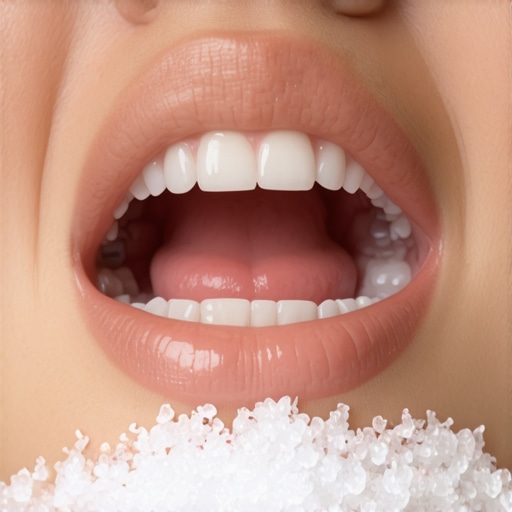
I remember the moment too clearly—the sharp discomfort in my gums after casually rinsing with salt water, thinking I was doing myself a favor. It was only later I realized that this simple act, which I believed was helping, might have actually backfired, making my swelling more stubborn. That lightbulb moment changed everything about my oral care routine. Have you ever experienced similar frustrations, where your effort to heal seems to delay recovery instead?
Why Your Salt-Water Rinse Could be Sabotaging Your Recovery
Many of us resort to salt-water rinses as a quick fix for after-dental procedures or minor gum issues. It’s a time-honored tradition, and with good reason—salt possesses natural antibacterial properties, and rinsing can soothe soreness. But here’s the catch: if your rinse is too concentrated, or if you rinse too often, you might be doing more harm than good. In fact, an overly salty solution can actually irritate delicate tissue, intensify inflammation, and hinder healing.
Surprisingly, research indicates that high salt concentrations can disrupt the natural balance of beneficial bacteria in your mouth, potentially leading to increased swelling and prolonged discomfort (American Dental Association, 2020). Early in my journey, I made the mistake of using a salt solution so strong it felt like I was rinsing in ocean water—that’s the sort of mistake I want to help you avoid.
Here’s the good news: understanding the proper way to rinse—how often, how much salt to use, and what ingredients to avoid—can make a huge difference in your healing process. Now, let’s address the concerns you might have about abandoning a traditional remedy that many swear by. Can salt-water rinses really be harmful? And if so, what should you do instead?
If you’re tired of feeling like your efforts to recover are just dragging on, and want to make sure you’re not unintentionally making things worse, then stay with me. The next sections will equip you with simple, scientifically-backed tips to optimize your oral hygiene routine—secrets that dentists and specialists recommend for faster healing and less swelling.
Master Your Oral Hygiene Routine for Better Healing
Start by choosing the right toothbrush—look for an electric model with soft bristles, which is gentle on sensitive gums and can thoroughly clean around crowns and implants. Use gentle, circular motions, making sure to cover all surfaces of your teeth, especially the areas around new restorations. Avoid scrubbing vigorously; it can cause gum irritation and dislodge fragile dental work. Remember, consistency is key—brushing at least twice a day promotes healing and prevents plaque buildup.
Implement Proper Flossing Techniques to Protect Dental Work
Proper flossing removes plaque from between teeth and around crowns without damaging your restorations. Use a gentle sawing motion to slide the floss between teeth, curving it around each tooth in a C-shape. Be careful not to snap the floss, which can hurt surrounding gum tissue. If you’re unsure about flossing around crowns, consider interdental brushes as a safer alternative. Regular flossing enhances gum health and prolongs the lifespan of your dental work, as detailed in our guide to teeth cleaning secrets at effective home practices.
Optimize Your Rinsing Habits to Accelerate Healing
Rinsing helps keep your mouth clean, but overdoing it or using an overly salty solution can delay recovery. Instead, prepare a mild antiseptic rinse using a pinch of salt in warm water—no more than once or twice daily—after consulting your dentist. Swirl gently for 30 seconds, then spit out without vigorous swishing. This minimizes tissue irritation and maintains a healthy oral environment. Avoid commercial mouthwashes with alcohol, as they may dry out tissues and interfere with healing. For further guidance, visit tips on caring for crowns.
Safeguard Your Restorations During Daily Activities
Protect your crowns, veneers, and implants from undue stress, especially during eating or physical activity. Avoid biting hard foods like nuts or ice, which can crack or dislodge dental work. Chew on the opposite side of your mouth when possible, and refrain from using your teeth as tools—such as opening packages—that can compromise restorations. Wearing a mouthguard during sports adds extra security against accidental impacts, reducing the risk of damage. Regular check-ups with your dentist ensure that your restorations remain intact and functional, as emphasized in caring for crowns.
Schedule Consistent Dental Visits for Long-Term Success
Professional cleanings and examinations are vital to monitor healing and maintain your oral health. Your dentist can remove tartar buildup that regular brushing might miss and assess your restorations for any signs of wear. These visits allow early detection of potential issues, preventing costly repairs later. Incorporate regular family dental visits into your routine—every six months or as recommended—to stay ahead of problems. Learn more about building a healthy smile at family dentistry.
While basic oral hygiene practices like brushing and flossing are widely understood, many patients overlook critical nuances that can impact the longevity and health of dental work such as crowns. A common myth is that whitening or cleaning products will magically restore the natural whiteness of restorations; in reality, materials like porcelain or zirconia respond differently than natural enamel. For instance, some over-the-counter whitening strips can cause uneven coloration or even damage your crown’s surface, emphasizing the importance of consulting your dentist for tailored advice. One often underestimated aspect is the subtle difference in how various cleaning tools interact with different materials. Using a hard-bristled toothbrush or abrasive toothpaste can scratch or diminish the gloss of your crowns, leading to earlier replacements—think of it as wearing out your best shoes faster with rough treatment. Expert guidance suggests opting for soft-bristled brushes and gentle cleaning agents tailored to your restorations. Moreover, many assume that a professional cleaning is only necessary when problems arise; however, regular cleanings are vital to catch early signs of degradation or decay around crowns, which can be imperceptible to the untrained eye. This proactive approach preserves your investment and prevents costly repairs. Advanced patients might wonder: how does the microstructure of different crown materials influence their susceptibility to plaque buildup or staining? Studies show that zirconia crowns are more resistant to staining and easier to clean but still require proper maintenance to prevent irregular wear or chipping1. Keep in mind, neglecting the specific maintenance needs of your restorations creates hidden risks—think of it as ignoring the small cracks that can lead to bigger breaks over time. Are you aware of how your daily habits might be subtly damaging your crowns? Little actions, like using a toothpick aggressively or relying on harsh mouthwashes, can accelerate deterioration. For comprehensive insights on maintaining your crowns and ensuring their longevity, review our detailed guide. Remember, when it comes to your dental health, knowledge about the nuances—beyond just brushing—is what really makes the difference. Have you ever fallen into this trap? Let me know in the comments.
How do I maintain my dental tools and restorations over time?
Maintaining your oral health investments requires more than just daily brushing and flossing. I personally swear by using a high-quality ultrasonic cleaner specifically designed for dental instruments. These devices employ ultrasonic vibrations to remove plaque, tartar, and bacterial residues from tools like electric toothbrush heads, interdental brushes, and even dental crowns. Regular use of an ultrasonic cleaner extends the lifespan of your tools and helps prevent bacterial buildup that could compromise your crowns or implants. For example, I use the Oral-B UV Sanitizer after each deep cleaning session, as it provides an extra layer of sterilization, ensuring my tools stay hygienic between professional visits.
It’s essential to replace toothbrushes and floss regularly; I recommend changing your electric toothbrush head every three months. For crowns and other restorations, a gentle, non-abrasive polishing paste can keep them looking new without causing surface wear. I recommend trying the specialized crown-safe polish to maintain shine and prevent staining over the years.
Investing in quality tools is just part of the equation. Proper technique, such as avoiding aggressive brushing and using softly textured cleaning agents, ensures your restorations remain intact and functional for years. Keep in mind, modern dental technology is continuously evolving—for instance, new AI-powered cleaning devices are in development that analyze your oral health in real-time, providing proactive alerts for potential issues.
What future trends do I see in dental maintenance technology?
Emerging innovations like smart toothbrushes with integrated sensors and Bluetooth connectivity will soon enable patients to monitor their brushing patterns and receive personalized advice via smartphone apps. These tools aim to catch early signs of gum disease or decalcification before they become serious problems. As the field advances, I expect a move toward more integrated, AI-driven oral health systems that not only assist in daily maintenance but also communicate directly with your dentist for tailored treatment plans.
To maximize the longevity of your dental work, I encourage you to adopt an advanced tip: incorporate a continuous-use ultrasonic cleaning routine for your tools and consider investing in a smart toothbrush with real-time feedback. These practices elevate your home care, complement professional visits, and ensure your smile stays healthy and bright for years to come.
Lessons From My Dental Journey That Changed Everything
- I realized that over-salting my rinse or rinsing too frequently could prolong discomfort instead of relieving it. Less truly is more when it comes to mouth rinses, especially post-procedure.
- Universal habits like brushing twice a day and flossing are vital, but paying attention to technique—gentle circles and avoiding harsh scrubbing—can make or break the healing process for those with dental restorations.
- Investing in personalized tools like soft-bristled brushes and crown-safe polishes has preserved my restorations longer and saved me money over time.
- Understanding the specific maintenance needs of crowns and veneers has helped me avoid common pitfalls, like abrasive toothpastes or aggressive brushing, which can cause damage.
- Embracing emerging dental technologies, such as ultrasonic cleaners and smart toothbrushes, has heightened my daily routine and empowered me to take control of my oral health effectively.
My Crucial Arsenal for Continuous Smile Confidence
- The specialized crown-safe polish has been a game-changer for maintaining shine and preventing staining.
- The family-focused guide on effective home practices combines my experience with expert insights, helping me nurture a healthy smile for everyone.
- Professional-grade ultrasonic cleaners, like the recommended devices, keep my tools bacteria-free, extending their lifespan and reducing the risk of reinfection.
- Staying informed through trusted resources has allowed me to customize my routine, balancing professional care with daily home practices to sustain oral health over the years.
Your Path to a Resilient, Radiant Smile
Remember, the journey to optimal oral health is uniquely yours, built on informed choices and consistent habits. Don’t let small misconceptions or overlooked details undermine your confidence. With dedication and the right tools, your smile can truly last a lifetime. Keep exploring, learning, and refining your routine—your future self will thank you.
What has been the most surprising lesson you’ve learned about maintaining your dental health? Share your insights below—I’d love to hear your story!
**