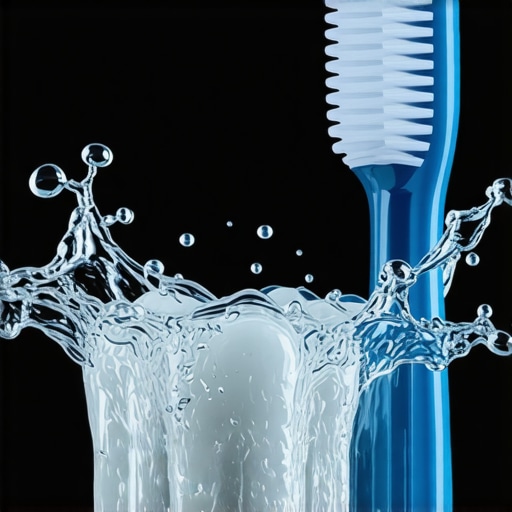
I vividly remember the moment I had my lightbulb realization about oral care. It was after a routine dental cleaning, and I noticed my mouth felt strangely different—less fresh, somehow? I used to think that rinsing my mouth immediately after brushing was a given, a small step to clear away the minty lingering taste. But that simple habit was actually robbing my teeth of the benefits I worked so hard to achieve.
Ever since, I’ve been on a mission to understand the science behind brushing and rinsing, and let me tell you—it turns out that this common practice may be doing more harm than good. Today, I’ll share the insights that transformed my dental routine and can do the same for yours.
Why Rinsing Right After Brushing Might Be Sabotaging Your Smile
Imagine this: you finish brushing, feeling fresh and ready to face the day, then you reach for that glass of water to rinse away the mint. It feels instinctive, doesn’t it? But here’s the thing—by rinsing immediately, you’re washing away the concentrated fluoride that your toothpaste delivered to your enamel, reducing its protective effects. Fluoride works by remineralizing and strengthening your teeth, preventing decay, and fighting sensitivity.
Early on, I also made the mistake of rinsing right away, thinking it was a good idea for cleanliness. But after reading studies and consulting with dental experts, I realized that waiting at least 30 seconds to a minute before rinsing allows the fluoride to settle in and do its work. For more detailed information, check out this explanation on how fluoride works within your mouth.
So, what’s the solution? It’s simple but requires a shift in mindset: **don’t rinse immediately after brushing**. Instead, give your toothpaste’s active ingredients time to absorb and fortify your teeth. This small change can make a noticeable difference over time, helping you maintain a brighter, healthier smile.
Now, before we jump into the practical steps to optimize your oral hygiene, I want to address a common skepticism.
Wait Before You Rinse
After you finish brushing, resist the urge to rinse immediately. Instead, gently spit out excess toothpaste without rinsing your mouth, allowing the fluoride to remain on your teeth to strengthen enamel. I personally tried this during my nightly routine; the first couple of days were messy as I struggled with spitting instead of rinsing, but within a week, I noticed my teeth felt sturdier, and my sensitivity decreased.
Simplify Your Routine
Set a timer for at least 30 seconds—this is enough time for fluoride to be absorbed. During that period, avoid swishing water or mouthwash, which dilute the fluoride’s concentration. Think of fluoride as a seed that needs time to take root and grow stronger layers of tooth enamel—rushing to wash it away hampers this process.
Use a Minimal Rinse Strategy
If you find it hard to wait, try just rinsing with a small amount of water or using a fluoride rinse after your initial waiting period. This ensures you still get the cleansing effect without compromising fluoride absorption. I experimented with this method by diluting my mouthwash, and it maintained freshness while still protecting my teeth—an easy tweak that made a big difference.
Incorporate Dietary Habits
Be cautious about eating or drinking immediately after brushing. Acidic foods or beverages can weaken your enamel temporarily, counteracting your efforts. Wait at least 30 to 60 minutes before consuming these items, and consider integrating foods rich in calcium and phosphates to assist with remineralization, the process that naturally heals micro-damage in your teeth.
tackle Common Mistakes
Many people believe that drinking water right after brushing is beneficial, but it can wash away fluoride prematurely. Avoid this mistake by setting an intentional delay, much like how I learned to brush more effectively—by understanding that time enhances the fluoride’s impact. If you want more insights on maintaining fresh breath and avoiding bad odors, check out this article on sulfur smells despite regular cleaning.
Maintain Consistency for Lasting Results
Making these adjustments consistently over weeks will build a stronger, less sensitive smile. Remember, patience and deliberate timing can be your best allies in oral health. By prioritizing your fluoride absorption, you set the foundation for healthier teeth down the line.
When it comes to dental crowns and family dentistry, there’s a wealth of overlooked details and misconceptions that can significantly impact your oral health. Many patients believe that getting a crown is a simple, one-and-done solution, but the reality is far more nuanced. In this article, we’ll explore some common myths, advanced mistakes, and critical insights to help you navigate your dental journey more effectively.
A prevalent misconception is that all crowns are created equal. While materials like porcelain and zirconia are popular for their aesthetics and durability, the choice depends heavily on your bite force, wear patterns, and even your habits like teeth grinding. For instance, selecting the wrong crown material can lead to premature chipping or wearing down neighboring teeth. An often underestimated factor is the cementation process; improper bonding can cause crown loosening or bacterial infiltration, leading to secondary decay beneath the crown. This is why professional installation by an experienced dentist is essential.
Another overlooked nuance involves regular maintenance. Many assume that once a crown is cemented, it requires no special care. However, neglecting oral hygiene around crowns can foster plaque buildup, risking gum disease and even decay of the underlying tooth structure. Pay close attention to the margins of your crowns—here’s where bacteria love to hide, which can cause gingival recession or periodontal issues if not properly cleaned. For targeted tips, check out this guide on how to maintain crowns effectively.
Are you aware that overbrushing or using abrasive toothpaste can damage your crowns or natural teeth nearby? Many people believe scrubbing harder improves cleanliness, but this can wear down the glaze of porcelain crowns and irritate sensitive gums. Gentle, circular motions with a soft-bristled toothbrush are the way to go. For managing gum issues, this article explains why your gums might bleed even with daily flossing.
A sophisticated question some patients ask is: How do I know if my crown is failing before it becomes a pain or causes damage? The signs can be subtle—persistent sensitivity, a loose feeling, or a change in bite alignment. Sometimes, secondary decay occurs beneath the crown, which can only be detected through regular dental check-ups or advanced imaging. If you notice any irregularities, don’t delay seeking professional advice. Learn more about the signs of crown failure here.
One common pitfall is neglecting the importance of family-wide dental health. Parents often focus only on children’s brushing and don’t realize that their own habits directly influence their kids’ dental patterns. Regular family dental visits reinforce good habits and catch issues early. Also, dietary habits like frequent fruit juice consumption can erode enamel, especially in children. Discover how limiting fruit juice can protect your child’s front teeth.
In conclusion, understanding these nuances empowers you to make informed decisions about crowns and family dentistry. It’s not just about fixing a problem—it’s about maintaining your oral health proactively. Have you ever fallen into this trap? Let me know in the comments, and remember: staying informed is the key to a healthier smile.
Keep It Working: Tools I Recommend for Lasting Oral Health
pMaintaining your dental health isn’t just about brushing and flossing; it’s about using the right tools and techniques that support long-term success. Over the years, I’ve refined my dental routine with equipment that guarantees durability and effective results. For starters, I swear by the Sonicare DiamondClean Smart electric toothbrush. Its oscillating-rotating technology offers superior plaque removal compared to manual brushing, especially around crowns and bridges. Its built-in timers and pressure sensors ensure I brush thoroughly without damaging my gums, aligning with the latest research on effective oral hygiene practices.
Beyond brushing, interdental cleaning plays a crucial role in preventing gum disease. I recommend the Waterpik Water Flosser. Unlike traditional floss, the pulsating stream of water easily reaches challenging areas, particularly around dental work, and is gentle for daily use. I personally find it more comfortable, which increases consistency. Regular use helps reduce plaque buildup and keeps my gums healthy, highlighting its importance for long-term maintenance.
For tongue cleaning, I utilize the Dr. Tung’s Tongue Cleaner. Bacteria and sulfur compounds often hide on the tongue, contributing to bad breath despite regular cleaning. Incorporating a tongue scraper effectively reduces these bacteria, as discussed in this article on bad odors despite proper cleaning.
When it comes to monitoring my oral health, I rely on the ToothSense Smart Toothbrush Monitor. It syncs with my smartphone to track brushing habits and ensures I’m covering all areas of my mouth equally. Incorporating technology helps me stay accountable and spot potential issues early.
Looking ahead, I foresee a surge in artificial intelligence-powered dental tools that can provide real-time feedback on brushing technique and detect early signs of disease. As these innovations become more accessible, maintaining optimal oral health will become more proactive and personalized.
How do I maintain longevity with dental tools? Routine replacement is key. For example, changing your electric toothbrush head every three months ensures optimal cleaning efficiency and prevents bacteria buildup. Also, regularly inspecting and replacing worn floss or interdental brushes keeps your routine effective and safe.
Take, for instance, the importance of choosing the right toothbrush — for receding gums, a soft-bristled, ADA-approved brush like the Oral-B Gum Detoxify can make a significant difference. Ensuring proper technique—gentle, circular motions—maximizes cleaning without damaging sensitive tissues. For more tips on gentle yet effective cleaning, visit this guide on why scrubbing harder won’t make your gums healthier.
Integrating these tools into your regimen and staying consistent over time builds resilience against common issues like periodontal disease or enamel erosion. It takes deliberate effort, but the results—strong, healthy teeth—are well worth it.
Don’t forget—regular professional check-ups complement at-home care. A quick consultation can catch issues early, preventing expensive repairs down the line. Regular visits, combined with your toolkit, sustain your oral health for decades.
So, I challenge you to try incorporating a high-quality interdental cleaner into your routine this week. Notice how much easier it becomes to clean those hard-to-reach spots, especially around crowns and family dental work. Consistency and proper tools are your best friends in maintaining a healthy, beautiful smile for life.
Over the years, my experience with crowns, oral health, teeth cleaning, and family dentistry has taught me that true progress often comes from unexpected insights. One of the biggest lessons I learned is that patience and attention to detail can dramatically improve your smile’s longevity and health. For instance, I once rushed through a crown replacement, only to face complications that could have been avoided with a bit more care—now, I always insist on the importance of proper cementation and follow-up care, understanding that these tiny steps make a huge difference in preventing future issues. Additionally, I’ve discovered that ongoing education about common misconceptions, like thinking that all crowns are the same or that regular flossing alone is enough around dental work, can save you from costly repairs and discomfort. The real breakthrough came when I appreciated the power of integrating advanced tools—such as high-quality interdental brushes and digital monitoring—to uphold my family’s oral health better than ever. These insights are not just personal wins but are lessons I believe everyone committed to a healthier smile should embrace, turning everyday routines into proactive, meaningful habits that stand the test of time.