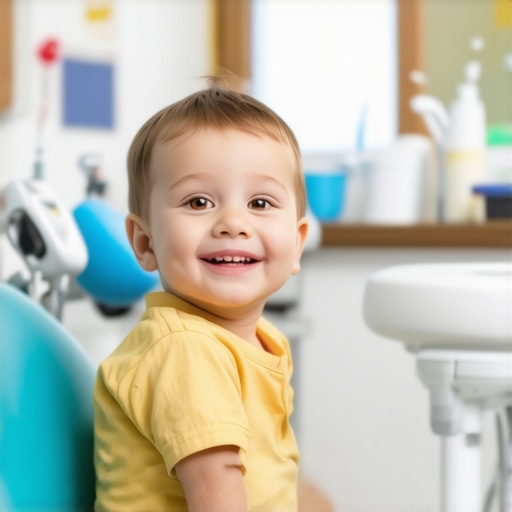
I remember the exact moment I realized I’d missed a crucial step in my child’s dental care. It was during a routine check-up when the dentist calmly pointed out a tiny, almost invisible white spot on my baby’s newly erupted tooth. Panic set in—had I failed to protect my child’s teeth? That lightbulb moment made me rethink everything I thought I knew about baby teeth and early dental visits.
The Hidden Importance of that First Dental Appointment
Skeptical about bringing your little one to the dentist before their first birthday? You’re not alone. I was, too. But let me share a little secret: those early visits can make all the difference in preventing future dental issues. Early dental visits help spot potential problems like tooth decay or improper toothbrush habits before they become big issues. Plus, it sets your child up for a lifetime of positive dental experiences, rather than associating trips to the dentist with fear or pain.
Most parents overlook this initial appointment, thinking teething and temporary discomfort are all there is to worry about. However, a study published in the Journal of the American Dental Association found that early visits drastically reduce the likelihood of cavities later in childhood. That tiny white spot I spotted? It was a early sign of decay that, if left unchecked, could have led to painful cavities or more invasive procedures down the line. Catching problems early is easier—and much less stressful for everyone involved.
Is Early Dental Care Really Necessary or Just a Fad?
Honestly, I used to think that waiting until my child’s toddler years was enough. My mistake was underestimating how crucial those early preventive measures are. When I finally read about the importance of that first visit, I realized how much I was missing. For example, some parents believe their child’s teeth are too fragile or that visits can wait until they are older. But delaying can lead to overlooked issues like early-stage cavities or misaligned teeth, which might require more complex treatment later on. Want to stay ahead? It’s worth scheduling that first check-up around your child’s first birthday to ensure their oral health is on the right track.
If you’re still unsure, consider that early dental visits are recommended not just to prevent cavities but also to help your child become comfortable in the dental chair. As a parent, I’ve learned that these appointments are about more than just teeth—they’re about building trust and healthy habits that last a lifetime.
Have you faced the dilemma of whether to schedule that first dental visit for your little one? Trust me, once you start early, you’ll wish you’d done it sooner. Next, let’s explore some common fears parents have about early dental visits and how to make the experience stress-free for your child.
Prepare Your Child for Dental Care
Start by introducing the concept of dental visits as a routine part of their health. Use positive language to frame it as a team activity, not a punishment. Demonstrate proper brushing techniques with a kid-sized brush, making it fun and engaging, like a game or challenge. For example, I once turned brushing into a race with my daughter, timing her to see if she could brush for two minutes without stopping. This approach makes the process memorable and less intimidating.
Choosing the Right Dental Professional
Select a family dentist experienced with children. Look for clinics that are kid-friendly—animals in the waiting room or colorful decor help. Ensure the dentist is skilled in calming anxious children and explaining procedures simply. When I scheduled my son’s first cleaning, I asked questions about their approach to nervous kids and watched how staff interacted with the little patients. This helped us find a practitioner who made the experience smooth and even enjoyable.
Implement Effective Oral Hygiene Habits
Teach your child to brush twice daily with fluoride toothpaste, emphasizing gentle circular motions. Use a timer or play their favorite song to ensure they brush for at least two minutes. Flossing is equally important; introduce floss picks designed for children and supervise until they can do it independently. Avoid rushing or forcing, which can create negative associations. I found that using a colorful floss pick and demonstrating how to slide it between teeth made my son more willing to cooperate.
Establish a Healthy Diet for Teeth
Limit sugary snacks and drinks that promote cavity formation. Instead, offer crunchy vegetables, cheese, or nuts that help clean teeth naturally. Be consistent with meal times to reduce snacking throughout the day. I also replaced juice boxes with flavored water and kept sugary treats as special weekend rewards, making dental health a family priority.
Navigating Emergency Situations Quickly
Accidents happen—such as a knocked-out tooth. Knowing the immediate steps can save the tooth and lessen anxiety. Keep a dental emergency kit including gauze, pain relievers, and a container with the child’s name. If a permanent tooth is knocked out, act fast: hold the tooth by the crown, rinse gently if dirty, and try to place it back or store it in milk. For guidance, visit https://periodontistcare.com/the-first-thing-you-should-do-if-a-permanent-tooth-is-knocked-out to understand proper handling and when to seek urgent care.
Regular Dental Checkups and Monitoring
Schedule visits every six months to catch issues early. During these appointments, the dentist will perform professional cleaning, fluoride treatment, and examine for early signs of decay or abnormalities. Consistent checkups build trust with your child and make future visits less stressful. Incorporate positive reinforcement afterward, like a small sticker or a fun activity, to associate dental visits with a reward rather than fear.
Monitor and Adapt Habits Over Time
As your child grows, their dental needs change. Shift from supervision to independent routines gradually, but remain involved until they master consistent care. Stay vigilant for signs of trouble: persistent sensitivity, bleeding gums, or changes in appearance. Educate your child on daily habits and make adjustments as necessary, always keeping dental health a top priority in your family routines. Incorporating these steps into your daily life ensures a proactive approach to maintaining your child’s bright, healthy smile.While many believe they understand dental care, there are nuanced pitfalls that even seasoned patients often overlook. One widespread myth is that dental crowns are a permanent fix that requires no further attention. In reality, crowns can develop issues like chipping, staining, or even cause underlying decay if not properly maintained, emphasizing the importance of regular checkups and informed care. Additionally, there’s a misconception that oral health is solely about brushing and flossing; however, factors like saliva composition, diet, and genetic predispositions play crucial roles in prevention and treatment outcomes. An advanced mistake many make is neglecting the interaction between different dental procedures—such as crowns affecting whitening results or restorations impacting gum health—which can lead to unintended complications. For example, choosing the wrong crown material without understanding its durability or compatibility might result in costly replacements sooner than expected. Understanding these subtleties is vital for optimal outcomes.
What should savvy patients consider beyond basic dental advice to avoid complex mistakes with crowns and oral health?
A study in the Journal of the American Dental Association highlights that personalized treatment plans and patient education significantly reduce the risk of future complications, especially in family dentistry where age-specific considerations matter. For instance, children and seniors have distinct needs that, if overlooked, can lead to avoidable issues like premature crown failure or gum recession. Moreover, problems can arise from common habits such as grinding or clenching, which directly impact the lifespan of restorations. Recognizing the signs early and understanding maintenance nuances—like the importance of avoiding certain rinses that wash away protective fluoride—can make all the difference. It’s essential to view dental care as a dynamic partnership, continually informed by new research and tailored to individual health profiles.
Are you aware of the subtle factors that could undermine your dental restorations or mask underlying oral health issues? Share your experiences or questions below, and let’s aim for a deeper understanding of true dental wellness.Maintaining your dental work and overall oral health requires more than regular brushing and flossing; it demands the right tools, consistent routines, and informed choices. One essential device I personally swear by is the **electric toothbrush with a pressure sensor**. Unlike manual brushes, it provides consistent cleaning motion and alerts me when I apply too much force, which is critical to prevent gum recession and damage to crowns or veneers. For example, the **Sonicare ProtectiveClean** offers this feature, helping me avoid overbrushing, a mistake that can cause sensitivity or even damage your dental restorations. Additionally, incorporating a **water flosser**, such as the **Oral-B Water Flosser**, has revolutionized my daily routine by reaching into tight spaces and cleaning around crowns more effectively than traditional floss. These tools are especially beneficial for those with dental implants or extensive restorations, as they help keep around restorations free of plaque and debris.
How do I maintain my dental appliances over time?
Regular maintenance isn’t just about keeping tools clean; it involves understanding their lifespan and when to replace components. For instance, replace your electric toothbrush head at least every three months or sooner if bristles fray, as worn bristles diminish cleaning effectiveness. Check your water flosser’s tubing and nozzles periodically for signs of mold or buildup, replacing parts as advised by the manufacturer. For ongoing protection, I also recommend using a **desensitizing toothpaste** like **Potassium Nitrate**-based formulations, especially if you notice any sensitivity after crown adjustments or bleaching procedures. Combining these habits ensures your restorations—and your natural teeth—stay healthy for years to come. In the future, we’re likely to see smarter dental tools integrated with AI that monitor and adapt to your habits in real-time, further personalizing your oral care routine. Stay ahead by choosing reliable, validated devices—like those tested by the American Dental Association—and integrating them into your daily habits. Remember, a well-maintained tool can be the difference between just surviving with dental work and thriving with a confident smile. So, why not start today by swapping out your old toothbrush for a high-tech model with pressure sensors? Your gums—and your crowns—will thank you.
3 Lessons About Dental Care That Changed My Perspective
- Seeing the unseen: I realized that early signs of decay, like tiny white spots, often go unnoticed without a professional eye, reinforcing the importance of regular checkups beyond just brushing habits.
- The power of personalized advice: Each child’s oral health needs unique attention, and trusting experienced family dentists helped me tailor routines that made oral hygiene less stressful and more effective.
- Preventive measures are your secret weapon: Simple actions like using a water flosser or changing toothbrush heads regularly can significantly extend the lifespan of crowns and restorations, saving money and discomfort later.
Tools and Insights That Made All the Difference
- The ADA-approved electric toothbrush with pressure sensors has become my go-to for gentle yet thorough cleaning.
- Books like “The Dental Diet” by Dr. Steven Lin opened my eyes to how diet impacts dental health—an eye-opener that made me rethink snacks and drinks for my family.
- Online resources such as urgent care guides equip me with quick actions during emergencies, reducing panic and protecting my loved ones’ teeth.
Your Bright Smile Starts Today
Empowering yourself with knowledge and the right tools can transform your approach to dental health. Remember, early prevention and informed choices are your best allies in maintaining a radiant, healthy smile for years to come. Now is the perfect moment to review your routine, consult with a trusted family dentist, and make small changes that yield big results. Are you ready to take the first step toward a lifetime of confident smiles?
What’s one unexpected tip about dental care that has helped you the most? Share your story below—I’d love to hear it and learn from your experience!
,