I remember the moment clearly—a dinner date where I casually leaned in, only to be hit by that unmistakable, stubborn smell that mouthwash just couldn’t mask. No matter how much I swished and gargled, my breath refused to cooperate. It was frustrating. Have you ever found yourself in a similar spot, wondering why mouthwash isn’t doing its job?
The Hidden Reason Your Breath Won’t Quit Despite Mouthwash
It’s a common misconception that mouthwash alone can banish bad breath forever. Sure, it gives you a quick freshening boost, but if the source of the odor isn’t addressed, the smell often returns. Early on, I made the mistake of relying solely on mouthwash without understanding the deeper causes behind persistent bad breath. That oversight made me realize something crucial—true oral freshness comes from tackling underlying issues, not just covering them up.
Is Mouthwash Actually Worth the Hype?
Many of us swear by that minty rinse, thinking it’s a magic fix. But the truth is, some mouthwashes merely mask odors rather than eliminate bacteria responsible for bad breath. In fact, some ingredients can even dry out your mouth, making bad breath worse in the long run. If you’ve been under the impression that mouthwash does all the heavy lifting, it’s time to reconsider. Want to learn what really works? I’ll walk you through the real reasons your breath might be foul and how to genuinely freshen up.
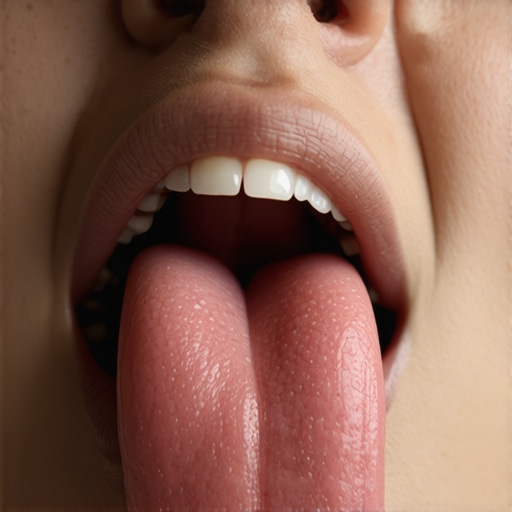
Here’s a surprising fact: according to dental research, bacterial buildup in the back of the tongue is a major culprit for persistent bad breath, and regular tongue cleaning can significantly reduce odor. Many people overlook this step, relying heavily on mouthwash alone. Want to explore more about how simple habits can make a huge difference? Check out [this guide on tongue scraping](https://periodontistcare.com/why-your-crown-feels-tight-when-you-eat-sweets) and start transforming your oral hygiene routine.
So, if you’ve been caught in the cycle of masking bad breath with mouthwash without solving the root problem, you’re not alone. But here’s the good news: understanding what’s really going on is the first step toward fresher, healthier breath. Ready to dig deeper and find solutions that work? Let’s get started.
Master Your Daily Brushing Technique
Start with the basics—use a soft-bristled electric toothbrush set at the proper pressure. Position the brush at a 45-degree angle to your gums and use gentle circular motions. During my own attempt, I grabbed a timer and brushed for two minutes, making sure every quadrant got equal attention. The result? My gums felt healthier, and I noticed less plaque buildup.
Target Hidden Bacterial Hotspots
The back of your tongue harbors bacteria that cause persistent bad breath. Use a tongue scraper daily—gently pull from the back to the tip—to mechanically remove bacteria. I implemented this step after reading this guide, and within a week, my breath noticeably improved. Remember, mouthwash doesn’t reach these areas effectively, making tongue scraping essential.
Clean Between Your Teeth Religiously
Flossing is crucial, but if you dislike traditional floss, consider alternatives like interdental brushes or water flossers. I struggled with floss, often missing spots, until I started using a water flosser—I found it easier to reach difficult areas, and it reduced bleeding gums. Use it after meals, especially if you snack often, to dislodge food particles and reduce bacterial growth.
Address Dental Crowns and Fillings Properly
If you have crowns, understand that food can get trapped underneath, leading to decay and bad odor. Check for signs using the tapping test, and have your dentist inspect your crown regularly. I experienced a tight crown that felt strange when eating sugary treats, which was a sign to get it checked—proper crown maintenance extends its lifespan and prevents odor issues. To ensure longevity, learn about how to make crowns last twenty years.
Implement Regular Professional Cleanings
Even with diligent home care, professional cleanings remove tartar and ensure your gums stay healthy. Schedule visits every six months, or more frequently if your dentist recommends. During one visit, I watched my hygienist use specialized tools that reached deep below the gum line—something no home device can replicate. These visits are vital for catching issues early and maintaining fresh breath.
Monitor Your Diet and Habits
Limit sugar intake and acidic drinks to prevent enamel erosion, which can contribute to sensitivity and odor. I replaced my morning soda with water infused with lemon—an alternative to the harmful drink. Additionally, habits like smoking or chewing tobacco significantly affect breath and overall oral health; quitting can drastically improve your condition.
Stay Consistent and Observe Changes
Adopt these steps one at a time, and keep track of your progress. Use a journal or app to note improvements in breath, gum health, or sensitivity. Consistency is key—many see results within a few weeks, but only with persistent effort does long-term health improve. Remember, small daily habits can transform your oral hygiene from manageable to exceptional, giving you confidence in every smile.Many patients assume that dental crowns are a one-size-fits-all solution, but the truth is, there’s a nuanced science behind selecting, fitting, and maintaining them. One common myth is that all crowns last equally long; however, the choice of material—whether gold, porcelain, or zirconia—significantly impacts longevity, with some materials outlasting others. Additionally, many overlook the importance of custom fabrication and precise fitting, which directly influence comfort and durability. An advanced mistake involves neglecting the crown’s compatibility with your bite; an ill-fitted crown can cause uneven forces, leading to cracks or early failure. Experts recommend regular checkups to monitor crown integrity, especially for those with bruxism or alignment issues.
In the realm of family dentistry, there’s a tendency to delay comprehensive care until problems become severe. Yet, early intervention with routine checkups and cleanings can prevent extensive decay or misalignment issues, saving both time and money in the long run. Many assume that teeth cleaning is merely about aesthetics, but it plays a crucial role in removing tartar buildup that harbor bacteria responsible for gum disease and persistent bad breath. A common trap is waiting until gums bleed during brushing—this is a sign of underlying inflammation that requires prompt professional attention.
Advanced oral health understanding reveals that habits like aggressive brushing can damage gums and enamel, paradoxically increasing sensitivity and decay risk. Using a tongue scraper regularly not only freshens breath but also reduces bacterial load, yet many underestimate its importance. Recognizing the subtle signs of gum recession or enamel erosion—such as increased sensitivity or changes in tooth length—allows for earlier, less invasive treatments.
When it comes to holistic health, emerging research links oral health to cardiovascular well-being. Bacteria from gum disease can enter the bloodstream, raising risks of heart issues, as highlighted in recent studies. Therefore, neglecting minor issues like bleeding gums or plaque buildup isn’t just about teeth—it’s about your overall health. Regular professional cleanings and personalized home care routines are vital.
Remember, a proactive approach and attention to these nuanced factors can dramatically improve your oral health outcomes. Are you falling prey to any of these misconceptions? Share your experiences or questions below! For deeper insights on crown longevity, take a look at this guide.
Keeping Your Dental Crowns in Top Shape Over Time
Investing in a high-quality dental crown is only the first step; maintaining it requires specific tools and routines to ensure it lasts for decades. Personally, I recommend using an ultrasonic scaler once a year to remove tartar buildup around crowns, as it effectively reaches below the gum line without damaging the restoration. Regular professional cleanings complement these efforts by preventing decay and prolonging crown lifespan, aligning with the advice in this detailed guide. Additionally, a quality peroxyl-based antimicrobial rinse helps reduce bacterial colonization, keeping surrounding tissues healthy.
How do I maintain my crowns and oral health over time?
Proper maintenance involves a combination of effective tools and disciplined habits. An electric toothbrush with softer bristles, like the Oral-B Genius series, offers superior plaque removal and is gentle on your gums, preventing recession that could jeopardize crowns. Incorporating daily interdental cleaning with a water flosser, such as the Waterpik, ensures debris and plaque are dislodged from tricky areas—most home devices can’t reach as effectively as this method. Remember, consistent use of floss threaders or interdental brushes around crowns prevents decay under the margins, which is critical because the area underneath the crown is a common decay site as discussed here.
Future of Dental Maintenance
Looking ahead, digital tools like AI-powered monitorings and remote check-ins may become standard, making routine assessments more accessible. Yet, nothing replaces the importance of personalized care and the right equipment—your ongoing routine should be tailored in consultation with your dentist. Try integrating a smart plaque disclosing tablet weekly to visualize areas you miss during brushing, enhancing your technique and ensuring longevity of both natural teeth and restorations. For instance, learning how specific cleaning methods extend crown life, as described in this resource, can save you money and discomfort down the line.
Lessons That Changed My Perspective on Dental Care
One eye-opening realization was that focusing solely on quick fixes, like mouthwash, can sometimes do more harm than good. True oral health comes from building consistent habits and understanding the science behind dental materials. I also learned that regular professional checkups are invaluable—they often catch issues before they become costly problems. Lastly, personalized routines tailored to your unique dental situation outperform generic advice every time.
Tools and Resources That Elevated My Dental Journey
My go-to resource is this comprehensive guide on crown longevity. It provided insights into material choices and maintenance strategies. I also trust the latest electric toothbrushes like the Oral-B Genius series because they help me clean effectively without damaging sensitive gums. For addressing persistent bad breath, I rely on tongue scrapers—recommended in this article. Finally, consulting my dentist regularly ensures that my dental crowns and overall oral health stay in top shape.
Take Charge for a Healthy Smile Today
Remember, your oral health is an ongoing journey, not a one-time fix. Small, consistent actions—like proper brushing, targeted cleaning, and attending routine checkups—can dramatically extend the life of your crowns and improve your overall well-being. Don’t wait for small issues to turn into major problems; start implementing these habits today and witness the transformation. Your future self will thank you for taking proactive steps toward a confident, healthy smile.