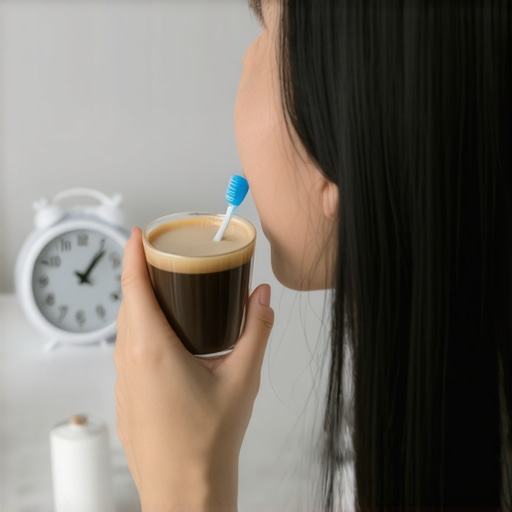
It was a morning like any other, I reached for my favorite mug of dark, rich coffee, savoring that first warm sip. But then, I made a mistake that I later realized could have cost me dearly—immediately brushing my teeth afterward. Oh, how I wish I could turn back time. That moment was a lightbulb flickering in my mind: I had just sabotaged my own oral health.
Have you ever found yourself rushing to clean your teeth right after enjoying your morning coffee? If so, you’re not alone. Many people believe the best way to keep their smile bright is to brush away the coffee stains immediately. But here’s the truth—this common habit may be doing more harm than good, especially as we look ahead to 2026. Today, I’m here to unravel why brushing after coffee could be a critical mistake and how you can adjust your routine for healthier teeth.
Why the Timing of Your Brush Matters More Than You Think
When I first learned about this, I felt a mix of surprise and frustration. I’d been doing it all wrong, thinking I was proactively protecting my teeth. Turns out, my enthusiasm was actually accelerating enamel erosion. Coffee, with its high acidity, softens the protective enamel layer on your teeth temporarily. Brushing immediately after coffee can rub away this softened enamel, leading to increased sensitivity and even exposing your dentin. Over time, this can cause permanent damage.
Research indicates that the pH level of coffee is around 5, which is acidic enough to weaken enamel temporarily. The American Dental Association (ADA) recommends waiting at least 30 minutes before brushing after acidic drinks or foods to allow your saliva to neutralize the acids naturally. Ignoring this simple step could be a sneaky way to undermine your oral health, even when you’re trying to protect it.
Are you aware of how early mistakes can snowball into serious dental issues? I certainly wasn’t, and my own lapse in judgment cost me some sensitive areas that needed extra attention later on. If you want to keep your smile resilient and avoid unnecessary trips to the dentist, understanding this nuance is crucial.
To explore this further, check out how professional dental materials now focus on acid resistance, like zirconia crowns, which can better withstand such daily challenges. Staying informed can help us make smarter choices about our routines and protect our investments in oral health.
Now that we’ve set the stage, it’s time to look at practical, proven steps to improve your habits. But first, let’s address some common worries—like, “Is delaying my brushing really worth it?” Keep reading to find out.
Delay Brushing, Protect Tooth Enamel
Right after your morning coffee, resist the urge to brush immediately. Instead, rinse your mouth with water or chew a sugar-free gum to stimulate saliva, which naturally neutralizes acids. I remember a morning when I forgot this step; my teeth felt sensitive the next day. Waiting just 30 minutes allowed my saliva to restore pH balance, preventing enamel erosion.
Use the Right Timing for Brushing
Set a timer or create a routine that reminds you to wait at least half an hour before brushing. Saliva needs this time to re-harden the enamel surface softened by acidity. Think of your enamel like a sponge that becomes temporarily pliable when exposed to acids. Brushing too soon acts like scrubbing a sponge while it’s wet—causing damage instead of cleaning.
Switch to Gentle, Proper Technique
When it’s time to brush, choose a soft-bristled toothbrush and brush gently in circular motions. Aggressive brushing can worsen enamel wear and damage delicate areas, especially if you have dental restorations like crowns. I adopted this method after noticing irritation with my previous hard-bristled brush, and it significantly improved my gum health.
Incorporate Dental-Friendly Products
Use toothpaste with fluoride to strengthen enamel. Adding remineralizing agents like xylitol can further protect against acids. For those with crowns or dental work, select products that help maintain their integrity. Check out [how dental crowns improve strength](https://periodontistcare.com/dental-crowns-benefits-restore-and-boost-your-oral-health) to understand their role in oral health.
Schedule Regular Professional Cleanings
Regular visits to your dentist help remove plaque that cannot be eliminated at home and catch early signs of erosion or decay. Professional cleanings also serve as an educational moment for refining your routine. My own experience with bi-annual cleanings revealed hidden plaque build-up, prompting me to improve my oral care habits with greater diligence, leading to healthier teeth over time.
Maintain a Balanced Diet and Hydration
Limit acidic foods and drinks, and drink plenty of water throughout the day. A balanced diet rich in calcium and vitamin D supports remineralization efforts. Remember, your mouth is like a battlefield—what you eat can either weaken or strengthen your defenses. I started including more dairy and leafy greens, which visibly improved my enamel resilience.
Monitor Your Dental Restorations
If you have crowns or implants, pay attention to signs they need replacing, such as discoloration or looseness. Stay ahead by reading [signs your old dental crown needs replacement](https://periodontistcare.com/4-hidden-signs-your-old-dental-crown-needs-replacing-2026). Regular checkups ensure your restorations continue to serve their protective role effectively, especially in a landscape of increasing technological advances.
Many believe that brushing harder or more frequently guarantees a healthier smile, but experts warn this approach can backfire, especially when it comes to dental restorations like crowns. One prevalent myth is that all dental crowns are equally durable; in reality, materials like zirconia are now outperforming traditional porcelain in longevity and strength, as highlighted in [this recent study](https://periodontistcare.com/why-zirconia-crowns-are-outperforming-porcelain-in-2026). Additionally, a nuanced aspect often overlooked is the importance of understanding the bond integrity between the crown and underlying tooth structure, which can significantly influence crown longevity. An advanced mistake many make is neglecting the signs that a crown needs replacing; quick solutions or ignoring early warning signs like discoloration or looseness can lead to more extensive issues, a concern addressed in [this detailed guide](https://periodontistcare.com/4-hidden-signs-your-old-dental-crown-needs-replacing-2026). Moreover, family dentition isn’t just about daily cleaning—it’s about tailored strategies that consider age-specific risks and habits, ensuring optimal oral health across generations. For instance, parenting tips for maintaining children’s oral health are critical, as discussed in [this resource](https://periodontistcare.com/5-child-oral-health-red-flags-every-parent-must-spot-in-2026). Remember, the subtle details—like proper flossing techniques or choosing the right toothbrush—are often the difference between a healthy mouth and chronic issues. Make sure you’re not falling into common traps that undermine your efforts. I’ve seen many patients surprised by what they didn’t know, such as the impact of acidic foods on crown integrity. Want to avoid these pitfalls? Regular check-ups and staying informed about advanced dental materials and techniques can save your smile decades longer. Also, have you ever fallen into this trap? Let me know in the comments. As we continue to refine our routines, embracing the nuanced understanding of dental health becomes essential for lasting results.
Invest in Quality Equipment for Long-Term Dental Wellness
Preventing dental issues isn’t just about habits; having the right tools makes all the difference. I personally rely on a high-quality electric toothbrush with soft-bristle heads because it provides consistent, gentle cleaning—especially important when dealing with crowns or sensitive areas. Brands like Philips Sonicare and Oral-B have models featuring pressure sensors, which alert you if you’re brushing too hard, helping preserve enamel integrity over time. Regularly replacing your brush head (every 3 months) ensures optimal cleaning and prevents bacteria buildup, maintaining your oral health effortlessly.
In addition, I’ve incorporated a water flosser into my routine. It’s effective at removing plaque and food debris, especially around dental restorations. This tool is particularly beneficial for family members with braces or implants, ensuring thorough cleaning where traditional floss might struggle. The key is consistency—using it daily can significantly reduce the risk of gum disease and decay.
Leverage Advanced Software and Scheduling to Stay on Track
To monitor my routine, I use a smart app connected to my electric toothbrush. These apps track brushing duration and coverage, providing feedback and reminders to improve technique. Maintaining a consistent oral hygiene schedule prevents plaque buildup and keeps dental issues at bay. For families, shared digital calendars or reminders ensure everyone sticks to their cleaning routines, fostering a collective responsibility for oral health.
Technology also offers diagnostic tools like saliva pH testing kits, which I’ve started using periodically. These tests help assess acid levels that can contribute to enamel erosion. Regularly checking saliva pH (aiming for a neutral range of 6.5–7) allows me to adjust my diet and habits proactively, preventing damage before it happens. Combining these insights with visits to your dentist, such as scheduling a [test to predict crown longevity](https://periodontistcare.com/3-tests-to-see-if-your-dental-crown-will-last-15-years-2026), creates a comprehensive approach to long-term care.
Adopt Strategic Maintenance for Resilient Crowns
When it comes to crowns, especially zirconia ones, routine checks are vital. I set quarterly reminders to assess them for signs of wear or damage, such as cracks or discoloration. This proactive approach guides timely replacements, preserving overall oral health and function. Recent research indicates zirconia crowns outperform porcelain in durability and compatibility, making regular monitoring even more critical ([source](https://periodontistcare.com/why-zirconia-crowns-are-outperforming-porcelain-in-2026)).
Practicing gentle brushing and avoiding abrasive toothpaste also extends their lifespan. I recommend using a [simple test](https://periodontistcare.com/3-tests-to-see-if-your-dental-crown-will-last-15-years-2026) to verify crown stability every year, especially if you notice increased sensitivity or aesthetic changes.
Scaling Up with Family and Professional Support
Building a sustainable oral health routine involves educating family members about proper tools and habits. For kids, I emphasize the importance of gentle techniques and introduce colorful, fun brushes to encourage participation. For adults and seniors, specialized tools like interdental brushes or soft flossers help maintain periodontal health. Regular professional cleanings—every six months—are crucial for removing hardened plaque and catching early signs of wear or decay.
As the field advances, new materials and cleaning methods will emerge, making maintenance more effective and less invasive. Staying informed through reputable sources, like expert blogs and your dental provider, prepares you to adapt and optimize your routine. For example, considering [family-friendly dental care strategies](https://periodontistcare.com/family-dentistry-essentials-tips-for-optimal-oral-health-in-2024) ensures everyone stays healthy, from childhood through old age.
Ready to elevate your dental routine? Start by upgrading to a quality electric toothbrush with pressure sensors and integrate a water flosser. These tools, combined with digital monitoring and regular check-ins, create a fortress around your enamel and soft tissue health. Why not schedule a professional assessment today to identify potential issues before they escalate?
Throughout my journey with dental health, one of the most profound lessons I learned was how often I overlooked the subtle signals my teeth and gums were sending me. Small signs like sensitive spots or discoloration became my wake-up calls, reminding me that proactive care is an ongoing process. Embracing regular professional assessments and staying informed about innovations, such as the evolving strength of zirconia crowns, has empowered me to make smarter choices about my oral health. The real revelation was understanding that my daily habits, when combined with the latest in dental technology, could significantly extend the lifespan of my restorations and prevent costly repairs.
I really appreciate this detailed insight into the timing of brushing after coffee. I used to rush and brush immediately, thinking it would remove stains and freshen my breath. But over time, I started noticing increased sensitivity on some teeth, which I now realize might be tied to enamel erosion from brushing too soon after acidic drinks. Waiting about 30 minutes with just water or gum really makes a difference in allowing saliva to neutralize the acids. It’s a simple habit change that could save a lot of dental discomfort in the long run. I think many people overlook how delicate enamel can be and how easily it can be affected by seemingly small habits. How do others here balance their morning routines—any tips on reminders or routines that help enforce waiting before brushing? I’m keen to hear strategies from fellow readers to make this a smoother transition.
Reading about the importance of timing when brushing after coffee really hit home for me. I used to believe that brushing immediately would help maintain a bright smile, but I started noticing some sensitivity lately, which I now understand might be due to the erosion of enamel from brushing too soon after acidic beverages. I’ve begun waiting around 30 minutes and using rinses or gum to stimulate saliva first. It’s a small change that’s made a noticeable difference in my comfort and enamel health. This post highlights how critical it is to understand our natural biology and habits—it’s not just about what we do but when we do it. I wonder if other people have found additional ways to reinforce this waiting period consistently? Do you set reminders or incorporate certain routines into your mornings to help make this habit stick? I’d love to hear practical tips from others who have overcome similar challenges, especially busy mornings or when traveling. Small adjustments like these can lead to long-term benefits for our teeth, and sharing strategies could really help others making the same switch.
This post really resonated with me because I’ve experienced similar issues with enamel sensitivity and wasn’t aware that rushing to brush after my coffee could be the culprit. I’ve now started to delay my brushing routine, waiting at least half an hour and also chewing sugar-free gum afterward, which stimulates saliva production. It’s amazing how such a simple habit change can make a difference in reducing sensitivity and protecting my enamel. I especially appreciate the tips about using gentle brushing techniques and focusing on fluoride toothpaste to further strengthen my teeth. For busy mornings, I’ve set a recurring reminder on my phone, which helps me stick to the waiting period without feeling rushed. I wonder if others have found particular routines that help reinforce this habit, particularly when traveling or during hectic days? Sharing these practical tips could really motivate more people to adopt healthier oral care habits that protect their smiles long-term.