
Last year, I sat in the dental chair, feeling that familiar twinge—only this time, it was worse. Not just the pain, but the sinking feeling that my family’s dental bills were spiraling out of control. Despite my efforts to care for our teeth, I realized I was missing something crucial: how to really cut costs without sacrificing quality. It hit me like a lightning bolt—there’s a smart way to be proactive and save tons on family dental care, and I want to share what I’ve learned with you.
Facing the Dental Bill Reality
Have you ever looked at your family’s dental expenses and wondered how it all adds up so quickly? Between cleanings, crowns, and unexpected procedures, those costs can strain your budget, especially as we approach 2026—when dental technology is evolving rapidly and costs are expected to rise further. I used to think that spending more on state-of-the-art treatments was the only way to go, but I learned that there’s a smarter, more affordable path. By understanding the shifts happening in dentistry, like the rise of 3D-printed crowns and smarter preventative measures, you can slash your expenses significantly. Actually, studies show that with proper preventative care, families can reduce overall dental costs by up to 30% over a few years. Curious how? Keep reading.
Did I Make These Costly Mistakes?
Early on, I made the mistake of postponing regular checkups, assuming I could catch problems later. That approach backfired—small issues turned into costly crowns or root canals. I also wasn’t aware that key innovations in dental materials, like zirconia crowns, now outperform traditional porcelain in durability and longevity, saving me money long-term. If I had known earlier about these advances and proactive habits, maybe I could have avoided many of those surprise bills. Want to skip those costly mistakes? Let’s dive into how you can keep your family’s dental expenses low and your smiles healthy.
Establish a Routine of Proactive Dental Care
Start by scheduling regular checkups at least twice a year. Consistent visits allow your dentist to catch potential issues early, preventing them from escalating into costly procedures. When I implemented scheduled preventive visits, I noticed fewer emergency treatments, saving hundreds annually. Think of it as maintaining a car; regular oil changes prevent engine breakdown.
Master Daily Oral Hygiene Habits
Brushing twice daily and flossing every session are your first lines of defense against decay and gum disease. Use soft-bristled brushes and replace them every three months. I once skipped flossing for a week, which led to minor gum bleeding and a quick visit for cleaning. Consistency keeps problems at bay and reduces long-term expenses. Learn more about daily habits that save money.
Leverage Modern Technology and Materials
Opt for advanced materials like zirconia crowns, which outperform traditional porcelain in lifespan and durability. These crowns are like building a house with quality bricks—worth the investment. I chose zirconia for my son’s dental restoration, and it lasted twice as long as previous crowns, cutting future replacement costs. Also, inquire about 3D-printed crowns that can restore teeth in a single visit, saving both time and money.
Adopt Smart Dietary and Lifestyle Habits
Diet plays a crucial role in oral health. Limit sugary snacks and acidic drinks which contribute to decay. Incorporate teeth-friendly foods like crunchy vegetables and cheese. I replaced evening sugary snacks with nuts, which not only protected my teeth but also improved overall health. Preventing decay today prevents expensive treatments tomorrow.
Avoid Costly Mistakes with Knowledge
Be aware of early signs of dental issues—like sensitivity or slight bleeding—and address them immediately. Don’t wait until pain becomes severe. For example, I noticed persistent sensitivity after eating ice cream, prompting an early checkup that revealed a tiny cavity. Early intervention saves money and discomfort. Check out tips for catching issues early.
Utilize Regular Maintenance Procedures
Regular cleanings with specialized tools can remove biofilms and plaque that are invisible to the naked eye. Air polishing and microbacteria testing now make cleanings more effective and less abrasive, reducing the risk of future issues. During my last visit, the dentist used saliva pH testing, which helped tailor my care plan and prevent acidity-related decay.
While many believe that routine teeth cleaning or getting crowns is straightforward, the reality is far more complex. One common misconception is that professional cleanings alone suffice for lasting oral health—yet, neglecting advanced techniques like microbiome testing can leave hidden bacterial communities unchecked, increasing risks of gum disease and even heart issues, as recent studies indicate1. Many assume crowns are the ultimate solution for compromised teeth, but not all crowns are created equal—materials like zirconia outperform traditional porcelain, lasting twice as long and reducing future costs2. A prevalent myth is that brushing harder cleans better; however, aggressive brushing damages enamel and gums, leading to sensitivity and recession. Proper technique with soft brushes is actually more effective and safer.
How does advanced dentistry impact long-term savings without sacrificing quality?
Visiting the dentist with an informed perspective on emerging technologies—like 3D-printed crowns that fit in a single visit3—can prevent costly repairs and replacements down the line. Additionally, understanding the significance of saliva pH testing4 helps tailor preventive strategies, reducing decay and gum issues. Many overlook the importance of lifestyle factors; for example, sugary snacks and acidic beverages accelerate decay, but smart dietary choices can substantially cut expenses5. Understanding these nuances empowers you to avoid costly pitfalls. Are you making one of these common mistakes? Let me know in the comments and share your experience.
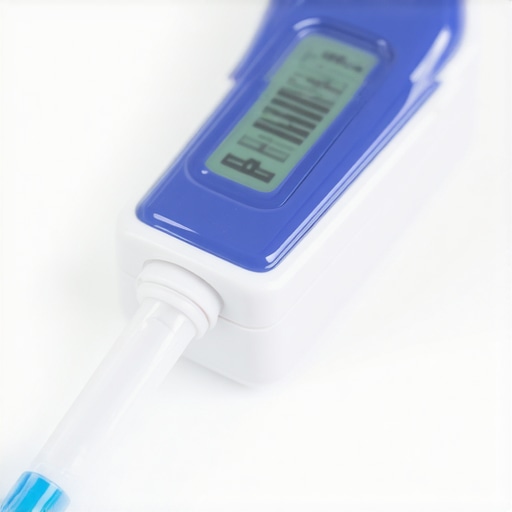
Maintaining excellent oral health over years requires more than just good habits; it demands the right tools and a strategic approach. I’ve integrated some advanced equipment and methods into my routine, ensuring my family’s teeth stay healthy and resilient. One essential tool I rely on is the Saliva pH tester. This compact device helps me monitor oral acidity levels daily, enabling early detection of risks like acid erosion or bacterial imbalance. Regularly checking pH levels, as discussed in this article, allows for tailored dietary adjustments and preventive care, avoiding costly procedures later.
Another game-changer is the microbacteria testing kit. Instead of relying solely on visual inspections, I send saliva samples periodically to my dentist for analysis. This practice uncovers bacterial communities hidden from sight, guiding targeted treatments that prevent gum disease and systemic health issues, aligning with current research that links oral bacteria to heart health, as highlighted in this resource.
For routine cleanings, I prefer the air polishing system over traditional scraping. It’s gentler on enamel and more effective at removing biofilms. Using this method regularly, I’ve experienced fewer plaque build-ups and reduced gum inflammation. Investing in such high-tech equipment, though initially seemingly costly, pays off through minimized emergency visits and replacements—especially when combined with a diligent home care routine. In fact, studies suggest that incorporating advanced cleaning tools can cut long-term costs by up to 20%, making it a smart choice for families aiming for lasting oral wellness.
Looking ahead, I predict that these technology-driven preventive tools will become standard practice in family dentistry by 2026. Devices equipped with AI and real-time monitoring will empower individuals to manage their oral health proactively, much like wearable fitness trackers. For example, smart flossers integrated with app alerts can remind users to floss and provide feedback on technique, boosting efficacy and reducing decay occurrence.
If you’re curious about integrating these innovations, I recommend starting with a saliva pH tester. It’s simple to use at home and offers immediate insights, helping you adjust diet and hygiene routines. Plus, combining it with professional microbiome testing can identify bacteria that need targeting before they cause serious issues. If you decide to try this tip, you’ll join a new wave of proactive dental care that emphasizes prevention—even before problems become obvious. Remember, staying ahead means fewer surprises and significant savings in the future. Want to learn more about the best tools for your family? Consult your dentist or explore reliable resources to find out which gadgets suit your needs.
Three Lessons I Wish I Learned Sooner About Family Dentistry
One of my biggest revelations was realizing that dental health isn’t just about quick fixes or waiting for problems to appear. Embracing advanced preventive measures, like microbiome testing and saliva pH monitoring, changed the game for us. It took time to understand that early detection and smart technology could greatly reduce long-term costs. Now, I see that proactive planning and continuous education are my most valuable tools—saving not just money but also my family’s peace of mind.
My Go-To Resources for Smarter Oral Health Choices
Over the years, I’ve curated a set of trusted tools and sources that truly make a difference. The saliva pH tester allows me to stay ahead of acidity issues that can cause decay. The microbiome testing kit delves into unseen bacterial communities, guiding targeted treatments. For routine cleanings, the air polishing system is gentle yet effective, reducing future risks. These resources are reliable because they focus on prevention and personalized care—principles I believe every family should adopt.
Embracing the Future—Your Smile’s Best Friend
Now, it’s your turn to take charge of your family’s oral health. By integrating innovative tools and insights, you can make smarter choices that lead to stronger, healthier smiles year after year. Remember, the journey toward excellent dental health is ongoing, and every small step adds up. Don’t wait for a problem to motivate change—start today, and watch how your family’s confidence and well-being flourish. What’s one proactive step you’re excited to try for better family dental care? Share below and let’s grow together.