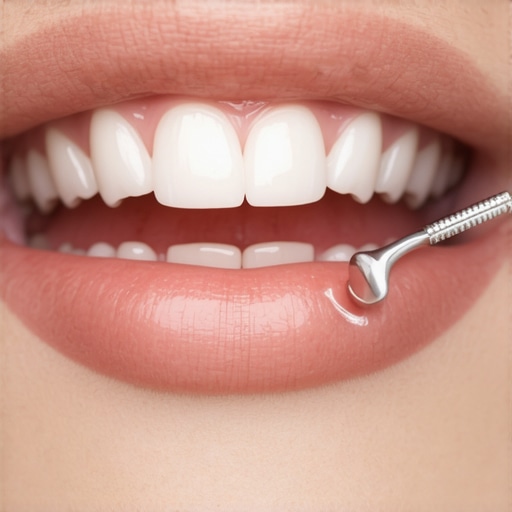
It was a morning like any other, but as I brushed my teeth, I noticed something that made my stomach drop—a jagged edge on one of my front teeth. That tiny chip felt like a glaring sign of aging and neglect, even though I’d just had a routine cleaning. I remember thinking, “Why now? Isn’t this minor?” It’s a feeling I bet many of you know well—sudden, almost helpless frustration over a small but annoying dental flaw. And the worst part? I was terrified of the idea of a full crown, with all its costs, time, and the uncertain timeline for perfect results.
But here’s the thing I discovered: fixing that jagged edge doesn’t have to mean saying yes to a crown right away. Over the years, I’ve learned that there are practical, less-invasive ways to smooth out those rough spots, maintain your smile’s natural beauty, and avoid unnecessary dental work—and I want to share those insights with you.
Why Fixing a Jagged Tooth Edge Matters More Than You Think
A chip or a jagged edge isn’t just about looks. Small damage like this can lead to further wear, increased sensitivity, and even minor infections if left untreated. Plus, a jagged tooth can be downright uncomfortable when you bite into hard foods, and it might make you self-conscious during social interactions. As I delved into my own dilemma, I realized that addressing this issue early could save me from more serious problems down the line.
Interestingly, according to recent oral health research, minor cracks and chips can accelerate dental decay if not properly managed. In fact, a study published by the American Dental Association highlights that untreated minor damages can compromise the tooth’s integrity over time, increasing the risk of more invasive procedures later on.
If you’re like me—initially overwhelmed by the idea of crowns or fancy restorations—you’re not alone. Many people fear that a little crack means they need extensive, expensive work. But from my experience, and backed by expert guidance, there are effective, conservative alternatives to restore your smile without jumping straight to a crown.
Have you ever faced a chipped or jagged tooth and wondered if it could be fixed without extensive procedures? If so, you’re in the right place. This post will walk you through practical solutions that I’ve personally tested and trusted, helping you keep your smile healthy and natural-looking.
Now, let’s explore how you can evaluate your situation and consider the best options for a smoother, healthier smile—without rushing into full crowns. But first, let’s address the common fears that hold people back from trying these simpler fixes.
Assess Your Tooth Carefully
Start by examining the chipped area in good light, gently feeling for sharp edges with your tongue or clean fingers to identify the extent of damage. I remember one time, I noticed a tiny sharp fragment on my front tooth after breakfast, and immediately rinsed with warm water to see how jagged it felt. This quick check helps determine if a simple smoothing can suffice or if professional intervention is needed.
Choose the Right Home Remedies
Use Dental Wax or Sugar-Free Gum
If a sharp edge is bothering you before your dental appointment, carefully cover it with dental wax or a piece of sugar-free gum to prevent cutting your tongue or lips. I once used sugarless chewing gum to temporarily smooth a rough edge after a misadventure with a hard fruit. This inexpensive fix can offer immediate relief and minimize further damage.
Apply a DIY Smoothing Technique
For minor jagged edges, gently file the area with a clean, fine-grit nail file or emery board. Be cautious not to overdo it—think of it like sanding wood: gentle, controlled strokes. Remember, this is only a temporary fix, and if the damage is significant, professional care is crucial.
Seek Professional Dental Care Promptly
Schedule an appointment with your dentist for evaluation. They may recommend conservative options such as composite resin bonding, which is minimally invasive and can restore your tooth’s shape effectively. During my visit, the dentist carefully built up the chipped area with tooth-colored material, restoring natural look and feel, and explained how this is a common, simple procedure.
Consider Bonding as a Longer-Term Solution
Bonding involves applying a tooth-colored resin that is sculpted and hardened with light. It’s a quick, cost-effective way to fix minor chips and restore your smile. From my experience, bonding lasts several years if properly cared for and can be repaired or re-contoured easily as needed. It’s a perfect alternative if you’re avoiding more invasive procedures like crowns at first.
Maintain Good Oral Hygiene to Preserve Strength
Ensure you stick with a rigorous oral health routine—brushing twice daily, flossing, and using mouthwash. Regular professional cleanings are vital to prevent further damage, especially if your tooth is weakened. I found that consistent cleaning with effective techniques, like those outlined in teeth cleaning secrets, keeps dental repairs lasting longer.
Prevent Future Chips with Smart Choices
Avoid biting on hard objects, too aggressive brushing, or using teeth as tools. Wearing a mouthguard during sports can also protect teeth from impact. I invested in a custom mouthguard after a close call during volleyball; it’s an inexpensive step that saves much trouble later.
By following these concrete steps—assessing damage, using immediate home remedies, consulting your dentist, considering bonding, and practicing preventive habits—you can manage a jagged tooth edge effectively and avoid unnecessary crown procedures. Every minor effort counts toward preserving your natural smile and health.
Many people believe they fully understand the ins and outs of family dentistry, but the truth is, there’s often a gap between common misconceptions and nuanced facts. Contrary to popular belief, regular teeth cleanings are not just about fresh breath—they play a critical role in preventing periodontal disease, which research shows can influence overall health, including heart disease and diabetes.
What Advanced Mistakes Do People Make When Caring for Their Oral Health?
One mistake I often see is the assumption that if your teeth look clean, they’re healthy. In reality, plaque buildup can still occur in hard-to-reach areas, leading to decay and gum issues before visible signs appear. For example, many overlook the importance of flossing correctly, thinking quick motions suffice, but thorough interdental cleaning is crucial for preventing cavities between teeth.
The Myth of the One-Size-Fits-All Solution to Crowns
Another prevalent misconception is that all crowns are alike, neglecting the advanced differences in materials and techniques. While some believe gold crowns are outdated, experts argue that they still provide superior durability for molars and are more biocompatible. Additionally, choosing porcelain or zirconia requires understanding the nuance of tooth color matching and strength requirements; a mismatch here can compromise the aesthetic and function of your smile.
How Does Improper Care Shorten Crown Lifespan?
Many assume that once a crown is placed, it’s maintenance-free. However, neglecting proper oral hygiene, such as failing to avoid hard foods or not following the recommended care for your specific crown type, can lead to micro-leaks, decay underneath, or even crown failure. A study published in the Journal of Prosthetic Dentistry emphasizes that patient adherence to care instructions significantly extends crown longevity.
Be cautious of the trap that more interventions mean better outcomes. Sometimes, conservative approaches like composite bonding or minor repairs can be sufficient, avoiding unnecessary crowns. Understanding the science behind materials and recognizing early signs of wear allows for better decision-making and preservation of natural teeth. It’s essential to consult with a knowledgeable dental professional who can guide you through these nuances—don’t settle for assumptions or outdated practices. For comprehensive guidance, I recommend reviewing expert advice on crowns and teeth cleaning for lasting results, which emphasizes the importance of personalized care and preventing complications early. Learn more about choosing the right approach for your dental needs. Remember, the goal isn’t just to fix a problem but to understand and address the underlying factors that keep your smile healthy in the long run. Have you ever fallen into this trap? Let me know in the comments.
Investing in the Right Equipment Makes All the Difference
Maintaining excellent oral health and ensuring the longevity of family dentistry procedures requires specific, high-quality tools. I personally swear by the dual-action electric toothbrush by Philips Sonicare. Its oscillating brush head removes plaque more effectively than manual brushes, especially in hard-to-reach areas. This tool has transformed my daily routine, providing consistent, professional-quality cleaning at home, which is crucial for long-term results.
For flossing, I recommend the Waterpik Ultra Water Flosser. Unlike traditional floss, it reaches deep between teeth and below the gumline, effectively dislodging plaque and debris. Regular use of this device has helped me prevent gum issues, especially after crown placements, as proper cleaning around restorations is vital for their lifespan. Click here for detailed effective home practices that support this routine.
Utilizing Software for Better Dental Care Tracking
In addition to physical tools, I’ve adopted dental management apps like Dental Monitoring. This innovative software allows me to track my oral health progress, set reminders for hygiene routines, and even share images directly with my dentist. It’s like having a virtual check-up, making it easier to stay proactive and catch issues early. As technology evolves, I predict more advanced AI-powered tools will personalize your dental maintenance, providing tailored advice and early warnings for potential problems.
Building a Routine That Works for Your Lifestyle
The key to maintaining dental health long-term is consistency. I set daily reminders on my phone to brush, floss, and use my water flosser. Additionally, scheduling semi-annual professional cleanings ensures that plaque and tartar are thoroughly removed—areas often missed with home care alone. For those with restorative work like crowns, regular check-ups are essential to confirm that everything remains intact and functioning properly.
How do I maintain my tools over time?
Proper maintenance of your dental equipment ensures they function effectively and last longer. Rinse your electric toothbrush heads thoroughly after each use, and replace them every three months or sooner if bristles become frayed. For devices like water flossers, clean the reservoirs weekly with vinegar or manufacturer-recommended solutions to prevent bacteria buildup. Always follow the manufacturer’s cleaning instructions—this not only prolongs their lifespan but also safeguards your oral health by avoiding contamination.
By investing in quality tools, leveraging smart software, and establishing a disciplined routine, you create a robust foundation for long-term oral wellness. Remember, maintaining your tools is as critical as using them properly—neglect leads to ineffective cleaning and potential damage over time. Incorporate these practices today, and your smile will thank you with years of healthy shine. Want to deepen your understanding of advanced dental care tools? Explore expert advice on crowns and teeth cleaning, or schedule a consultation to customize your maintenance plan.
The Hardest Lesson I Learned About Family Dentistry and Oral Care
Early in my dental journey, I believed more intervention always meant better results. However, I discovered that trusting conservative solutions, like bonding and proper home care, often preserves natural teeth longer than jumping straight to crowns or invasive procedures. This realization taught me the importance of patience and personalized care in achieving lasting oral health.
How I Discovered the Power of Tech and Tools in Maintaining Smiles
Investing in quality tools like electric toothbrushes and water flossers revolutionized my daily routine. They’re not just gadgets—they’re keys to preventing issues before they start, saving time and money. Reliable resources such as effective home practice guides helped me select and optimize these tools for maximum benefit.
Crucial Lessons About Professional Care and Personal Vigilance
Regular dental visits are vital, but they work best when complemented by vigilant self-care. I learned to recognize early signs of damage and seek prompt evaluation, which prevents minor issues from escalating. This proactive approach forms the backbone of long-term family dental health—don’t wait for pain to prompt action.
Emotional Reflection: Embracing a Holistic View of Oral Health
Realizing that your smile reflects your overall well-being is empowering. It motivated me to view dental care not just as treatment but as a daily practice of self-respect. Incorporating habits like mindful brushing, choosing the right tools, and understanding restoration options like crowns designed for longevity underline a holistic approach—protecting your health from the inside out.
Resources That Deepened My Understanding
- Effective Home Practices: The detailed teeth cleaning secrets offered actionable tips for daily maintenance.
- Choosing Restorations Wisely: Insights from how crowns can boost confidence helped me make informed decisions about restorative work.
- Long-term Care Tips: Practical guidance from caring for crowns ensured I maintained my dental investments effectively.
Take Charge of Your Smile Today
Your oral health is a reflection of your daily habits and choices. By embracing proven strategies, leveraging top-quality tools, and seeking personalized care, you can enjoy a lifetime of confident, healthy smiles. Ready to begin your family dentistry empowerment journey? Remember, small, consistent steps today lay the foundation for your brightest tomorrow. Have you ever faced a challenge that changed your approach to dental care? Let me know below, and let’s elevate our smiles together!