It was a morning like any other, but as I looked in the mirror, I caught a glimpse of a chipped tooth that had been bothering me for weeks. It was that moment of realization—what if this small flaw was silently eroding my confidence? We’ve all been there, facing that dreaded mirror moment when imperfections suddenly feel magnified. Dental issues can sneak up unexpectedly, affecting not just our appearance but how we feel every day. I remember feeling frustrated, wondering if there was a way to fix it that wouldn’t involve endless visits or complicated procedures.
That’s when I started exploring options like dental crowns, a solution I’ve come to trust deeply. If you’ve ever hesitated because of doubts or fears, you’re not alone. Today, I’ll share how dental crowns can truly boost your strength and confidence, restoring not just your smile but your self-assurance.
Why Dental Crowns Are a Game-Changer for Your Oral Health
<-- Content continues -->
Prepare for Your Dental Crown Procedure
Before any work begins, schedule a thorough dental check-up to assess your oral health. Your dentist will evaluate whether a crown is suitable and may perform X-rays to examine the roots and bone structure. Think of this step as checking the foundation before building on it — ensuring everything is solid for the upcoming restoration. I once visited my dentist with minor tooth sensitivity, expecting a quick fix, but the X-ray revealed early decay. This early detection allowed me to plan for a crown and prevented more extensive work later.
Get Your Teeth Ready
To prepare your tooth, your dentist will remove a thin layer of enamel from the tooth’s surface. This is akin to stripping the paint off a worn wall before repainting—it creates space for the crown to fit snugly without making your bite uneven. I recall sitting in the chair, feeling a bit uncomfortable as the enamel was carefully shaved, but knowing it was necessary for a perfect fit helped me stay calm. After shaping, an impression of the tooth is taken. This mold is sent to a dental lab where your custom crown will be crafted. This step is crucial for ensuring alignment and comfort.
Design and Fabrication of Your Crown
The lab creates the crown using materials like porcelain, ceramic, or metal, tailored to match your natural teeth. The process takes a couple of weeks, so your dentist may place a temporary crown to protect the tooth in the meantime. Think of this as ordering a custom-made piece of jewelry—you want it crafted precisely to your specifications. During my last crown procedure, I chose a porcelain option that blended seamlessly with my smile, boosting my confidence even before the final placement.
Seating the Crown and Final Adjustments
Once your custom crown is ready, you’ll return for the fitting appointment. Your dentist will check the crown’s fit, color, and bite. If necessary, minor adjustments are made—similar to fine-tuning a musical instrument for perfect harmony. The crown is then cemented onto your tooth securely. I remember feeling relieved after the placement, noticing instantly how my smile looked more natural and my tooth felt sturdy. Properly seated crowns restore functionality and prevent further decay or damage.
Post-Procedure Care and Maintenance
Maintaining your new crown is straightforward but essential. Brush twice daily with fluoride toothpaste, floss daily, and avoid habits like biting hard objects that could chip the crown. Regular dental check-ups are vital—think of them as routine inspections for your vehicle—to catch any issues early. For more tips on maintaining long-term oral health, visit Family Dentistry Tips. Remember, a well-cared-for crown can last many years, saving you time and money in the long run.
Understanding each phase of getting a dental crown empowers you to actively participate in your oral health journey. Every step, from consultation to maintenance, plays a role in achieving that confident, radiant smile you’ve envisioned. For deeper insights and professional advice, explore Dental Crowns Benefits. Keep your smile shining bright—because every detail counts. 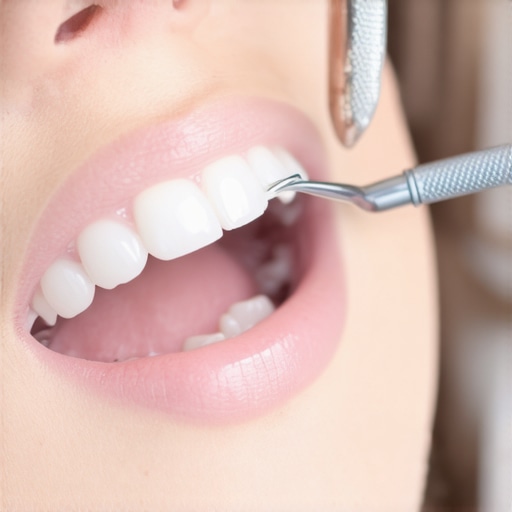
Many people assume they know everything about maintaining oral health, but in reality, misconceptions abound that can lead to costly mistakes. For instance, a widespread myth is that flossing is optional or less important than brushing; however, scientific studies, such as those published in the Journal of Clinical Periodontology, demonstrate that daily flossing significantly reduces plaque and gum disease when combined with brushing.
Is More Always Better When It Comes to Teeth Cleaning?
Contrary to popular belief, overzealous brushing or excessive use of aggressive whitening pastes can damage enamel and gums, leading to sensitivity and increased decay risk. Regular, gentle cleaning as recommended by dentists ensures optimal health without harm—think quality over quantity. Also, many overlook the nuances of professional cleanings; appointments should be tailored to individual needs, not just routine. Over-cleaning can cause microabrasions, making teeth more vulnerable, so consult your dentist for personalized advice. Additionally, the myth that dental visits are only necessary when problems arise is dangerous. Preventive family dentistry, including routine check-ups and cleanings, is proven to catch issues early—saving money and pain in the long run. For comprehensive tips on maintaining your family’s oral wellness, visit Family Dentistry Tips.
Another common misconception involves dental crowns. Many believe they are purely aesthetic, but they offer substantial functional benefits—restoring tooth strength, preventing further decay, and improving bite efficiency. However, some patients underestimate the importance of proper care post-procedure, risking crown failure. Regular brushing, flossing, and routine check-ups are crucial. Remember, crowns are a long-term investment in your oral health; neglect can lead to costly replacements. For more insights on how crowns can enhance your dental health, check Dental Crowns Benefits.
What about habits like brushing techniques? Many folks think vigorous scrubbing is effective; in reality, it damages gums and erodes enamel. Use a soft-bristled brush and gentle circular motions. Correct technique is vital—this minor detail makes a big difference over time. Also, gum health is often overlooked, yet it’s the foundation of overall oral wellness. Regular use of interdental brushes and proper brushing can drastically improve gum health, reducing risks of periodontal disease, which has been linked to systemic conditions like heart disease. For specific strategies on boosting your family’s oral health, explore Oral Health Tips.
Finally, in our digital age, many underestimate the importance of good nutrition and lifestyle choices. Sugar, acid, and tobacco significantly accelerate dental issues. Remember, good oral health begins with what you consume every day. Eating a balanced diet rich in vitamins and limiting sugary snacks supports healthier teeth and gums—don’t wait for a problem to seek change. For an overarching approach to long-term oral wellness, review Proven Strategies for Lasting Oral Wellness.
Have you ever fallen into this trap of misconceptions? Let me know in the comments! By digging deeper into the nuances—like recognizing the importance of individualized dental care, understanding proper techniques, and debunking myths—you can truly empower your family for healthier, stronger smiles. Remember, your oral health is a lifelong journey, and staying informed is your best tool for success.Maintaining a healthy smile over the long term requires more than just regular brushing and flossing; it demands investing in the right tools and establishing effective routines. Personally, I prioritize using an ultrasonic water flosser, like the Waterpik Sonic-Fusion, because it combines traditional flossing with water jet technology, making removal of plaque from hard-to-reach areas effortless and more effective. This device not only enhances gum health but also reduces bleeding and inflammation—problems I used to struggle with before adopting it. Additionally, I swear by a sonic toothbrush such as the Philips Sonicare DiamondClean, which offers professional-level cleaning with gentle action, ensuring I don’t damage my enamel while thoroughly cleaning my teeth. These tools, paired with a consistent routine, have substantially improved my oral health, preventing the need for complex treatments like crowns or extensive deep cleanings. For ongoing maintenance, I incorporate a high-quality fluoride rinse like the ACT Anticavity Fluoride Mouthwash to strengthen enamel and guard against decay, especially at night when saliva production slows down. Looking ahead, I believe smart oral health devices integrated with mobile apps will become the norm, enabling personalized tracking and timely reminders to keep users on top of their routines. If you’re serious about long-term results, consider upgrading your toothbrush to a model with built-in timers and pressure sensors, which can help prevent over-brushing—a common cause of gum recession. For example, a study in the Journal of Clinical Periodontology emphasizes that preventing microabrasions through gentle yet thorough cleaning significantly extends the life of dental restorations like crowns and ensures overall oral wellness. To maximize your benefits, try switching to a sonic water flosser this month and see how your gums respond. To explore more advanced tools and strategies, visit our comprehensive guide on maintaining your oral health effectively. Remember, consistent use of specialized tools, along with professional guidance, is your best strategy for keeping your smile healthy and bright for years to come. 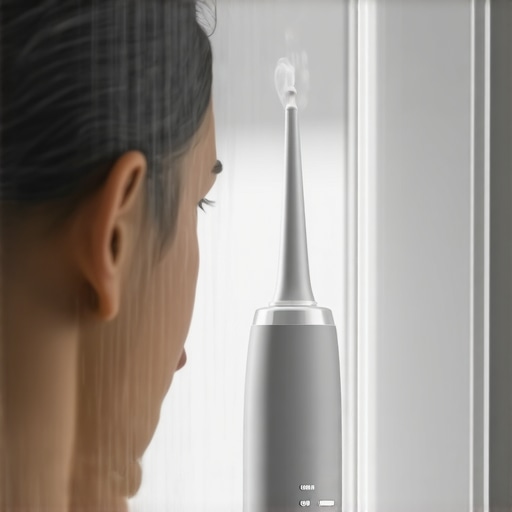
Breaking Myths: What I Wish I Knew About Oral Care
One of the toughest lessons I learned was that perfect teeth don’t happen by accident; consistent, gentle care is key. I used to think brushing harder was better, but I soon realized that over-aggressive cleaning damages enamel and gums, emphasizing the importance of proper techniques. Also, I underestimated the power of regular check-ups—preventing issues is much easier than fixing them later. My biggest breakthrough was understanding that quality tools, like a sonic toothbrush or water flosser, make a significant difference in long-term health, saving me from future restorations like crowns. Lastly, I discovered that myths about neglecting flossing or thinking crowns are just cosmetic are dangerous—and actually, they protect and strengthen your natural smile, making your confidence last years longer.
My Go-To Arsenal for a Durable Smile
For anyone serious about lasting oral health, my essential toolkit includes a Philips Sonicare DiamondClean for gentle, effective cleaning, coupled with a Waterpik Sonic-Fusion for thorough interdental care. These tools have transformed my routine, helping me maintain healthy gums and prevent decay. I also keep a fluoride rinse from ACT to fortify my enamel overnight, ensuring my smile stays strong. Books like “Smile Bright: The Ultimate Guide to Dental Wellness” have deepened my understanding, inspiring smarter choices daily. Combining these resources with professional advice from trusted sources like dental crowns benefits helps me stay proactive, not reactive, about my oral health.
Embrace Your Power to Transform Your Smile
Remember, your journey to a healthier, more confident smile is within your reach. Small, consistent changes—like upgrading your daily tools or debunking myths—can profoundly impact your long-term results. The future of oral health is personalized, combining innovative tools and expert guidance, so don’t hesitate to start today. Your best smile is just a decision away—take that step now and see the difference you can create. What’s one step you’re ready to take toward a stronger, brighter smile? Share below, and let’s support each other’s journey to better oral health!
**Close with a question to spark engagement:**
Have you ever fallen prey to a dental myth that held you back? Let me know your story below!
,