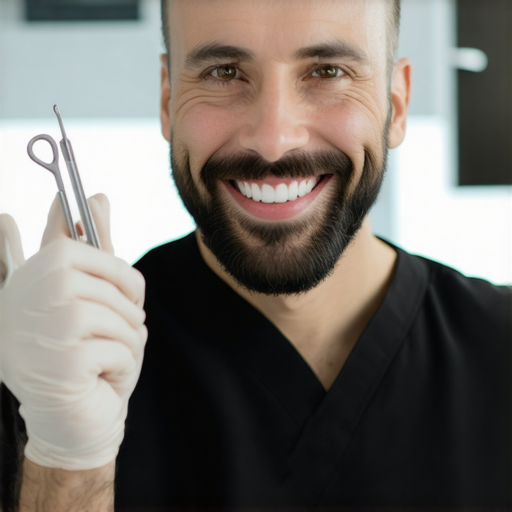

I remember the moment vividly: I was sitting in the dental chair, watching my reflection as blood appeared every time I brushed my gums. It hit me — I was neglecting something simple but crucial, and future visits would be filled with discomfort if I didn’t change now. That lightbulb moment made me realize that gum bleeding isn’t just an annoyance; it’s a warning sign of deeper issues. If you’re tired of seeing blood on your brush or feeling your gums tender after meals, you’re not alone. Many families face this problem, and surprisingly, small, consistent habits can turn things around swiftly.
Why Gum Bleeding Won’t Just Go Away on Its Own
Gum bleeding can seem like a minor inconvenience, but it often indicates underlying gum inflammation or disease, such as gingivitis. According to the American Academy of Periodontology, untreated gum issues can lead to more severe problems like tooth loss, bone deterioration, and even increased risk of heart disease. That’s serious, right? The good news is that you don’t have to let it spiral out of control. With the right family habits, you can significantly reduce, or even eliminate, bleeding gums in a short period.
Before I learned these habits, I made a common mistake: I believed that brushing harder was the way to get rid of plaque. Nope. That only damaged my gums further. Early on, I overlooked the importance of consistent, gentle techniques and proper flossing, which are vital in preventing bleeding. Now, I want to share some practices that have made a real difference in my family’s oral health.
Is Daily Routine Enough or Just a Fad?
Many skeptics worry that focusing on family habits might be overrated or too time-consuming. Believe me, I’ve been there. But the truth is, small daily actions are powerful. For example, incorporating mindful brushing and flossing can stop the bleeding before it worsens. Curious how? Learning the right techniques is essential — and yes, it’s different from just scrubbing away. For a comprehensive guide, check out [why 2026 professional teeth cleaning beats at-home tools](https://periodontistcare.com/why-2026-professional-teeth-cleaning-beats-at-home-tools-fact).
One mistake I made early on was ignoring the significance of regular family checkups. It’s tempting to skip dental visits, but routine exams catch minor issues before they become painful or costly. Are you giving your family the consistent care they need?
Now, let’s dive into effective habits that truly make a difference, so you can enjoy healthy, bleeding-free gums for good. Are you ready to learn the practical steps that worked for my family? Let’s go.
Start with Gentle, Proper Brushing Techniques
Back in my messy morning rush, I often used a hard-bristled brush and scrubbed aggressively, thinking it would clean better. That approach damaged my gums and worsened bleeding. One morning, I decided to switch to a soft-bristled brush and focus on gentle, circular motions—like polishing delicate glass—rather than aggressive scrubbing. Within days, I noticed less bleeding and healthier gums. Using the right brushing technique is crucial because it dislodges plaque without irritating tissues.
Get the Best Toothbrush and Paste for Your Family
Choosing a soft-bristled toothbrush and a fluoride-rich toothpaste tailored for sensitive gums makes a real difference. Look for ingredients that combat biofilm and promote tissue healing. Avoid harsh pastes that can erode enamel or cause irritation.
Make Flossing a Non-Negotiable Ritual
Flossing is like clearing a clogged drain—if you don’t do it regularly, gunk builds up and causes problems. I used to skip it or do a rushed job, which led to bleeding and bad breath. I finally committed to flossing every night after brushing, using waxed floss to glide smoothly between teeth. It took me about two weeks to notice the bleeding decreasing and my gums firming up. Proper flossing removes hidden biofilms and prevents gum inflammation.
Learn the Correct Flossing Technique
Use a gentle hug and curve the floss around each tooth, reaching beneath the gum line. Don’t snap or force it—think of it as gently tucking each tooth into bed. This cautious method protects your delicate tissues.
Incorporate Family-Oriented Routine Checks
Routine dental visits are like regular tune-ups for your family’s oral health. I used to neglect scheduling visits until problems arose, but I soon realized that short, professional cleanings can spot issues like early gum inflammation before they turn serious. Our dentist emphasized that twice-yearly visits, combined with at-home habits, can drastically reduce bleeding.
Ask About Advanced Cleaning Techniques
Modern family dentistry offers innovations like microbore air polishing and biofilm DNA mapping—methods that target invisible plaque and bacteria, which are often the root cause of bleeding. For a deeper dive, check out [why 2026 professional teeth cleaning beats at-home tools](https://periodontistcare.com/why-2026-professional-teeth-cleaning-beats-at-home-tools-fact).
Use Targeted Mouth Rinses and Supplements
An anti-inflammatory rinse with nano-bubbles and oxygen help reduce gum swelling and bleeding. I added a rinse to our nightly routine, which significantly improved gum health. Additionally, supplements rich in vitamin C and CoQ10 support tissue repair. Be cautious about ingredients, as some mouthwashes may contain alcohol or harsh chemicals that can harm sensitive tissues.
Integrate Tongue and Oral Microbiome Care
Daily tongue scraping and microbiome testing are game-changers. Cleaning your tongue removes bacteria that contribute to gum issues, while microbiome insights help tailor treatments. Remember, controlling bacteria at every step keeps gums healthy. For more on this, see [why 2026-teeth cleaning-now-includes-microbiome-testing](https://periodontistcare.com/why-2026-teeth-cleaning-now-includes-microbiome-testing).
Adopt Consistency Over Time
Any change requires persistence. I set reminders, involved my family, and kept track of progress with simple charts. After a month of disciplined habits, bleeding was minimal, and gums looked pinker, healthier. Small, consistent steps win the race against gum inflammation and bleeding.
Many believe that dental crowns are simple restorations, but the nuances behind their selection, placement, and maintenance reveal a complex landscape that many overlook. Contrary to popular myths, choosing the right crown material isn’t just about aesthetics; it impacts longevity, integration, and how it interacts with your natural tissues. For example, many assume all crowns are equally durable—they’re not. Materials like zirconia and bio-glass crowns have distinct advantages, especially when considering factors like biocompatibility and wear resistance. To truly understand which crown suits your family’s needs, delve into the latest research on material performance, such as the studies highlighting how bio-glass crowns outlast traditional ceramics in real-world scenarios—more info [here](https://periodontistcare.com/3-reasons-2026-bio-glass-crowns-outlast-ceramic-tested).
A common trap is oversimplifying teeth cleaning routines, relying solely on traditional methods. While brushing and flossing are foundational, advanced techniques like microbiome testing and targeted biofilm removal are game-changers. Many underestimate the importance of prioritizing professional teeth cleanings that incorporate AI-powered plaque detection and microbore air polishing—these methods outperform standard tools by ensuring no biofilm is left behind, which is a key factor in preventing gum inflammation that can jeopardize crowns and natural teeth alike, as explained in [this](https://periodontistcare.com/why-2026-teeth-cleaning-beats-at-home-tools-fact) article.
When considering family dentistry, the myths about universal solutions can lead to costly mistakes. For instance, thinking that a six-month checkup suffices ignores the advances in diagnostic technology. Regular micro-mapping and saliva testing can reveal underlying issues like early gum recession or microbial imbalance, allowing for targeted interventions before more severe problems develop. This proactive approach aligns with the emerging evidence that early detection significantly reduces long-term treatment costs and preserves natural teeth, as discussed in [this](https://periodontistcare.com/why-2026-teeth-cleaning-now-includes-microbiome-testing) resource.
Now, here’s a question for the experienced readers: How do you determine which crown material is best suited for a specific tooth rather than relying on standard practices? The answer lies in understanding material properties—like how zirconia crowns can finally stop gum line graying, or how bio-glass crowns bond directly to bone, offering unparalleled strength and integration. These details matter because they influence longevity and comfort, especially for family members with sensitive tissues or load-bearing regions. For an in-depth comparison, see [here](https://periodontistcare.com/3-reasons-2026-bio-glass-crowns-outlast-ceramic-tested).
Making the right choice in crown material and cleaning protocols isn’t about one-size-fits-all solutions. It’s about leveraging advanced knowledge, understanding the subtle distinctions, and avoiding the trap of outdated assumptions. If you’ve ever wondered whether your current routine or restorations could be optimized, let me know in the comments. Have you ever fallen into this trap? Let’s discuss!Maintaining your family’s oral health isn’t just about brushing and flossing daily; it demands the right tools and consistent routines to ensure long-term success. One game-changer I’ve adopted is the use of AI-powered plaque detection devices. These smart tools, like the PlaqueScan Pro, provide real-time feedback on areas you might be missing, making daily brushing more effective and preventing plaque buildup that can lead to gum bleeding. I personally rely on the MicroBite MHz ultrasonic scaler, which employs microbore air polishing technology to remove biofilm more efficiently than traditional methods. This ensures no hidden bacteria remain, supporting healthier gums and prolonging the life of dental restorations such as crowns.
Regular use of targeted mouth rinses is another practice I swear by. The nano-bubble oxygen rinses not only freshen breath but also deliver anti-inflammatory benefits, helping to reduce bleeding over time. Additionally, incorporating tongue scraping with the TungeTech System enhances microbiome balance, as recent studies highlight the tongue’s role in harboring bacteria linked to gum issues. As trends evolve, I predict more practices will integrate saliva testing and microbiome analysis into routine checkups, offering personalized insights for each family member.
How do I keep these tools effective? Consistent maintenance is crucial. For instance, cleaning and replacing brush heads every three months prevents bacterial growth. Storing ultrasonic scalers in antimicrobial cases prevents contamination, ensuring safe and effective performance.
For those serious about long-term results, I recommend exploring advanced equipment like 3D oral scanners for precise crown fitting and biofilm mapping. Such technologies allow dentists to tailor treatments specifically to your family’s needs, ultimately extending the durability of crowns and reducing the risk of gum recession. You can learn more about this from recent research highlighting how microbore air polishing combined with AI detection surpasses traditional cleaning methods—further details are available here.
Making these tools a part of your routine is a proactive step toward preserving your family’s oral health, but how do you maintain the effectiveness of these tools over time? Regular calibration, scheduled replacements, and proper storage are key. For example, I set reminders to replace my electric toothbrush head every three months and sanitize my ultrasonic scaler after each use. Starting with one advanced tip—like integrating AI plaque detection into your daily routine—can dramatically enhance outcomes and make maintenance more manageable. Don’t wait for problems to arise; take control now to keep your family’s smiles healthy and bright for years to come.
Lessons from My Dental Journey That Changed Everything
One of the most eye-opening lessons I discovered was the importance of personalized care—no two families are the same, and tailoring routines makes all the difference. I realized that focusing solely on DIY habits without professional insights often leads to missed signs of early trouble. The moment I started advocating for advanced diagnostics, like microbiome testing, I saw firsthand how early detection prevents costly repairs later. Additionally, I learned that patience in adopting new habits—like regular tongue cleaning and AI-powered plaque detection—transformed our oral health faster than quick fixes.
Shifting away from myth-based practices, I found that investing in modern materials like bio-glass crowns not only prolongs durability but also promotes healthier gums. This revelation reshaped my understanding of how material choices directly affect family longevity and comfort. Lastly, I discovered that integrating cutting-edge tools into daily routines—not just during visits—empowers families to stay ahead of issues, instead of constantly reacting to problems after they’ve worsened.
My Arsenal of Tools for Family Smile Defense
For those serious about long-term oral health, I rely on a set of innovations that have proven their worth. The 2026 professional teeth cleaning tools bring together microbore air polishing and biofilm DNA mapping, which outperform traditional methods by detecting hidden bacteria before they cause trouble. I also trust the bio-glass crowns for restorations, thanks to their ability to bond directly to bone, offering superior strength and tissue compatibility. Additionally, keeping a pocket-sized AI plaque scanner in our family kit helps us identify problem areas immediately, making daily routines more effective. Learning about these tools transformed our approach from reactive to proactive care, saving money and pain down the line.
Other game-changers include the 30-second tongue scan for microbiome insights and nano-bubble oxygen rinses that soothe inflammation. These resources have helped my family stay ahead of issues, ensuring our smiles remain healthy and bright. I encourage you to explore these options and see how they can fit into your family’s routine, transforming oral health from a chore into a powerful shield against decay and bleeding gums.
Claim Your Bright Future Today
Taking proactive steps with the latest tools and knowledge can truly elevate your family’s oral health game. The journey towards healthier gums and durable crowns is ongoing, but every small improvement adds up to years of confident smiles. Remember, the key lies in consistency, innovation, and understanding that your choices today shape the smile you’ll enjoy tomorrow. Embrace these insights and watch your family’s dental health thrive, turning routine care into a family legacy of strong, healthy teeth.
What innovative practice or tool are you excited to try first? Share your thoughts below and let’s empower each other for brighter, healthier smiles!