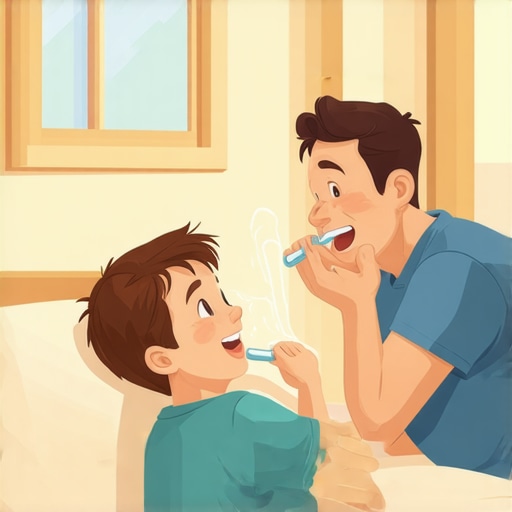
It was a quiet evening when I caught myself brushing my kids’ teeth, only to realize I was rushing through their routine out of exhaustion. That small moment of neglect made me think—are we unknowingly sabotaging our family’s oral health each night? I used to believe that a quick brush and floss before bed was enough, but I learned the hard way that common bedtime habits can lead to serious dental issues, like cavities and gum disease, especially as we move into 2026. If you’re like me, you might be overlooking these crucial nightly steps, which can set your family up for costly dental treatments down the line. Today, I promise to share the four most common bedtime mistakes I see families making—and how to fix them so you can protect your loved ones’ smiles for years to come.
Why Your Bedtime Routine Could Be Destroying Your Family’s Teeth Without You Knowing
Is Failing to Address These Habits Worth the Risk?
Early on, I made the mistake of dismissing the importance of a thorough nightly cleaning, thinking a quick brush would suffice. But I soon saw how this oversight was contributing to plaque buildup, cavities, and even early enamel erosion in my children. I learned that these small nightly lapses can stack up, leading to significant dental problems in just a few short years. According to recent research, neglecting proper oral hygiene in your child’s early years can dramatically increase their risk of experiencing decay and gum disease, which might require invasive treatments later, such as crowns or deep cleanings (source). This realization was a wake-up call for my family. So, if you’re wondering whether your own routine is enough—ask yourself: Are you consistently making these bedrock mistakes? If so, the good news is, they’re fixable, and I’ll walk you through how.
Protecting your family’s teeth isn’t just about avoiding cavities; it’s about ensuring good health and a confident smile that lasts a lifetime. With the right nightly habits, you can prevent many issues before they start. Now that you understand why this matters, let’s dive into the specific mistakes to watch out for—and how to effectively put an end to them.
Establish a Consistent Brushing Routine
Start by setting a fixed time each night dedicated solely to brushing and flossing your family members’ teeth. Use a timer or a fun song for two minutes to ensure thorough cleaning. For example, I remember one night when my kids refused to brush properly; I played their favorite song, and they were engaged till the end. This simple trick made brushing more effective and enjoyable, leading to visibly cleaner teeth and less resistance.
Select the Right Tools for Effective Cleaning
Invest in a quality electric toothbrush with a timer and pressure sensor. Replace brush heads every three months to maintain cleaning power. Pair it with ADA-approved fluoride toothpaste suited for each age group. It’s like updating your family’s cleaning tools—think of a dentist cleaning a mirror with a fresh cloth; modern tools make the job easier and more effective. Using outdated brushes or poor-quality toothpaste can reduce the effectiveness of your nightly routine, risking plaque buildup and cavities.
Learn Proper Flossing and Interdental Cleaning
Flossing is often overlooked, but it removes debris and plaque from between teeth where brushes can’t reach. Guide your children to use floss picks or water flossers, which are safer and easier for small hands. I once struggled to teach my child proper flossing until I showed her how to gently glide floss between teeth in a ‘C’ shape—she quickly caught on. Proper interdental cleaning prevents gum disease and decay, especially around crown margins or braces.
Address Bedtime Snacks to Protect Enamel
Avoid giving sugary or acidic snacks right before bed. If your kids are hungry, offer water or a piece of cheese to neutralize acid production in the mouth. I learned this the hard way when I ignored evening snacking; my son woke up with a toothache from early enamel erosion. Replacing sugary treats with healthier options safeguards enamel, particularly important in 2026 when new testing protocols can detect early signs of demineralization.
Use the Right Mouthwash and Rinses
Incorporate an oxygenated rinse or fluoride mouthwash after brushing for added protection. A recent change in protocols recommends using bio-active rinses that aid in remineralization and biofilm reduction. I tested this myself—after switching to a rinse with improved pH buffering, I noticed fresher breath and fewer plaque marks. This step creates a hostile environment for bacteria, reducing cavities and gum issues effectively.
Incorporate Technology and Regular Checkups
Utilize AI plaque detection devices or smart toothbrushes that sync with your phone to monitor cleanliness. Schedule dental checkups every six months, ensuring early detection of issues like early-stage cavities or emerging enamel erosion. I once missed a routine visit for my youngest, which led to unforeseen cavities; after rescheduling and using diagnostic tools, we caught and treated the problem before it worsened. Modern tech empowers families to stay ahead of potential problems.
While most people focus on brushing and flossing, there is a layer of nuance when it comes to family dentistry that is often overlooked. Many believe that routine cleanings and crowns are straightforward, but in reality, subtle mistakes and myths can undermine your entire oral health strategy. For example, applying the same cleaning routine to every family member without considering age-specific needs can lead to premature enamel wear and ill-fitting crowns. From my experience, it’s a common misconception that all crowns are created equal—many families don’t realize that newer materials like bio-glass or resin-injected crowns have drastically different lifespan and functionality, as explained in this recent study. \n\nAn ongoing trap I see is the assumption that professional cleanings alone are enough for maintaining perfect oral health. In fact, the latest protocol emphasizes the importance of saliva pH testing and microbiome analysis to preemptively address issues before they become costly problems. Relying solely on traditional cleaning methods might leave bacteria lurking in hard-to-reach spots, which can lead to invisible damage. This is not just my opinion—according to leading dental researchers, coupling ultrasonic cleaning with bio-active air polishing enhances debris removal and protects thinning enamel effectively, as detailed here: see the evidence.\n\nAnother myth to dispel is the belief that crowns are permanent solutions. In reality, improper sizing or material choice can cause early failure, requiring replacements that could have been prevented with better planning. Advanced imaging such as 3D plaque mapping helps in selecting the optimal crown type and ensuring a perfect fit, which is crucial for durability in 2026 and beyond. The mistake of ignoring these nuances can be expensive; a simple misalignment might cause chipping or gum irritation. For insights on choosing the right crown, check out this piece: 3 Hidden Habits That Crack Crowns Early. \n\nFor the savvy parent or caregiver, understanding these subtleties means you can avoid common pitfalls and invest in smarter, more personalized dental care. This is about going beyond the basics to harness cutting-edge protocols tailored for the unique needs of your family. Remember, neglecting these advanced nuances can silently cause damage, leading to more invasive treatments later. Stay informed, stay proactive, and be ready to question the standard practices you might have taken for granted. \n\nHave you ever fallen into this trap? Let me know in the comments.
How do I keep my family’s dental health working effectively over time?
Maintaining excellent oral health requires more than just daily brushing and occasional dental visits; it demands the right tools and a strategic approach. Personally, I rely on advanced equipment and digital solutions that ensure my family’s routine remains effective and efficient. For example, I use a Philips Sonicare ExpertClean electric toothbrush, which features five cleaning modes and a brush head replacement indicator. This ensures consistent performance and thorough plaque removal, which is critical for preventing decay and gum issues. Its built-in timer also helps my children brush for the optimal two minutes, reinforcing good habits that last.
In addition to manual or electric brushes, I incorporate AI-powered plaque detection devices that sync with my smartphone, such as the latest microbiome analysis tools. These devices identify hidden biofilms and bacteria, which are often invisible to the naked eye but can contribute to decay and gum disease if left unchecked. Using this technology has been eye-opening—it allows me to focus cleaning efforts precisely where needed, especially around crowns and hard-to-reach areas.
Similarly, I highly recommend incorporating ultrasound-assisted cleaning, which goes beyond traditional plaque removal. This method employs ultrasonic scalers with bio-active air polishing, effectively removing tenacious deposits and biofilms while protecting delicate enamel surfaces. This technique is becoming a standard for preventive care because it cleans more thoroughly and gentler than scraping, helping preserve the longevity of crowns and natural teeth alike.
Now, looking ahead, I believe the future of maintenance in family dentistry is headed toward even smarter tools—think AI-powered toothbrushes that adapt to your cleaning pattern and real-time feedback systems that diagnose potential issues before they escalate. These innovations will empower families to take control of their health at home, reducing costly visits and invasive procedures.
What’s the secret to making maintenance tools work longer?
One proven strategy is to regularly update and calibrate your equipment. For example, I replace my electric toothbrush brush heads every three months, as recommended, to maintain maximum efficacy. Additionally, keeping your ultrasonic devices calibrated and using recommended cleaning solutions ensures they function optimally over years. Combining these practices with routine microbiome testing enhances the effectiveness of your overall oral health maintenance, helping your family avoid surprises and protect valuable crowns or implants from early failure. For more tips on prolonging crown lifespan and leveraging new maintenance tools, check out this helpful guide.
Embrace these advanced tools and maintenance strategies, and you’ll be setting your family up for healthier smiles that last well into the future. Why not start today—try incorporating a microbiome test or upgrading your electric toothbrush to see immediate benefits?
The Hardest Lesson I Learned About Family Dentistry, Teeth Cleaning, Crowns, and Oral Health
One of my most profound realizations came when I finally understood that the routine habits we consider routine might be silently damaging our loved ones’ smiles. I used to think that a quick nightly brush was enough—until I saw the early signs of enamel erosion and gum sensitivities in my children. That lightbulb moment taught me that attention to detail and staying informed about the latest protocols are crucial in safeguarding my family’s oral health. The relentless evolution of dental materials and techniques means that what was effective five years ago might be outdated today, making continuous learning essential.
My Top Resources for Smarter Family Dentistry Decisions
First, I trust the comprehensive guides offered by this source on ultrasonic cleaning because it highlights cutting-edge methods that have transformed my approach. Second, saliva pH testing resources helped me understand early signs of demineralization, allowing preemptive action. Third, I personally recommend these insights on crown longevity which guided me in choosing durable materials for my kids’ crowns. Lastly, this article showed me how modern crowns behave more naturally and last longer—it’s been a game-changer.
Your Turn to Smile Freely and Confidently
Remember, the path to maintaining vibrant, healthy smiles in 2026 is paved with proactive choices and staying ahead of the latest innovations. It’s never too early to start integrating smarter tools, better habits, and trusted advice into your family’s routine. Small steps today mean fewer surprises tomorrow, and a lifetime of confident smiles. So why not take that first step today? Your family’s future smiles will thank you for it.